
When trying to encourage people to change their view of animals, one approach vegans often take is to try and get them to see the animals we exploit for food in a similar way to how we see dogs. This is because, generally speaking, our relationship with dogs is far more ethical than our relationship with farmed animals. For example, most people would believe it to be morally abhorrent if we forced dogs into slaughterhouses, even if they would then attempt to justify forcing pigs, cows and chickens into them.
I think there is a lot of merit to this way of approaching animal advocacy; after all, if we treated farmed animals like we do dogs, then it would no longer be considered ethical to farm them for food. However, regardless of how our relationship with dogs compares to our relationship with other animals, is our relationship with dogs really as ethical as we like to believe that it is?
One of the most obvious places to start is puppy mills, essentially intensive farms for dogs, except with the purpose of breeding them as pets rather than food. These mills are often squalid environments where dogs are kept in cages. They exist to make breeding as cheap as possible so that the breeders and sellers can extract as much profit as they can. In the US, it is estimated that half a million dogs are kept solely for breeding purposes in puppy mills. These are animals who spend their lives being treated as breeding machines. Yet, people who call themselves dog lovers buy puppies from pet stores and other third-party sellers, further perpetuating this horrific abuse of dogs.
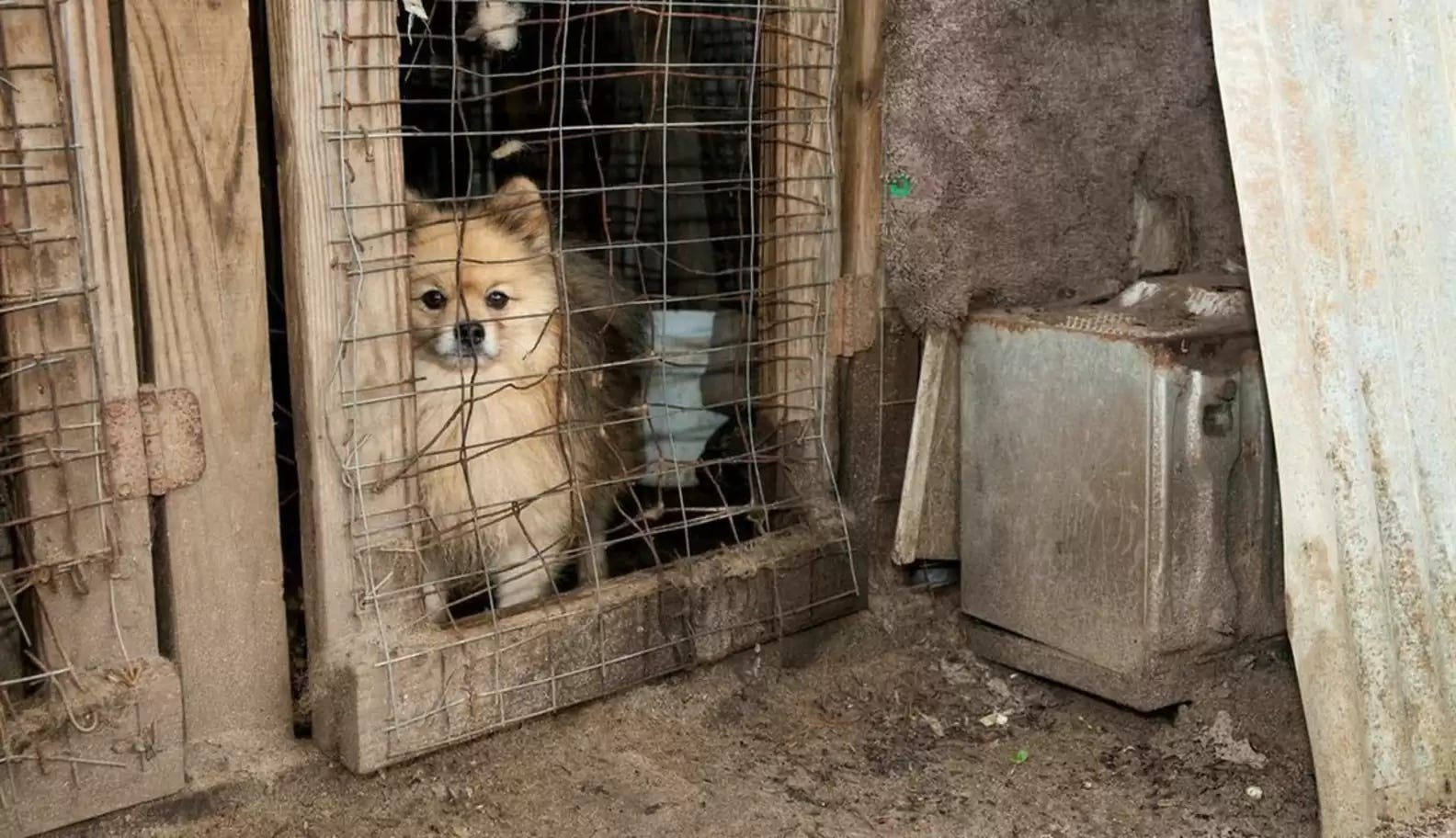
In the UK, the third-party sale of puppies has been banned, meaning it is effectively illegal for puppies to be sold in pet stores. Instead, people have to buy puppies directly from the breeders or choose to rescue a dog. This doesn’t mean that there are no longer puppy mills, although it has cut out a significant part of the supply chain that puppy mills utilised. Sadly, intensive breeders can advertise over the internet and sell to buyers directly, or they can sell to third-parties who pretend to be small breeders, both of which can mislead buyers into presuming that the puppies haven’t come from mills.
However, this also doesn’t take into consideration one of the main ethical hypocrisies when it comes to our treatment of dogs. In the UK, it is estimated that 100,000 dogs are homeless. It is also estimated that around 20,000 dogs are put down every single year, with Battersea Dogs and Cats Home reportedly euthanising 27% of the dogs they take in. The first reaction to this statistic is to condemn the organisations euthanising the animals, except doing so overlooks the key issue that needs to be addressed.
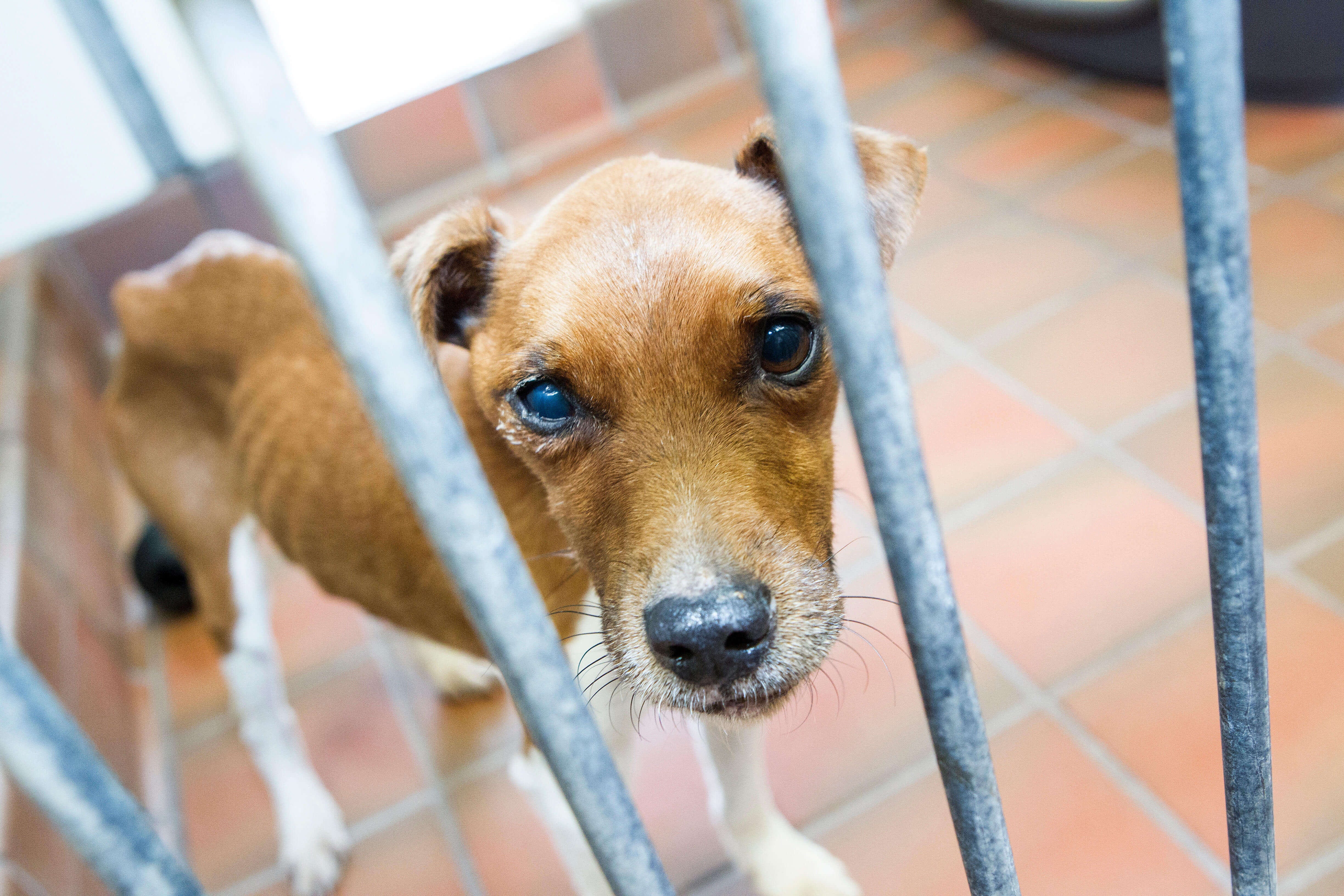
Shelters are a symptom of a wider problem, and pointing the finger at shelters just distracts from the real culprits – breeders. Opting for animals from breeders perpetuates the problem of homeless animals. Plus, because commercial breeders do what they do for money, the more puppies bought from them, the more they are incentivised to keep breeding them. It’s essentially supply and demand – if you buy from a breeder, you’re signalling to that breeder to keep breeding, much in the same way that buying meat leads to more animals being farmed for meat.
Animals from breeders can also be prone to health problems, birth defects and incorrect medical care. Many breeders also opt for popular breeds who have been selectively bred in such a way that causes them suffering and hardship. These ailments include dislocated kneecaps, heart problems, skin and eye infections, heart attacks, hip dysplasia, and the list goes on.
The most obvious of these problems can be found in dogs that have been bred to have flat faces and shortened skulls, such as pugs, French bulldogs and boxers. Breathing for these animals has been described as being like inhaling through a straw, leading to them panting and gasping to get enough air. This also impacts their ability to regulate body temperature, leading to heatstroke. Pugs can also suffer from pug dog encephalitis, which is a fatal brain disease.
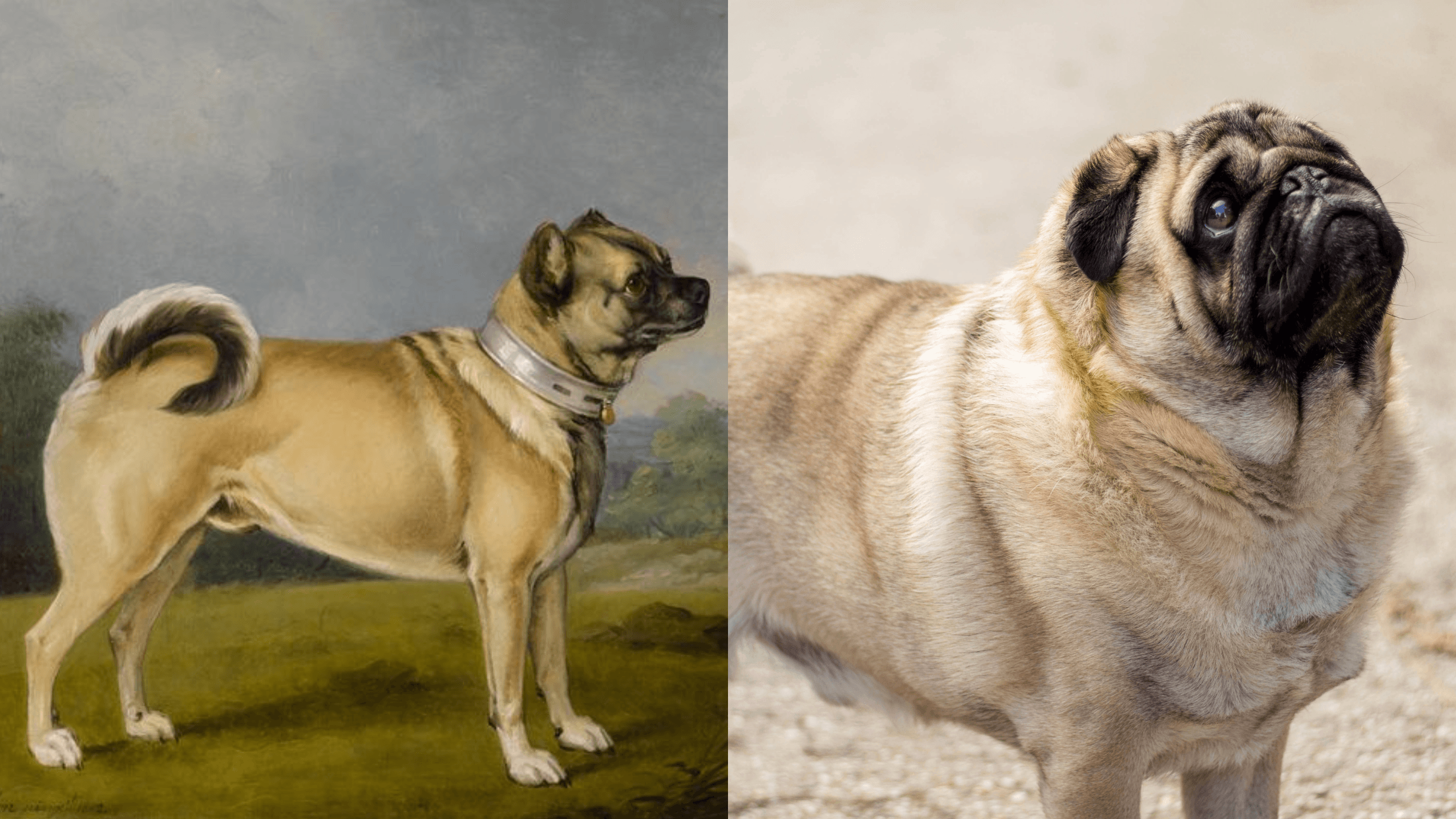
Societally speaking, we call ourselves dog lovers while breeding some breeds of dogs in such a way that makes their lives worse, and we do it because we think it makes them look cuter. We are reducing their quality of life so that we can derive a slightly higher level of pleasure from their appearance. Even if buying from a commercial breeder was ethically justified, buying these types of breeds would still be wrong. In fact, countries including the Netherlands, Austria, Germany and Norway have banned or restricted the breeding of breathing-impaired breeds. In the UK, the British Veterinary Association has also called for people to choose different breeds.
This is all even more frustrating because in the UK we like to call ourselves ‘a nation of animal lovers’, and one of the primary reasons for this is because of the scale of pet ownership in the UK, with dogs being the most popular choice. But are you an animal lover if you buy a puppy from a breeder because you think the breed is cute, even though the features you find cute actually cause the dog health problems and suffering? Oh, and because you’ve chosen to buy that dog, another dog is now going to be euthanised? (Plus, you eat animal products and fund animal farms and slaughterhouses).
The existence of shelters can also act as a backup for people who want to buy a puppy but then also refuse to accept any real responsibility for the dog. If the dog is too much work, requires too much time, or doesn’t conform to how the owner wants them to be, the owner can just take them to a shelter. Regardless of how the owner raised or treated the dog, the animal now becomes the shelter’s responsibility in their eyes. The person who bought a puppy has now added to the number of animals in shelters, while also funding the breeding of more animals, further perpetuating the problem of animals in shelters. To make matters worse, they might then choose to go and buy another puppy. That situation isn’t even the worst, some people just abandon animals without even taking them to a shelter – the RSPCA states that it rescues an abandoned animal every hour in the UK.
Add to all this that the UK hosts an annual international dog show called Crufts, which is also aired on one of our main TV channels, Channel 4. Crufts has long courted controversy, with televised coverage of the show being dropped by the BBC back in 2008. One of the main points of controversy is the show’s promotion of health-impacted breeds, with prizes often being awarded to owners of animals with severe health problems related to their breeding.
If that wasn’t bad enough, the winner of the 2026 best in show award, Lee Cox, had previously been convicted of animal cruelty. Not only did he have a spaniel with a chronically infected ear that eventually had to be surgically removed, but when an inspector visited his kennel, they found dogs covered in dirt and a strong stench from dog waste and overflowing drains. A man found guilty of animal cruelty to dogs is allowed to continue breeding dogs and enter the most famous dog show on the planet, where he then wins the most prestigious award at that show. But we’re a nation of dog lovers, right?

So, do we really treat dogs ethically?
This brings me to the issue of motivation.
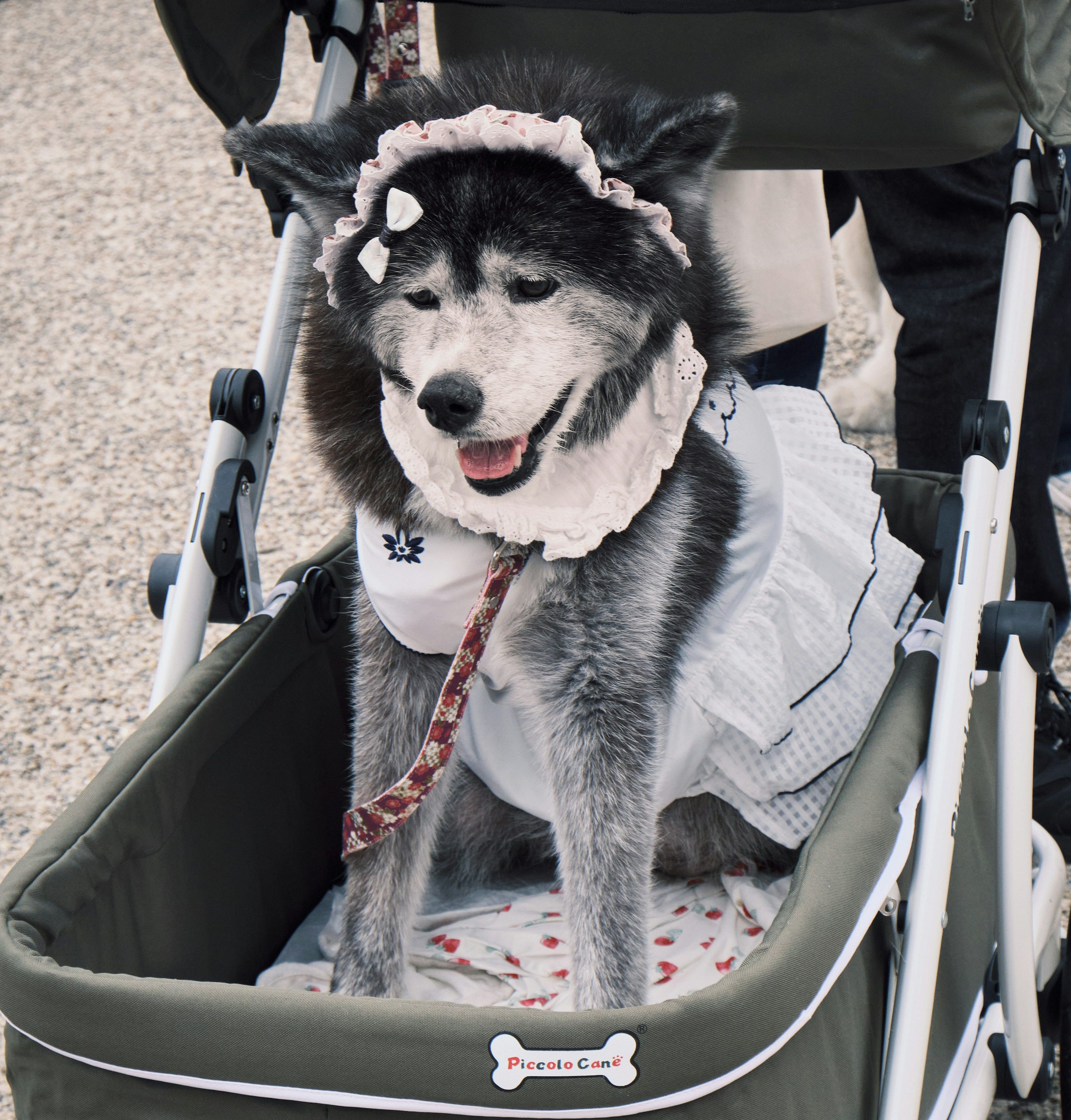
When I was in Japan last year, one of the things that struck me was the relationship that many Japanese people have with dogs. Walking around, especially in parks, it was incredibly common to see people pushing prams – except, it very often wasn’t babies in the prams, it was dogs. Not only that, but the dogs would often be dressed up in elaborate costumes. I also saw on several occasions people doing photo shoots with their dogs dressed up in different outfits.
In some cases, there might be justifiable reasons for the accessory choices. For example, a lot of the dogs I saw were wearing nappies. There are very few public bins in Japan, and bins for dog waste are also extremely uncommon. Cleanliness and hygiene are very important in Japanese culture, so dogs wearing nappies could be a way of ensuring that the dogs don’t foul or urinate in public places. Owners can then dispose of their waste either at home or in public toilets, similar to how we would with babies.
Most of the time, however, the costumes and accessory choices didn’t appear to offer a potentially justifiable utility. While ethically this is far from being the worst example of harm that humans cause to animals, it often felt very objectifying, as if the dogs were not being viewed as dogs, but as toys. While the impact this has on the individual dogs might not be a significant issue – as long as the animals are taken out of the prams to walk for exercise, and the outfits are not restrictive, uncomfortable or worn when it’s hot – viewing animals as objects and toys does impact how they are treated more generally.
I referenced earlier how selling puppies in pet stores is effectively illegal in the UK, the complete opposite is true in Japan. I’ve never seen so many pet stores with puppies in the windows being advertised for people to go in and buy. These puppies are coming from puppy mills and being farmed in cages and horrible conditions. People see the cute puppies in the windows but don’t think of the mothers in the cages being used for breeding.
One in ten puppies in Japan fall ill within a week of being bought. This is largely down to the age they are taken from their mothers to be sold, with early separation leading to an increased risk of infections and illness. The problem is, young puppies are cute. While a law was brought in to make it illegal to sell puppies under a certain age, veterinary records suggest that the law is being ignored, as the rates of puppies becoming ill within the first week of being bought has actually increased. There’s also the issue of what happens to the animals in the pet stores who don’t get bought.
This is why I would argue that the objectification of these animals matters, because the way we perceive and treat them is indicative of the general cultural treatment of them. If dogs are viewed as display items, props and objects, they will be treated accordingly. But, of course, I’m not just referring to Japan when I say that. The health-impacted breeds I referenced earlier are also a product of the same mindset, which is that the dog’s primary value is their aesthetic appeal to us, not their overall wellbeing and lived experience. We all have the breeds we think look the cutest, but if we’re choosing animals simply because of how they look, especially if that breed suffers as a result of how we’ve made them look, we’re viewing these animals as objects rather than as individuals.
Plus, breeds of dogs are often seen as extensions of owners’ identities – there’s a reason why certain people choose pit bulls over spaniels. Sadly, assigning status or traits to dogs in order to change how people perceive us as humans allows for situations where the wellbeing and interests of the dogs are sidelined in order to make them conform to what we want from them. One of the most obvious examples of this is people who want dogs that make them seem more threatening or intimidating. Not only does this create an environment where the dogs might be mistreated or abused, it can also lead to those dogs hurting other dogs or humans.
All of this demonstrates why motivation is so important. Dogs are treated better than the animals we eat, but our relationship with dogs is far from perfect and deserves far more scrutiny than we give it.
If you want a dog because your primary motivation is having a companion who is given an opportunity to live a happy life and feel loved, then you’re going to naturally be open and drawn to adopting a dog who needs a home. If you want a dog because they’re an accessory, because you saw a cute puppy in a window, or because you want a certain breed of dog, regardless of the impact their appearance has on their health, then your motivation for getting a dog makes it easy to overlook the ethical consequences that come with that choice.
That’s not to say that people who get dogs for these reasons don’t develop loving relationships with the dogs they get, but those mindsets and reasons further perpetuate the immoral and unethical things that continue to happen to dogs. People might love the dog they buy from a pet shop or over the internet, they might love their dog with a flattened face – but as with our treatment of animals more generally, it’s important to consider the wider impact these choices actually have.
No posts
Comments
Nothing yet. Say the first thing.
Sign in to join the conversation.