
There’s a common belief from environmentalists that higher welfare forms of farming are also more sustainable. However, this is sadly not the case, as there is often a direct trade-off between higher welfare animal products and sustainability.
The easiest way to see this trade-off is when comparing different types of animal products. While cattle farming for beef is generally higher welfare than chicken farming, chicken is a less environmentally harmful meat. This is especially apparent when it comes to land use, where a kilogram of beef requires over twenty-six times more land, and greenhouse gas emissions, where a kilogram of beef produces ten times the amount of emissions.
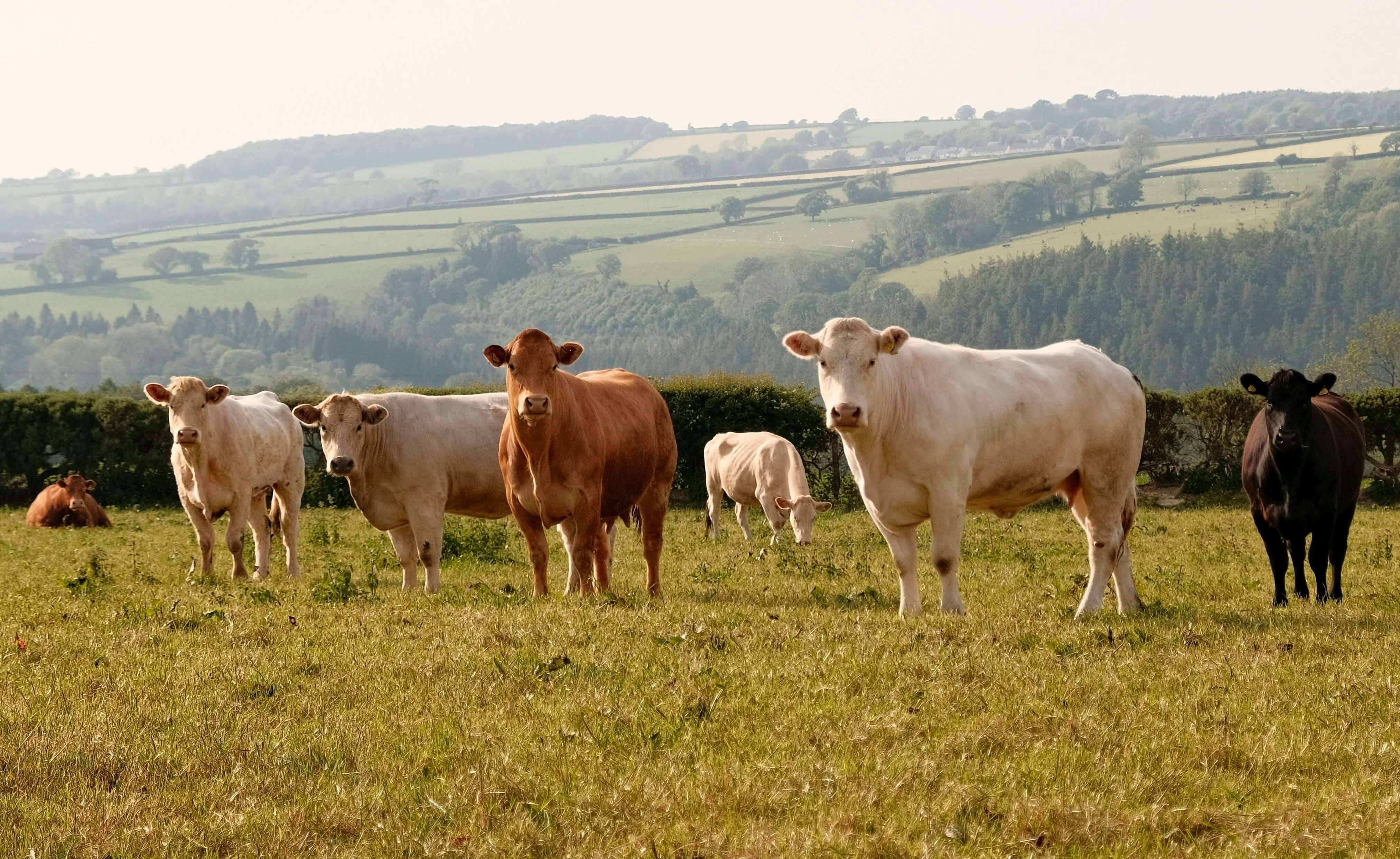
This makes sustainability messaging a potentially harmful one when it is framed through the lens of swapping from one type of animal to another, as swapping from beef to chicken leads to far more animals being farmed and killed in systems that are generally more intensive and cruel. In fact, when compared to cattle, it requires over 200 times as many chickens to produce the same amount of meat. A similar problem can occur with health arguments too, with calls for people to eat less red and processed meat often leading to people swapping beef for chicken and fish.
The small animal problem is one that those of us who care about animal ethics are all too familiar with, especially as the smaller animals people eat are all also the ones that those same people often have a harder time empathising with.
However, rather than comparing different types of animal products to one another, what if we analyse the same type of animal protein but compare intensive farming to less intensive systems of farming, does that avoid the trade-off between environmental harm and animal welfare?
A new study published in July this year points us towards the answer that it doesn’t. The study analysed egg farming in the UK and found that if the UK swapped all of its egg production to organic free-range, it would produce twice the amount of greenhouse gas emissions and require almost twice as much land than if the UK produced all of its eggs in caged farming systems. Not only that, but compared to every other system of egg farming analysed, organic free-range egg farming was the worst when it came to water eutrophication and acidification.
Perhaps surprisingly, organic free-range systems were also shown to have higher on-farm mortality rates than caged systems. This is something that has been shown in a number of studies, although this is likely down to factors such as social behaviours, having more space to collide into or fall off things, etc. Plus, research has shown that the higher mortality rates are often associated with how experienced the farmer is, with more experienced farmers having similar on-farm mortality rates to caged systems.
It’s also worth considering whether longevity of life or quality of life are the most important factors when determining the overall welfare benefits of a farming system. Even if free-range systems were always responsible for higher mortality rates, is a higher rate of on-farm mortality an automatic ethical justification for a worse quality of life, especially when factoring in that all the animals are killed early into their natural lifespans anyway? In the case of us humans, going outside brings with it dangers that we would avoid if we were locked in a small room, but that doesn’t make being locked in a small room automatically more preferable.
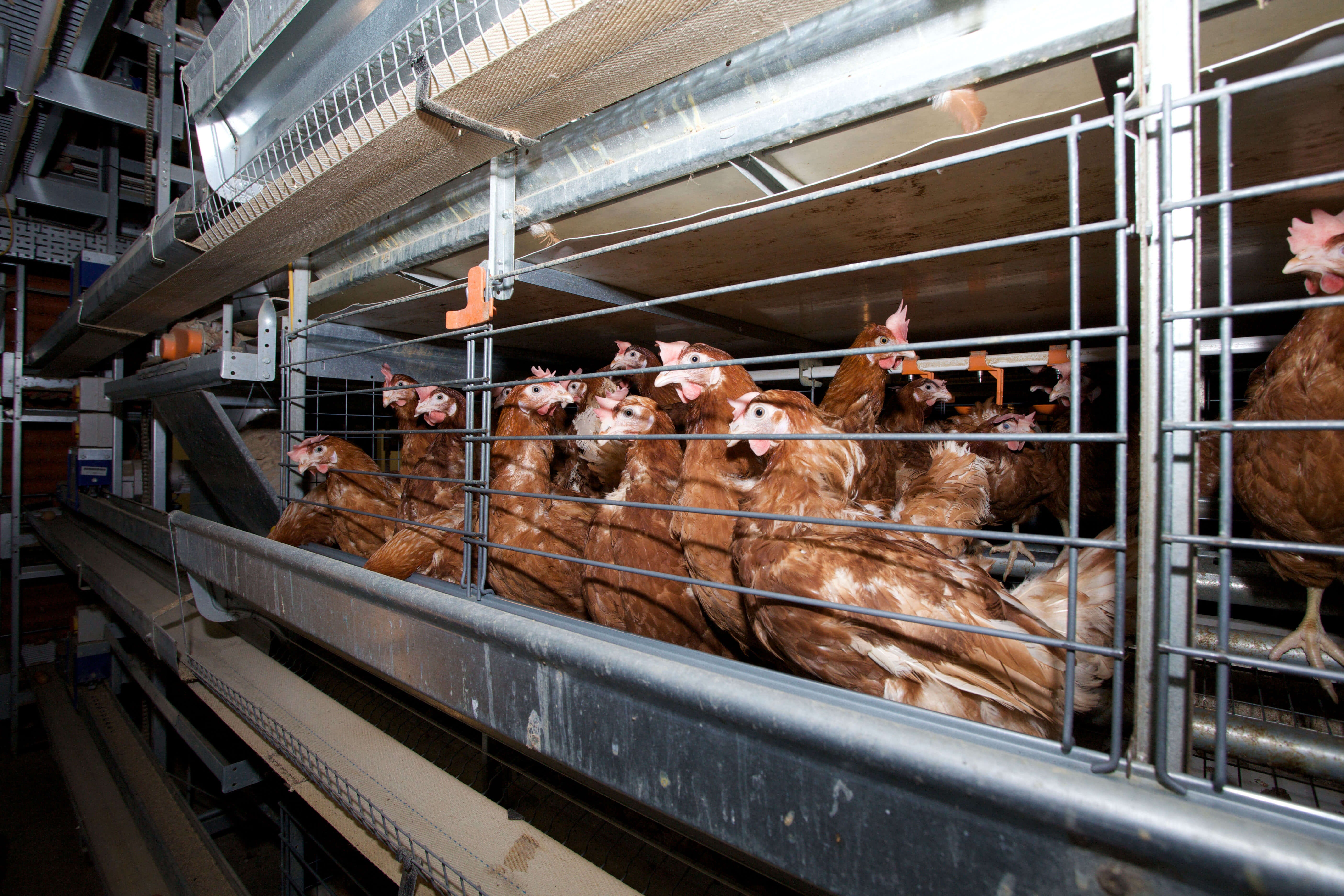
If we focus again on the sustainability angle, this newly released study relied on data from 2009 - 2010, meaning that it doesn’t take into account changes that have happened within the industry since that time. However, it essentially expands on a much larger body of work which already shows that higher welfare farming systems, including egg-laying systems, have higher land and emissions footprints, among other environmental concerns.
For example, fast-growing selectively-bred chickens require less land, less food, less fertiliser, less water and produce larger quantities of meat in shorter amounts of time. From a sustainability perspective, this presents clear environmental benefits to slower-growing breeds that are farmed in less intensive ways.
This is the general theme across all animal products, with reduced efficiency meaning that more resources are required overall and that more animals are needed to produce the same amount of food. This presents an interesting conundrum. For example, is it more ethical to farm ten animals intensively or thirteen animals less intensively? The ten animals would suffer more, but farming ten animals in this way means three animals are being spared from slaughter and from farming systems which still cause harm and pain.
In response to the environmental concerns associated with higher welfare systems, advocates of less intensive animal farming will often point to factors such as biodiversity and nature. There may be some truth to this, as there is likely to be greater biodiversity on less intensive farms than intensive ones, but less intensive systems still require more land. If we take White Oak Pastures, a US-based farm that is often held up as the poster child for less intensive ‘regenerative’ animal farming, it uses two and a half times more land than conventional beef farming to produce the same amount of meat.
Is it better from a biodiversity and nature perspective to use two and a half times less land, even if there is less biodiversity on that reduced amount of land compared to if it was being grazed on as part of a larger extensive system of cattle grazing? Essentially, what is better for nature, twenty-five acres of cattle farming or ten acres of cattle farming and fifteen acres of rewilded forest? Although, that’s a false dichotomy, because there’s another way.
The real issue is not intensive animal farming versus higher welfare animal farming. Both have sustainability and welfare trade-offs, and importantly, both fail to actually deliver a farming system that is efficient, sustainable and ethical. However, there is a system that delivers for animals while also reducing greenhouse gas emissions, land use, water eutrophication, biodiversity loss, acidification, deforestation, and the list goes on and on.
Rather than tinkering around with a broken system of animal farming that will always be less ethical and less sustainable than the alternative, we should instead embrace the alternative and reap the benefits of a food system that would actually deliver meaningful change across a multitude of urgent and important issues.
Analysing the difference between one form of animal farming compared to another misses the point: the relevant comparison is not between intensive animal farming and higher welfare animal farming – the important comparison is between animal-based diets and plant-based diets. A plant-based diet would allow us to reduce the amount of agricultural land we need by 75%. We could rewild that land, increasing biodiversity in the process and storing carbon. A study on the average EU diet showed that 83% of dietary related emissions were from animal foods. Plant-based diets require less water, create less eutrophication and increase soil health.
Plant-based diets don’t involve pumping animals with antibiotics, or farming animals that act as incubators for potentially pandemic causing viruses. They don’t require us to farm tens of billions of land animals and hundreds of billions of marine animals every single year. They don’t require forcing animals into gas chambers and cutting their throats. By eating a plant-based diet, we don’t have to worry about trade-offs because a plant-based diet is both the most sustainable and most ethical choice.
Considering that animal farming is the number one driver of deforestation and habitat loss, it’s not necessarily surprising that we are missing the forest for the trees. However, it’s important that we view the complete picture in front of us – there is a way that we can produce enough food efficiently while also looking after ourselves, the planet and the animals all at the same time.
No posts
Comments
Nothing yet. Say the first thing.
Sign in to join the conversation.