
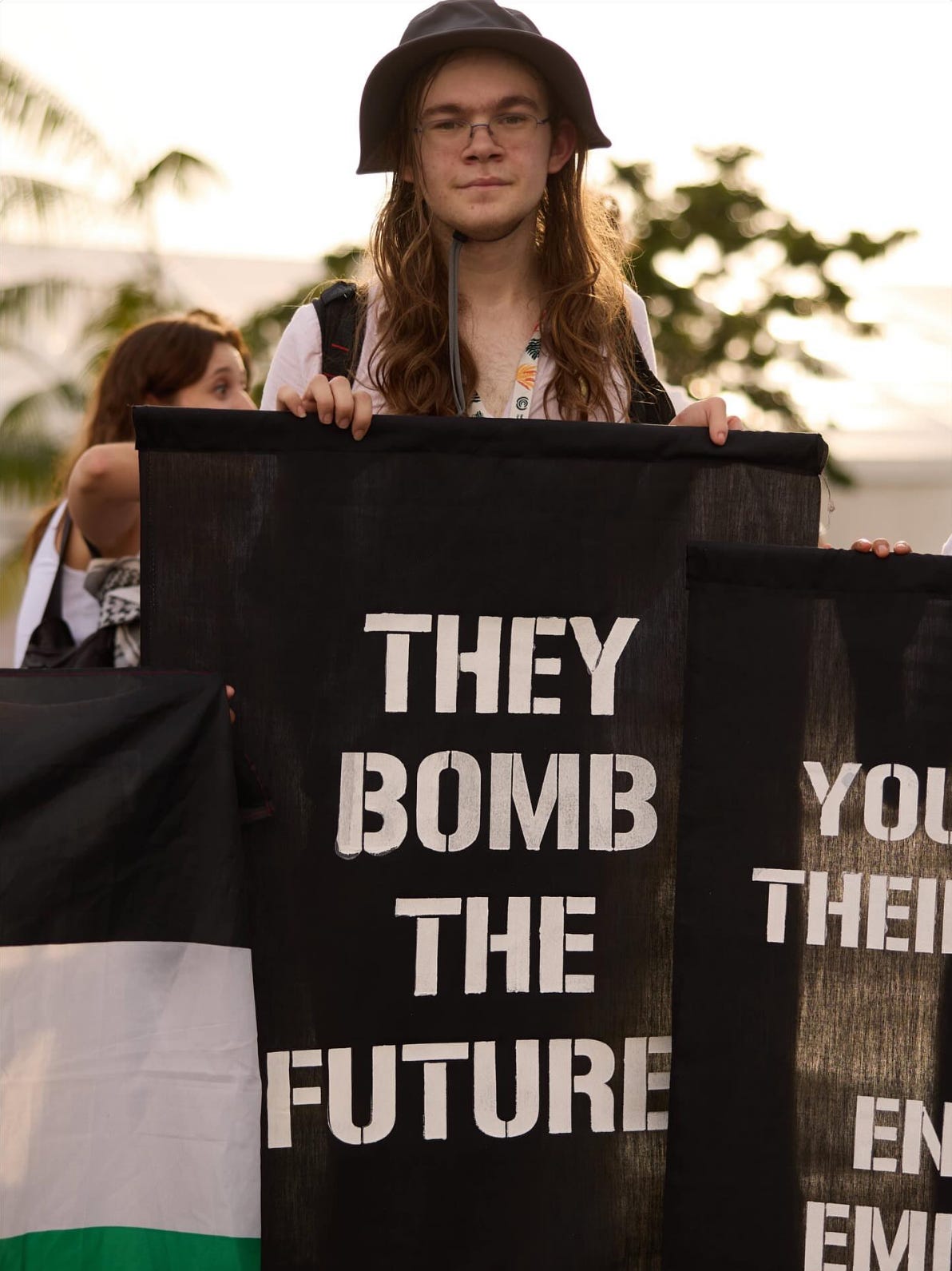
Last Monday, a new United Nations climate summit began in the Amazon city of Belém do Pará, Brazil and COA students are witnessing it firsthand — scroll down to read their reflections.
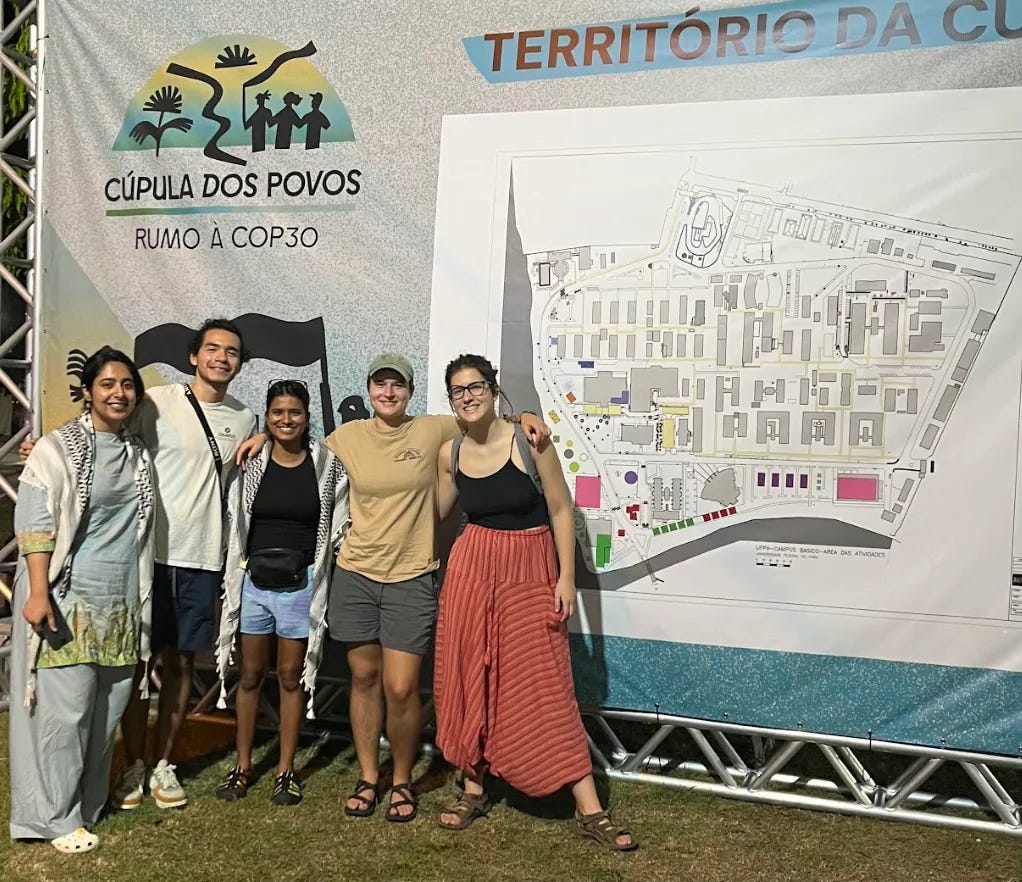
The COP (Conference of the Parties) is the annual meeting of countries that are part of the UN Framework Convention on Climate Change (UNFCCC) signed in 1992 Brazil. It creates a space where governments, organizations, and citizens come together to discuss and decide how to tackle climate change. It’s been 32 years and 30 COPs, the response has not been adequate.
The delegation of COA students on the ground are there wondering…what does climate justice mean in a space like COP? What is a consensus based approach when used to discuss a history of inequitable harm? What does it mean to mobilize in a place where everyone knows the solution but refuses to act?
The least developed countries walked out of last year’s COP, describing its outcome as a “staggering betrayal” which begs the question...
At the Belém climate summit, the biggest fight is over money for climate action. Developing countries are pushing wealthy nations to finally deliver the large-scale funding they’ve promised for years, but progress looks uncertain. Another heated issue is the push for carbon markets, where companies can buy “offsets” instead of cutting pollution — a system widely criticized by scientists and activists as a distraction from real emission reductions.
Other major debates center on protecting forests, stopping deforestation, and accelerating the shift away from fossil fuels, which is especially urgent in a COP hosted in the Amazon. President Lula has called this the “COP of truth,” yet the gap between ambition and reality remains wide. While Indigenous peoples and civil society are pushing for bold commitments, fossil fuel lobbyists are also out in force, working to weaken the outcome.
This first week has been a unique opportunity to see how global climate negotiations unfold and to connect with people from all over the world who care deeply about our planet. We present this not as a clean, entirely coherent collection of perspectives. Hopefully, this newsletter serves as a means to illustrate the myriad of feelings, ideas and processes that such an event is able to breed. Both within the group of students that left Bar Harbor this November, and all the peoples that converge at this international encounter.
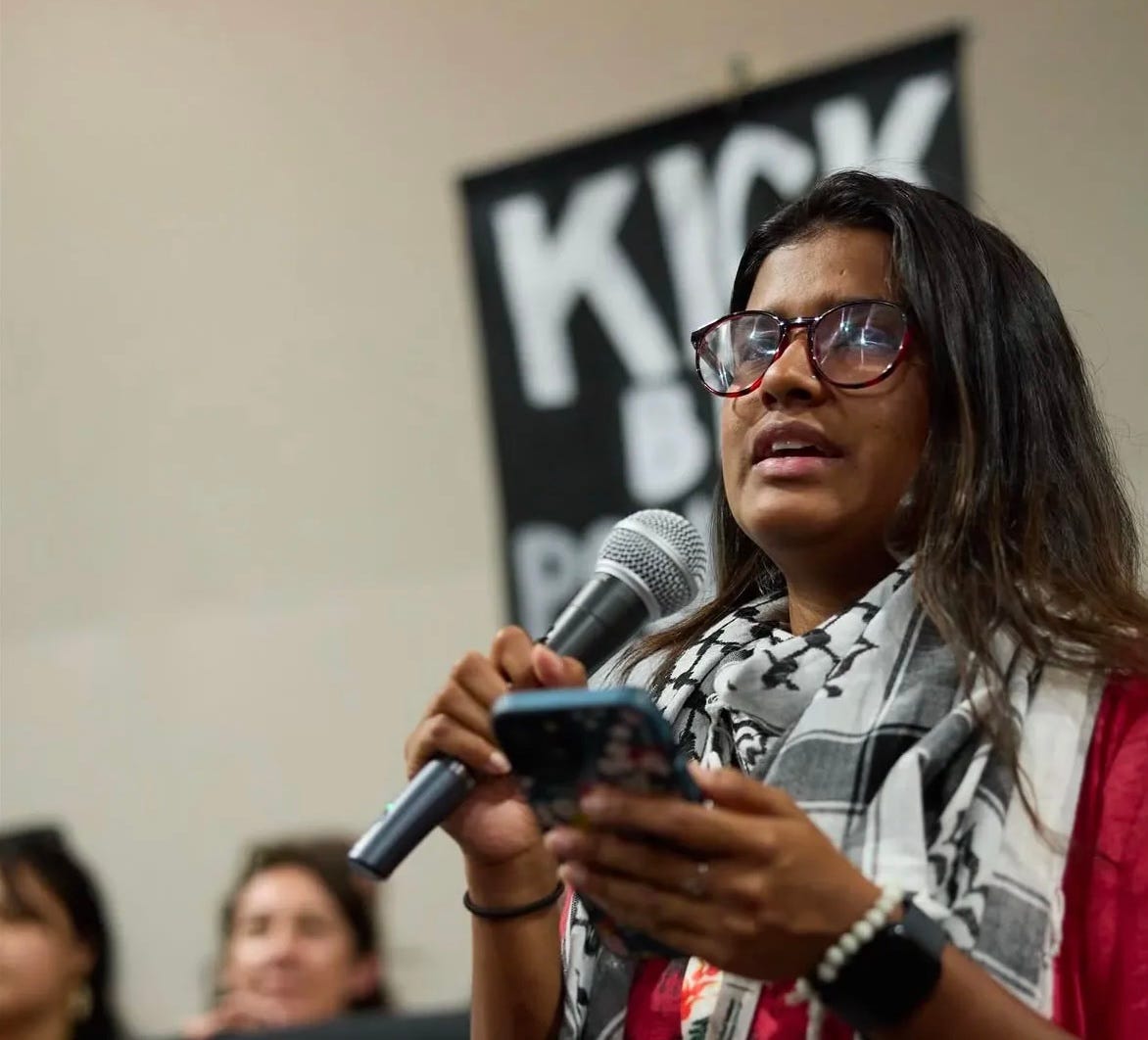
There are a lot of contradictions in my mind as I think about my first week at COP30. We are finding solutions, but we’re finding these solutions through a platform that continues to foster and perpetuate discrimination. There is a structural hypocrisy in who gets to sit at the decision table, and it continues to exist in everything I experience here at COP. The sad sad state of this world is very much reflected in this space, and it overwhelms me in a new way every day. Censorship persists within this chaos, yet people find creative ways to express their concerns every day. There are actions, there are conversations and there is an immense amount of learning to do.
This diverse space brings so many people in one place; the exploited and the exploitative, the voices being heard and the voices silenced— and that is perhaps where I find the silver lining as well. I am frustrated about the huge number of fossil fuel lobbyists present in this space, but I am equally inspired by individuals I meet— who, albeit very aware of the political and social structures that limit discourse and discussions on climate change and discrimination, continue to advocate for everybody’s rights.
It is interesting to analyze spaces like this that foster both hope and utter despair, that bring the world to you yet exclude so many at the same time. A place where decisions aren’t made for the people, yet people do define their own narratives. I sat in negotiation rooms and wondered if we would ever find a common ground, only to walk out to realise that it already exists among the people if you look for it. We’re all fighting a fight for liberation, and although I’m not sure how liberating this space is, meeting people who feel like freedom is a form of privilege.
Some facts:
❌ This year at COP 30 1 out of every 25 participants is a fossil fuel lobbyist. With 1,600 present they outnumber every other delegation except Brazil, the host country.
As the fossil fuel lobbyists mobilise, so do the people.
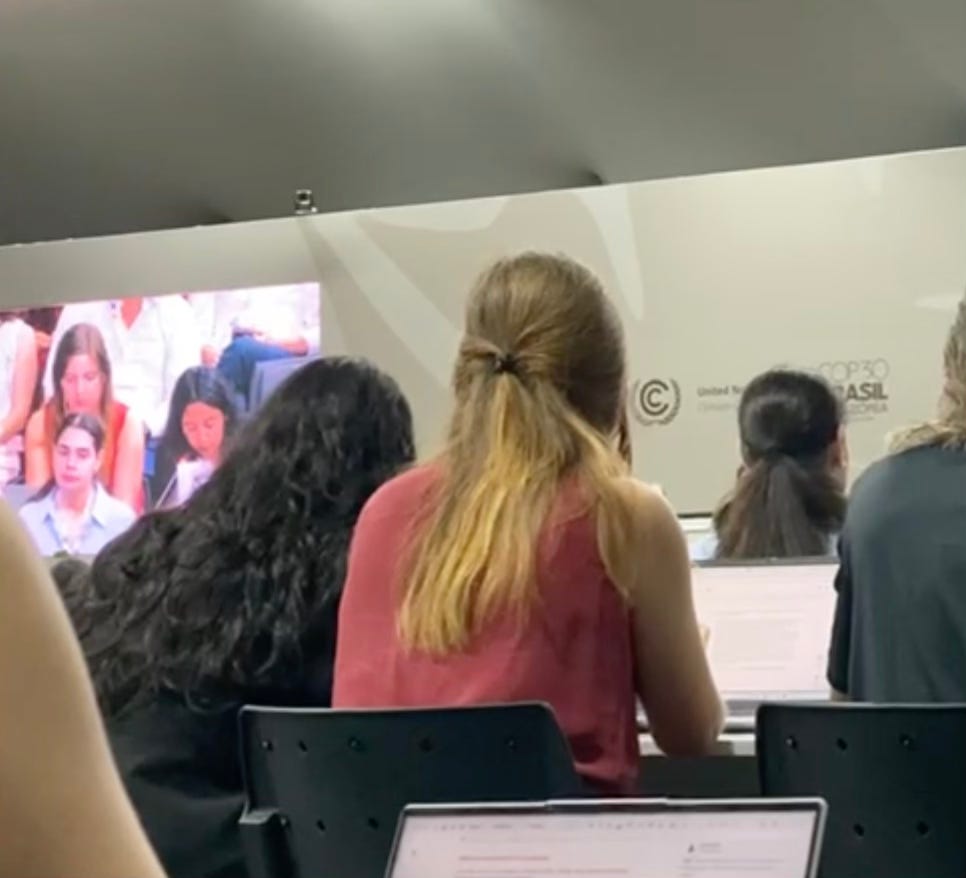
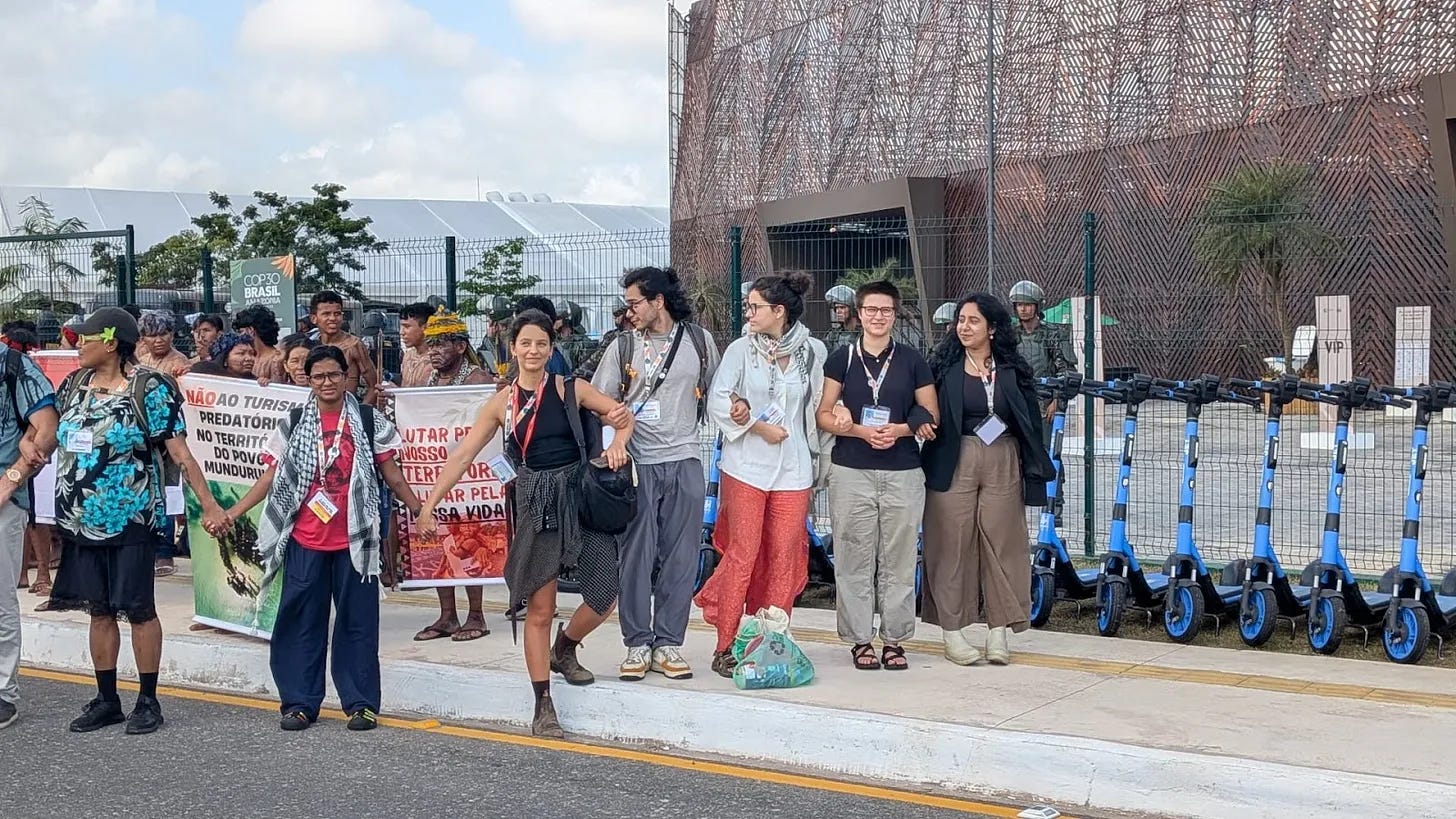
I thought and got told about the multitude of ways activism can be done, and how they all have a space. Not as something they have to compete for, it’s not either or.. Some people are trying to change the narrative from within the negotiations in COP within the system. Some people are devising alternative proposals, such as Cúpula dos Povos (People’s summit); spaces where knowledge can be shared in ways that can lead to a more hopeful future. Some people are trying to break from the outside the system, actions and civil disobedience. Some people are trying to ensure the old spaces that don’t follow this broken world.
I really felt the ‘Blue Zone’ space was very limited: it wanted me to sit on a chair, wear ‘proper’ clothes, ‘listen’, and not have any human needs. There was a worship of written and scientific knowledge; a search for individualism and progress, only one way of proceeding; and an extreme trust on hierarchies that eventually determines your value as a person, and your right to speak. Everyone felt they had the right of comfort. The right to have the best transport. The right to have the best temperature, etc. While everyone else did not feel entitled to them. Everything felt fake, politically-correct-washed, and careless.
Here, the word capitalism is silently erased and lost in big airport looking pavilions. Indigenous peoples are kept out of the negotiating tables, but used as a performance. It felt ridiculous to trust this space, giving legitimacy to its existence by participating in them, and acting within the white supremacy constraints of the space.
I appreciated the Summit’s inclusivity and horizontal participation, it felt caring and supportive of many ways of action, and yet limited. The expectations they hold of their own power is not necessarily meant to replace, but to complement the existing frameworks for international climate governance. I appreciated their care and mix of languages and knowledge. I really support their final declaration and I would love to support their power further than a side event, but searching for a new system of operation that might need to literally, as done this week, break some doors to not respect the power hoarding of the ‘Blue Zone’.
When the response is to militarize spaces, it is obvious that these spaces are not enough. Participating (even when challenging them) is not enough but it means to condone the exclusivity of them, and naturalize the privilege that it’s okay that I have a pass while so many others don’t. We need to raise the expectations, for the sake of justice and not accept the bare minimum, not when there are millions of people doing so much more for a better system, future and the environment .
COP delegations take place between two zones. The ‘Blue Zone’, attended by those registered with the UN body is tasked with coordinating the global response to Climate Change in a formal setting. The ‘Green Zone’, open to the general public, is where the host country (aka. The presidency) holds climate related events, exhibitions, cultural performances, workshops, and talks.
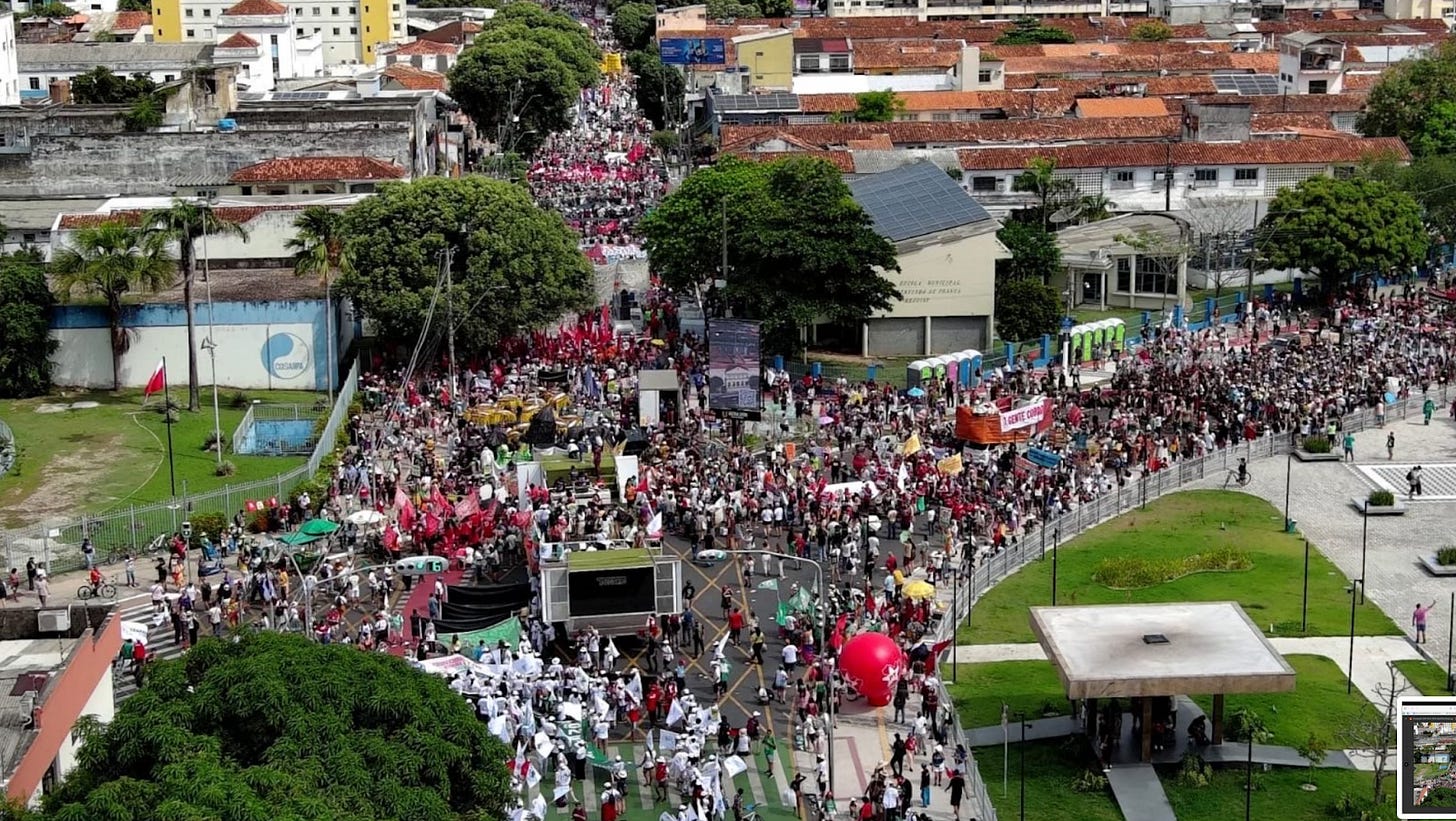
The Peoples summit was created in 2022 as a counter to Biden’s failed 9th Summit of the Americas. It is a space for collaboration between people such as activists, unionists, indigenous groups, grassroots organizations, and other creative minds. The people attending spend three days listening to and learning from each other in an attempt to imagine a better world and amplify voices of communities most affected by climate change. There are debates, discussions, workshops, shared art, music, performances, and speakers. The peoples summit differs from COP because it is focused primarily on movement building not decision making over international climate agreements. It is run by the people, for the people.
Share Unbracketing the possible
I wasn’t entirely sure what I was expecting out of COP, and I’m not entirely sure whether it has met the expectations I did have, but I do know that coming out of the first week I am significantly more pessimistic about the sort of top-level, omnilateral climate diplomacy that is widely touted here but significantly more optimistic about every other level of climate diplomacy from the multilateral down to the local, the sort of projects that are pushed to the periphery by leaders eager for announceable buzzwords but over time will add up to more genuine progress than the top-level agreements ever could.
Much has been said about the deficiencies in the COP process and how it has dragged its feet and bent the emissions curve only at a glacial pace (and glacial may be generous given the rate of glacier retreat), but that belies another question: Why did we expect it to do better? Why did we put Saudi Arabia and Vanuatu in a discussion about Saudi Arabia’s wealth and Vanuatu’s survival, require them to agree, and think that it would deliver strong results?
Meanwhile, smaller, equally involved but less nitpicky ventures can make great progress astonishingly quickly, such as the speed of the energy transition in China or the Brazilian state of Rondônia (historically by far the worst in terms of destruction of the Amazon) reducing deforestation by 40% between 2024 and 2025 by empowering everyone from military-backed firefighters to rural schools to Indigenous people.
As far as the contrast between the negotiations and everything surrounding them goes, I don’t think I’ve ever seen a better embodiment of “think global, act local.”
There’s no single path to solving the climate crisis, just as there’s no single way to step into the spaces where major decisions are made. People come with different experiences and priorities making it extremely difficult to reach consensus on change. As such the role of the NGOs in the climate space is an important one. By translating the political jargon and climate science they connect the stories of the common people at the grassroots level with the policy in these spaces. These NGOs have been organised by the UNFCCC into constituencies to organise the interests of specific demographics and represent their perspectives with other organisations that share similar beliefs. COA enters this space in 2 ways one as an academic institution through RINGO and also ENGO through Earth in Brackets, a member of DCJ (Demand Climate Justice).
Representation through this laborious process is slow and as inefficient can hold some merit. Our delegates have been learning and speaking out giving interventions whenever possible trying their best but it is not enough.
Unfortunately we do not have the time. The truth is with the climate crisis worsening we need action from within the negotiations. Market based false solutions persist.
As week 1 of the formal COP ends the Peoples COP has come to a conclusion and after 2 years of collaboration with over 70,000 people they declared that “The capitalist mode of production is the main cause of the growing climate crisis.”
If this is really to be a COP of the Truth how will these differences be negotiated, if even discussed at all.
Next week, we’ll share more as new challenges and lessons emerge.
Some informative links that are worth looking at:
No posts
Comments
Nothing yet. Say the first thing.
Sign in to join the conversation.