
Reading this post will take you only 4 minutes and 30 seconds.
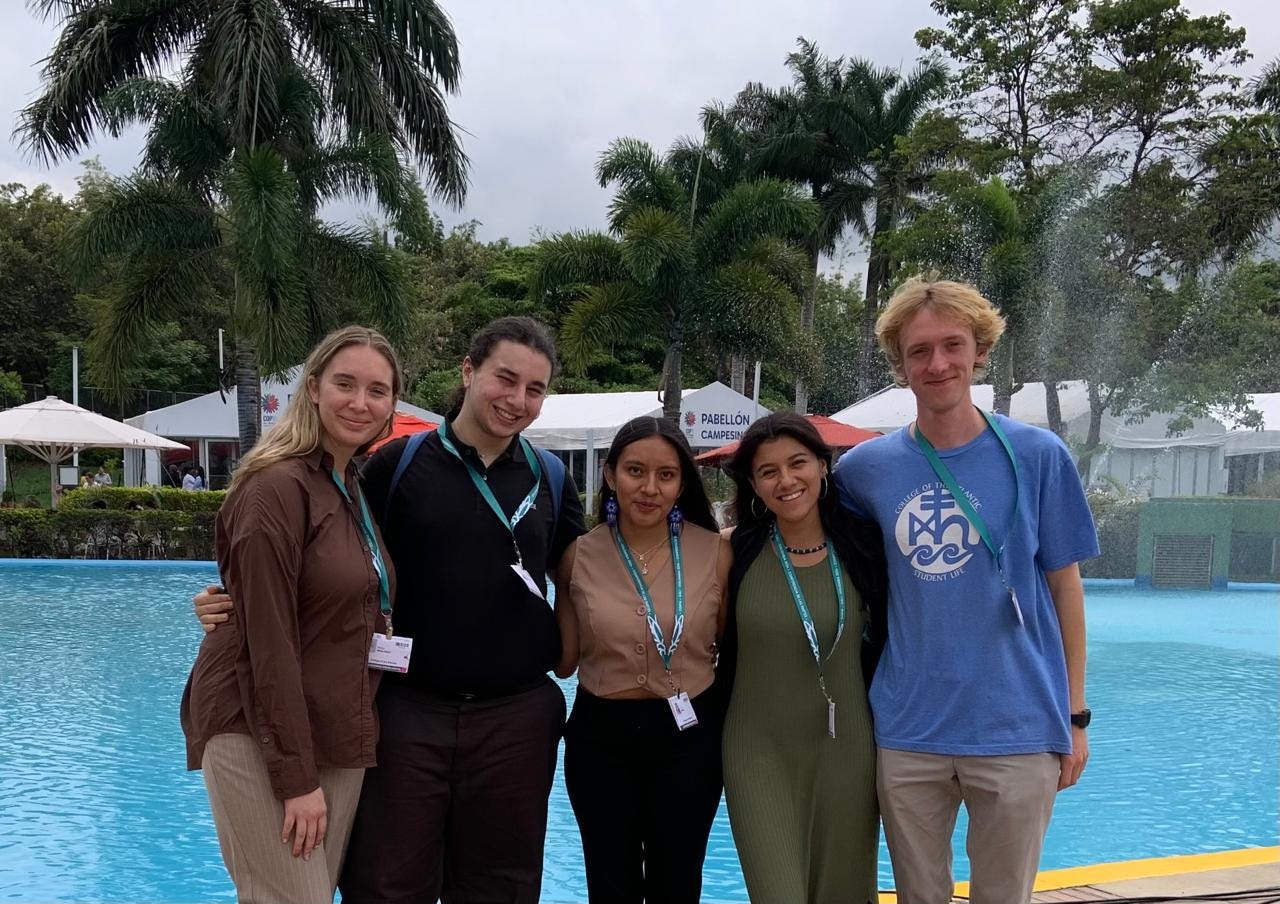
A group of COA students arrived in Colombia this past Saturday to attend as observers the 16th Conference of the Parties (COP) to the Convention on Biological Diversity (CBD) that is taking place from October 21 to November 1, 2024, and here I am, reporting back!
The Convention on Biological Diversity (CBD) is an international treaty adopted at the Earth Summit in Rio de Janeiro (Brazil) and entered into force in 1993. The Convention has three main objectives:
The conservation of biological diversity;
The sustainable use of its components;
And the fair and equitable sharing of the benefits arising from the utilization of genetic resources.
In the discussions at the COP, progress in the objectives of the treaty is reviewed, political decisions are made, and measures are taken to promote biodiversity conservation and sustainable use. There, agendas and commitments for global action are established about the conservation of biodiversity and ecosystem services, as well as addressing challenges such as the climate crisis, the loss of natural habitats, and the overexploitation of natural resources, among others.
COP16 is the first since adopting the Kunming-Montreal Global Biodiversity Framework (KMGBF) in 2022, the new roadmap to stop and reverse biodiversity loss globally. The KMGBF has 23 goals with a projection for its fulfillment to 2030. Now, how do we make sure that these goals are met? Above all, how do we ensure that the ways to meet these goals are presented as real solutions and do not continue to generate more biodiversity loss and harm local communities?
One of the main focuses is on National Biodiversity Strategies and Action Plans (NBSAP); these are the main instruments for implementing the CBD at national levels and must be submitted in this COP by each country.
“So far, less than 20% of Parties have submitted a revised NBSAP, and around half have submitted national targets that align with the GBF. Parties have to complete this task as soon as possible, in a participatory, and meaningful manner, with a human rights based and whole of government approach.” (CBD Alliance)
Resource mobilization will also be a key conversation, with the biodiversity funding mechanism and options for monitoring progress at the center of discussions.
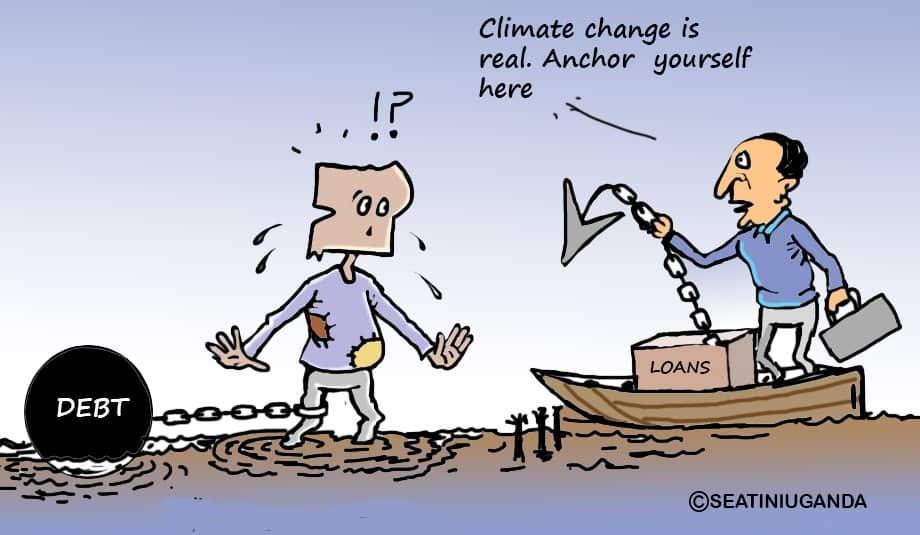
Reaching an agreement on the financial resources necessary to act in the face of the biodiversity crisis is crucial in this COP16.
Financial resources are needed for the NBS to be ambitious enough and the KMGBF goals to be met! Implementation and planning, monitoring, reporting, and reviewing will not be possible without money. That's why we should ask, what is fair when discussing money?
Developing countries have most of the world's biodiversity, so we bear the most significant burden when it comes to taking measures; that is, we continue to exploit our land to be able to "develop" (and pay for the external debts!). Rich countries have more responsibility to make commitments; they are obliged to provide financial resources to developing countries to meet their commitments. Why? Because they have a current and historical responsibility for the ecological collapse.
In this COP, civil society organizations affirm that developed countries must fulfill their obligations; imposing the burden on developing countries and communities is unfair. “A dedicated Global Biodiversity Fund, under the authority of the COP, can be designed to better respond to your needs while ensuring direct access for IPLCs, rights holders, women and young people, biodiversity custodians.” (CBD Alliance)
Funding for biodiversity protection is FUNDAMENTAL, BUT in turn, we MUST stop the financing that flows towards destroying biodiversity, that is, towards false solutions. *What are false solutions? Open this link to read more about it
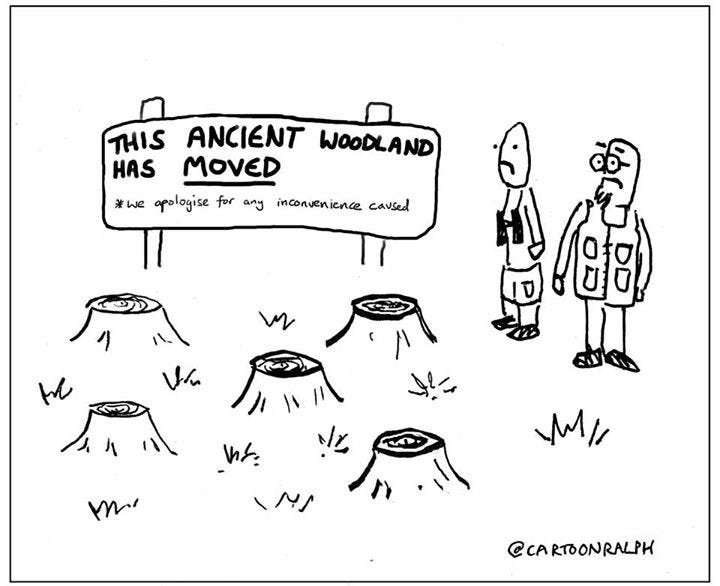
A false solution we have heard about these days in the COP is Biodiversity credits and offsetting that promote and normalize the idea that the loss of biodiversity and nature in one area can be compensated for elsewhere as if a complex and ancestral ecosystem could be replaced, as if biodiversity could be understood only as a collection of trees and not by the multiple relationships that exist within it.
This approach raises ethical and ecological concerns. The compensation of biodiversity is marketed as a conservation solution. However, this conservation can restrict access to land, affecting the livelihoods of local communities, especially indigenous peoples for whom their connection with the environment cannot simply be replaced.
Industries mostly responsible for environmental degradation, such as fossil fuels and mining, leverage the compensations to claim that they support conservation, even though they often result in the loss of critical habitats. This leads to a troubling double land grab: one for economic development and another under the guise of environmental protection. (GFC)
Well, there are many things to pay attention to, and we could speak about it for hours..So for now, stay tuned to the following newsletters to hear more. And, of course, if there is something you would like us to talk about, send us a comment, and we will be happy to cover it in the following editions!
Thanks for reading Unbracketing the possible! This post is public so feel free to share it.
No posts
Comments
Nothing yet. Say the first thing.
Sign in to join the conversation.