
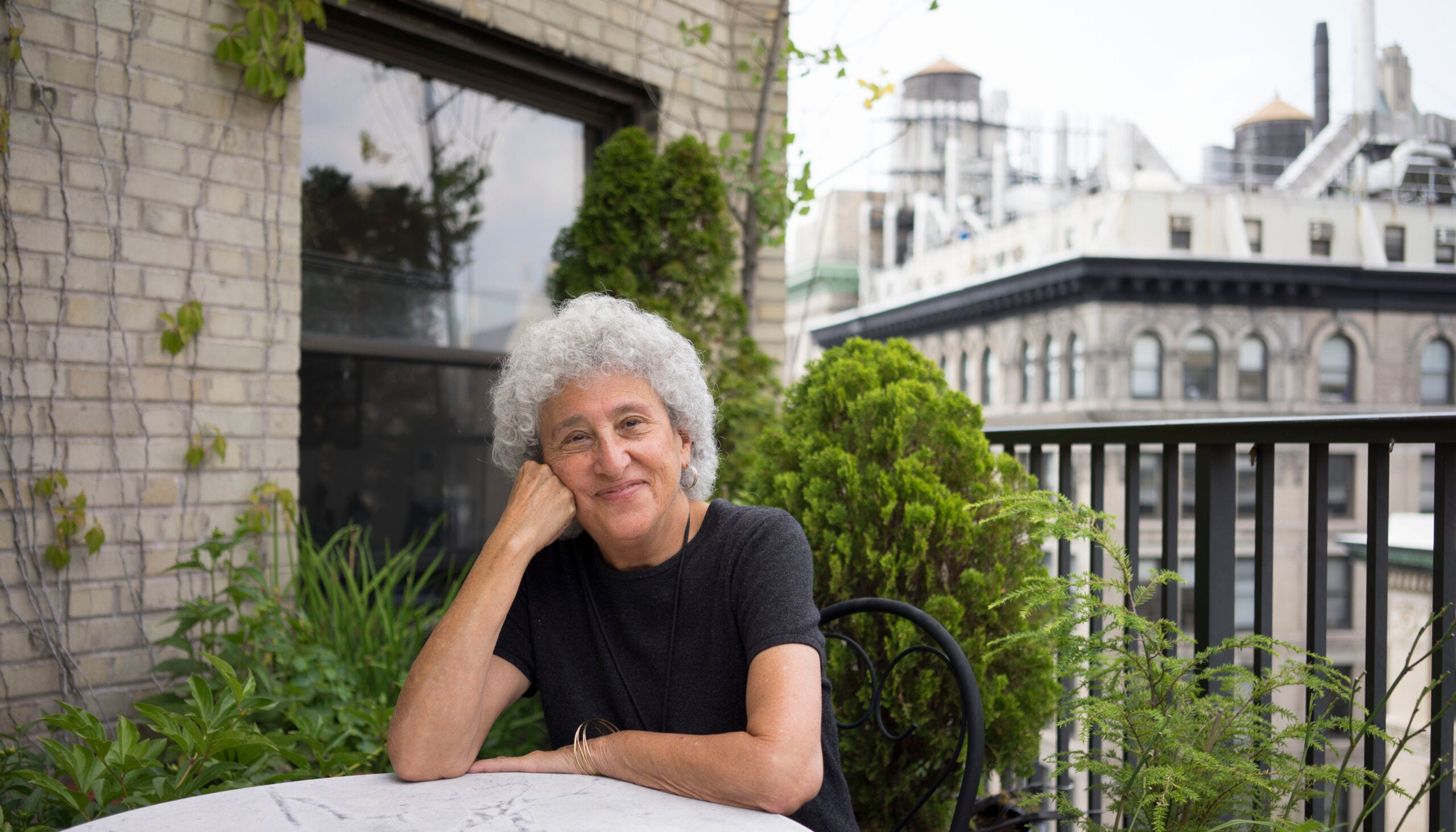
Earlier this month, Dr. Marion Nestle appeared on a panel with Calley Means, a senior adviser to RFK Jr., at the Aspen Ideas Festival to discuss America’s health crisis and the Make America Healthy Again movement.
Few people are better qualified for that conversation.
For decades, Marion, a nutrition scholar and leading food-policy expert, has been one of the country’s most influential voices exposing how corporate power shapes the food system and undermines public health. Her work helped inspire my own passion for examining nutrition and health through a public policy lens. Her landmark book Food Politics revealed how the food industry uses its economic and political power to influence nutrition policy, shape what Americans eat, and protect its profits. She has spent much of her career fighting for stronger food regulation, better school meals, restrictions on marketing foods to children, and greater transparency around industry influence.
In other words, she has spent decades advocating for many of the things MAHA now claims to represent.
But that did not stop Calley Means from falsely attacking her.
During the Aspen discussion, and again several days later in a public speech, Calley claimed that the sugar and tobacco industries had funded Marion’s research in the 1980s and paid her to promote carbohydrates and grains.
None of that is true.
Marion has since published a detailed response correcting his claims line by line. You can read that here.
Rather than engaging in a good-faith disagreement about nutrition policy, Calley made false claims that completely misrepresented Marion’s career. And those ad hominem attacks are especially revealing in light of the measured, evidence-based assessment she offers in her follow-up piece: What has MAHA actually accomplished?
Marion has graciously given me permission to republish her assessment of MAHA’s progress here. In it, she takes the administration’s major food-policy promises one by one and asks what has actually been delivered.
Here is her assessment.
By Marion Nestle
Originally published on Food Politics and republished here with permission.
The Trump administration’s Make America Healthy Again (MAHA) commission set an important goal, albeit one ironically similar to Michelle Obama’s “Let’s Move” campaign: end childhood chronic disease. Unfortunately, hallucinated references in the report suggested that at least some of it had been written by AI, thereby detracting from its scientific credibility.
Trying to achieve this goal is surely difficult within the context of drastic staff reductions in the HHS and USDA agencies responsible for food policy, and the deliberate undermining of public confidence in basic public health measures like water fluoridation and vaccination; these actions will harm child health, not improve it.
Also, policies of EPA (approving PFAS, encouraging coal-burning power plants), of USDA (eliminating farm-to-school programs, cutting school meal budgets), and of presidential executive orders (glyphosate) directly oppose MAHA goals.
In September 2025, the commission outlined its strategies. Here are its main promises about food, and my understanding of what has been done about them to date. [STAT lists non-food ones as well. I wrote about its report here]
Accomplished. I wrote about them here. They have some strengths (eat real food; limit ultra-processed foods), but are undermined by errors, inconsistencies, and ideological interpretations of inconvenient science. More recent recommendations of the American Heart Association better reflect scientific consensus.
Accomplished, but voluntarily. To date, 27 food companies have agreed to replace these dyes with those derived from plant sources. Voluntary could mean that the change won’t last; these foods will still be highly processed.
In progress, but no rulemaking or regulation as yet.
In progress, but rumored to be held up.
In progress, but rumored to be held up. RFK Jr has stated that the FDA is working on one with traffic light colors. We haven’t seen it yet.
In progress, but no rulemaking as of yet. It is hard to know how the FDA will do this, given that it has lost 20% of its staff.
In progress. Operation Stork Speed is supposed to review nutrition standards and test for heavy metals, but says nothing about microbial safety, a huge issue right now. The FDA is checking for heavy metals, and isn’t finding much. A program to monitor foods in general for heavy metals has been announced. Microbial safety? I’m not hearing much about stronger regulation of infant formula.
Nothing on this.
In progress. Presumably, this will happen as a result of the dietary guidelines, but I’ve not seen rules.
In progress. A letter was sent to hospitals saying that federal benefits would be withheld if they did not comply. And HHS has just urged hospitals to take the ‘Make Hospital Food Healthier’ pledge. This is voluntary, and it is not clear whether or how it will be enforced. Also, medical schools have been asked to increase hours devoted to nutrition instruction, and some have agreed. Again, this is voluntary.
Nothing on this.
In progress. Presumably, this will happen as a result of the dietary guidelines, but no rules yet.
Accomplished (maybe). The USDA has approved waivers for 23 states as of July 2026. These ban the use of federal SNAP dollars for sugar-sweetened beverages and, in some states, candy and other sweets. Will the waivers improve the diet and health of participants? We don’t know yet. But since July 2025, SNAP enrollments have dropped by 10% overall and by much greater percentages in some states; losses include more than 800,000 children in the 13 states that report these data. Advocates expect the waivers to make participation even more difficult. Furthermore, the state SNAP waivers are being litigated, and some have been blocked. The waivers may not last.
I’ve heard nothing on this yet.
Accomplished. Will this make a difference to kids’ health? I doubt it.
Nothing on this yet. NOTUS reports: “The White House killed an RFK Jr. ad campaign. He can blame Kristi Noem: Trump officials abruptly canceled the health campaign focused on processed food and diabetes over cost and image concerns.
This administration counts much of the work in progress as MAHA wins, but the actual accomplishments seem limited. The promises most likely to make a real difference to child health—regulation of ultra-processed foods and marketing to kids, better food in schools, and a major education campaign—are either held up, ignored, or still waiting for rulemaking.
When I said something like this to Calley Means at the Aspen Ideas Festival (see yesterday’s post), he pointed out that MAHA has had only a year and a half to get things done, whereas advocates like you, Marion, had been trying to do these things for decades and had failed. We did fail, but MAHA has (or had) the power. I hoped they would be able to use it. Their inability to do so is disappointing, as is their taking credit for actions they haven’t yet taken.
If you value this work and are able to support it, please consider becoming a paid subscriber. Every subscription helps make it possible for me to keep doing this work and reach more people.
Comments
Nothing yet. Say the first thing.
Sign in to join the conversation.