
Before I became a scientific researcher and dietitian, I was a chef on superyachts.
From the outside, it looked like a perpetual holiday. Chasing the sun from the Mediterranean, across the Atlantic (three times), to winter in the Caribbean. Less so from the inside, where I’d often start at 6:30am and not stop until 11pm.
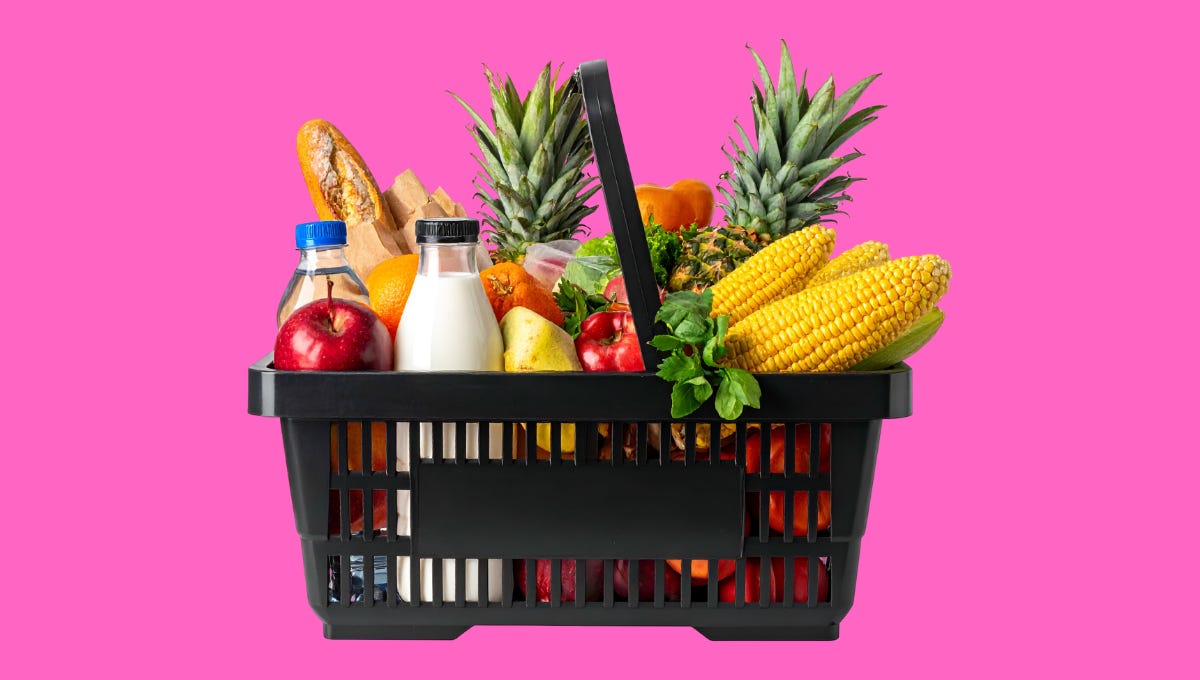
With long stretches at sea and a lot of people to feed, provisioning meant hours in the supermarket. Three or more fully stacked trolleys were a standard shop for a big trip (thank goodness for a billionaire’s credit card).
I got very good at knowing what to always have around, so that even if we were delayed at sea, I’d be able to whip up something tasty and healthy for guests and crew.
I still shop in the same way, but now for my own fridge.
These are the 37 items I always have in the fridge, freezer and cupboard that take the guesswork out of healthy eating. So for the days you’re staring into an open fridge at 6pm with no idea what to make, you’ve always got something simple to rustle up.
Paid subscribers get:
A tickable shopping list for all 37 items, with their fibre and protein per portion (scroll to end to download).
On a boat you live, work, sleep and eat together in a tiny space, in a way you never would in the real world (unless maybe prison).
And as the chef, I learnt fast that everyone eats differently. Different likes and dislikes, different patterns of eating. So take from this list what works for you, and leave the rest.
These are my staples rather than everything I buy. Each week I’ll swap a few things in or out, maybe there’s a rice noodle dish I want to make, or an ice-cream flavour I fancy.
You won’t see any chicken, beef, lamb or pork, because I’m eating less meat at home for ethical reasons. Though when I’m out I eat what I like.
I engineer my shopping list around four things.
30g of fibre a day
At least 1.2g of protein per kilo of body weight a day
Half my plate veggies at main meals
A variety of colours and food groups
There's a bit more to it than that, but reach those most days, and you're most of the way there. And the final part? Foods that you enjoy!

Dairy:
As I don’t eat much meat, dairy is a helpful protein source, so I often pick the higher protein options.
Semi-skimmed milk - higher in protein than most plant milks, lower in saturated fat than whole, but still with some fat to help absorb the fat soluble vitamins. And because I prefer the taste.
Skyr/Greek yoghurt/kefir - Skyr and Greek yoghurt are higher in protein than standard yoghurts (note, this isn’t “Greek style” which is lower). Look for “live cultures” on the pack, or add a splash of kefir for a microbial boost.
Cottage cheese - as a side dip with herbs or chopped sun-dried tomatoes, alongside fish, or stirred into potato salads or pasta sauces for creaminess.
Feta/halloumi - I love cheese, and would happily have far more types in my fridge, but they’re expensive! These two are cheaper and go with almost anything, roasted veggies, on top of a bean chilli or in a salad.
Fish/eggs:
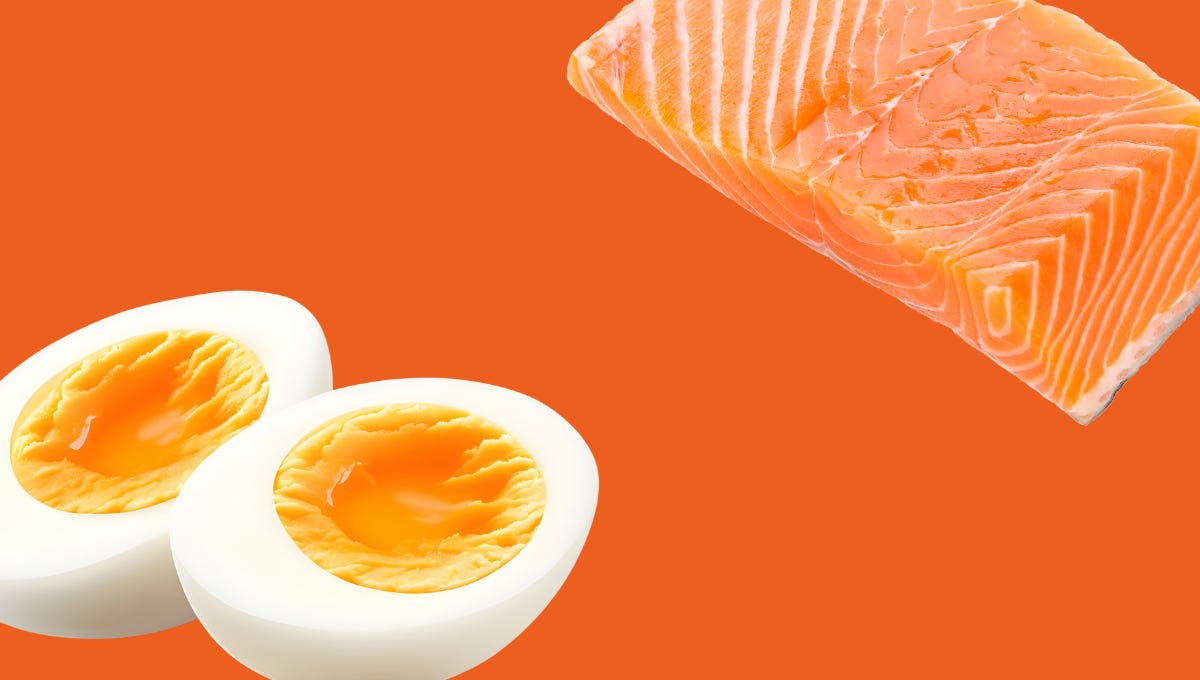
I’ll try to eat oily fish at least twice a week for the omega-3s. Eggs are always useful to have around, though for breakfast I’ll go for 3 eggs on toast rather than 2, to get 25g protein in that meal.
MSC or ASC certified salmon or trout - my go-to for a speedy lunch, air fried alongside a wholewheat couscous salad or roast sweet potato and greens.
MSC or ASC certified ready-cooked king prawns - simple to add to almost anything, tomato pasta, veggie noodle stir fries, salads.
Eggs - on top of rye pumpernickel-style bread for breakfast, or a wholewheat quesadilla for lunch stuffed with eggs, black beans, feta, tomatoes and coriander, topped with guacamole.
Fruit, veg, and other plants:
Mix of in season fruit e.g. nectarines, cherries, pears, apples, bananas, easy peelers - I’m a very keen fruit eater. With yoghurt and nuts for breakfast, in a smoothie, peach or mango slices in a salad, or just as a snack. I keep a bowl of it out on the coffee table, which looks beautiful and works as a nudge to actually eat it.
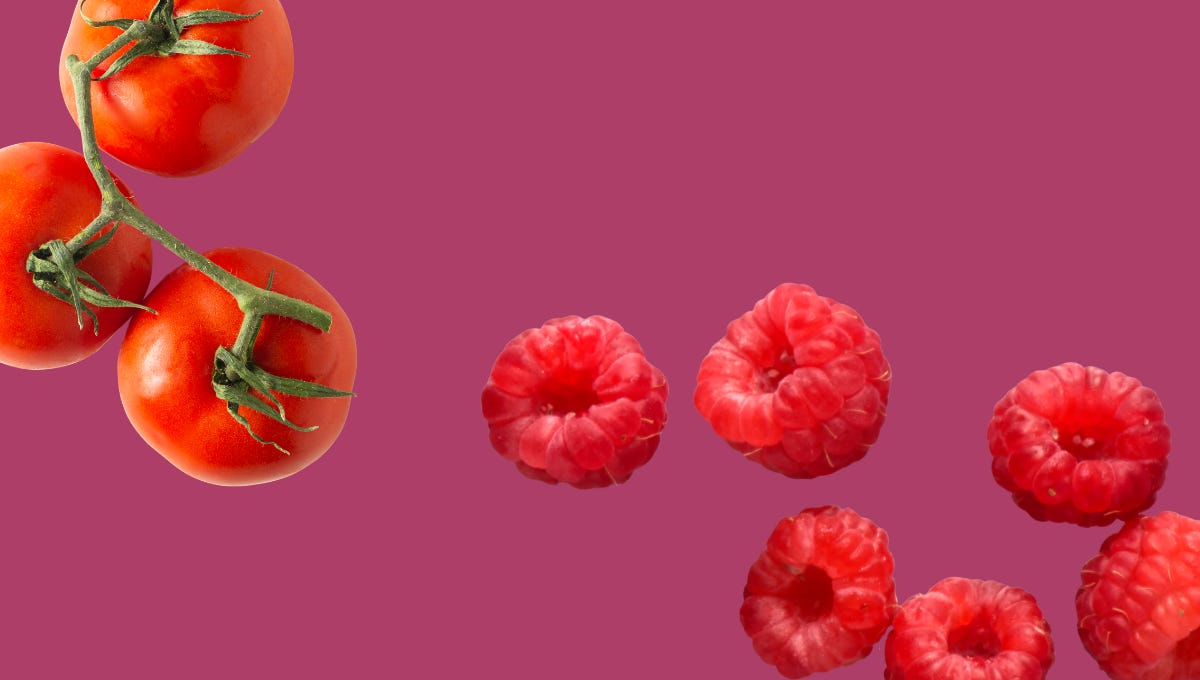
Fresh berries (in summer) - raspberries and blackberries are among the highest fibre fruits, thanks to the small seeds they contain. Berries are also linked to better brain health as we age, I eat them most days. In winter I go for frozen, which tend to be cheaper.
Mix of in season veggies e.g. green beans, broccoli, courgettes/zucchini, spinach and salad leaves, aubergine/eggplant, squash and root veggies - like fruit, I mix this up week by week. I go for the variety packs where I can, mixed salad leaves or pre-cut mixed veg, which makes life easier and gets more diversity in for your gut microbes.
Tomatoes - for most things I’ll get the standard supermarket option. Not tomatoes, which taste sad and watery. Instead I’ll choose whichever premium option is on offer, which often tastes a lot better.
Fresh herbs - make most dishes taste better, and happen to be some of the most nutrient dense plants in the supermarket.
Sweet potatoes/white baby potatoes - I switch between them. Either a whole sweet potato roasted, or wedges in the airfryer. With baby potatoes I’ll cook a batch and use half for potato salads, roast the other half.
Hummus - can I make my own hummus? Yes. Do I bother? No. Great as a snack or side sauce, see cottage cheese above.
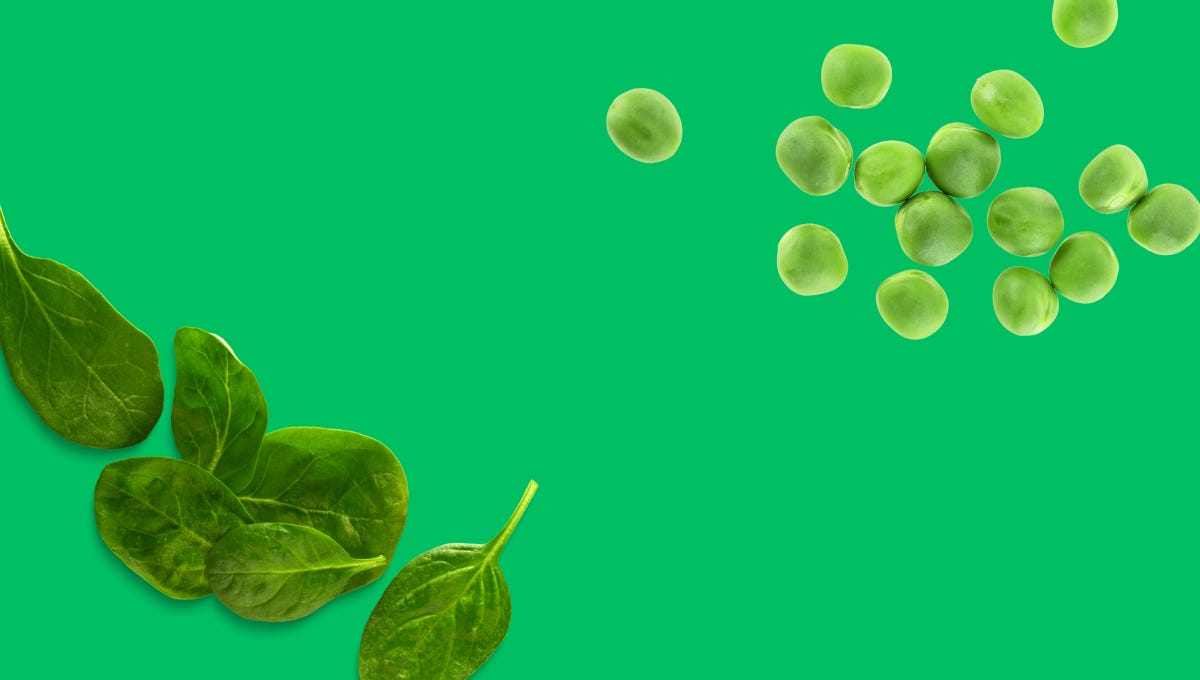
My freezer often looks more colourful than my fridge, with shelfs of frozen greens and a rainbow of fruit. That’s because it’s often cheaper, there’s less waste, and I’ll always have something on hand to make into a meal.
I also firmly believe in having at least one frozen meal in there for rainy days, whether you’ve made it yourself or bought it.
A go-to five minute freezer meal - for the days you just can’t, or don’t want to, cook. It’s saved me a fortune in food delivery fees, and hits the comfort food spot. My current favourite? All in one pan, boil gyozas with a very generous amount of frozen spinach and peas, drain, then toss with lashings of toasted sesame oil and soy sauce. When I want it more comforting, melt butter in with the sesame oil and soy, with prawns and toasted seeds on top.
Frozen spinach and frozen peas - see above.
Frozen fruit (for smoothies) - I’ll blend fruit with rolled oats, chia seeds, flaxseeds, protein powder and milk, for 10g fibre and 25g protein.
Nuts and seeds:
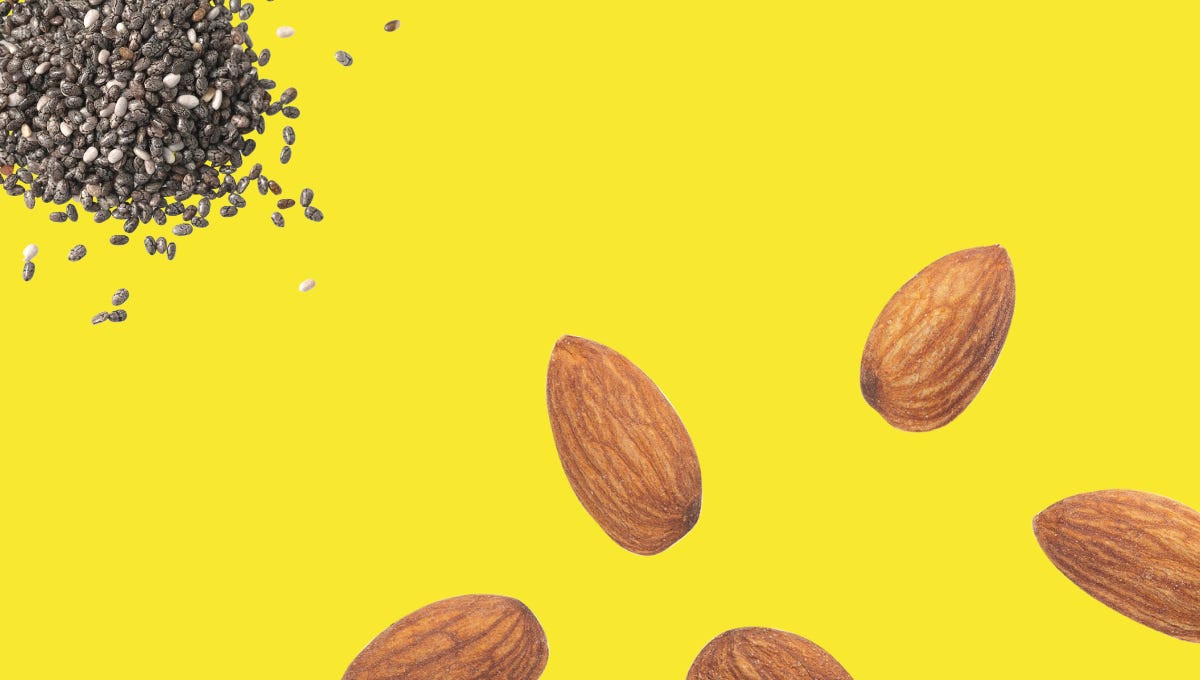
I pick these because they’re some of the highest fibre nuts and seeds. Chia seeds and ground flaxseeds I stir into my morning yoghurt or whizz into a smoothie.
Whole almonds - with skin on. The skin is rich in polyphenols and adds a little extra fibre.
Chia seeds
Pumpkin and sunflower seeds
Ground flaxseeds
Hemp seeds - it's often harder to hit 25g or more of protein in a sweet breakfast than a savoury one, and hemp seeds give a sweet breakfast a boost of both protein and fibre. Stir into yoghurt, overnight oats or porridge, or sprinkle over banana bread with almond butter and blueberries.
Grains:
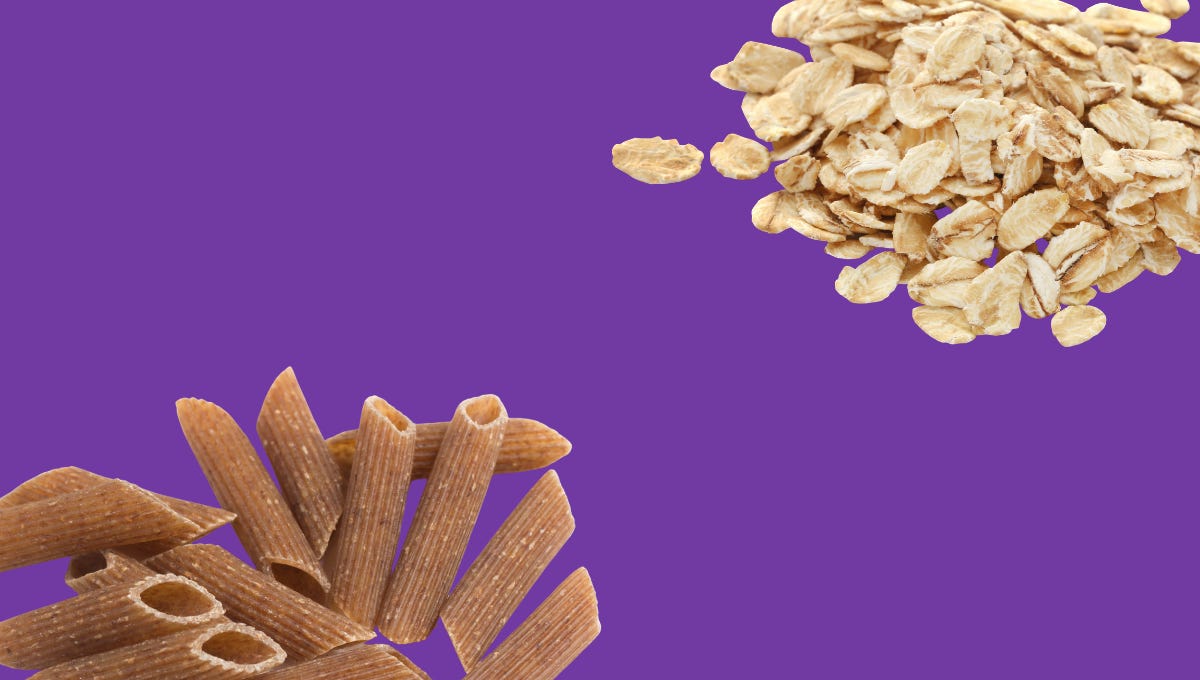
I choose the wholewheat or wholegrain versions most days.
Rolled oats - for overnight oats, porridge, or added to smoothies.
Wholewheat giant couscous - giant because I prefer the texture to regular.
Wholewheat pasta - I genuinely prefer it, and you stop noticing the difference quite quickly.
Wholewheat wraps
Rye pumpernickel-style bread - some brands have up to 7g of fibre per slice, so have a look at the back of the pack to compare. Not everyone likes the flavour though, so go for another bread if you’re not a fan.
Oatcakes/rye crackers - a higher fibre snack with hummus, or topped with cheese and fermented veggies.
Beans and lentils:
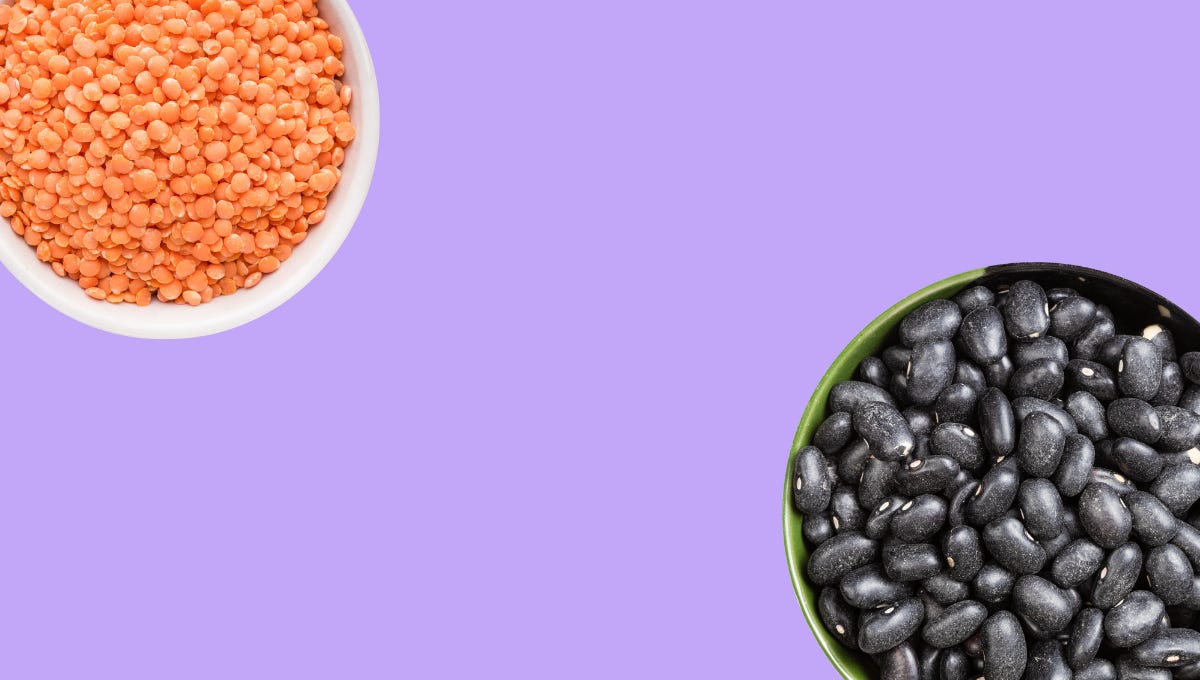
I eat beans once or twice a day, most days. Any beans and lentils are great high fibre options, and I love them all, so these are just my current favourites. I’ll blend them into dips, add them to sauces, pastas and salads. They add plant protein too.
Black beans
Chickpeas
Dried red split lentils - more a winter go-to. They don’t need soaking, so they go in dry straight into curries, stews and soups.
Ready-cooked puy lentil sachets - unlike a tin or jar, these come cooked but dry, so there’s no bean stock to drain. Great for adding texture to salads, and they hold their bite in a dressing.
If you’re new to beans and lentils, add them in a little at a time. They’re high in fibre, especially a type of prebiotic fibre your gut microbes love, which can cause a bit of wind or bloating until your gut adapts.
Misc:
Tomato passata - I love pasta, specifically tomato pasta. I buy passata rather than a ready-made sauce because it’s cheaper, and it tastes better, particularly if you cook a little garlic in some good olive oil first.
Coffee - my morning routine is a latte and climbing back into bed, with the bedroom door open onto the garden.
MSC or ASC certified canned tuna - always useful for days when the fridge is close to empty.
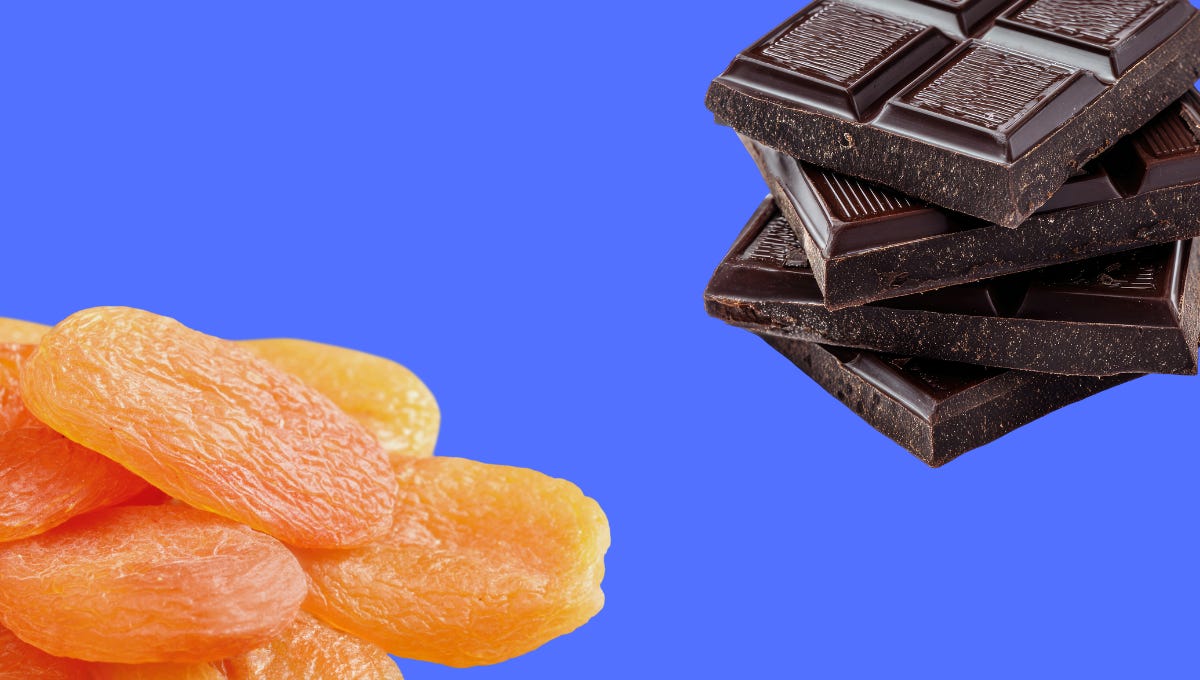
80% dark chocolate - my “most days” chocolate. I often have it with a handful of dried apricots or prunes, or some fresh fruit. I love all chocolate, so if I reach for another type it’s because I really fancy it.
Dried apricots/prunes - see above
Comments
Nothing yet. Say the first thing.
Sign in to join the conversation.