
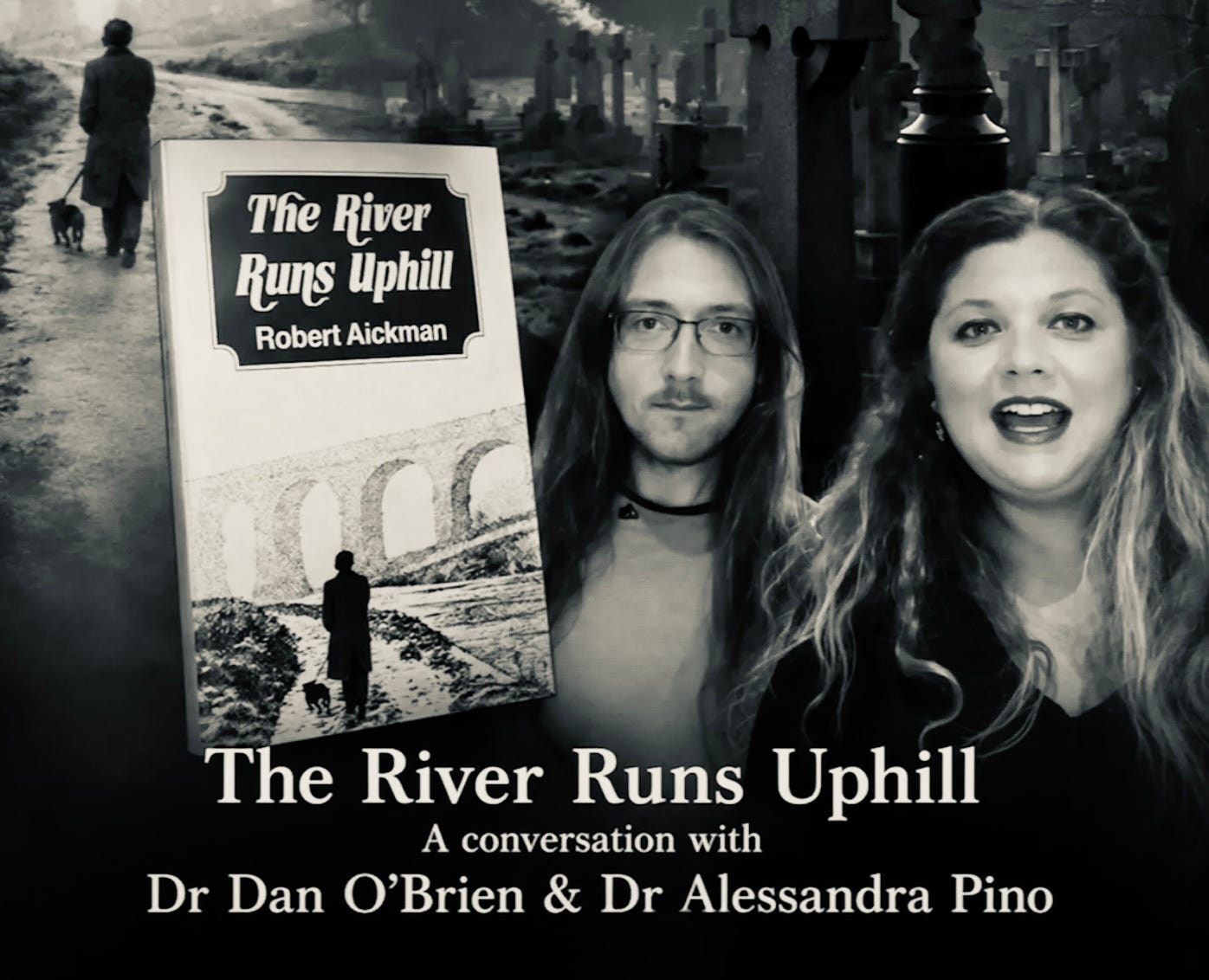
There is a curious irony in reading Robert Aickman’s The River Runs Uphill while writing a book about rivers. I came to the memoir expecting to learn something about Britain’s inland waterways, perhaps to gather a few historical details that might prove useful for The River Remembers: A Gothic Voyage through Forgotten Histories of the Thames the book Dan O’Brien and I are currently writing. Instead, I found myself reading a work that repeatedly asked me to do something much more difficult than conduct research. It asked me to slow down.
That sounds deceptively simple. We often speak about slowing down as though it were a lifestyle choice, a luxury we occasionally allow ourselves during a weekend away or a walk in the countryside. Aickman means something altogether different. He is asking us to reconsider the pace at which we observe the world and, by extension, the pace at which we remember it. Long before mindfulness became fashionable, he understood that attention is not merely a way of looking. It is an ethical act. The landscapes we choose to notice, the buildings we choose to preserve and the stories we decide are worth telling all reveal something about the values of a society.
When Dan and I sat down to record this month’s conversation for A Curiouser Appetite, we quickly realised that we were talking about far more than canals. Aickman’s memoir became a way of thinking about cultural memory, heritage, disappearance and the curious relationship between people and place. Like many of the books that have shaped my research over the years, The River Runs Uphill turned out to be less interested in providing answers than in teaching its readers how to ask better questions.
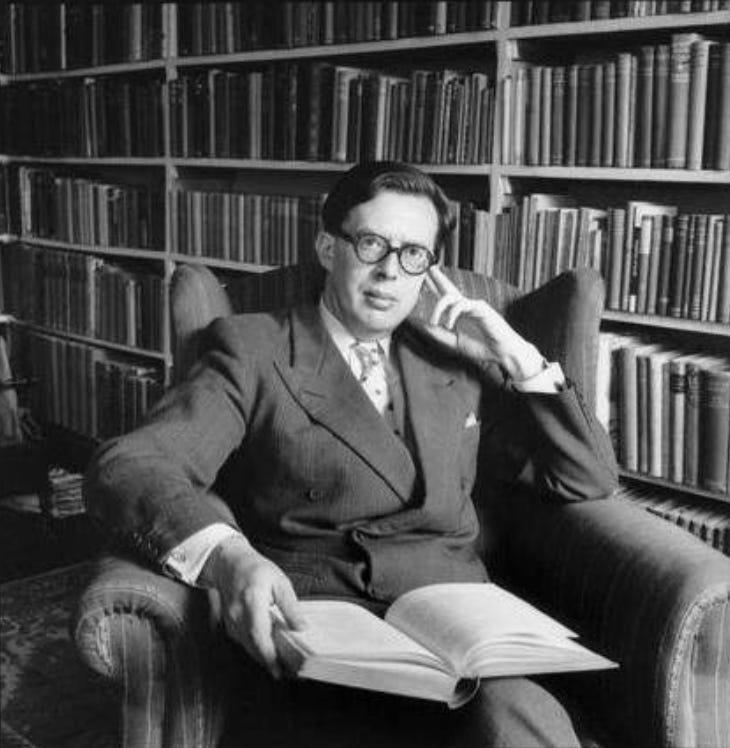
Most people encounter Robert Aickman through his fiction. He is remembered as the master of the strange story, a writer whose unsettling tales continue to resist neat classification. His ghosts rarely behave like conventional ghosts, and the uncanny in his work often emerges through atmosphere rather than spectacle. Yet alongside this literary career ran another lifelong commitment that, at first glance, appears entirely unrelated. In 1946, Aickman helped establish the Inland Waterways Association, dedicating decades to campaigning for Britain’s canals at a time when many regarded them as relics of an industrial past with little place in the modern world. The more I read his memoir, however, the less these two sides of his life seemed distinct. His fiction and his conservation work share a fascination with places that have slipped from public attention and with histories that continue to linger beneath the surface of everyday life.
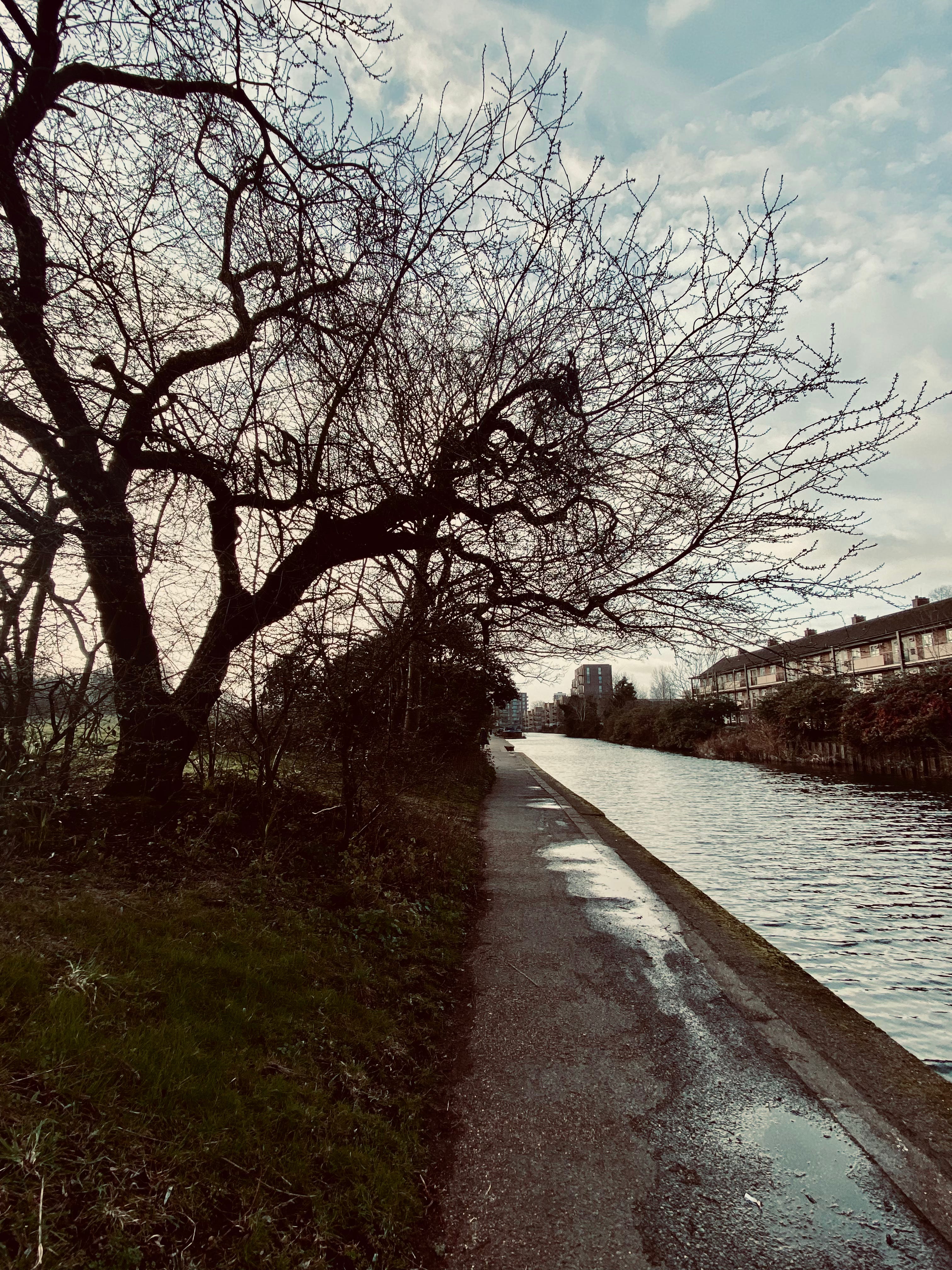
One observation from our discussion has stayed with me ever since we stopped recording. Dan remarked that a river and a canal belong to fundamentally different kinds of landscape. A river is shaped by geology and time. A canal is imagined, engineered and maintained through human labour. Every lock, bridge and embankment represents countless decisions made by surveyors, labourers, engineers and local communities over generations. A canal therefore carries two histories simultaneously: the movement of water and the movement of people. It is impossible to separate one from the other.
That distinction transformed the way I thought about The River Runs Uphill. Although Aickman appears to be writing about waterways, his attention continually returns to the lives organised around them. Lock keepers, boat families, engineers, volunteers and enthusiasts drift through the memoir, gradually replacing the canals themselves as its true subject. The waterways become repositories of human experience, preserving traces of work, friendship and shared purpose long after the communities themselves have faded from view.
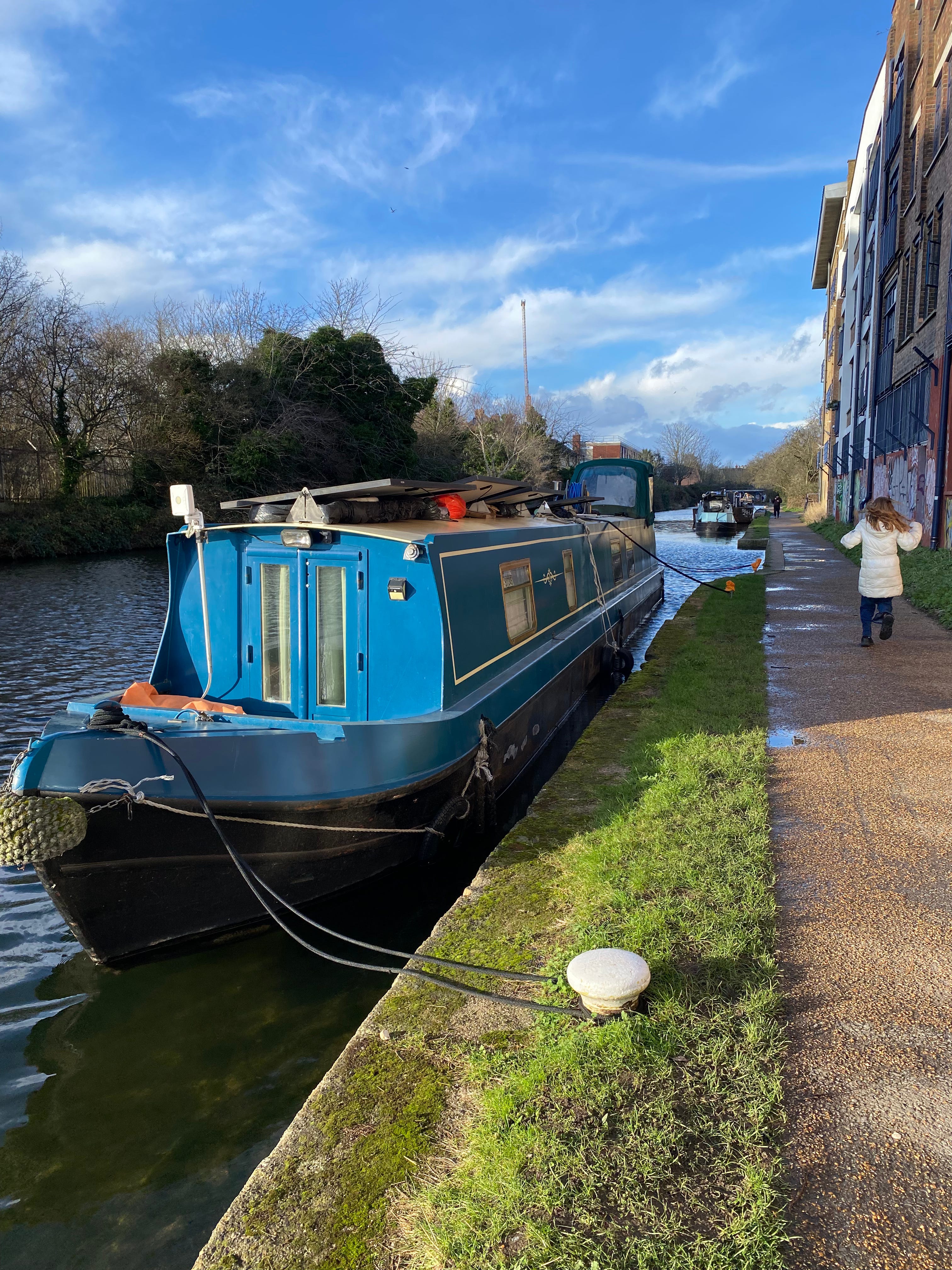
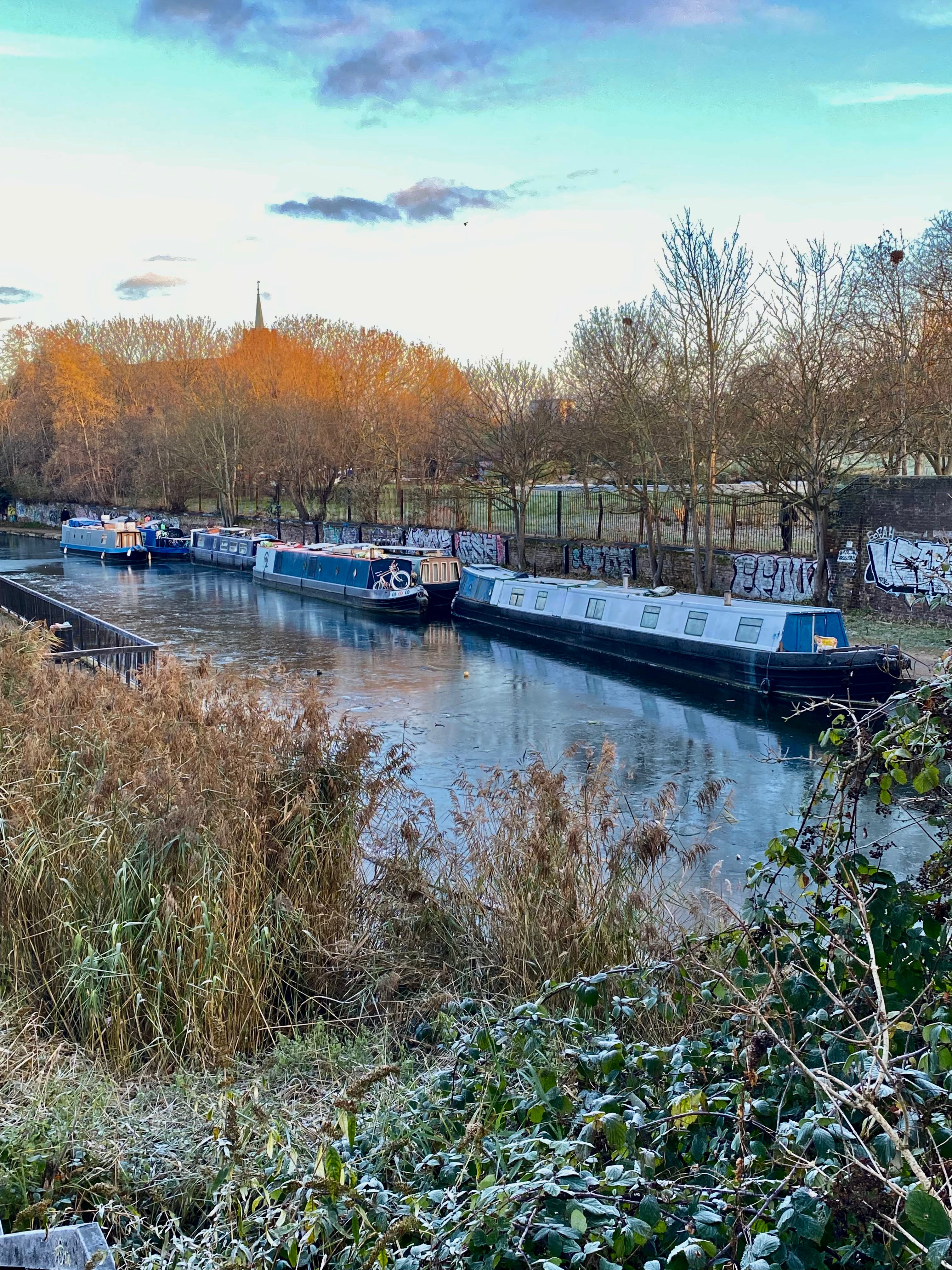
Today we encounter canals very differently. We walk along towpaths with takeaway coffee in hand, admire brightly painted narrowboats and speak about these waterways as peaceful escapes from the pressures of urban life. It is remarkably easy to forget that this tranquillity is relatively recent. For much of their history, Britain’s canals were busy industrial arteries carrying coal, timber, stone, grain and manufactured goods across the country. Lock keeper’s cottages were places of work before they became picturesque landmarks. Their quietness is not timeless; it is the consequence of enormous historical change.
This idea resonates deeply with the way I think about food history. One of the questions that has shaped my own research is how ordinary practices become invisible precisely because they are ordinary. Meals disappear once they have been eaten. Recipes survive only if somebody writes them down or continues making them. Traditions persist because they are repeated, not because they are monumental. Aickman approaches landscapes in much the same way. His canals are valuable because they hold the memory of everyday lives that might otherwise disappear unnoticed.
During our conversation, Dan spoke about mudlarking with the sort of enthusiasm that is impossible not to find infectious. Watching him describe the Thames is a reminder that archaeology is often an exercise in patience rather than certainty. The river offers no catalogue. It cannot be searched alphabetically. Instead, the tide decides what will be returned to us and what will remain hidden beneath the mud. That unpredictability feels profoundly different from working in an archive, where documents have been organised, classified and preserved according to systems created by people. The Thames follows no such rules. It is both archive and curator, revealing fragments of the past according to rhythms entirely its own.
I found myself thinking about this long after we finished recording. Historians often imagine discovery as something purposeful. We travel to archives, request particular documents and formulate research questions in advance. Mudlarking asks something else of us. It asks us to accept chance as part of historical enquiry. A clay pipe, a button, a shard of pottery or a worn piece of glass may appear entirely insignificant until someone pauses long enough to ask who last held it, how it came to rest in the river and what kind of life surrounded it. Those questions rarely produce definitive answers, but they invite a richer form of historical imagination.
One story Dan shared particularly captured this idea. Some years ago, he recovered an object that specialists suggested might belong to a mammoth’s tooth. That discovery immediately collapsed my own assumptions about the Thames. I instinctively associate the river with Roman London, medieval trade, Tudor pageantry or the docks of the nineteenth century. A mammoth reminds us that the river’s history extends unimaginably further back. Long before London existed, long before bridges crossed its waters or merchants sailed upon it, the river already possessed a memory of its own.
This immense temporal depth is one of the reasons Aickman’s memoir feels so contemporary. His concern is never simply with preserving structures. Rather, he is asking what disappears when a way of life vanishes. A canal can remain physically intact while losing the communities, skills and traditions that once animated it. Preserving the lock without remembering the lock keeper tells only part of the story.
That thought led us towards one of the more challenging aspects of the memoir. Reading historical texts responsibly means acknowledging the moments that jar against contemporary readers. We discussed passages where Aickman’s descriptions of race reflect attitudes that today are uncomfortable and exclusionary. Ignoring those passages would flatten the historical record, yet allowing them to eclipse everything else would be equally reductive. Books carry the assumptions of the cultures that produced them. Part of our task as readers is to recognise both their insights and their limitations.
The question that lingered with me afterwards was not whether Aickman should still be read. It was how we choose to read him. Heritage has always involved selection. Every museum display, restored building and commemorative plaque represents a decision about what deserves to be remembered. Equally revealing are the stories left untold. As Dan and I reflected on The River Runs Uphill, we found ourselves asking whose memories have traditionally shaped Britain’s waterways and whose have quietly drifted beyond view. That, perhaps, is one of the most valuable gifts historical texts can offer. They encourage us to notice not only what is present but also what is absent.
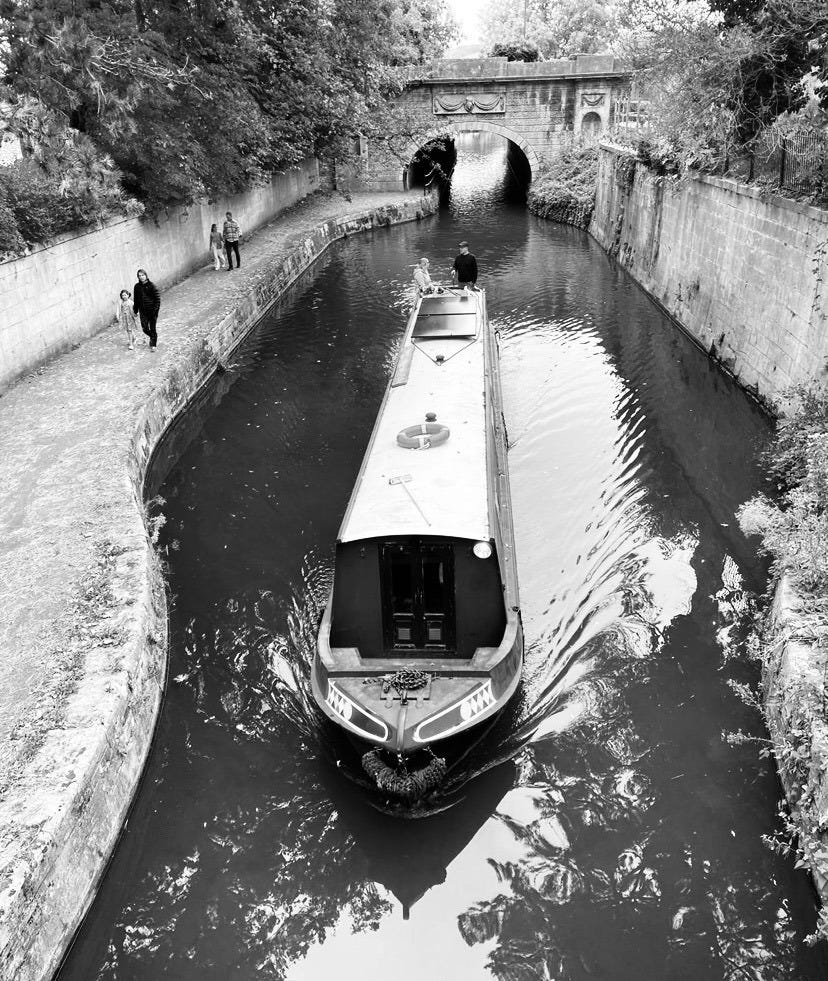
As we continue working on The River Remembers, I find myself returning repeatedly to Aickman's central lesson. Rivers and canals carry traces of labour, migration, trade, industry, leisure and loss, making them living archives of the communities that have shaped them. They preserve conversations as surely as they preserve clay pipes, connecting people across centuries through the memories embedded in their waters and along their banks. Above all, they reward attention.
Perhaps that is why this book has stayed with me more persistently than I ever expected. I began reading it because I hoped it would illuminate the history of Britain’s waterways. Instead, it changed the way I think about research itself. The past rarely announces itself with dramatic discoveries. More often, it reveals itself quietly, in overlooked landscapes, ordinary objects and forgotten routines. Our responsibility, as historians and as readers, is to cultivate the patience to notice.
I’d love to hear what you think. Have you read Aickman, or is there a book that has unexpectedly reshaped the way you look at a familiar landscape? One of the joys of A Curiouser Appetite is that these essays grow directly out of the conversations, books and ideas that are currently occupying my desk, so thank you for joining me as the research continues.
No posts
Comments
Nothing yet. Say the first thing.
Sign in to join the conversation.