
The New York Times ran an opinion piece on Monday arguing that too much has already been written about Christopher Nolan’s Odyssey.
“If I see or hear one more word about Christopher Nolan’s new version of ‘The Odyssey,’” Frank Bruni wrote, “I’m going to hurl myself into the nearest Charybdis.” I read that with some sympathy. Too much has probably been written about this movie, and the world doesn’t need my take on Zeus’s law or casting controversies or whether the helmet is historically accurate.
So, this isn’t that. I’m not writing about the movie. I’m writing about a single line in it, a book I published more than a year ago, and why I keep finding myself drawn back to this story.
Early in the film, Odysseus tells his men something like this: The power of a sacrifice is the cost it exacts from the one who makes it. It’s a throwaway line, delivered mid-voyage, but it stayed with me longer than the Cyclops or the storm sequences did.
For me the sacrifice that holds the film together isn’t Odysseus’s. It’s the twenty years. It’s everything he gives up — kingdom, wife, son, the version of himself that left for Troy — in exchange for the version of himself that finally sails back into the harbor at Ithaca. Homer framed Odysseus’s journey around a nostos — a homecoming. Add the Greek word for pain (algos), and you get nostalgia (literally, the ache to return home).
Like Odysseus, I have spent most of my life far from where I started out, and more recently a fair amount of time thinking about why I did that. This is the argument at the center of my most recent book, The Traveler’s Path: that, whatever adventure gene I may have inherited from my parents, it was never really about the travel. In the book, I lean heavily on the German word Sehnsucht, which C.S. Lewis (not a native German speaker) once defined as an “inconsolable longing” for we-know-not-what. I’ve come to believe it’s one of the most honest words we have for what it feels like to be human.
And so, watching Nolan’s Odysseus fight his way home, I found myself thinking about my own version of the hero’s journey. Joseph Campbell wrote that every journey ends with a return. The turning point in my own life was the quiet realization that, after years of setting out and going places and meeting people, something inside me had settled at last — which is more or less where my book ends, and what the film got me thinking about.
Here’s where Odysseus and I part ways, though, and where I think a preacher is obligated to say something a film critic isn’t going to tell you.
Odysseus’s nostos has an address. It ends at a specific harbor, in a specific bed, carved (Homer tells us) from a living olive tree that couldn’t be moved — home as something rooted, locatable, finished once you reach it. My own restlessness never worked that way. I have lived in New Jersey, Iowa, New Jersey (again), Pennsylvania, Illinois, Michigan, Florida, Switzerland, and the Netherlands, and if you’d asked me at any of those addresses whether I’d arrived, I would have said, “Well, no, but I’m getting closer.”
I used to think that was a flaw in me — some deficiency in whatever allows other people to feel at home. St. Augustine has been a big help in figuring this out. He once wrote: You have made us for yourself, and our hearts are restless until they find rest in you. I first read that sentence as a seminary student, liked it, but understood almost nothing about it. Restlessness like that, I now realize, doesn’t mean we’re broken; it just means we’re meant for somewhere else.
So, when Odysseus finally lays eyes on Ithaca after twenty years, I want to ask the question Homer never quite lets him ask: what if he’d gotten there and it still wasn’t enough? What if the ache that sent him to Troy in the first place was never really about Troy, or Ithaca, or Penelope, but about something further out, that a harbor — any harbor — was never going to satisfy?
I don’t think that diminishes homecoming. If anything, it explains why we’re so hungry for stories about it — the prodigal son, for example, stumbling up the road, or an old sailor finally recognizing the shape of his own coastline. We keep telling this story because we keep needing it, and because every earthly version of it is a rehearsal for the one that doesn’t end at a harbor at all.
I’ll be doing my own small rehearsal this fall, walking a stretch of the Via Francigena from Lucca toward Rome. People have asked me why, at this point in my life, I’m still doing this. I used to answer with something about curiosity, or unfinished business, or my stubborn inability to sit still.
But now I know the truer answer is Sehnsucht. I’ve never lost it, and at this point I’ve stopped expecting to. Some longings, I’ve decided, aren’t meant to be resolved. They’re meant to be followed — carefully, faithfully, one road at a time — toward a home that no voyage, however epic, can actually deliver you to.
So maybe the Times is right that we’ve said enough about the movie. But I don’t think we’ve said enough about why a three-thousand-year-old story about a man trying to get home still interests people who feel this ache — which is the whole argument of my book, whether or not anyone reads that far.
Note: My publicist recently let me know that The Traveler’s Path has a grand total of seven Amazon reviews. If you’ve read it, I’d be deeply grateful if you took a moment to leave a review — whether it’s a five-star “didn’t want it to end” or simply your honest reaction. The Traveler's Path was the winner of the 2026 Wilbur Award of Excellence from the Religion Communicators Council. You can find all of my fellow honorees here.
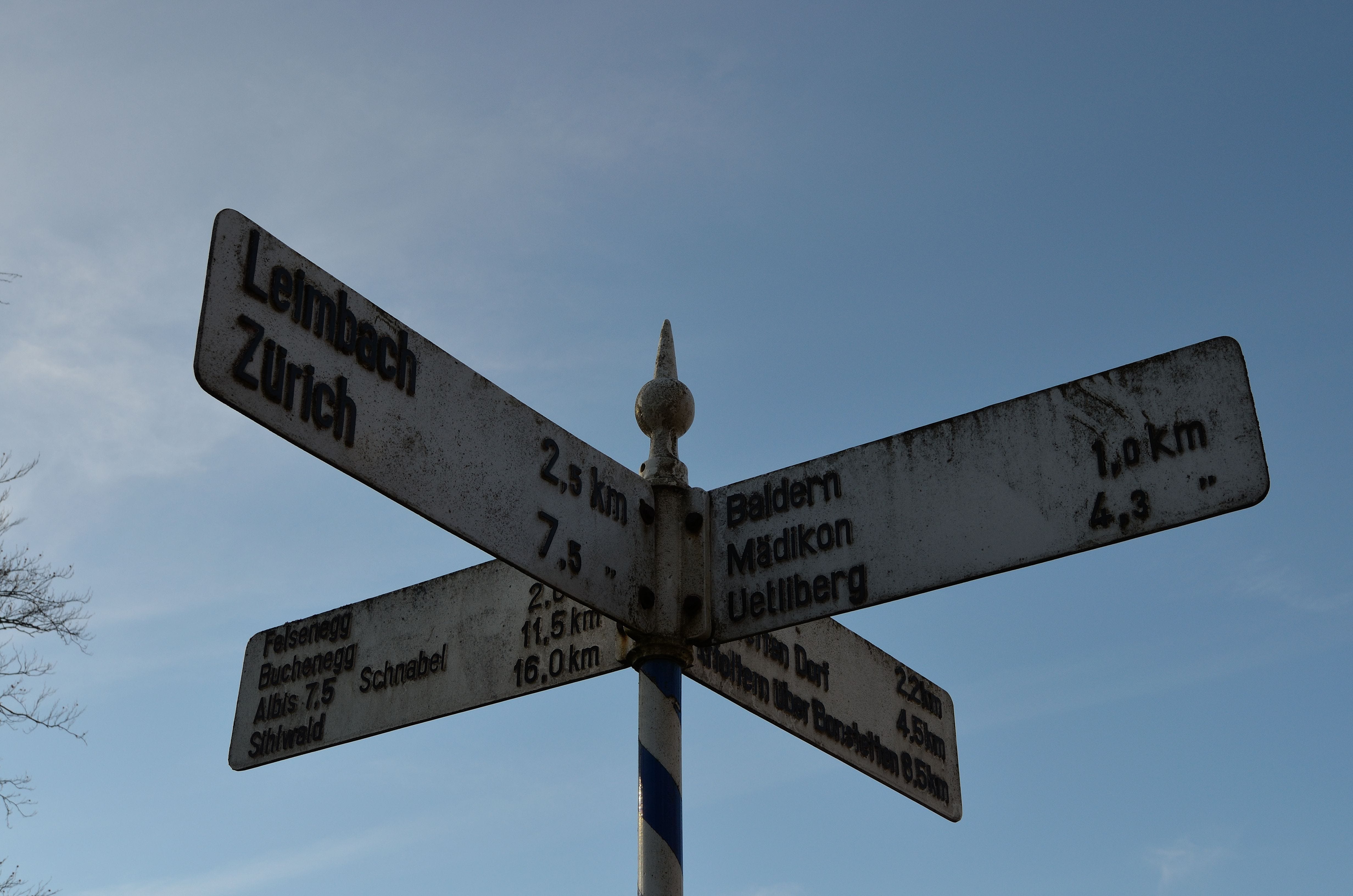
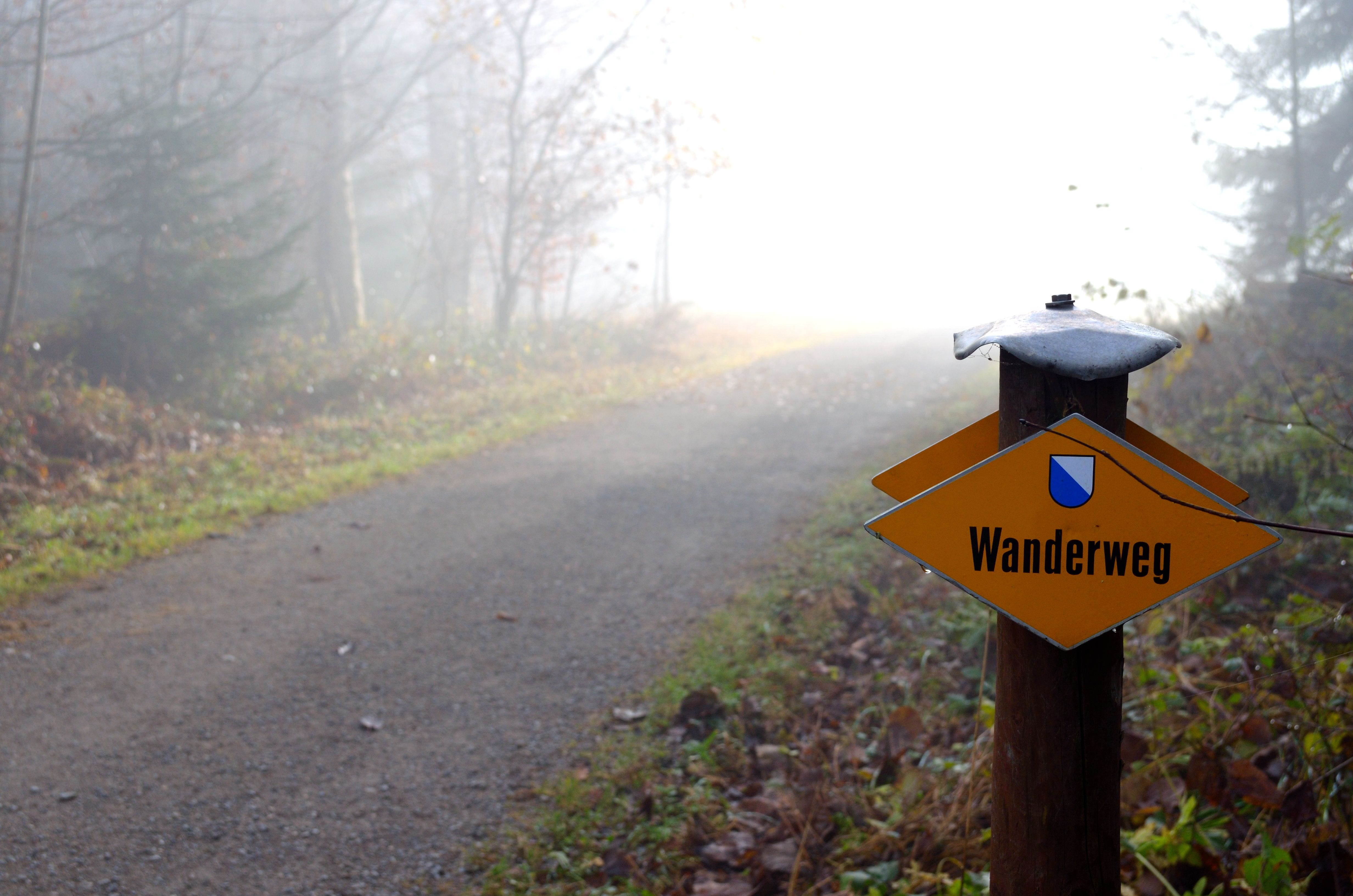
Photos: The hiking path on the Pfannenstiel, a scenic mountain ridge in the Canton of Zürich, where I walked with my dog, Sammy, early on Saturday mornings.
Comments
Nothing yet. Say the first thing.
Sign in to join the conversation.