
I have, at last count, two brothers-in-law and two nephews who are physicians, plus a daughter with a PhD in health economics. So, when I tell you this piece is not an attack on doctors, I mean it. I look forward to Thanksgiving dinner with at least a few of these people.
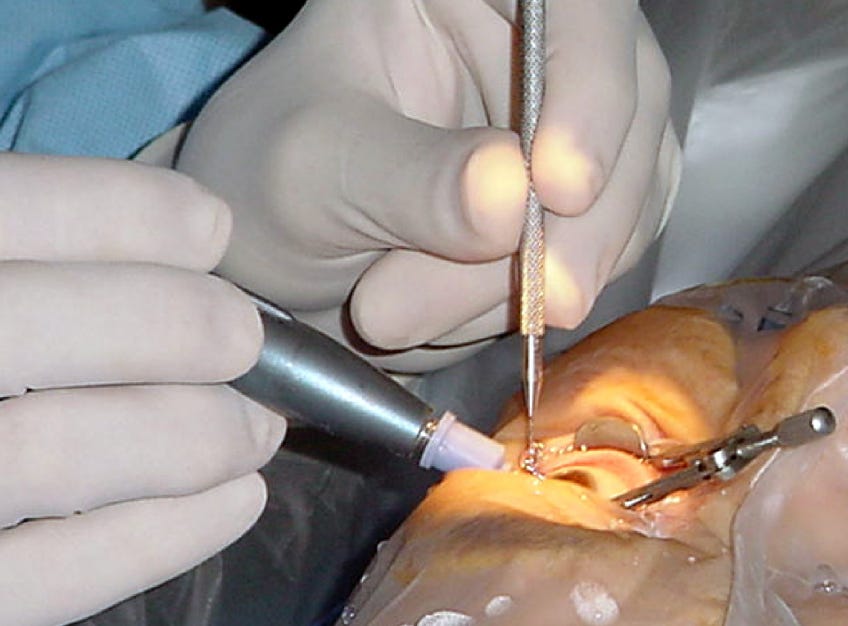
But I recently went looking for a simple thing — the price of cataract surgery — and what I found instead was a system that seems built, whether anyone intended it or not, to keep patients from ever quite getting an answer.
Here is what I did. I emailed three ophthalmology practices near me and asked each the same three questions: What does the surgeon charge? What is the facility charge? What does the anesthesia cost? Three straight-forward questions about a procedure I had been told to schedule for “sometime in the coming year.”
Two offices haven’t answered as of this writing. The third sent me this:
“I have attached a general cataract surgery cost estimate sheet... The amounts you see are what we bill to your insurance company... You will need to call the numbers listed to find out what the cost for surgery will be... If you are wanting to know exactly what your insurance would cover you will need to call the 800 number on the back of your insurance card.”
Reading the email again, I don’t think the sender — Melanie, the office coordinator — was trying to dodge me. I think she was accurately describing her job, which is to hand me off to someone else. The surgeon bills one way. The facility, which turns out to be Holland Hospital, bills another way, through a different office. Anesthesia is a third biller entirely, with its own phone number, its own hold music, and presumably its own PDF. What I thought was a “simple question” turned out to require three phone calls, an insurance card, and some patience (which is already being tested).
Then, intrigued by the issue, I went looking for whether this was normal, or whether I’d simply picked an unusually cagey ophthalmology practice. As it turns out, it’s normal. Distressingly so.
One recent analysis of hospital price-transparency filings found that the posted cash price for standard cataract surgery ranges from about $500 to over $13,000 — a twenty-six-fold spread for what is, clinically, the same operation. And that number, the researchers noted, usually excludes the surgeon’s fee and the anesthesia charge entirely, because those are billed separately and often aren’t posted anywhere at all. Which means the “price” a patient can actually find in advance is, at best, one-third of the real number.
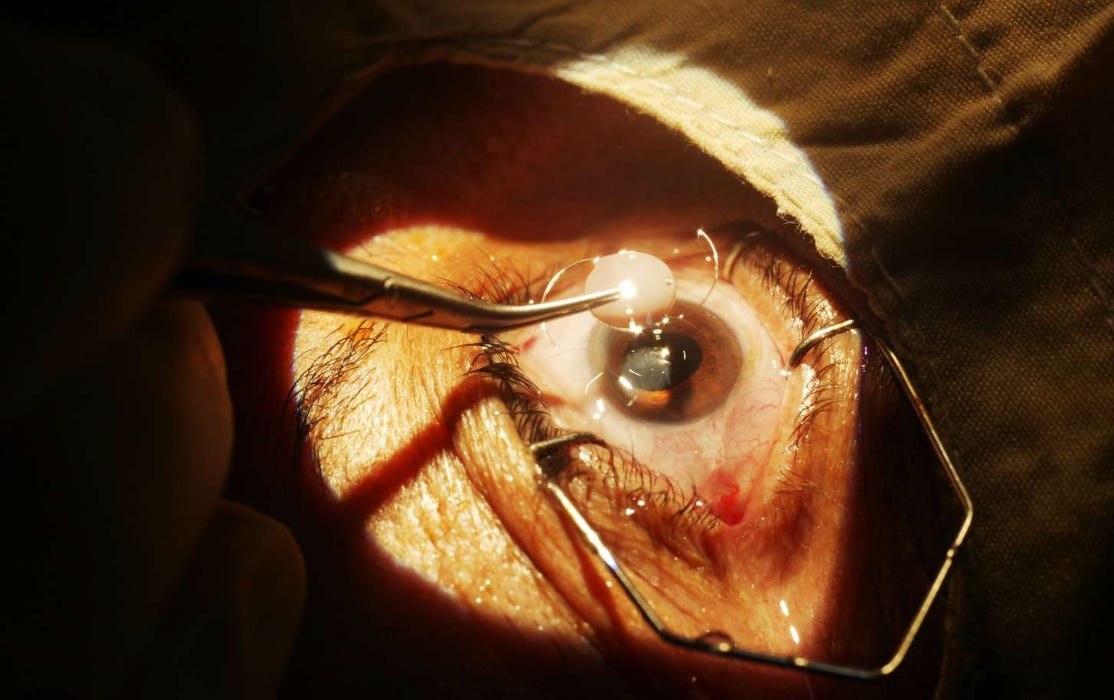
It gets more granular than that. A Canadian study phoned every cataract surgeon in Ontario — a fully public, insurance-covered system — and simply asked what they’d charge for the same premium lens. Prices ranged from $358 to $2,790. Same lens. Same testing. Nearly an eight-fold difference, inside a system designed explicitly to remove exactly this kind of variation.
And the facility fee — the one Melanie routed me to Holland Hospital for — turns out to be one of the biggest levers in the whole equation. Hospital-based surgical centers routinely charge two to four times what an independent surgery center charges for the identical procedure, identical outcome. Nobody mentions this on the phone unless you know to ask.
So, here’s my question: is my experience the exception, or the rule? I think it’s the rule. This isn’t a story about one evasive office. It’s a story about a payment system so fragmented — surgeon, facility, anesthesiologist, insurer, each with a separate contract and separate incentives — that no single person inside it can hand a patient one honest number. Not because they’re hiding it, necessarily, but because they don’t have it.
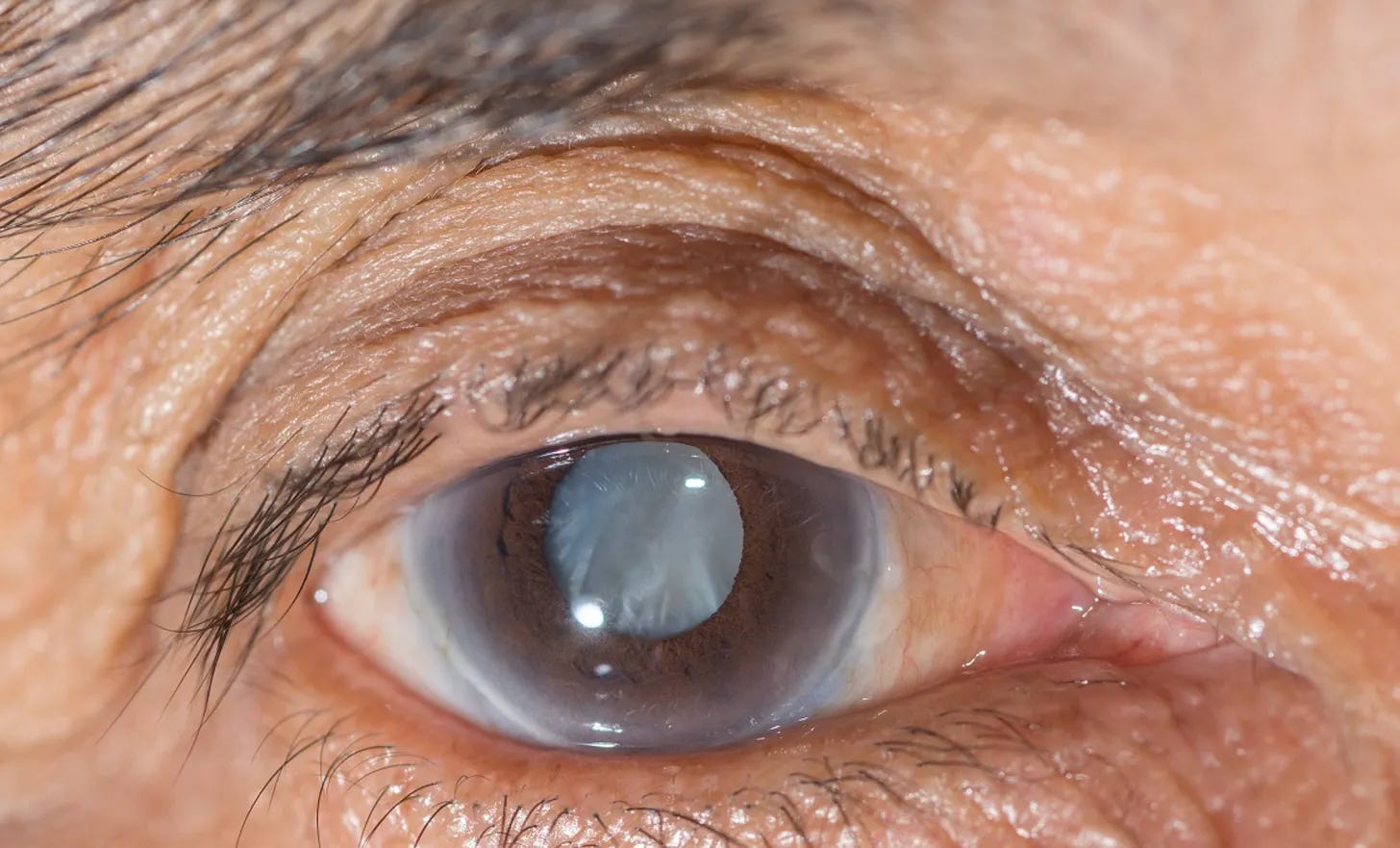
Which brings me back to my brothers-in-law, nephews, and daughter. None of them sets these prices. None of them designed this system. If anything, the physicians I know seem as frustrated by it as I am — caught, like their patients, between what medicine should cost and what the byzantine machinery of billing decides it will cost. The opacity isn’t a personal failing of the people in white coats. It’s what happens when a service becomes a product priced by three separate businesses that rarely speak to each other, in a market where the customer has almost no ability to comparison shop — simply because no one will tell her what the numbers are.
I’m still waiting on the other two offices. When — or if — they answer, I’ll let you know what I learn, and whether shopping for eye surgery ever starts to resemble anything like buying a car, haggling included, or whether it remains its own kind of maze. Either way, I go in for surgery with better eyes and, I suspect, a somewhat worse opinion of how American healthcare prices itself.
Comments
Nothing yet. Say the first thing.
Sign in to join the conversation.