
Next up in our series of guest articles - we are hearing from Lauren Stockton at Chester Zoo. Lauren shares how they produced three Live Lessons last year and how they worked with a digital education partner, hi-impact, to reach a wide audience. Over to Lauren…
I’m Lauren, Digital Learning Manager at Chester Zoo. My role is to manage our digital learning strategy, delivering learning outcomes through innovative digital initiatives. This includes developing online learning resources for schools, communicating our work to different audiences and creating interactive, immersive experiences and events onsite at the zoo and in the community.
I lead a small team of content creators and have a background in multimedia content creation myself, particularly immersive A/V experiences such as soundscapes and digitally projected content. I’m passionate about storytelling and using gamification and creative media approaches to engage people with vital conservation messages.
Our Live Lessons in a nutshell
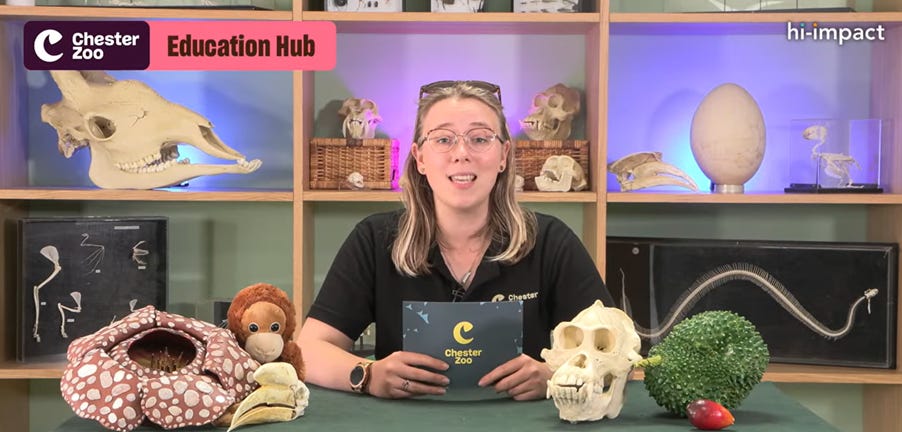
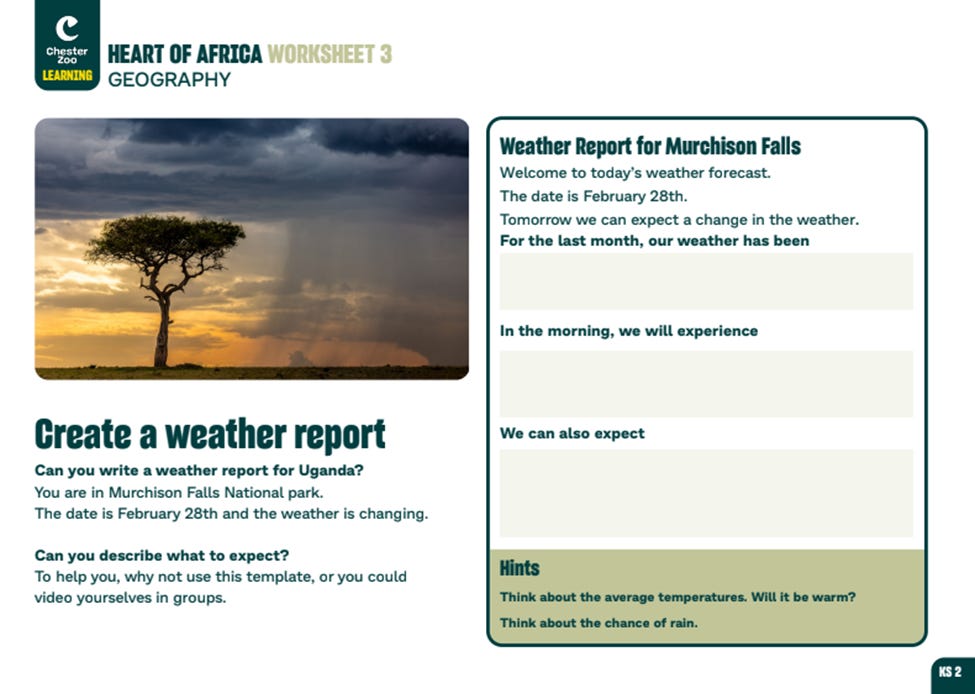
In 2025 we developed three Live Lessons in 2025 exploring different topics related to wildlife conservation, focusing on themes and significant calendar events such as Earth Day & Climate Change and World Rainforest Day to help teachers find relevant content when planning around these days in class. The lessons are deliberately participatory, featuring live Q&A, quizzes and other interactive elements. Teacher toolkits included Topic Webs, Lesson Plans, Knowledge Organisers, Progression Overviews, and printable activities to maximize classroom impact.
The aim of our Live Lessons was to widen our reach for schools and educators by making conservation education accessible beyond physical visits. They were aimed at primary school aged children mainly Key Stage 2, but created in a way that was as accessible for any age as possible. We marketed them to a general teaching audience, including home educators.
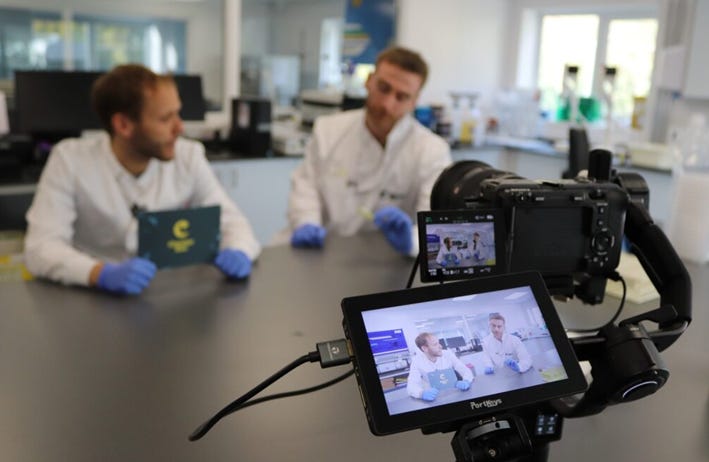
To develop the Live Lessons we used various digital tools and platforms including YouTube and Streamyard to broadcast the lessons publicly and Adobe tools such as Premiere and After Effects to edit footage to a high quality. We were also fortunate to gain access to some professional cameras for production.
We worked in partnership with one of our Digital Education Partners, hi-impact, who have developed their own hosting platform STEMLive. Hi-impact have worked with us for a number of years on different digital learning activities but in 2025 we formed a more established partnership to enable us to develop our Live Lessons using their expertise and technical skills in reaching a larger network of teachers. For our World Rainforest Day, we were also supported by Ferrero who we have an ongoing partnership supporting our sustainable palm oil conservation campaign.
What went well
Across the year, we were really successful in reaching many more people than we first anticipated, an estimated 93,000 in total. The beauty of creating a digital lesson, means that it becomes another piece of content that can be used as an accessible online learning resource in perpetuity.
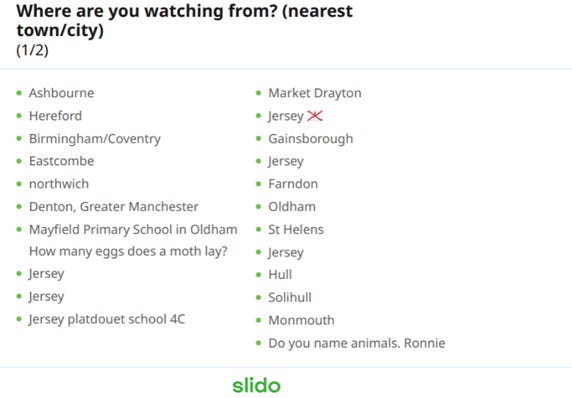
Through evaluation teachers provided feedback, praising the curriculum alignment and ready-to-use resource packs which ultimately saves them planning time and extended learning beyond the broadcast. They also fed back that the children enjoyed the lessons and the interactive elements. One of the main positives was to gain a better understanding of where schools were watching from, so we could see schools tuning in from Scotland all the way down to Jersey – which met our objective of reaching more people nationally.
Carefully planning each lesson ahead of time, preparing staff taking part and prerecording much of the content also worked incredibly well and enabled us to create high production value. Being able to go behind-the-scenes and have access to keepers and conservation projects made the sessions feel unique and enabled us to deliver authentic content to schools that they don’t ordinarily get access to from a regular visit to the zoo.
What we might do differently next time
2025 was the first year we decided to develop such ambitious large scale lessons. Previously we’d broadcast a few live events on Facebook and virtual lessons but doing such large scale lessons took a lot of preparation time as well as scheduling filming dates and then allowing time for editing, and marketing before broadcasting live on specific dates and times. We’ve also enlisted external talent as co-presenters for each lesson, which can often be challenging to negotiate in terms of other time commitments. We wouldn’t necessarily do anything different, other than working smarter and more efficiently by more forward planning.
We’d like to gather further evaluation and feedback from teachers to help us to understand what they value most from this form of digital learning. That will allow our plans to be more informed going forward.
It would definitely be possible to do lessons at a smaller scale, especially if prerecording content and broadcasting live with a live question and answer section. There are also other partners who you could work with to develop ideas for smaller live projects which don’t require as much technical assistance or high production.
What we have learnt
Develop with live and replay in mind: We wanted to ensure a quality experience for a live audience, but also something that could be found and watched again when convenient for class teachers. We have found that whilst we reached a lot of people when broadcasting live, many more people have returned or discovered later.
Authenticity over perfection: Using real voices, authentic spaces and interactive learning tools to create connection with the audience really support your mission. Digital really allows you to include areas of your organisation that people can’t ordinarily see and access to experts voices they may not usually hear.
Supporting learning resources: Having teacher resource packs and other learning resources that support the lessons are a really key way of retaining the audience for a longer learning experience. They support teachers to deliver meaningful lessons to their pupils using your expertise. Not only this, the lessons themselves can be seen as a promotional tool to get more relevant audience on existing learning materials you might host on your own website or on other platforms.
Planning is key: to deliver high quality learning and production value, it is key to create learning objectives, storyboards, cue cards, filming schedule and marketing plans to ensure the success of a large scale digital lesson.
Not everything has to be live: Although you may want to broadcast live to make it feel like an event, which is useful for promotion, not every piece of content has to be created and delivered live. In fact, sometimes it might be more beneficial to prerecord content so you can get into the detail and authentic learning opportunities. It’s better to have something that gets the message across well than stumbling over technical difficulties due to unstable connections!
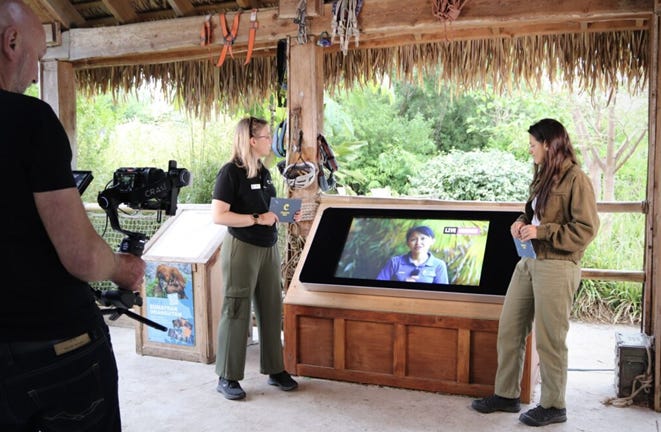
Our top tips if you are thinking about delivering Live Lessons
Be unique: Lean on your expertise and authenticity – this is what audiences want from you. Get other people in your organisation involved, highlight their expertise. What your organisation has to offer is unique to you so maximise on this.
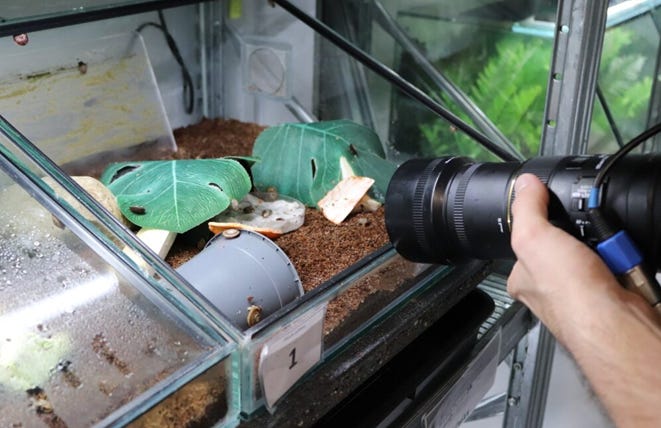
Choose tech carefully: Use what tools you already have rather than investing too much on equipment you might not use again. Experiment with inexpensive software and kit to start with – however there are great tools such as Streamyard, Adobe Cloud applications. Reach out to camera companies to see if they will lend you kit. Try to find mutually beneficial partnerships to help develop ideas further.
Ask yourself
Is there an education partner who would love to use the reputation of your organisation to promote their platform? Can they reach new audiences or help with technical expertise you don’t have in-house?
Do you have something unique for audiences that can’t be shown in any other way than through digital means?
What’s next for us?
We’re always looking at developing partnership opportunities to support our education work. For 2026, we have already planned out our themes for some more Live Lessons to focus on some key areas such as careers, taking conservation action and ways science can help wildlife - so watch this space!
Re-watch our Live Lessons from 2025
Earth Day Live Lesson Chester Zoo Live Lesson: Earth Day and Climate Change
World Rainforest Day Live Lesson Chester Zoo - Interactive Online Lesson: World Rainforest Day
Preventing Extinction Live Lesson Live Lesson - Preventing extinction with Chester Zoo
A huge thank you to Lauren and the team at Chester Zoo for sharing how they approach their Live Lessons. If you’d like to find out more Lauren is happy to connect on LinkedIn: Lauren Stockton | LinkedIn
At DLNET, we loved Chester Zoo’s approach to maximising their unique offer. What are your organisations Unique Selling Points?
Next time, we’ll be hearing from Morgan from North East Museums, who’ll be taking us behind the scenes of the extremely successful Hadrian’s Wall Focus Days, which bring together multiple organisations to offer a rich, varied programme for students.
Make sure you’re subscribed to our Substack, or follow us on LinkedIn, to stay up to date.
No posts
Comments
Nothing yet. Say the first thing.
Sign in to join the conversation.