
By Jeremi Suri
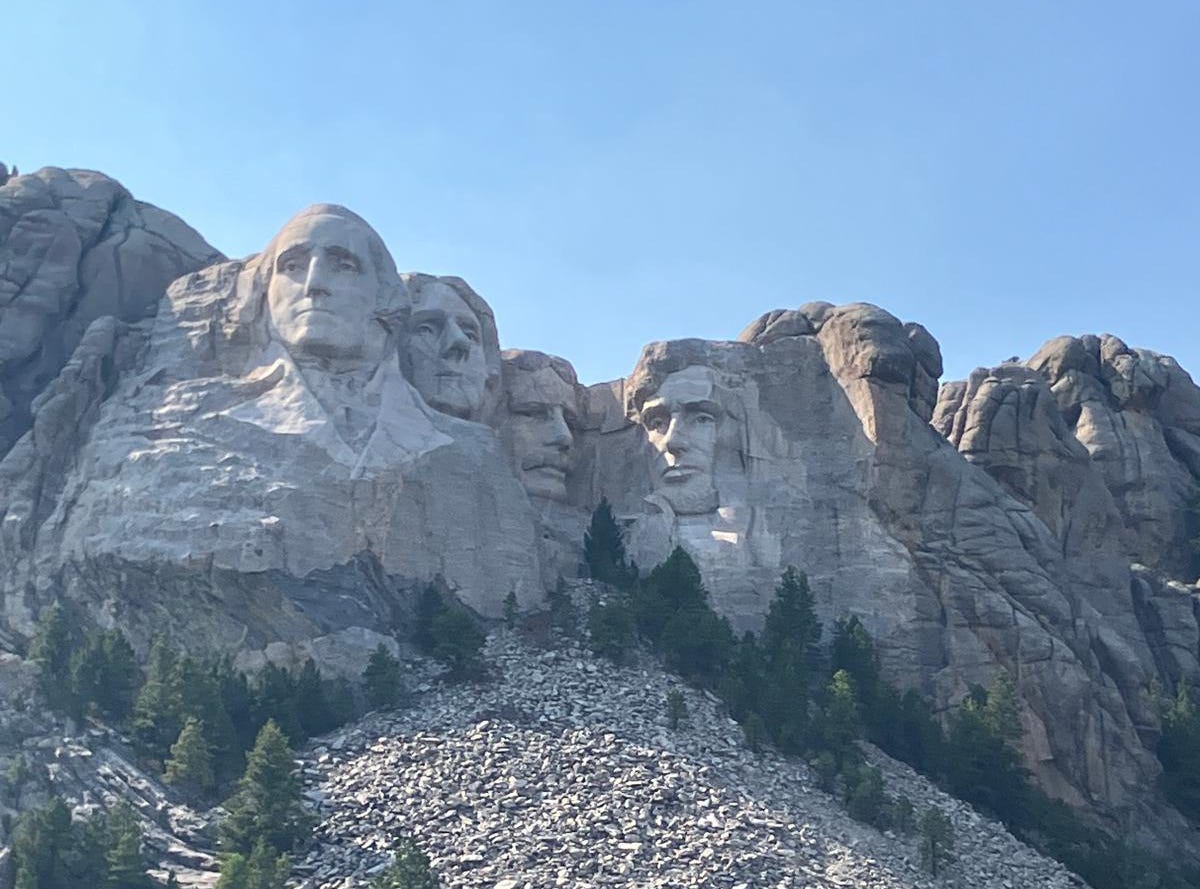
Mount Rushmore is the most American monument. It explodes out of the lush, green Black Hills, towering more than one thousand feet above the landscape. Improbably, the pensive faces of four presidents — George Washington, Thomas Jefferson, Abraham Lincoln, and Theodore Roosevelt — stare out from the mountain top. They look over our heads. They neither exult nor scowl, but remind us how serious this all is.
What makes Mount Rushmore so American is how it sits within the beautiful, rough, mountainous South Dakota terrain — a frontier setting still like what settlers encountered in the century before work on the monument began in 1927. It is a sparsely populated space where the greens and browns of nature continue to overwhelm the senses. There are no skyscrapers or big cities anywhere close. Although it required enormous energy and industry for Gutzon Borglum and his team to build this giant monument, you see little evidence of oil and steel around the natural stone that comprises the presidents’ faces and the rocky pile below them.
The presidents are not depicted as gods, warriors, or geniuses. They look very human and imperfect. Their eyes are keen and curious. This is no Mount Zion or Mount Olympus. The presidents are extraordinarily ordinary — they have reached highs of accomplishment from common foundations.
Crowds of visitors reenact the magic of the ordinary in American society when they visit each day. During my recent visit, sun-burnt motorcyclists, cranky children, and awed foreigners walked around the monument. The setting was informal, with most people in shorts and t-shirts. Admission was free and welcoming to all. And no one was told what to think. The space encourages reflection on the presidents, the country, and the future, but there is no rigid guidance.
Visitors are prompted by the somewhat haunting faces to think freely and individually, and I heard fascinating cacophonous conversations about politics as we roamed around. The monument actually says little explicitly about the presidents and their policies — we are asked as citizens to make sense of it all. It is a civil, happy, democratic space. And the sale of ice cream makes it all fun, even for the cranky children.
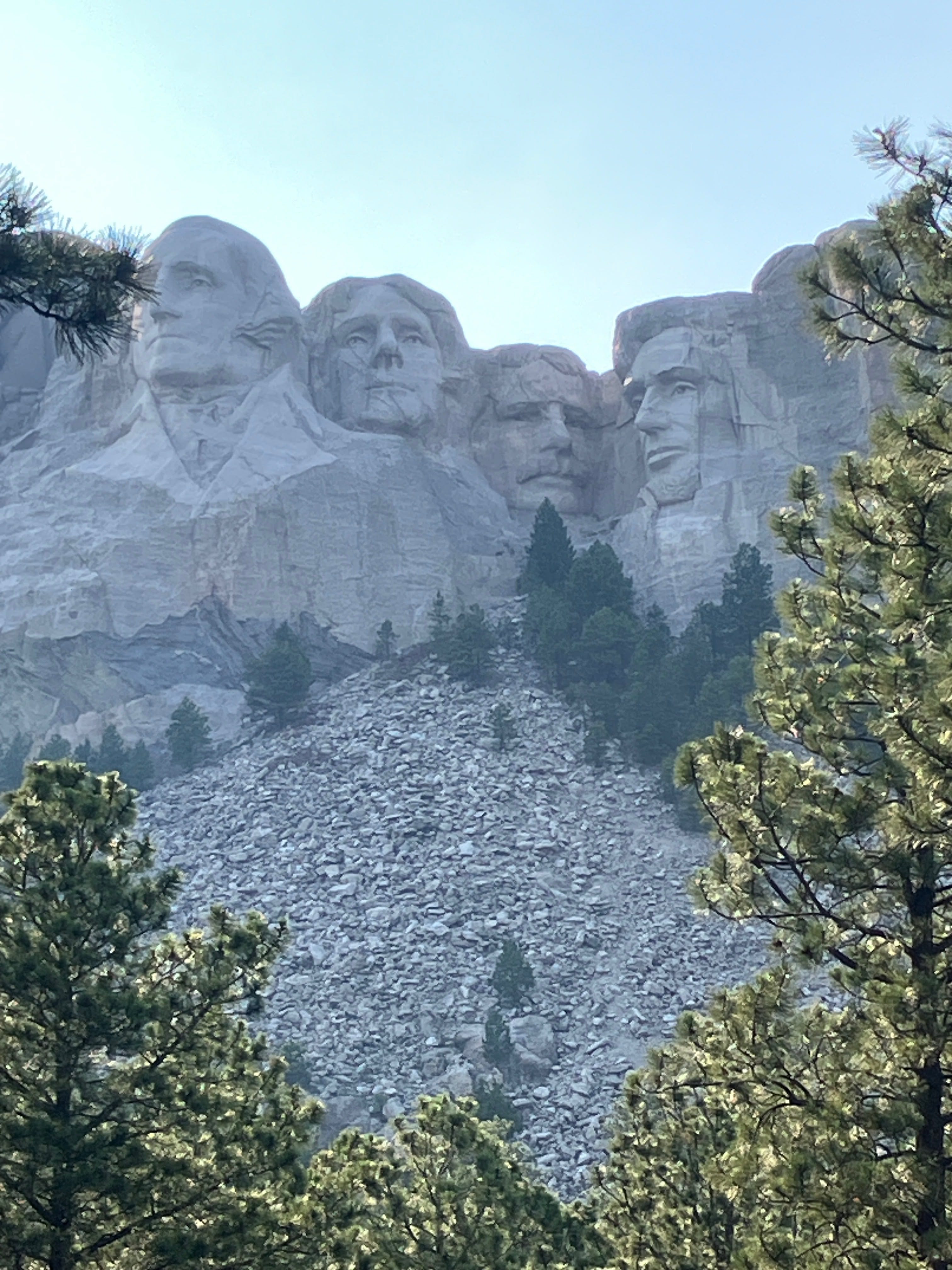
Mount Rushmore is on Sioux land, stolen from them. When the monument was declared finished in 1941, the United States was still legally segregated under Jim Crow. The monument does not deny these truths; it encourages us to reflect on the contradictions that each of the presidents struggled with in their own lives. Their stern faces tell us they are still struggling.
I love Mount Rushmore because it challenges us all to live up to the dreams of these men for a better democracy. They look out at us, humbly and zealously, without guns, gold, or any other gilding. The presidents ask us to live up to their high aspirations, to find something deeper in ourselves and our society than the stuff we argue about most days. They are not gods, but, yes, they are prophets, inspiring us to act with more purpose.
Text within this block will maintain its original spacing when published
Also see in:
German, Turkish, Chinese, Spanish
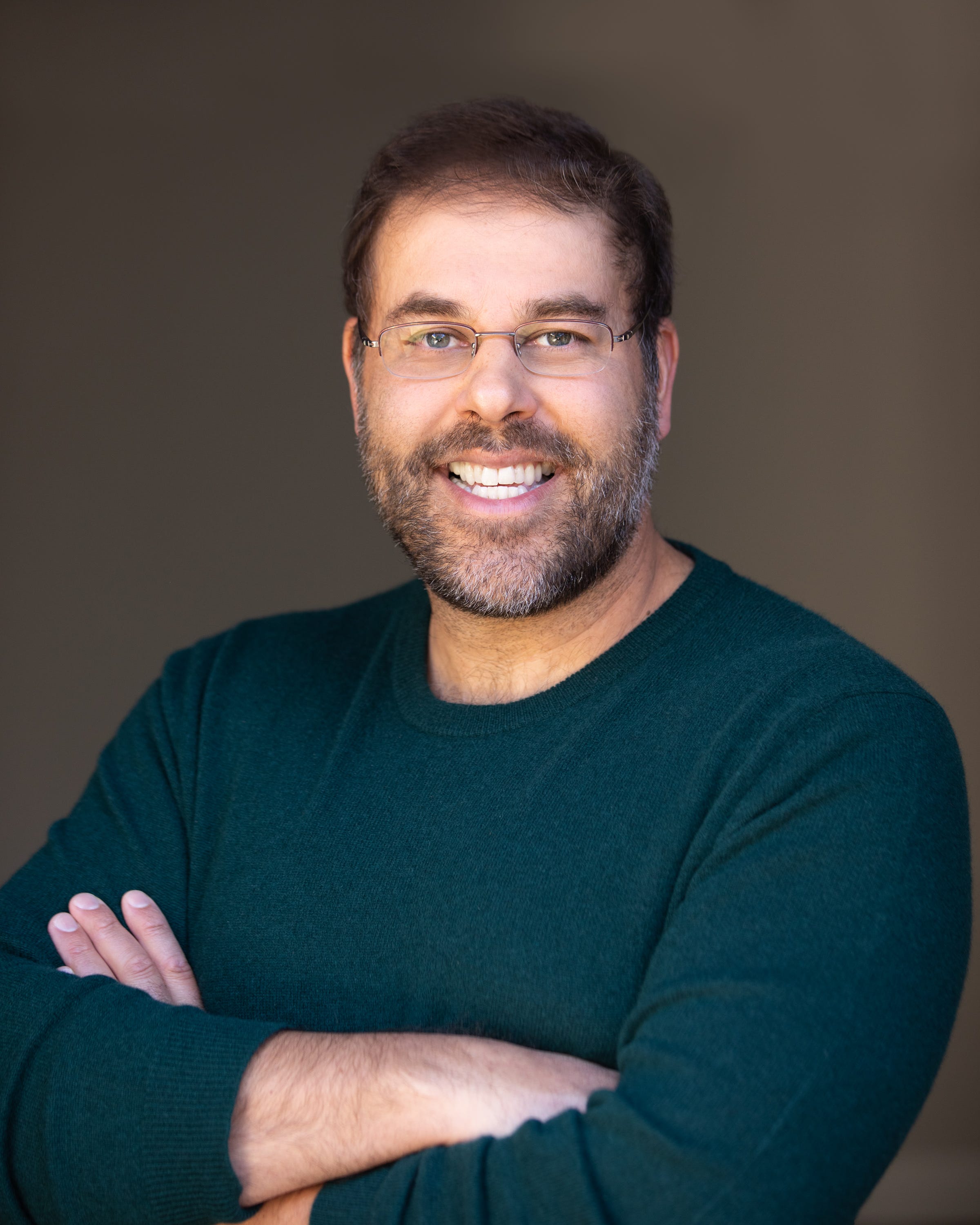
Jeremi Suri holds the Mack Brown Distinguished Chair for Leadership in Global Affairs at the University of Texas at Austin. He is a professor in the University’s Department of History and the LBJ School of Public Affairs. Professor Suri is the author and editor of eleven books on politics and foreign policy, most recently: Civil War By Other Means: America’s Long and Unfinished Fight for Democracy. His other books include: The Impossible Presidency: The Rise and Fall of America’s Highest Office; Liberty’s Surest Guardian: American Nation-Building from the Founders to Obama; Henry Kissinger and the American Century; and Power and Protest: Global Revolution and the Rise of Détente. His writings appear in the New York Times, Washington Post, Wall Street Journal, CNN.com, Atlantic, Newsweek, Time, Wired, Foreign Affairs, Foreign Policy, and other media. Professor Suri is a popular public lecturer and comments frequently on radio and television news. His writing and teaching have received numerous prizes, including the President’s Associates Teaching Excellence Award from the University of Texas and the Pro Bene Meritis Award for Contributions to the Liberal Arts. Professor Suri hosts a weekly podcast, “This is Democracy.”
No posts
Comments
Nothing yet. Say the first thing.
Sign in to join the conversation.