
By Jeremi Suri
The United States is a country of continental size. The U.S. landmass is roughly the same as all of Europe. There are other continent-sized countries: Russia, China, India, Brazil, and Canada. (Alaska, Texas, and California are subcontinents unto themselves!)
Continental size has always been a challenge for democracy. James Madison grappled with this issue in the eighteenth century when he theorized that more size and diversity could prevent any “faction” from exercising tyranny over others. But how do you form an enduring Union when your land is so vast and the residents are so far removed from one another? The Civil War emerged from this challenge, as did long-standing tensions over the balance of federal and state power.
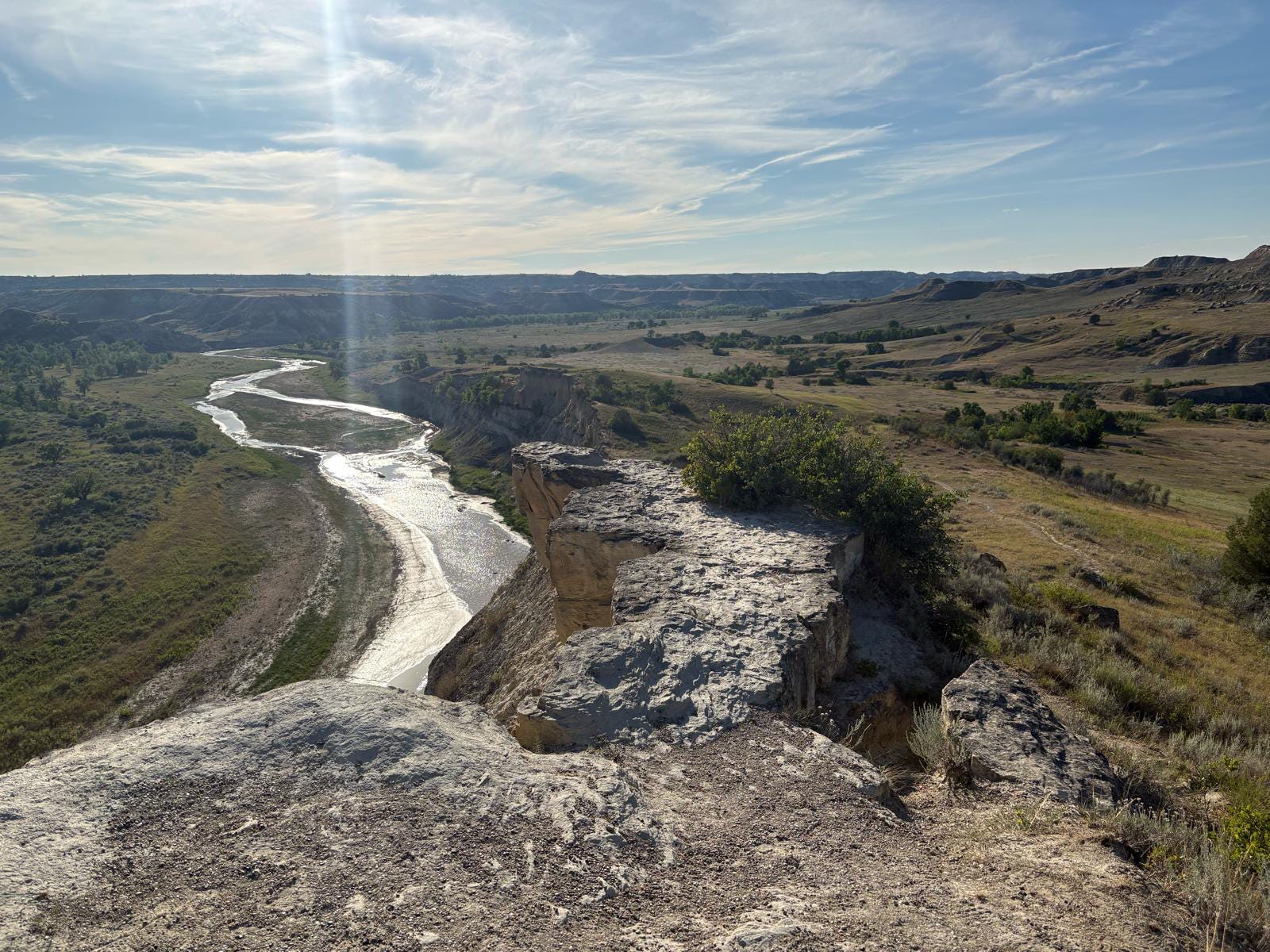
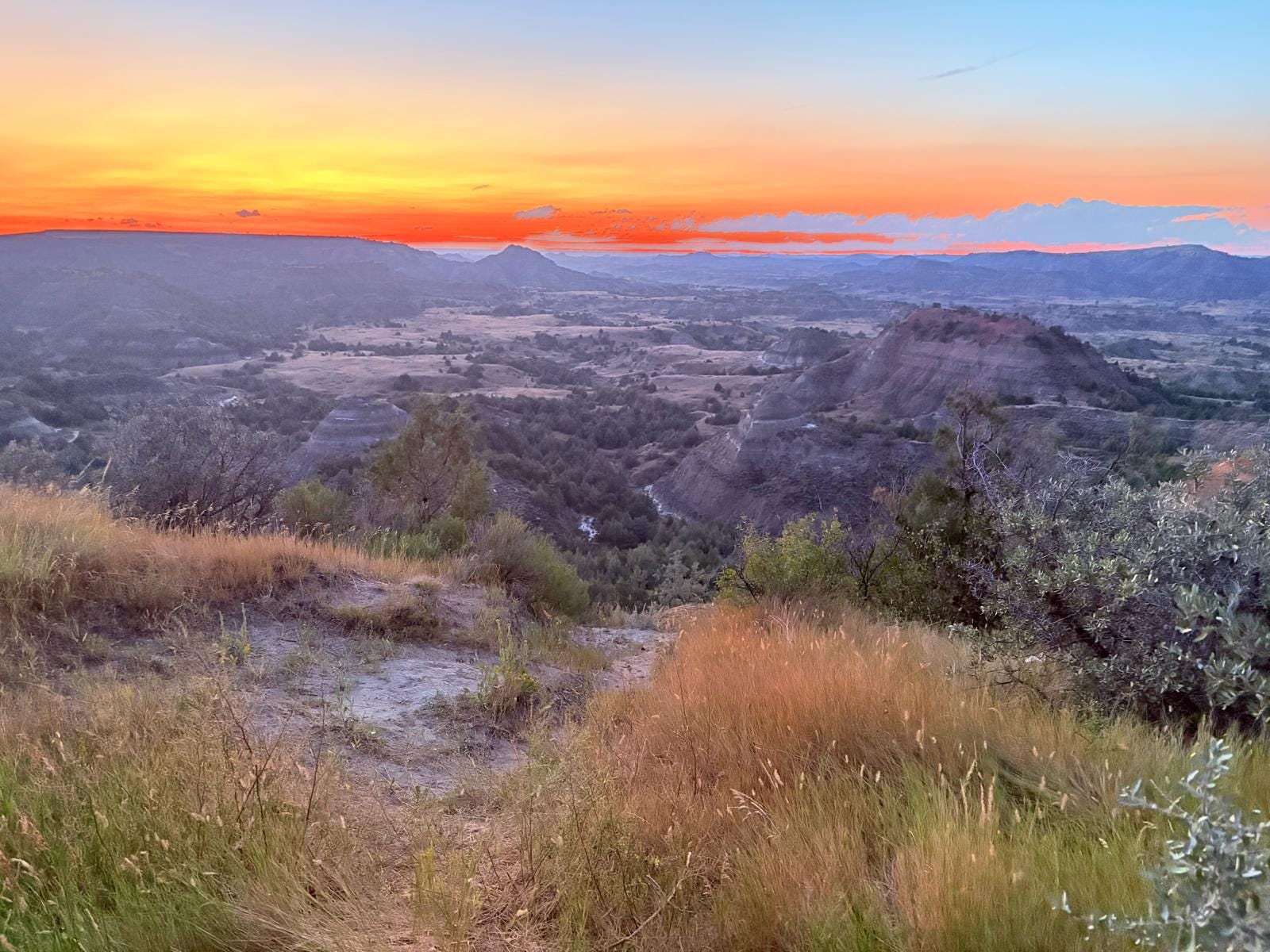
The U.S. Constitution ingeniously balances representation of people in the House of Representatives with representation of land in the Senate. I just drove through North Dakota, South Dakota, and Wyoming. These beautiful lands have 2.3 million residents and 6 senators. I live in Texas with 32 million residents and just 2 senators. Puerto Rico is home to about 3 million U.S. citizens, and it has 0 senators. Currently, the balance does not seem right.
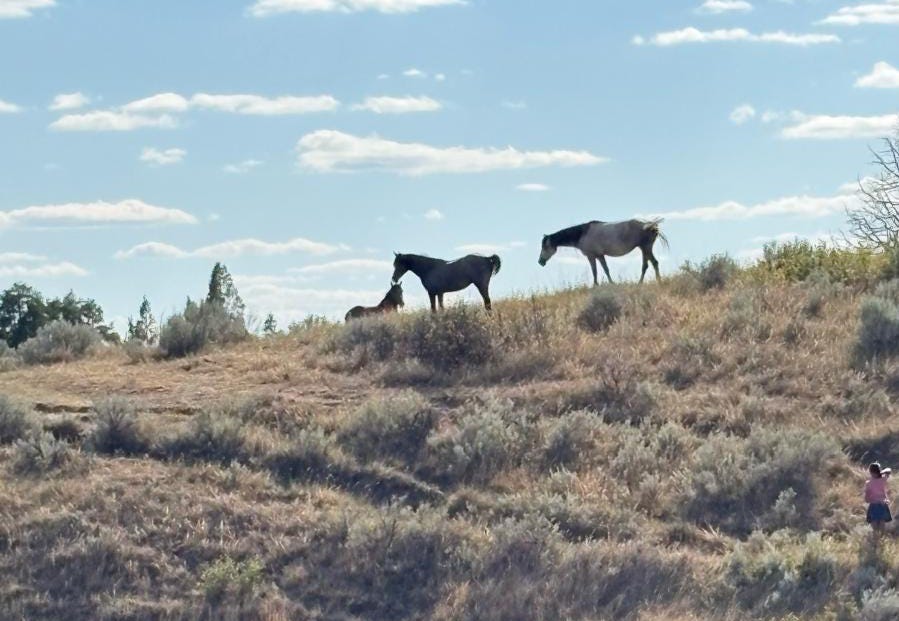
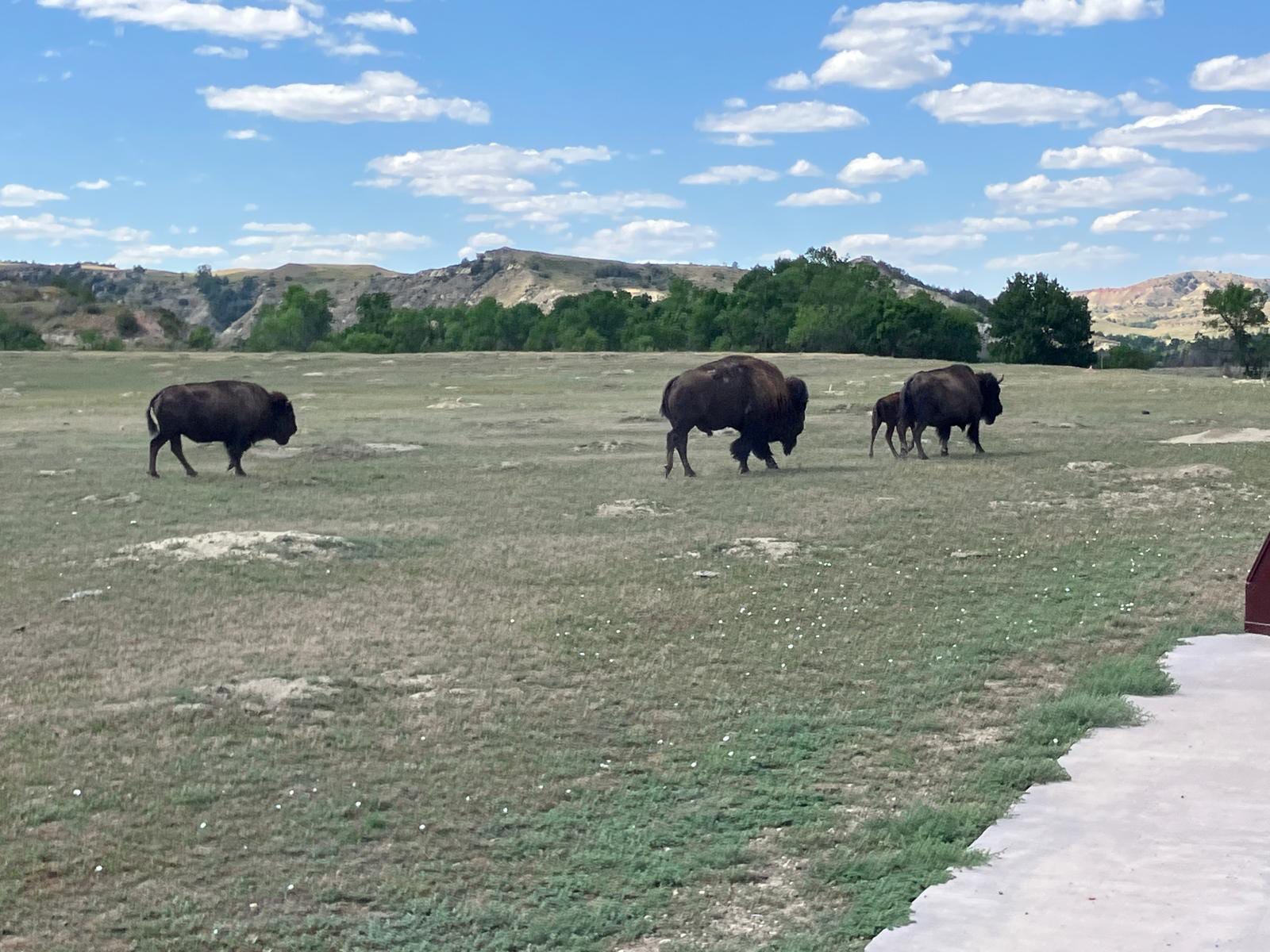
This problem is at the root of our current political difficulties. Too few people are defining the policies of our democracy for too many. That is not a Republican or a Democratic problem; it is an American problem as a continental country with people concentrated in some places and largely absent in others. Please see the photos included with this article.
There are no easy answers. Our beautiful lands must be preserved and protected, but the few people living in them should not tyrannize those in densely populated places. There is no democratic theory to justify the 2 million people in the Dakotas and Wyoming exerting more influence than the 35 million people in Texas and Puerto Rico. James Madison would not have accepted that as an appropriate balance; Abraham Lincoln would have feared the future of a Union with such disproportionate representation.

The time has come to address this long-standing constitutional dilemma that has deepened with recent population shifts. Should we re-design the U.S. Senate? Should we admit new states, and even redraw state boundaries, as we did in every generation until Alaska and Hawaii’s admission in 1959? Should we rethink electing presidents by state rather than population?
These are knotty questions, but our democracy will only survive if we debate and pursue serious reforms. Prior generations from the Founders to the Civil War to the Progressive Era worked through these problems imperfectly in their times. We must do the same.
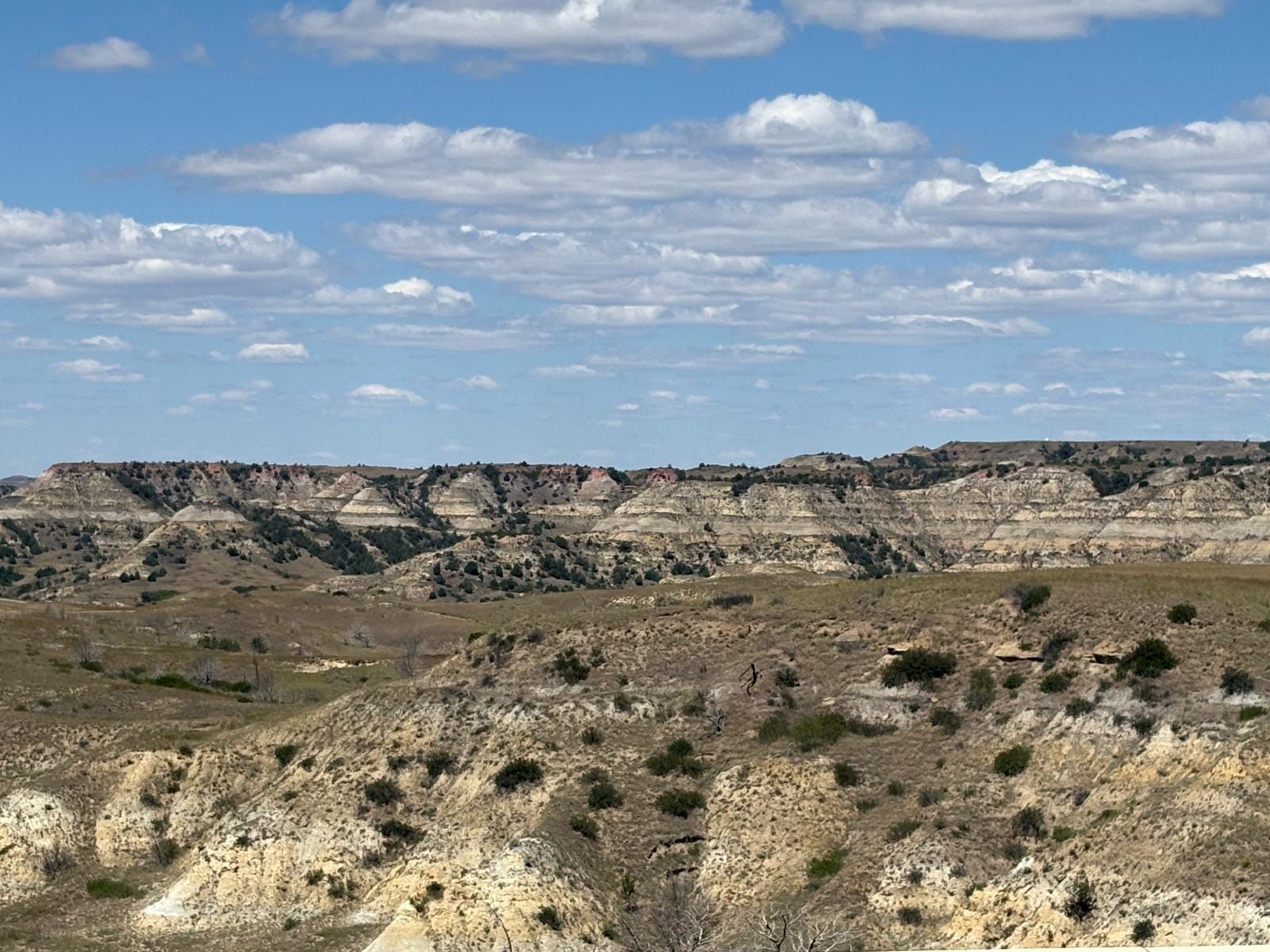
As I visited our beautiful Western lands, I renewed my love of America, my appreciation for the courage of pioneers, and my wish to see this legacy renewed and rejuvenated. We must overcome our fears of change and pursue serious political reforms to preserve our national bounty. That is the real American exceptionalism: the vast lands and the firm commitment of its peoples to equal political participation.
Text within this block will maintain its original spacing when published
Also see in:
German, Turkish, Chinese, Spanish

Jeremi Suri holds the Mack Brown Distinguished Chair for Leadership in Global Affairs at the University of Texas at Austin. He is a professor in the University’s Department of History and the LBJ School of Public Affairs. Professor Suri is the author and editor of eleven books on politics and foreign policy, most recently: Civil War By Other Means: America’s Long and Unfinished Fight for Democracy. His other books include: The Impossible Presidency: The Rise and Fall of America’s Highest Office; Liberty’s Surest Guardian: American Nation-Building from the Founders to Obama; Henry Kissinger and the American Century; and Power and Protest: Global Revolution and the Rise of Détente. His writings appear in the New York Times, Washington Post, Wall Street Journal, CNN.com, Atlantic, Newsweek, Time, Wired, Foreign Affairs, Foreign Policy, and other media. Professor Suri is a popular public lecturer and comments frequently on radio and television news. His writing and teaching have received numerous prizes, including the President’s Associates Teaching Excellence Award from the University of Texas and the Pro Bene Meritis Award for Contributions to the Liberal Arts. Professor Suri hosts a weekly podcast, “This is Democracy.”
No posts
Comments
Nothing yet. Say the first thing.
Sign in to join the conversation.