
May has been another reminder that power is constantly shifting - between countries, markets and individuals. Here are three developments that caught my attention.
Your comments and feedback are always appreciated!
Beijing rolled out the red carpet for two high-profile guests this month: Donald Trump and Vladimir Putin. Within about a week, both leaders sat down with Xi Jinping in the Great Hall of the People.
Journalists and think tanks around the world were eager to compare the state visits. This Reuters analysis illustrates the differences in airport greetings, delegates in attendance, duration of handshakes and more.
The general consensus is that the optics favoured Moscow. Trump’s summit produced carefully managed symbolism, whereas the Putin meeting projected familiarity and alignment. As The Diplomat notes, the Russia-China relationship now appears more substantial than the interactions between Washington and Beijing.
The choreography reveals how Beijing is positioning itself as a power capable of balancing relationships across rival blocs. Xi can maintain economic ties with the US as well as deepen strategic cooperation with Russia.
After years of speculation, SpaceX is finally heading to the public markets. Elon Musk’s rocket business filed for an IPO in May, setting off a frenzy across Wall Street and Silicon Valley alike.
The scale of the fundraising has stunned even seasoned investors. Analysts estimate the listing could pull in US$75 billion — a record-breaking amount if it happens. This is despite the fact that most people don’t directly use SpaceX products in their daily lives.
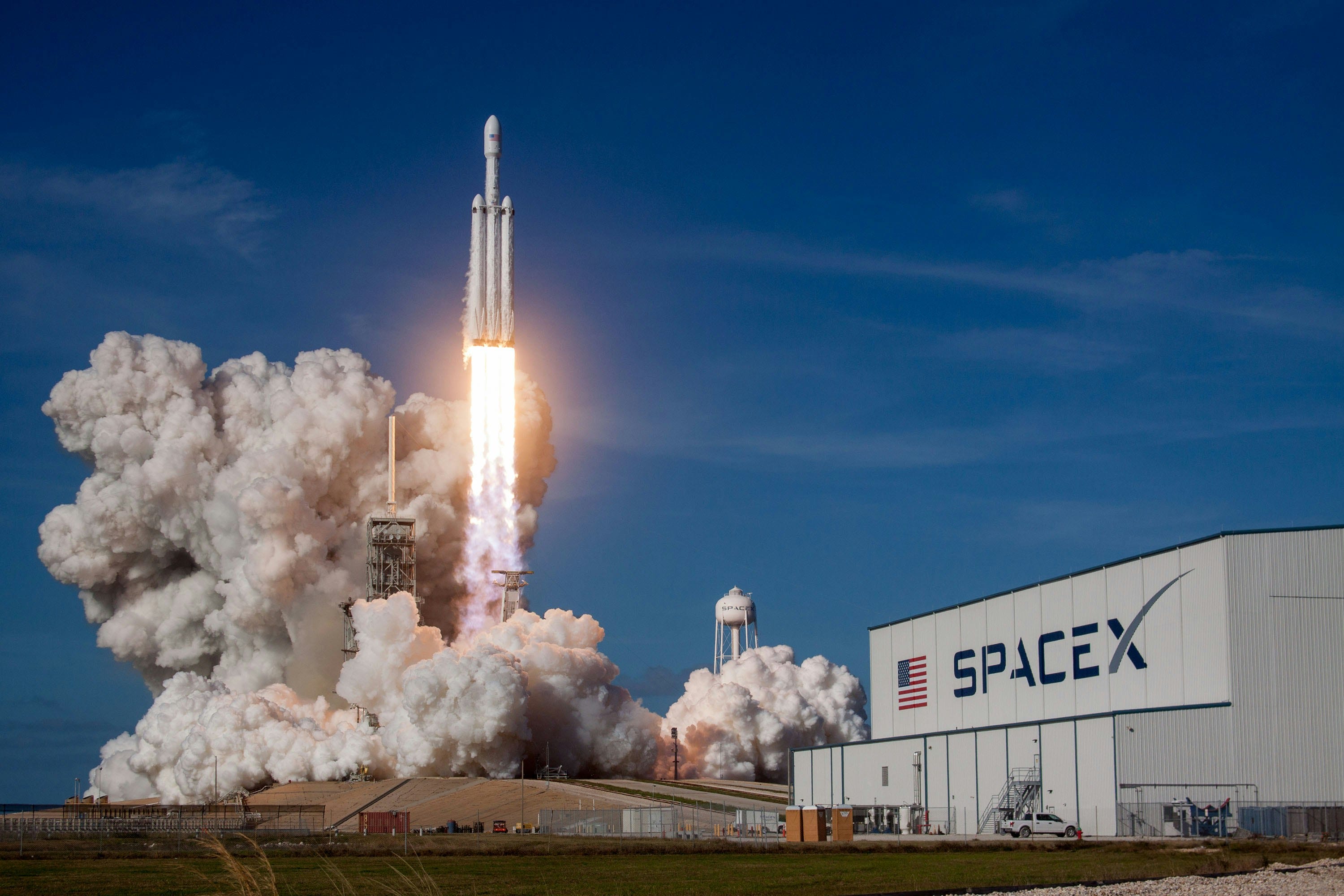
That disconnect has become a major talking point in financial circles. Supporters argue that SpaceX provides critical infrastructure for the future economy. The company dominates the global rocket launch sector, and Starlink’s satellite network is evolving into a vast communications platform. Investors are effectively betting that space-based internet, logistics and defence services will become essential in the coming decades.
The timing is also significant. Musk had previously resisted taking SpaceX public, preferring to avoid the pressures of quarterly earnings reports. But the capital demands of Starlink, lunar missions and Mars ambitions are enormous.
The prospectus itself adds to the intrigue. Rather than focusing heavily on profits, the filing frames SpaceX as a civilisation-level project. One line describes the company’s goal as ensuring “the long-term survival of consciousness beyond Earth”.
Additionally, the documents reveal that Musk will retain overwhelming control of SpaceX, cementing his influence over the company’s direction. It puts a brighter spotlight on Musk’s leadership as SpaceX continues to make losses while spending aggressively on expansion.
Still, for many on Wall Street, profitability appears secondary to the spectacular sci-fi vision that SpaceX is selling.
Milan’s reputation has historically centred on style and finance, but the city is increasingly becoming a magnet for the global elite. Senior bankers, entrepreneurs and investors are flocking there, tempted by favourable tax rules and the promise of la dolce vita.
Much of the buzz stems from Italy’s flat-tax regime for foreign residents. Eligible newcomers only pay a fixed annual levy of €300,000 on their overseas income, which provides peace of mind for high-net-worth individuals (HNWIs).
The policy makes Milan look attractive as a European base when London is losing its shine. According to the Financial Times, wealth managers and international firms are following the money, expanding their operations in Milan to cater to the influx.
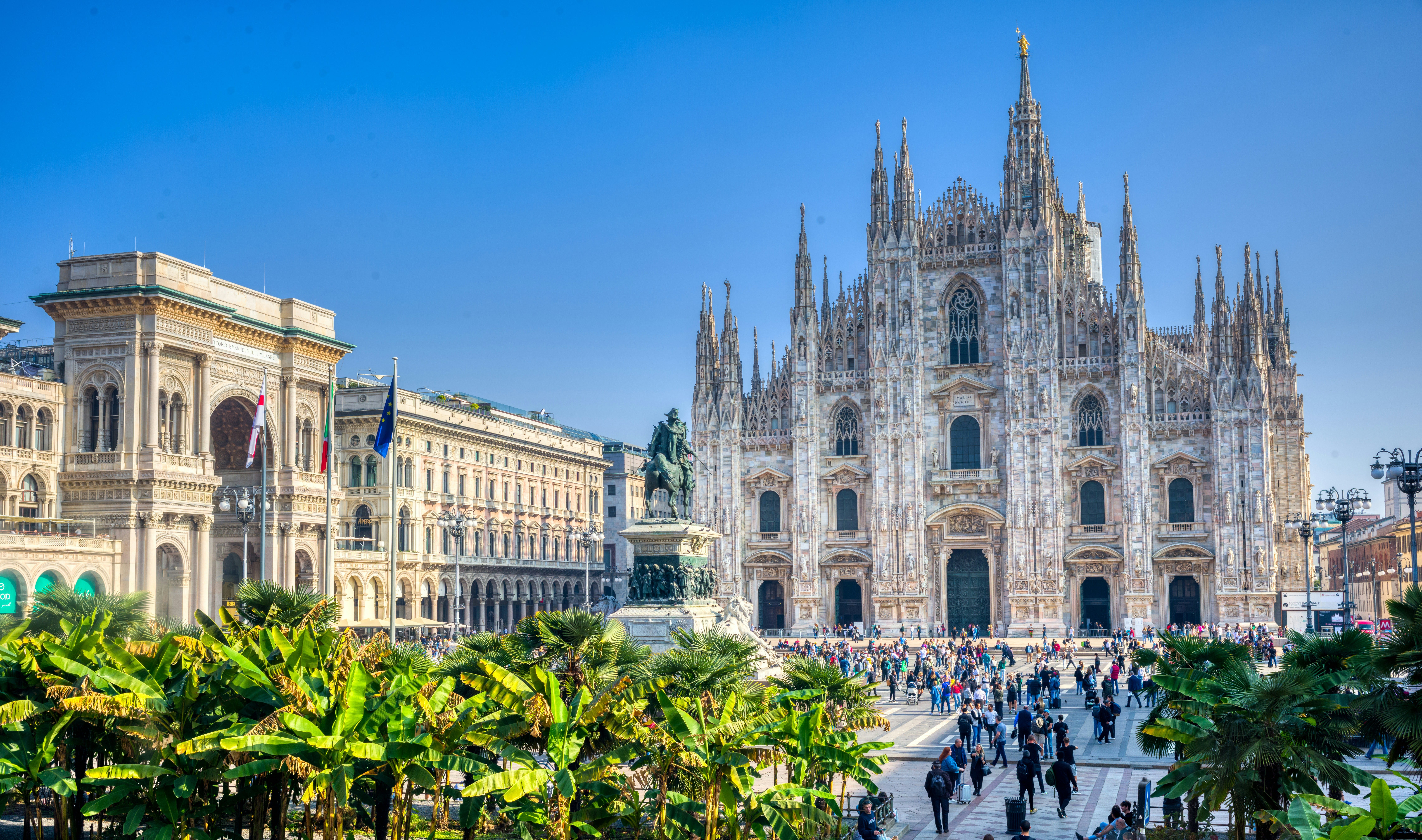
The city itself is said to be changing quickly. Luxury hotels, private clubs and cocktail bars are emerging on the scene. The super-rich also appreciate easy access to Portofino and Lake Como, and Milan’s revamped infrastructure for the Winter Olympics is a bonus.
Not everyone is celebrating, however. Long-term residents are grappling with rising housing costs while salaries for many ordinary workers have failed to keep pace. Critics worry Milan is becoming a playground for the seriously rich, detached from the broader economic struggles facing much of Italy.
For now, the formula seems to be working. But as more global capital flows into Milan, the city may discover that becoming fashionable is the easy part - staying liveable is harder.
Thanks for reading! Take care and stay curious, Sara x
No posts
Comments
Nothing yet. Say the first thing.
Sign in to join the conversation.