
The summer solstice has officially ushered in the season for those of us in the Northern Hemisphere. Europe’s heatwave, which I experienced first-hand, was a key part of June’s news cycle, from the ongoing US-Iran conflict to the devastating earthquake in Venezuela.
Beyond the headlines, here are three stories that stood out to me.
French President Emmanuel Macron and Italian Prime Minister Giorgia Meloni don’t always see eye to eye. But after months of public disagreements, the two leaders are making a concerted effort to reset relations.
The pair met in Antibes on 25 June, presenting a united front on defence, migration and support for Ukraine. The rapprochement follows a period of tension over EU appointments and differing political styles, with Macron positioning himself as a centrist internationalist and Meloni heading a prominent conservative government.
Ironically, it may be Donald Trump who has brought them closer together. Politico argues that renewed uncertainty over Washington’s commitment to Europe has encouraged Paris and Rome to put their differences aside. As security concerns mount and economic pressures persist, neither country can afford prolonged friction.
The warming relationship reflects political pragmatism. France and Italy disagree on plenty, but they share an interest in strengthening Europe’s industrial base, managing migration across the Mediterranean and responding to an unpredictable geopolitical landscape.
Whether the détente lasts is another question. For now, however, Macron and Meloni appear to have concluded that cooperation is more valuable than confrontation.
South Korea’s stock market has been on a rollercoaster ride. After surging on optimism around artificial intelligence and microchip exports, the benchmark KOSPI suffered a sharp sell-off this month, reminding investors how sentiment can suddenly turn.
Unlike more diversified indices such as the Nikkei 225 (Japan) or CAC 40 (France), the KOSPI is heavily dependent on a handful of companies. Samsung Electronics and SK Hynix alone account for a substantial share of the index. When enthusiasm around AI gathers pace, the market rallies. When doubts emerge over chip demand, valuations or geopolitics, the entire exchange feels the impact.
The concentration reflects South Korea’s broader economic model. For decades, family-controlled conglomerates, known as chaebol, have fuelled the country’s rise into a global manufacturing and technology powerhouse. But their dominance also leaves investors with fewer alternatives.
The KOSPI’s incredible boom this year has attracted a new generation of retail investors, many hoping to ride the country’s AI success story. Yet analysts warn that the KOSPI’s fortunes are becoming increasingly tied to two companies and one industry.
For fans, the 2026 FIFA World Cup has been an expensive affair. Flights, accommodation and match tickets have stretched budgets, particularly with the tournament spread across three countries. For the competing teams, however, the finances look rather different.
FIFA has earmarked a record US$871 million in total prize money for the tournament, making it the most lucrative World Cup in history. Every nation is guaranteed a minimum payment ($12.5 million) simply for qualifying, with the rewards rising at each stage of the competition. The eventual champions will walk away with $50 million.
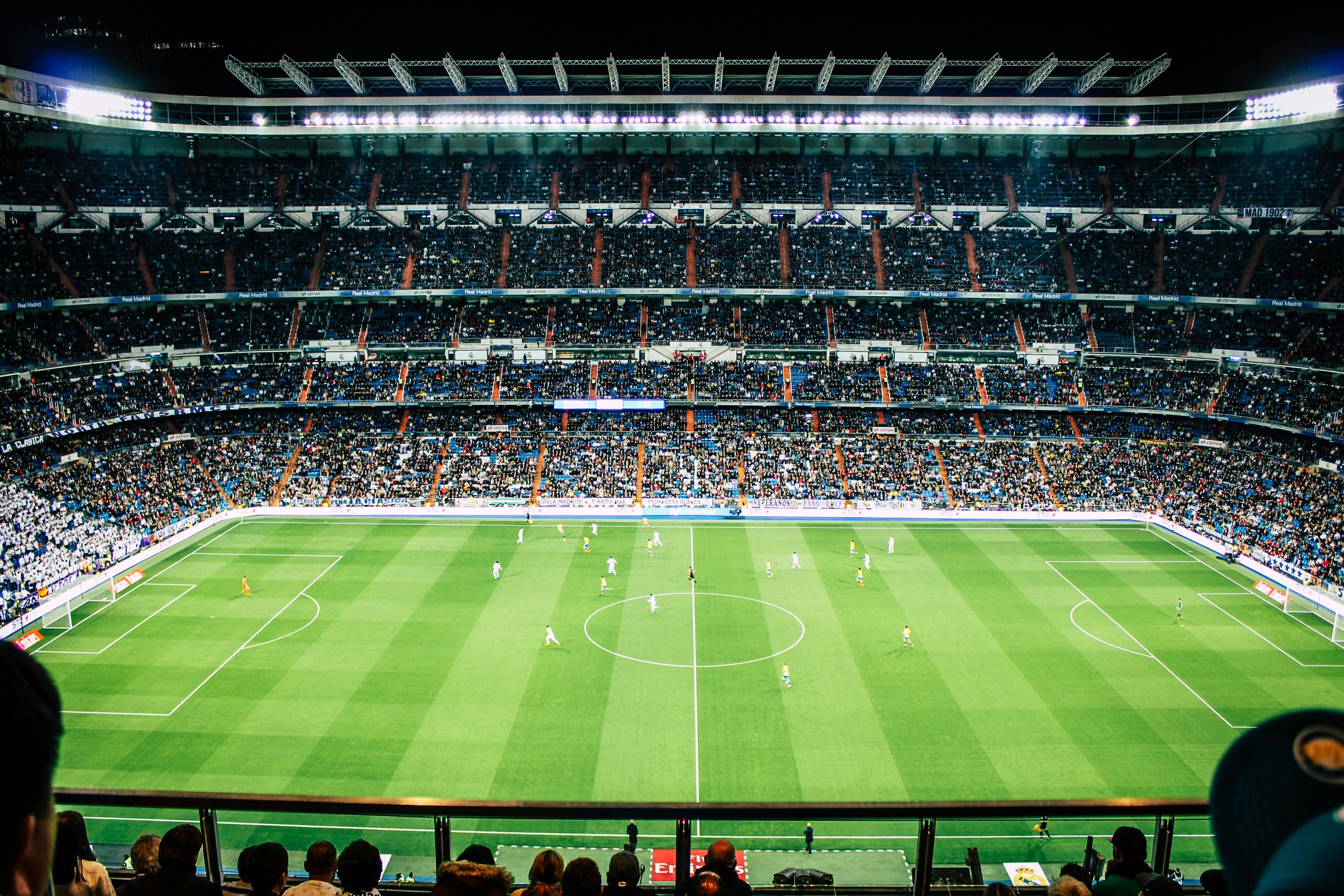
The windfall reflects football’s commercial appeal. Expanded television rights, sponsorship deals and larger crowds have swelled FIFA’s revenues, allowing it to distribute huge amounts of cash. For smaller footballing nations, a successful World Cup is no longer just a sporting achievement - it can also be a financial lifeline.
The sums also reinforce FIFA’s influence over the global game. Prize money has become a powerful incentive, especially for emerging football nations, while Europe’s biggest clubs continue to question whether a crowded international calendar is sustainable for players.
Thanks for reading! Take care and stay curious, Sara x
No posts
Comments
Nothing yet. Say the first thing.
Sign in to join the conversation.