
Readers may know I have personal ties to the Middle East. Earlier this month, I spent a week in Dubai, where the experience was surreal - particularly hearing missile interceptions and receiving alerts. Even so, life carried on and I felt safe.
There’s been no shortage of predictions about Dubai’s decline and whether wealthy expats have fled for good. There’s less discussion of the city’s day-to-day resilience, or the perspective of long-term residents.
With that in mind, here are three stories on my radar.
The UAE is cancelling its membership of OPEC after nearly 60 years. As of 1 May, the Gulf state will manage its energy policy independently of the oil producer alliance.
Abu Dhabi’s sudden announcement sent shockwaves across the Middle East as well as global markets. The UAE is the third-biggest oil supplier in OPEC, making its departure consequential for the group.
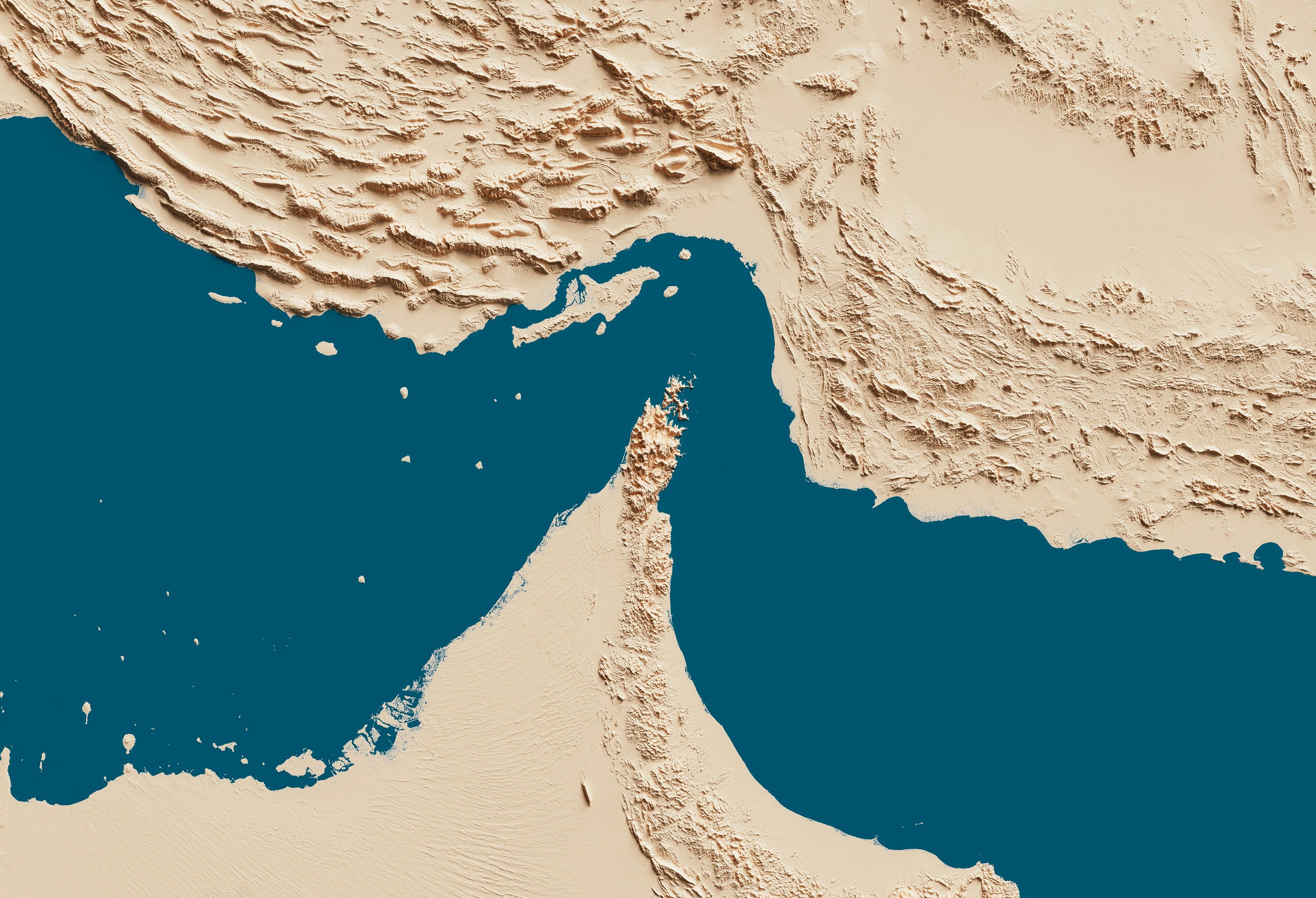
In the short term, the impact is muted due to the blockade of the Strait of Hormuz. Hardly any tankers are getting out of the region, so output and deliveries are already disrupted.
But the longer-term implications are more complex. If the Emirates expand production beyond OPEC’s quotas, it could limit the cartel’s influence over prices.
The UAE’s energy minister has said the country is committed to being a responsible partner. Industry experts, however, see a chance for Abu Dhabi to ramp up exports without constraints once conditions stabilise.
The Iran war is not the sole issue. Friction between the UAE and Saudi Arabia has been simmering for years, reflecting a divergence in strategy. As Bloomberg reports, the UAE is keen to monetise its hydrocarbon reserves before the green transition accelerates. Riyadh, on the other hand, favours tighter control over output to support prices.
The split runs in parallel to their competition for regional sway, from attracting global business to military intervention abroad.
According to Eurasia’s Ian Bremmer, geopolitical developments are eroding trust in institutions. Indeed, the UAE’s diplomatic adviser Anwar Gargash has posed this very question - are blocs such as the Arab League fit for purpose in light of the conflict with Iran.
Quite often the numbers coming out of Silicon Valley are so enormous that it’s hard to digest what the reality is.
How can Amazon plan to lay off 16,000 workers while also investing US$5 billion in Anthropic? Why is Meta reducing headcount by 10% but then pouring $10 billion into a data centre in Texas?
The actions are jarring, which is why business news outlets have been examining the trends and C-suite statements.
Analysts agree that several factors are at play here: tech giants over-hired during the pandemic; capital is being redirected to AI projects; and advances in AI tools are making it easier to automate certain tasks.
But it’s the latter point causing the most controversy. Machine-learning experts say the existing technology can’t yet take human jobs at scale. Even Sam Altman, CEO of OpenAI, says he suspects some companies are “blaming AI for layoffs that they would otherwise do”.
Artificial intelligence will eventually disrupt the workforce, however, the likes of Mark Zuckerberg and Jack Dorsey appear to be using AI as a cover for other financial pressures.
There’s a psychological element too. Layoffs are stressful for those on the receiving end as well as the remaining employees.
An article in NY Mag called ‘The Downgrading of the American Tech Worker’, touches on the power dynamics in the industry. Software engineers and product designers who were rewarded handsomely have discovered they’ve lost leverage. And, adding salt to the wound, they’re being instructed to train AI agents to replace them.
It’s rare for the White House and the Vatican to openly feud but these are strange times we’re living in.
On 11 April, Pope Leo XIV led a prayer vigil for peace at Saint Peter's Basilica. Although he didn’t name anyone explicitly, his references to “the idolatry of self and money” and “the madness of war” were widely interpreted as a veiled critique of Donald Trump.
Trump responded swiftly on Truth Social, writing: “Pope Leo is WEAK on Crime, and terrible for Foreign Policy”. Days later, when asked about the criticism, Leo said he had “no fear” of the administration and would continue to promote the message of the gospel (“blessed are the peacemakers”).
Such a public standoff is highly unusual. The whole episode has prompted Italy’s Giorgia Meloni to weigh in. “I find President Trump’s words against the Holy Father unacceptable,” she said.
Meanwhile, US Vice President JD Vance, a Catholic, said he respected the pope’s right to comment but contested his stance on the Iran conflict.
Part of the tension lies in the pope’s identity. As the first US citizen to lead the Catholic Church, Leo’s fluency in English - and familiarity with American political culture - removes ambiguity. There are no translation mishaps.
Vatican observers note that Leo is becoming more confident expressing his views. During a visit to Cameroon on 16 April, he warned that the world is being “ravaged by a handful of tyrants” who spend heavily on war.
Thanks for reading! Take care and stay curious, Sara x
No posts
Comments
Nothing yet. Say the first thing.
Sign in to join the conversation.