
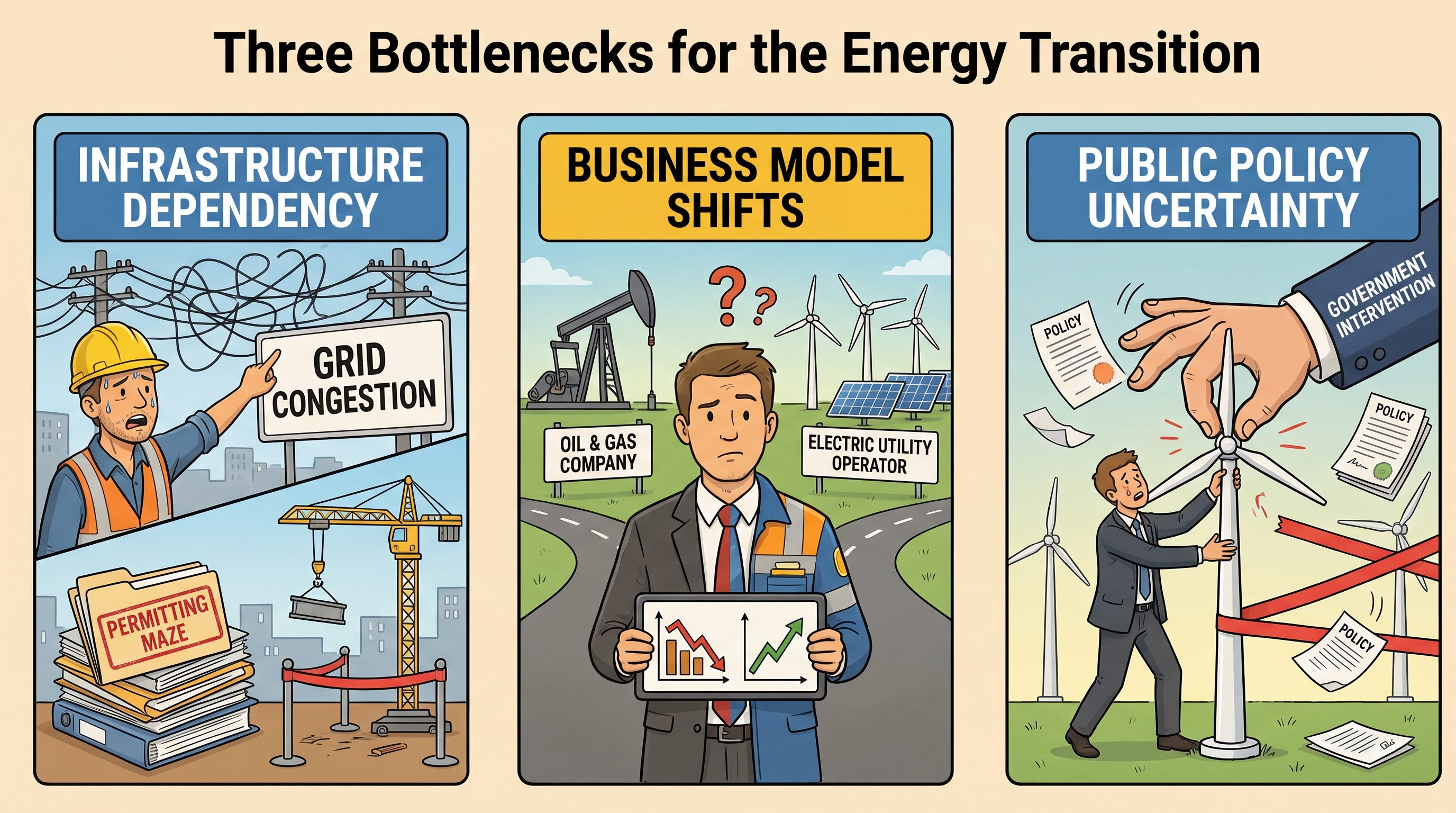
Renewable energy investment and deployment continue at scale. Further growth now needs to begin displacing fossil fuel demand. That will depend on grids, permitting, workable business models and policies that vary sharply between markets. In this Ask David, I discuss what has changed, the main bottlenecks and where I see the most important opportunities emerging.
This is Ask David, an ongoing series where David answers the questions sustainability teams are navigating today and offers actionable advice on demonstrating financial value, strengthening business strategy, managing risk, and driving real organizational impact.
If you want to submit a question to be answered in a future edition, let us know in the comments section.
Yeah, I think what is important to recognize is just how far we have come. We have now deployed a large enough amount of renewable energy and invested enough capital that renewables are mainstream and a central part of the global energy system. That is a huge success. The cost of solar panels has fallen by close to 99% over the past two decades, while global solar capacity has increased more than a hundredfold. In 2025 alone, more than 690 gigawatts of renewable capacity was added around the world.
The real question is where we go from here. How do we continue that growth while also eating into fossil fuel demand? That’s where the emissions reductions are ultimately going to come from.
We are working with an investor looking at new opportunities, and we have been discussing rising global energy demand and the infrastructure needed to support it. Certain renewable business models have worked better than others, and the next stage of the transition will bring different financing and development needs from those we have dealt with previously.
Comments
Nothing yet. Say the first thing.
Sign in to join the conversation.