
Here’s what we cover this week across the world of sustainability, risk, and finance:
At a glance:
Risk | Demand for Air Conditioning Could Cost Electricity Grids Over $300 Billion
Finance | ESG Income Fund Analysis Shows No Yield Trade-Off
Regulation | UK Water Scarcity Poses a National Security Risk
Policy | Investors Managing $33 Trillion in Assets Believe the Sector is Falling Short on Policy Engagement
Research | AI is Closing the Weather-Climate Model Gap
More Levers, Harder Choices: Carbon Credits, Commodities, and EACs Under SBTi V2
10 September | 11 AM EDT | 4 PM BST | Online
I will be speaking at a webinar hosted by Sylvera on carbon credits, lower-carbon commodities, and certificates under SBTi CNZS V2. We’ll also discuss how to optimize decarbonization strategies.
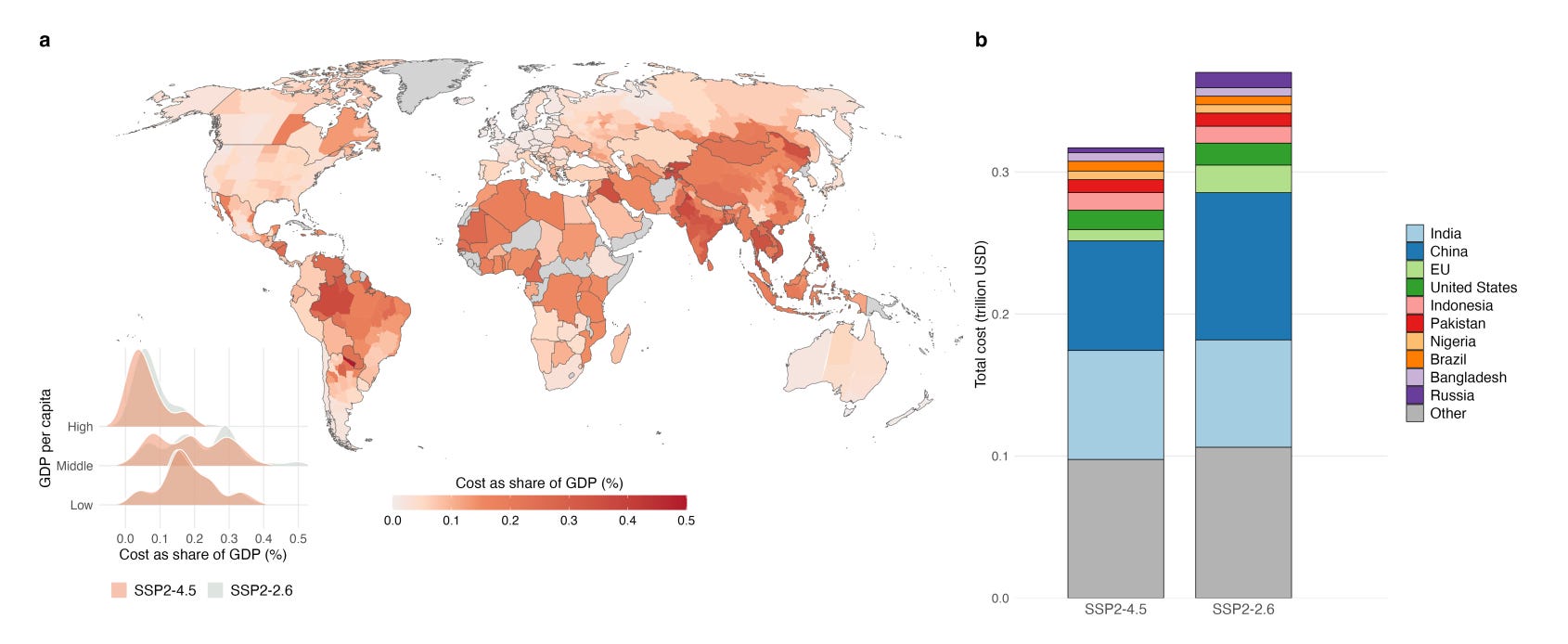
New research from the Grantham Research Institute on Climate Change and the Environment finds that rising demand for air conditioning and electric heating will significantly increase pressure on electricity grids through 2050. Using high-frequency electricity demand data from more than 70 countries, the study projects that average per capita electricity demand for heating and cooling will rise 13% globally by 2050.
Moreover, the greater challenge is peak demand. During periods of extreme heat or cold, demand is projected to rise by 24%, nearly twice the increase in average consumption. Meeting those peaks could increase annual global electricity grid costs by more than $300 billion by 2050.
The researchers also discuss how low- and middle-income countries will face the largest costs relative to GDP and note China and India alone account for nearly half of the total projected increase.
So what?
Electricity grids have to be able to function during the hottest and coldest periods, precisely when demand is surging, and infrastructure may already be under stress. The report anticipates a 13% rise in average demand. However, the bigger consideration for utilities and their investors is the 24% spike in peak demand since grids need to be able to function under all conditions.
This study also illustrates how adaptation influences energy transition decisions. Air conditioning protects people from extreme heat, while heat pumps support decarbonization, but both increase dependence on reliable electricity. Resilience investment, grid capacity, appliance efficiency, and better buildings will increasingly need to develop alongside electrification.
Access the study here
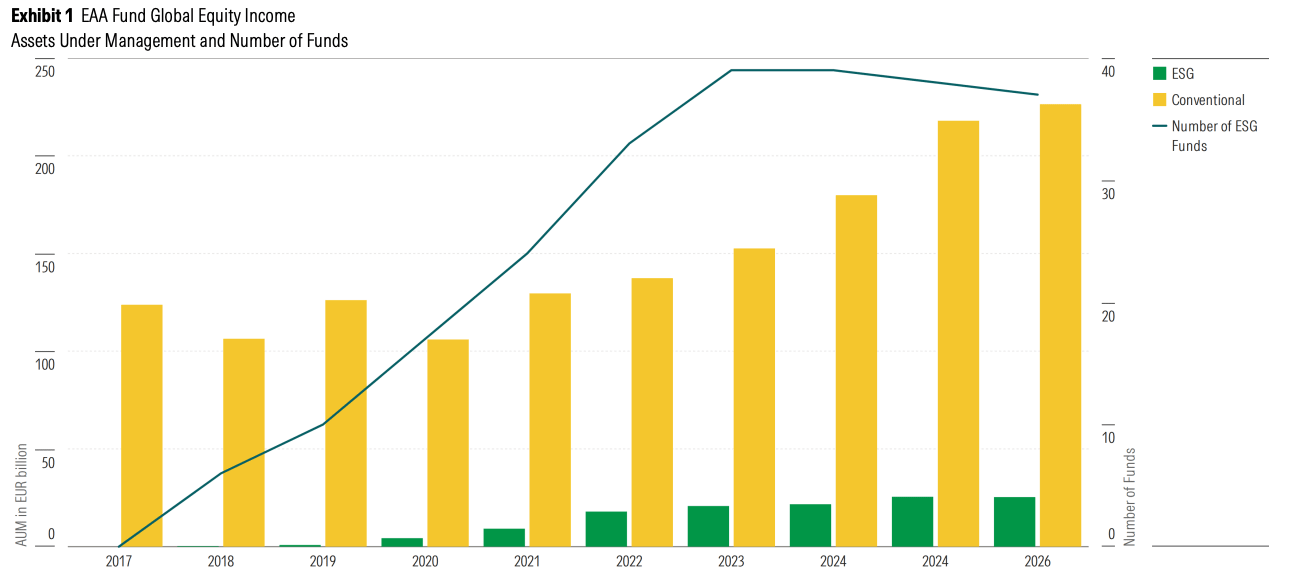
Morningstar research suggests investors don’t need to choose between income and ESG priorities: they can achieve both! The ESG income fund market has grown from a niche category in 2018 to 40 funds managing around $28 billion today, with Europe accounting for the largest share of assets.
Across 159 EMEA income strategies, ESG funds delivered an average yield of 3.7%, compared with 3.4% for conventional peers. Morningstar also found that around three-quarters of assets held by ESG income funds had low or negligible ESG risk, while 72% of funds had greater exposure to low-carbon-risk assets.
The results vary by manager and portfolio construction. Funds excluding high-dividend oil and gas companies can sometimes yield less than conventional equivalents.
So what?
These findings provide evidence that the trade-off between financial goals and ESG objectives is a false choice. Responsible business is good business. At the fund level, ESG strategies were able to reduce exposure to transition risks while maintaining competitive yields.
Transition risk is ultimately about changes in policy, technology and markets reshaping the relative attractiveness of assets.
Read more from Net Zero Investor
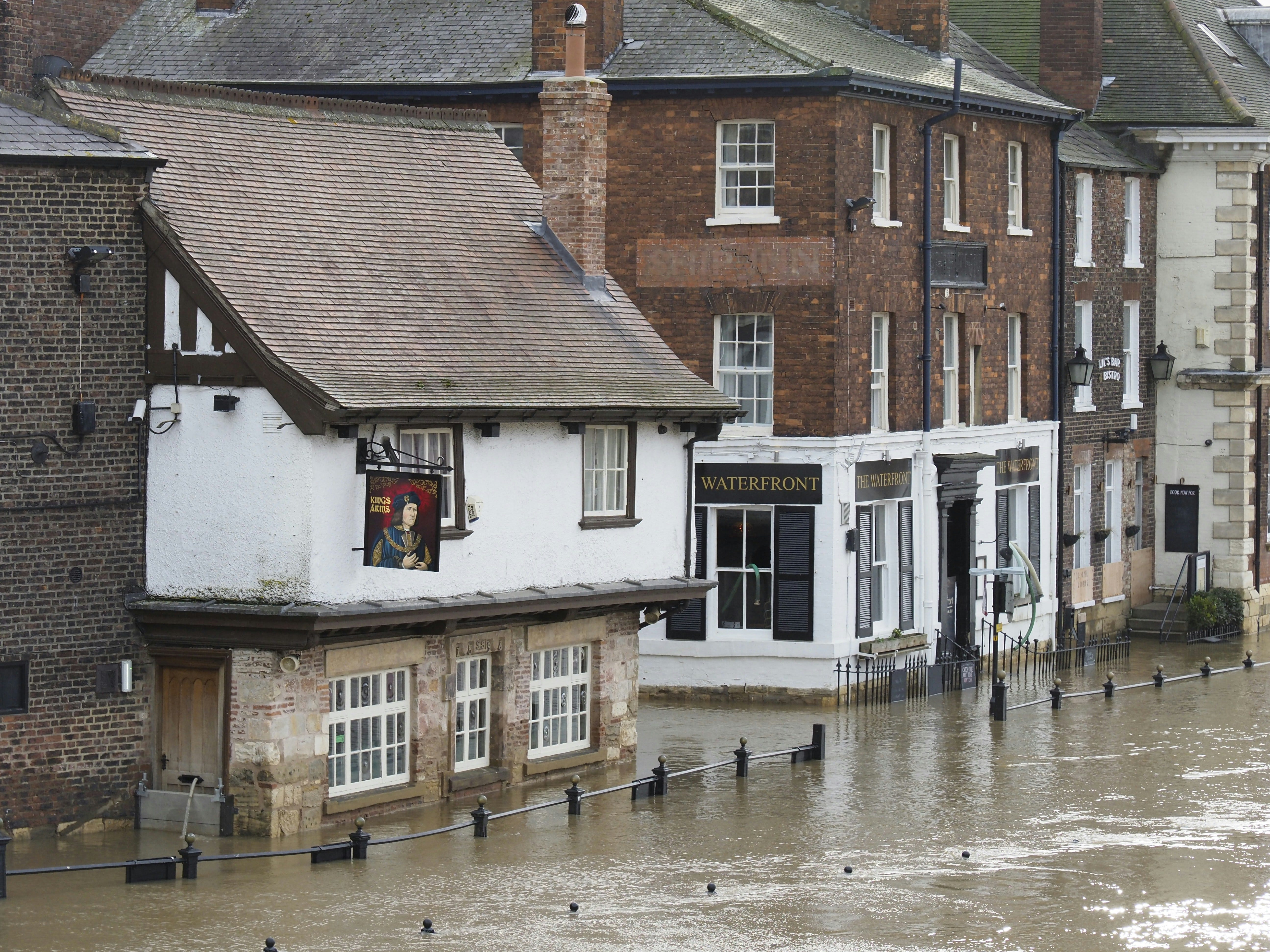
England’s worsening water stress is increasing pressure on regulators, utilities and public finances. Moody’s continues to hold a negative outlook on the UK water sector, citing uncertainty over the sector’s strategic direction, investment needs and service improvements.
The Climate Change Committee estimates that flooding already costs the UK economy around £3.3 billion a year, while water scarcity causes roughly £3.8 billion in annual losses. Maintaining flood risk at around today’s levels could require up to £2.2 billion of investment each year, with a further £0.9 billion to £2.6 billion needed annually for drought resilience.
Regulators are also paying closer attention. The PRA has tightened climate risk management expectations for banks and insurers, while the FCA has highlighted risks including reduced insurance access and higher costs for consumers.
So what?
Water risk is moving quickly from an environmental concern into a regulatory, fiscal and credit issue. There is a growing concern for the resilience of infrastructure, business models and financing arrangements as droughts and floods intensify.
The UK lacks a consistent framework for tracking adaptation spending against future losses, which makes it difficult for policymakers to clearly judge whether current investment is sufficient.
Better adaptation accounting would help governments prioritize spending, give investors more confidence, and make the long-term costs of inaction harder to ignore.
Read more from Green Central Banking
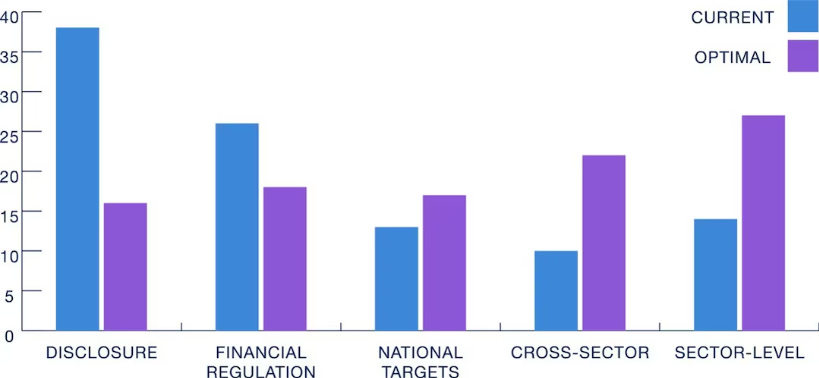
Institutional investors are reassessing whether traditional climate strategies are sufficient to protect long-term portfolio value. Portfolio-level net-zero targets, divestment and corporate engagement have all grown rapidly, but new research based on conversations with more than 100 institutional investors representing roughly $33 trillion in assets suggests many believe these tools cannot drive the transition fast enough on their own.
This has led to a newfound focus on climate policy engagement. Today, only around a quarter of investors’ climate engagement resources go toward real-economy policies such as power markets and carbon pricing, while investors surveyed said the optimal share would be roughly double that. In Asia, the proportion of major investors engaging on climate policy and regulation rose from 25% to around one-third between 2024 and 2025.
The argument is that addressing systemic climate risk requires changing the real economy, not simply improving how financial markets price it.
So what?
This is an important turning point in how investors approach climate risk. Better disclosure and portfolio construction can help investors understand and manage exposure, but they cannot remove a systemic risk that affects the whole economy.
The bigger levers sit in policy, technology and markets. Carbon prices, power market rules, industrial policy and infrastructure investment can change the economics of entire sectors and determine whether low-carbon investments become commercially viable.
For long-term investors, engaging with these policies can therefore be part of risk management. If climate change creates non-diversifiable risks to returns, investors have a clear financial interest in supporting policy frameworks that accelerate investment, reduce uncertainty and make the transition more investable.
Read more from Reuters
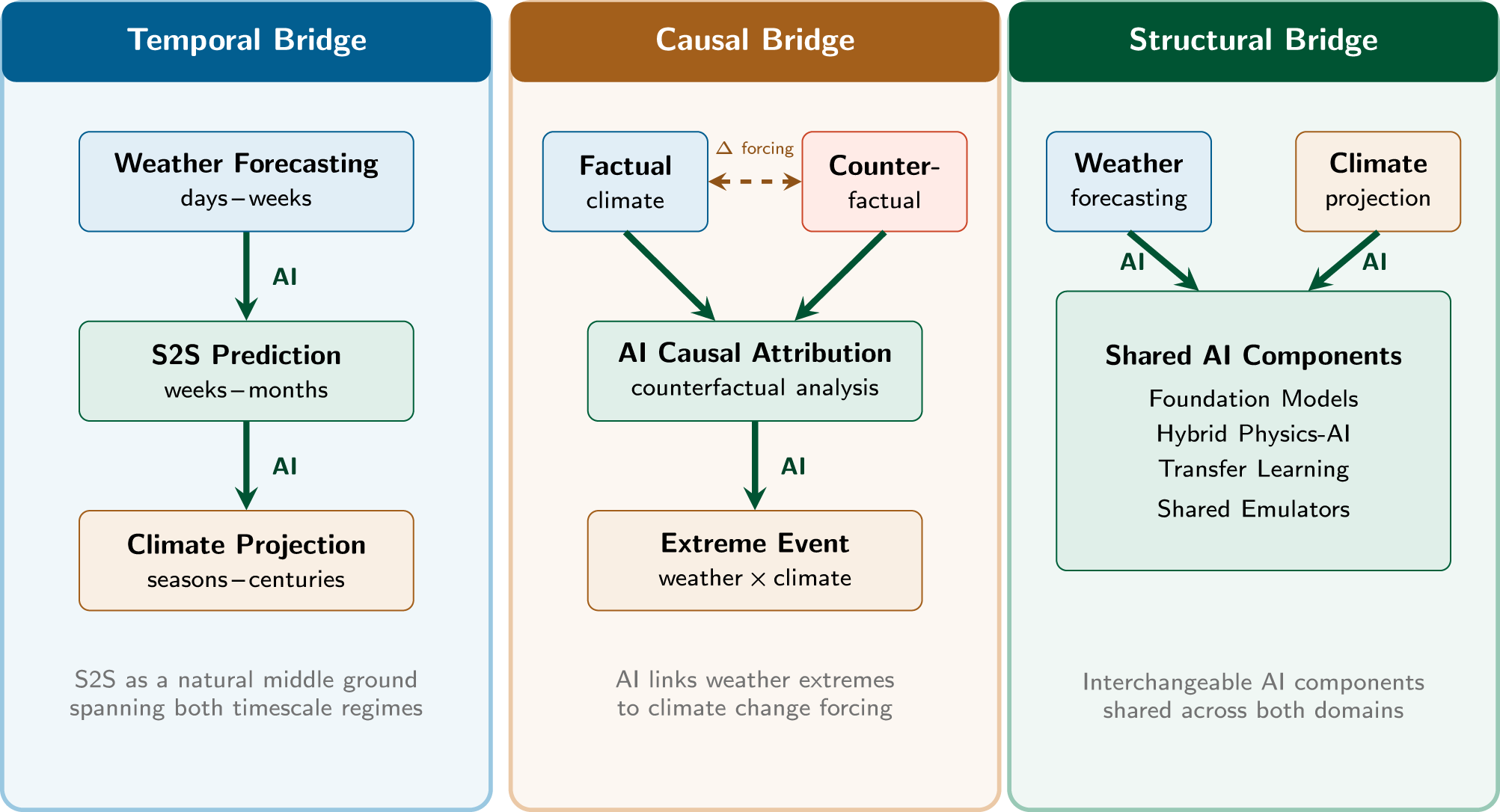
A new Nature Communications paper argues that AI could help close the long-standing divide between weather forecasting and climate modelling. Historically, the two fields have used different models, data and methods to answer questions ranging from tomorrow’s weather to conditions decades from now.
AI is beginning to connect these timescales. The authors identify three emerging bridges:
Improved subseasonal-to-seasonal forecasting,
AI-based attribution linking extreme events to climate change, and
Shared technologies such as foundation models and hybrid physics-AI systems that can be used across both weather and climate applications.
Nevertheless, significant challenges remain. AI models can still struggle with record-breaking extremes, long-term projections have limited ground truth for validation, and data gaps can produce weaker results in vulnerable regions. Trust, transparency and access to computing resources will also determine how widely these advances can be used.
So what?
Businesses often rely on one set of tools for near-term weather disruption and another for understanding how climate risk may evolve over decades. In the future, AI could connect those two decision horizons and make climate information much more useful for decisions on assets, supply chains, insurance and capital allocation.
Better forecasting can help organizations anticipate immediate shocks, while improved downscaling and climate modelling can inform longer-term resilience investments.
Climate models increasingly influence insurance, credit ratings and investment decisions, so accuracy during extreme events, transparency and regional data quality matter enormously. AI can strengthen climate risk analysis, but firms will need to understand where models are robust and where uncertainty remains.
Access the full study here
Enjoyed this analysis? D. A. Carlin & Company helps clients navigate these turbulent times through strategic briefings, practical capacity-building workshops, and regulatory support. Book a call with us today (info@dacarlin.com) and find out how we can give you and your team the future-ready skills and strategies you need.
No posts
Comments
Nothing yet. Say the first thing.
Sign in to join the conversation.