
We finally did it.
After years of thinking about it, talking about it, and seriously considering it, this month our family headed west to visit some of the crown jewels of America’s national park system. I’d like to say the timing was intentional to correspond with America250, but we were really just taking advantage of Every Kid Outdoors, which gives fourth graders and their families free admission to hundreds of national parks and landmarks.
We left on a Saturday and returned the following Saturday, driving more than 3,000 miles through seven states. Here’s our chronological schedule:
Sunday: Petrified Forest
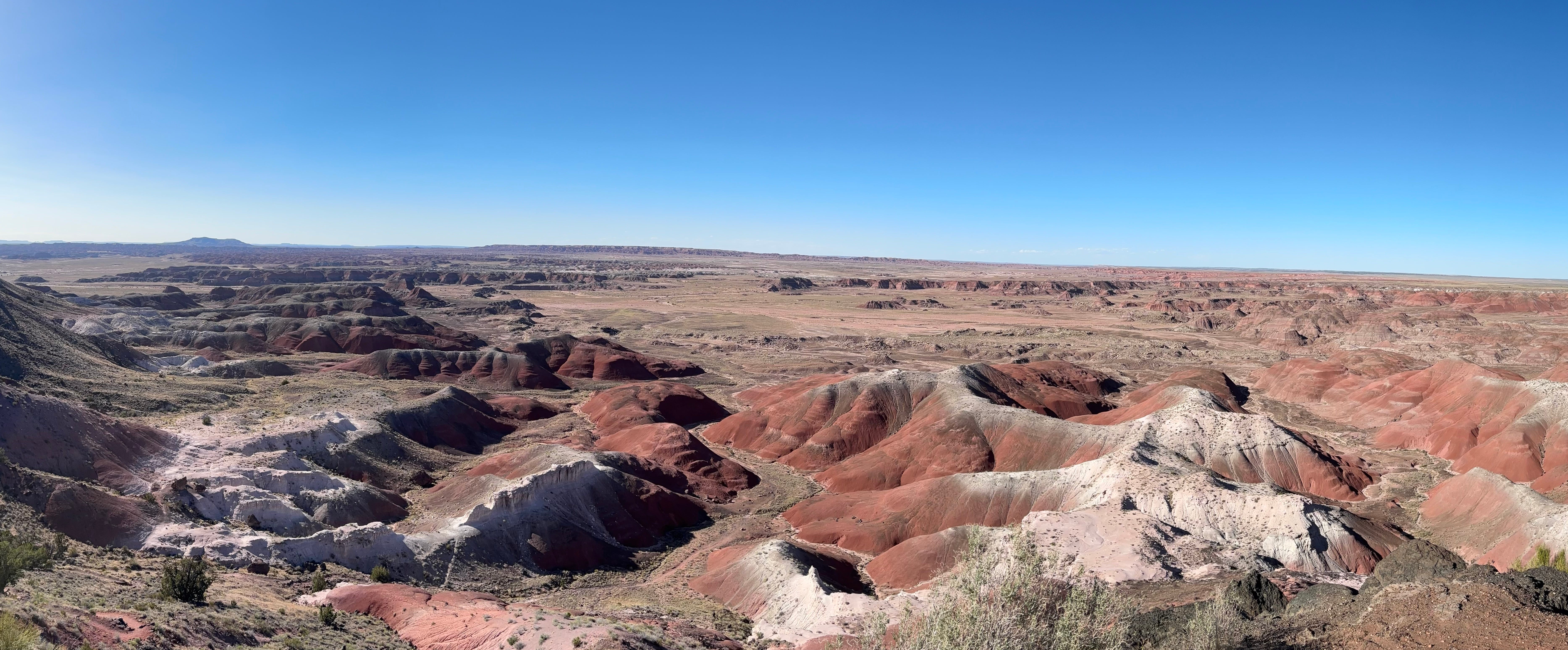
Monday: Grand Canyon
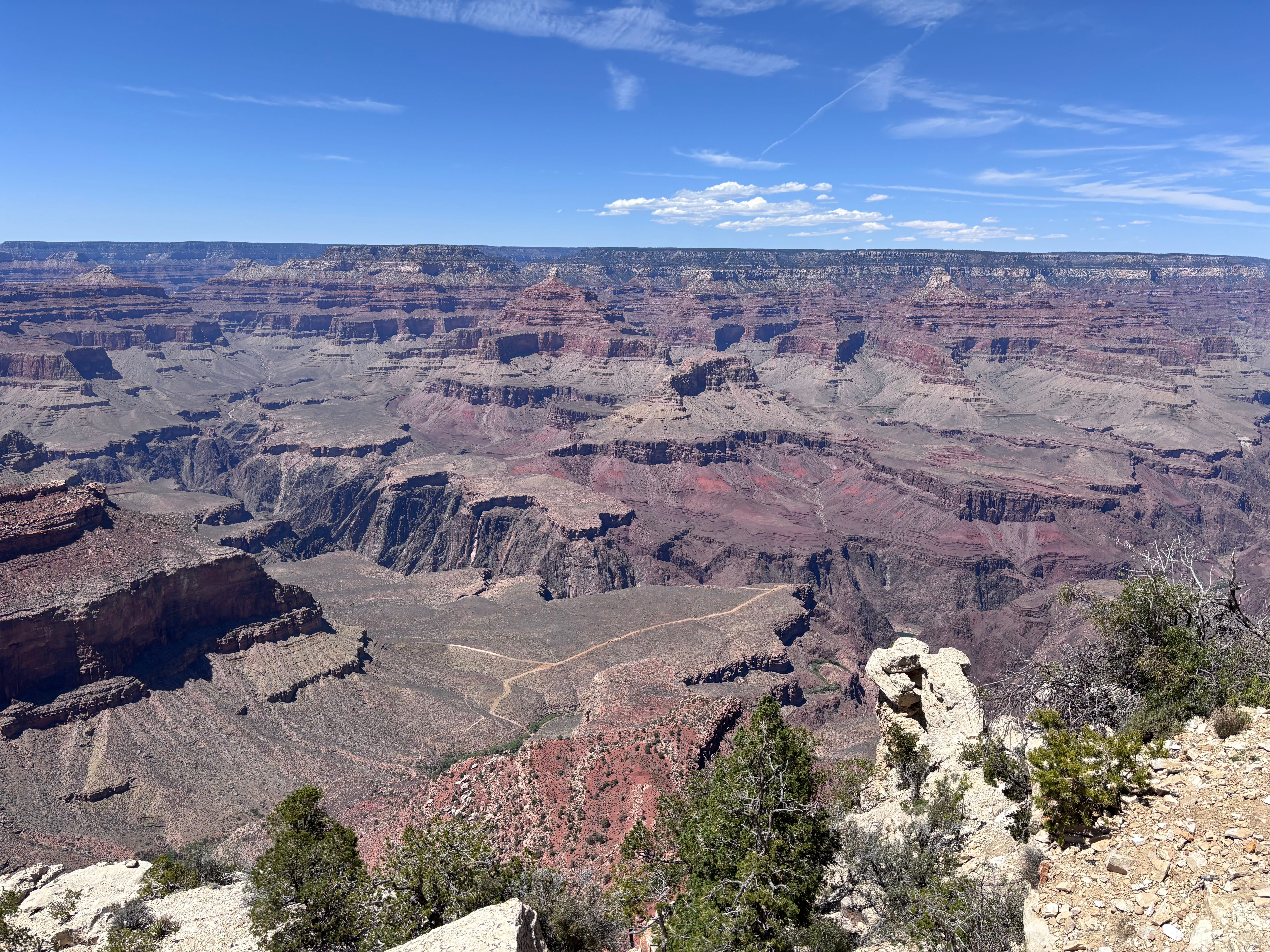
Tuesday: Zion
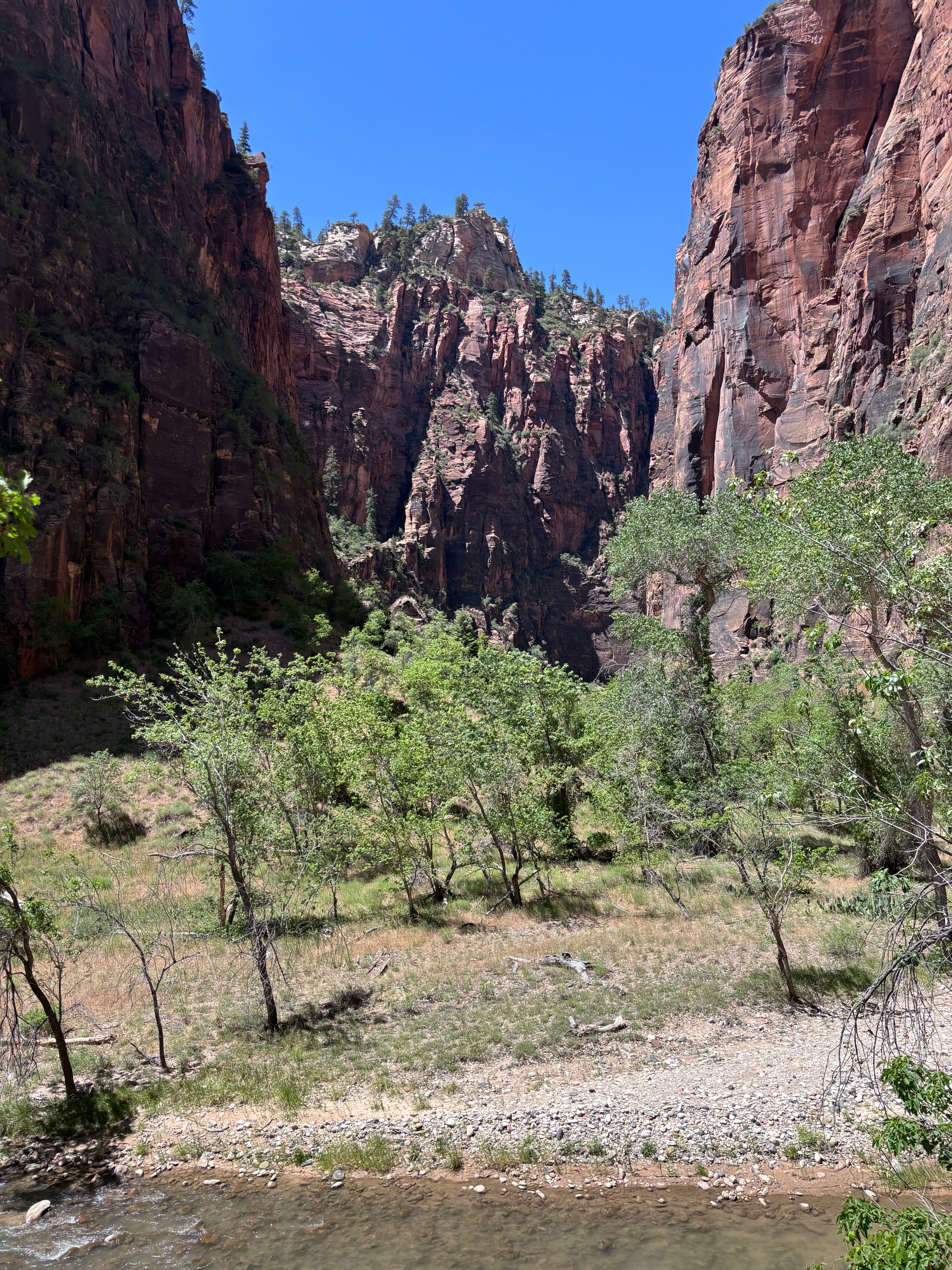
Wednesday: Bryce Canyon and Capitol Reef
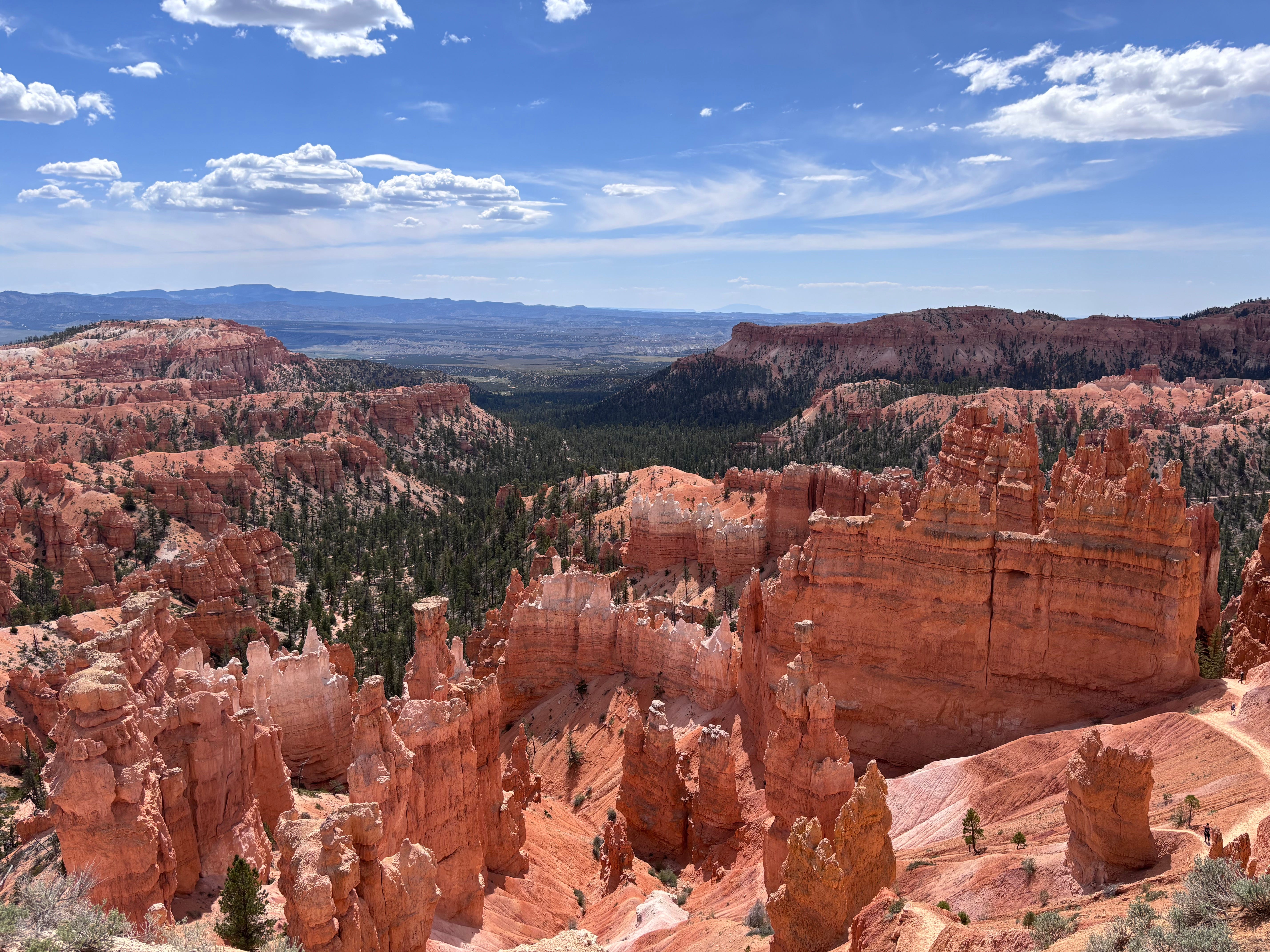
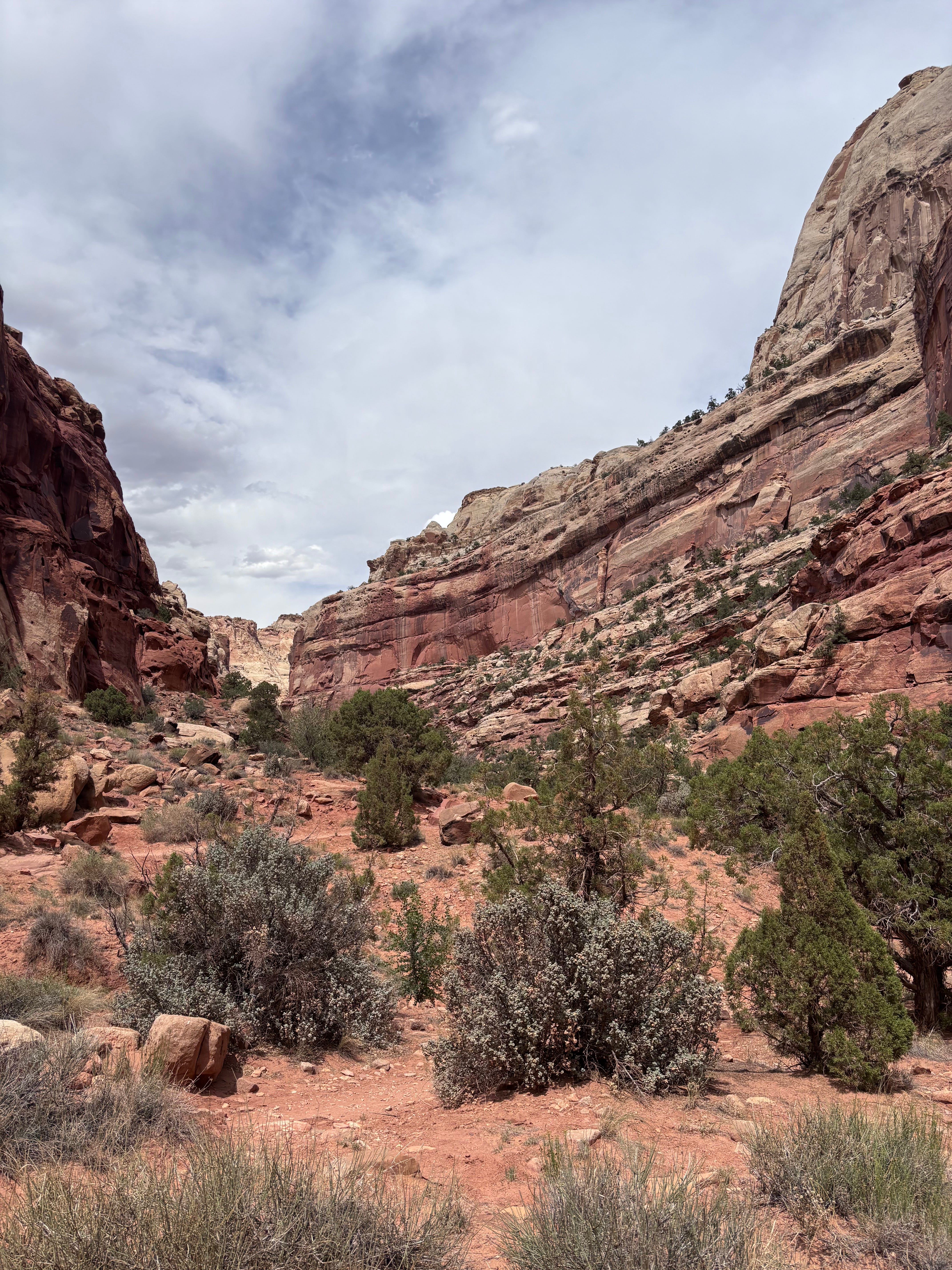
Thursday: Canyonlands and Arches
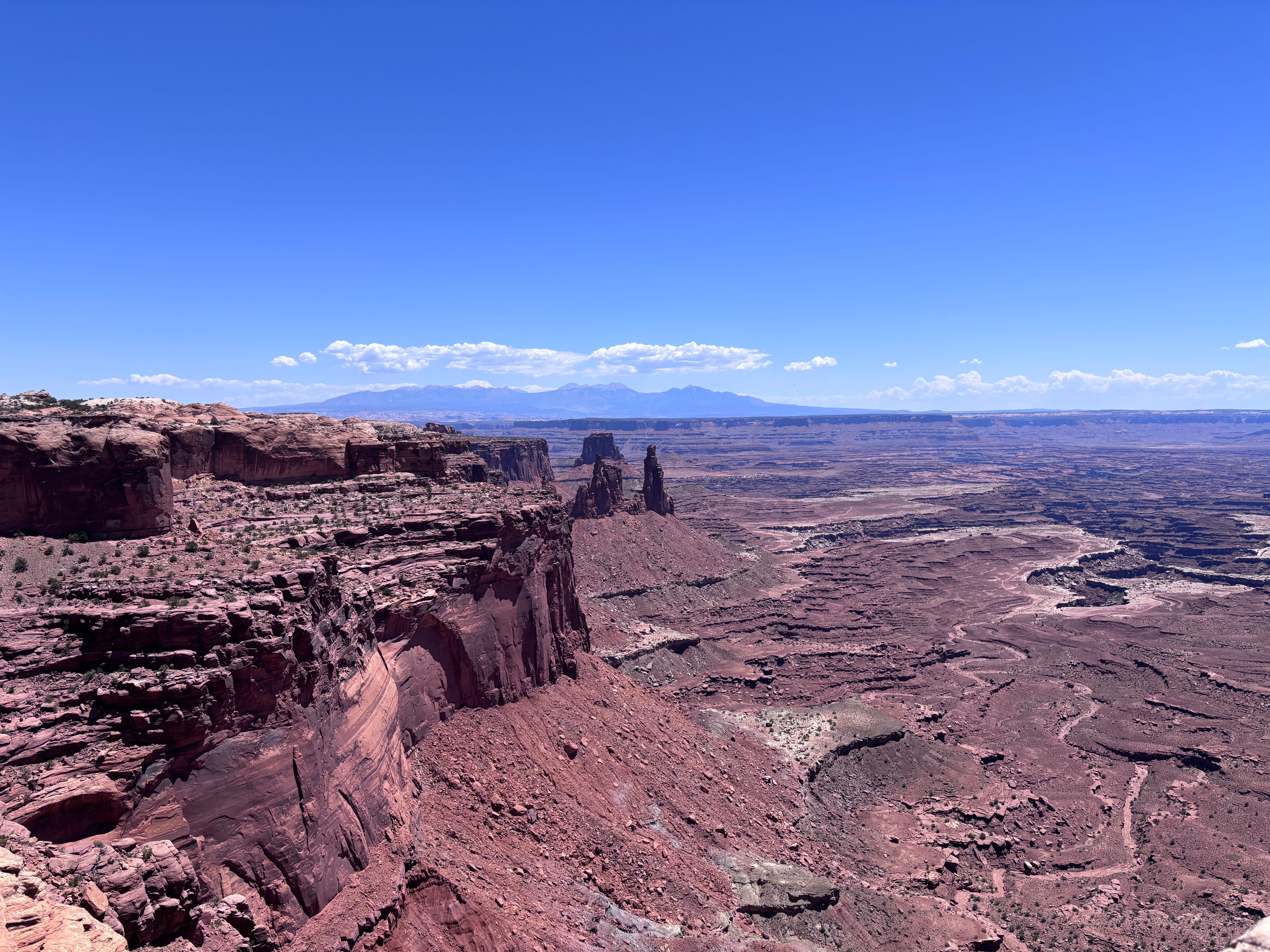
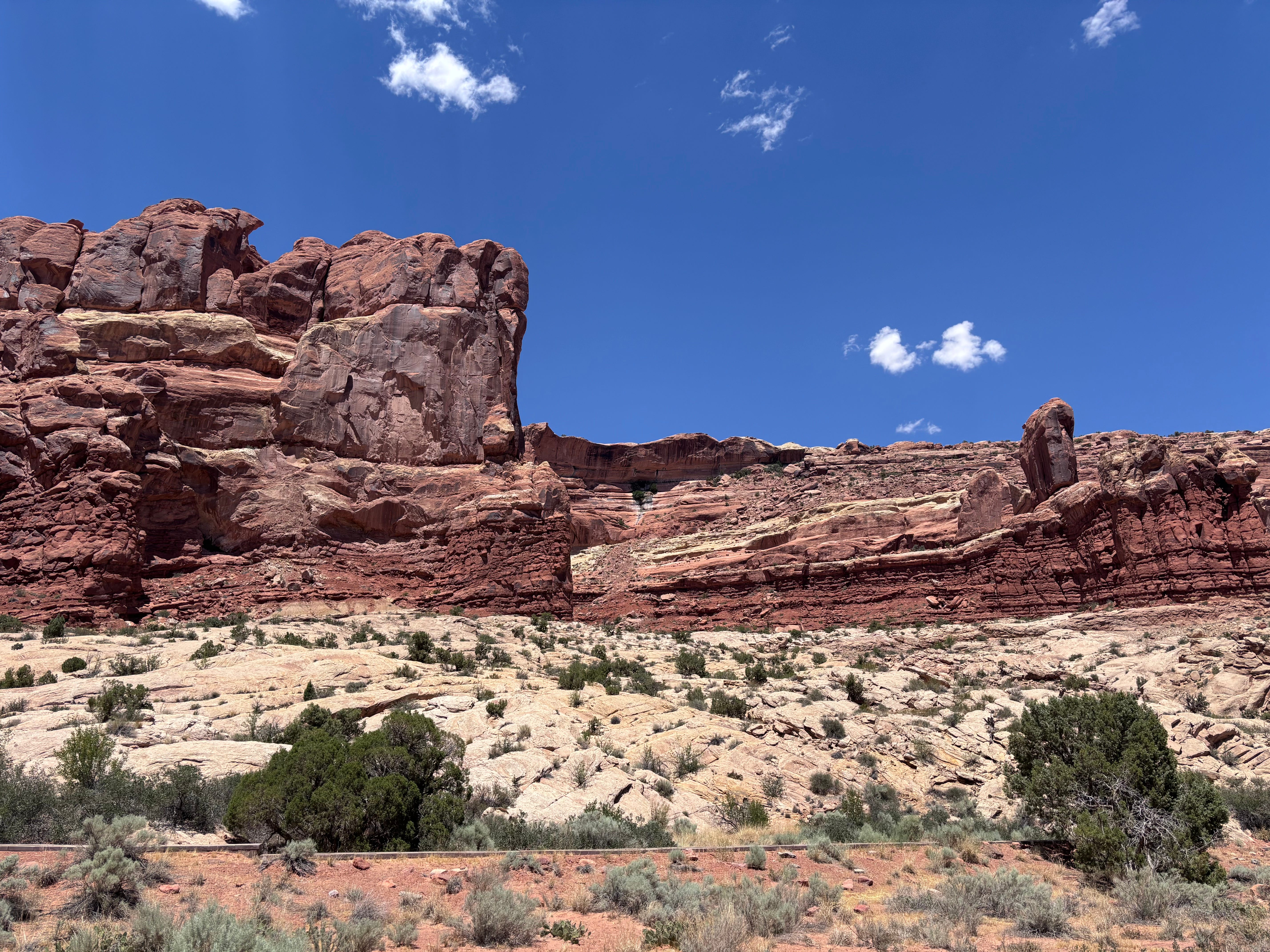
If pressed, I’d rank Bryce Canyon, Canyonlands, and the Grand Canyon as my three favorites. Although it’s kind of crazy not to include Zion on that list. I don’t know. On second thought, I probably shouldn’t attempt to rank them at all.
Oh, and as a bonus, we crossed another MLB stadium off our list — thanks for the memories, Colorado Rockies and Coors Field!

“The New Right Has a Blueprint for Building a Christian America” (Politico)
On paper, Brewington Farms will be a neighborhood like any other; in practice, it’s anything but. The development stands as the cornerstone of the Highland Rim Project, an audacious effort to build conservative Christian “charter communities” throughout Appalachia. Backed by the venture-capital firm New Founding, a Dallas-based fund with extensive ties to the ecosystem of conservative intellectuals and activists known as the New Right, the plan embodies that movement’s core conviction: that conservatives need to use the levers of public and private power to remake American life in their own image. As Abbotoy readily acknowledges, the project is as much an ideological experiment as an entrepreneurial one. What would it look like to build a microcosm of the New Right’s ideal society in the middle of central Tennessee?
“The Declaration as a Pedagogical Tool” (The Vital Center)
How do we approach teaching the Declaration to a room full of people, some of whom have barely read it and others who have read it so much that the preamble has become little more than background noise? What follows is a walkthrough of my preferred method for teaching the Declaration in a variety of courses—something I call disruptive reading. This method allows me to ensure students do not glaze over the hefty claims of the Declaration, allows me to elaborate on some essential historical context, and, most importantly, allows students to be excited about the text.
“Will Hungary Be a Christian Nation After Orbán?” (First Things)
The state can create space for faith. It can protect the Church from persecution. It can even order society in ways that reflect natural law and Christian moral reasoning. But it cannot generate living faith. That remains the Church’s vocation. When governments try to shoulder the Church’s role and when Christian identity becomes a political brand rather than a costly, personal allegiance to the crucified and risen Lord, the project remains shallow. It may win elections for a season, but it rarely produces saints.
No posts
Comments
Nothing yet. Say the first thing.
Sign in to join the conversation.