
I have a three-minute Sci-Fi trailer due by midnight August 15. My budget is zero. I’m doing this solo. The source material novella is my original IP, so success could translate to a lot of good things. Just a little pressure.
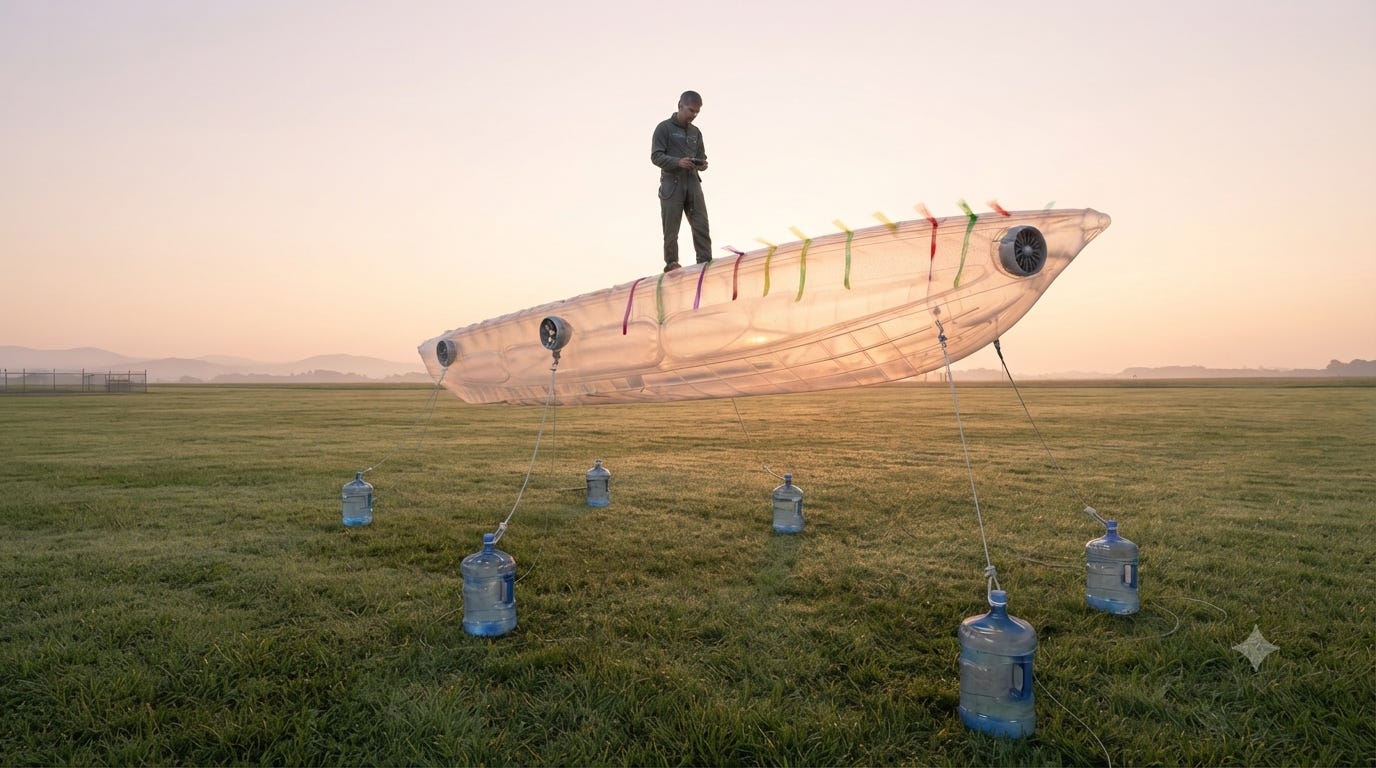
I’ve generated all 77 still images for my shot list as I described last week. I’ve generated 48 of the video clips based on those stills.
Every art has wastage. Feature films such as Apocalypse Now famously had shooting ratios as high as 200:1, meaning 99.5% of the shot footage ended up in the trash. Other directors cut in the camera to prevent studios from butchering their vision, producing near zero wastage. Heck of a gamble; some amazing films.
I’m prompting 8 second video clips and hoping to use 2 seconds, 25%, of the output that is rationed. 5 clips a night, 40 seconds generated, and I might be able to use ten seconds. 75% wastage or more. Because the AI hallucinates worse the longer the video generation goes on. And a longer prompt with more precise constraints often won’t run to completion.
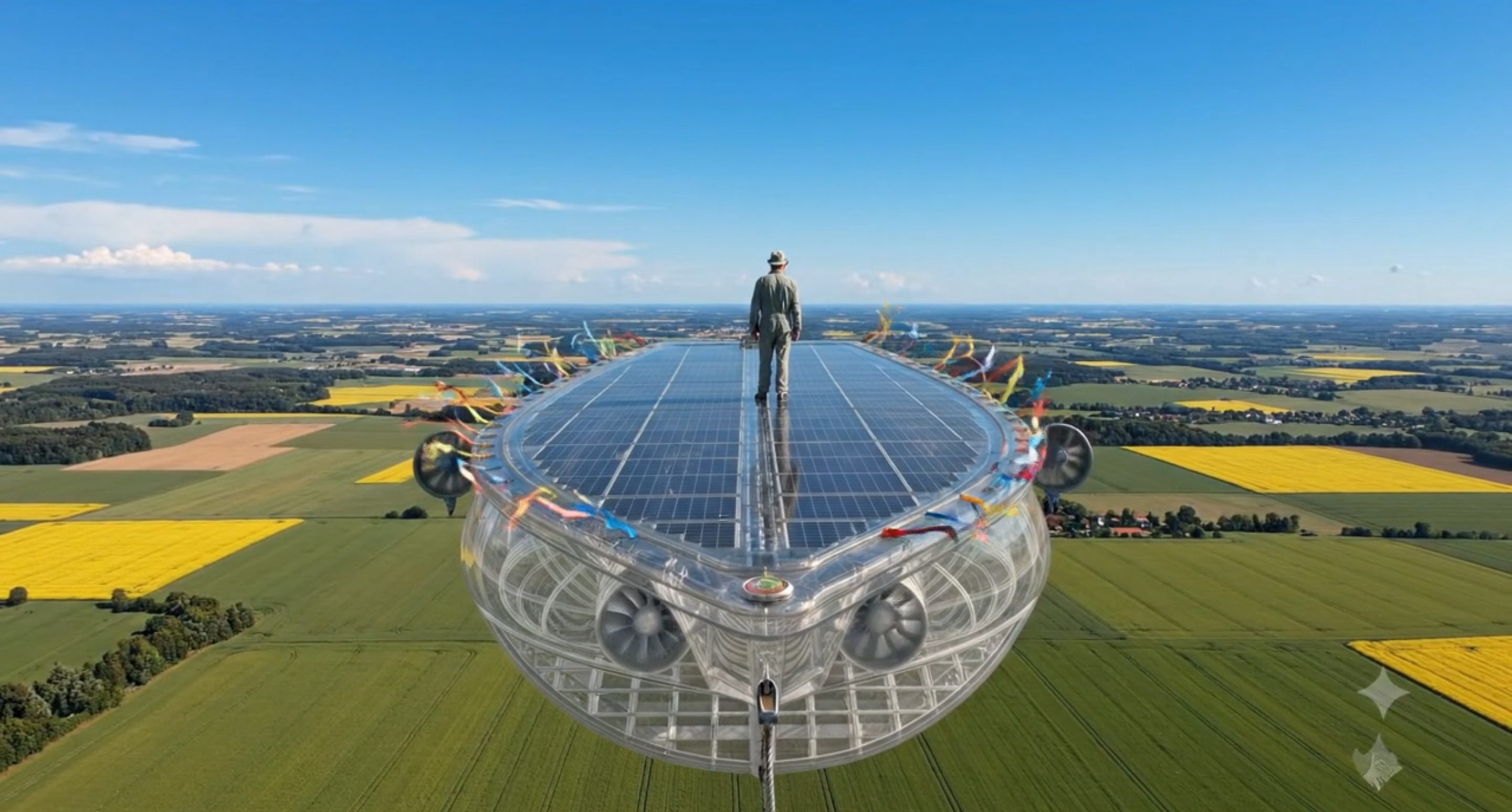
But the ones that work generate images and clips that come darn close to the science fictional sense of wonder I’ve been writing about all these years. Stuff I’ve dreamed up, learned technical drawing to make blueprints of, tried to make models, chased through my dreams and nightmares, put down on the page in words just shy of adequate to reify them.
I made stop-motion animated sci-fi films when I was 13, starting with a cast-off Super8mm film camera that I rigged to shoot single frames. Special effects were sparklers, or energy weapon beams I cut into the developed film emulsion with an etching point.
Fifty years now I’ve been trying to put my visions on a screen. Used every new technology as it became available. Made a few small contributions along the way, but mostly stuck to showing other visionaries how to use the tools.
I wrote some of the first books on CGI character animation by figuring it out for myself and writing it down for others, starting with tutorials in magazines that paid in free subscriptions. Eventually sold tens of thousands of those books. That model of sharing knowledge is pretty much dead now, because no one’s buying tutorial books at fifty bucks a pop when online videos are free.
A second problem with the market for DIY books is that the rate of change continues to accelerate. My earlier books had six month legs for 50% of the software tutorials, a year for 100%. Now a significant fraction of the content would be obsolete before a hard copy could be delivered. Code moves fast, even faster when billions are on the line.
If the book was valuable at all, something remains even decades later. The early chapters on story development, storyboarding, getting a pose to read in silhouette, craft skills that didn’t vanish when the tools evolved.
I’ve said repeatedly (and done it, too), I can teach a traditionally trained artist how to create emotionally evocative art on a computer in a few weeks. To teach a computer whiz to create art on the computer will take me three years, because there isn’t a short cut past art school fundamentals and practice.
To teach an AI to create emotionally evocative art? Original art, not just recycled beige wallpaper? The jury’s still out, and I’m not holding my breath.
But right now, AI is a very fast assistant copyist with poor taste, appalling gaps in common sense, and a mind that wanders, hallucinates, and confabulates. That’s what causes the three-quarters (or more) wastage in my generative AI products.
The more expensive tiers of AI have systems that help you build and use consistent character models. I’ve built a few models but haven’t used them yet because they’d suck down my usage even faster.
Why don’t I just pay more for the usage I clearly need? Because I’m testing these processes for my broke students. There’s a lot more of them out there than there are trust fund kiddies.
So, the tighter your budget, the more important your own attention is to the final work product’s quality. Continuity is your single most valuable work after your original prompt. You have to examine every detail of every still and every frame of every video clip, because the one you skip over will be the one with a glaring AI artifact that pulls your audience out of the emotional experience of your art. Just like a glaring typo or a wrong word the spellchecker didn’t catch.
I’m spending the next week trying to finish my short film, hoping I’ve got the usage credits to re-generate the worst continuity errors.
Despite the frustrations, it’s been exciting to see my words transformed into cinematic reality. Even if nothing comes of this, it’s been a good reason to refresh my skills and add some new tools to my kit.
No posts
Comments
Nothing yet. Say the first thing.
Sign in to join the conversation.