
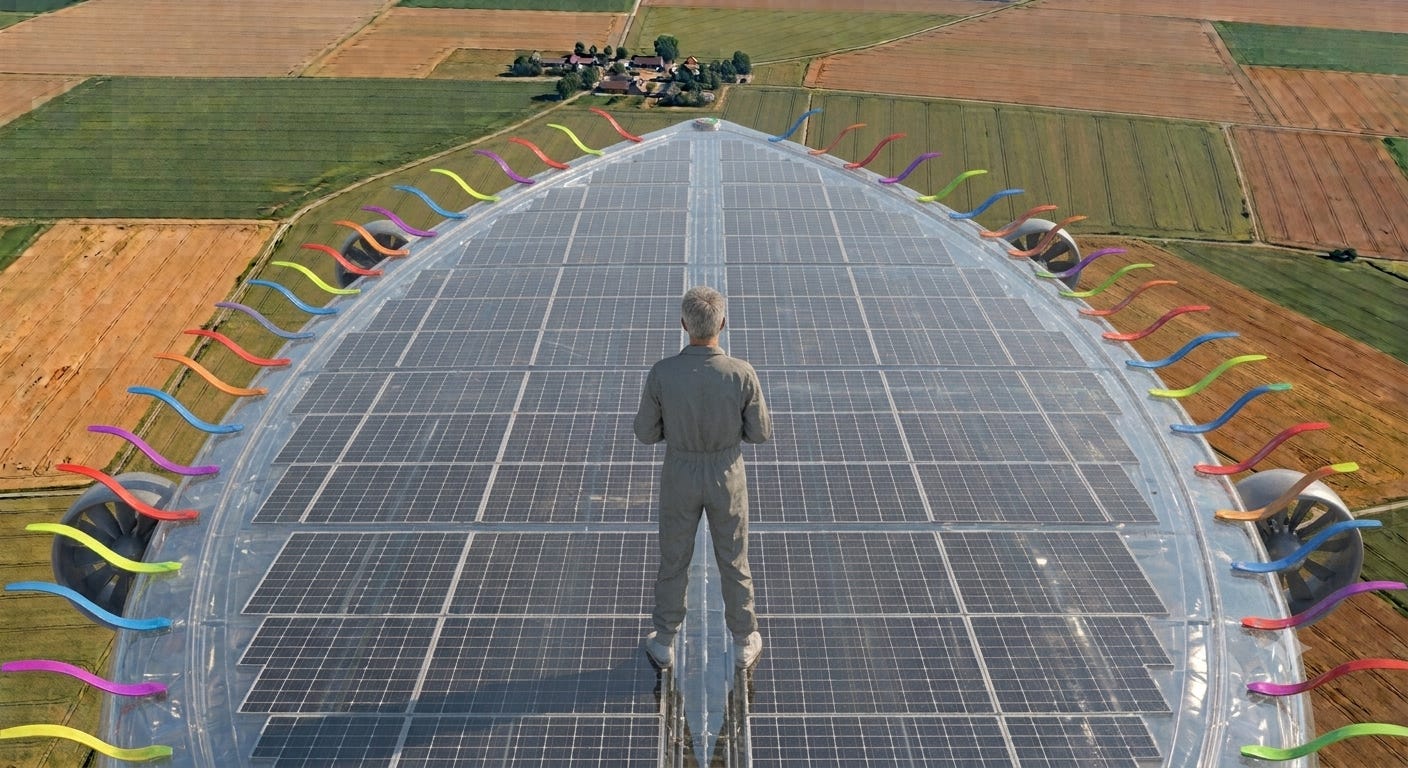
I wrote the first draft of my novella Skyboard in the summer of 2019. It started as a short story, a journal entry by my protopian future mad scientist Robin P. Goodwin, reminiscing on the sci-fi history of flying cars intertwined with their love of ocean wave surfing. I shopped the story around to the usual markets, rewriting and expanding and resubmitting, and collected a fair number of rejections, some good advice from editors I admire, and one consolation prize. Eventually, I integrated the story as a chapter in my first self-published novel.
Good art evokes an emotional response in the audience. For the wordsmith, that depends on knowing and using the connotations and emotional loading of each word; as Clemens said, the difference between lightning and a lightning bug.
Technical communication can require something entirely different. Specificity, the opposite of ambiguity, is the principal virtue. Reciting the length, breadth, and thickness of an object in units of measure is unlikely to move your reader to tears, but it’s exactly what you need when communicating with an allied tradesperson.
Both art and technical communication reward the development and use of an extensive vocabulary. English is a wonderful language for this, as it’s looted words from every other language on the planet. Technical vocabulary, jargon, is absolutely necessary if a writer is to work successfully in other media.
Narrative fiction requires the everyday vocabulary of the reader, plus the less common words that carry heavier emotional freight. Jargon is tolerated only as far as it promotes verisimilitude; farther, and the reader’s attention may wander.
Many media require a shorter summary of the larger work for a variety of purposes. A film’s logline approaches poetry in its demand for maximum emotional impact in fewest words. If you can’t hook your audience by the feelings, your logline is a failure.
"On a bet, Robin Goodwin invents a lighter-than-air surfboard for the sky that will revolutionize air travel—if they can get it certified and patented before a malignant narcissist blows it up or a rogue FAA inspector confiscates it."
A good synopsis keeps the emotional freight rolling along, but adds the technical requirement of clearly describing every significant event in the whole story. The writer’s craft has to keep the story accurate, brief, clear, and complete, a journalist’s report that provides all the information an agent or editor or producer needs, yet hits the emotional beats that grab and hold the reader’s attention.
A film treatment is a different beast, intended to convey the look of the film to the people deciding whether to produce it. The language must be specific and explicit in actions, settings, characters, and emotions, not poetry to stir the heart, but blunt words that describe what the character is feeling in the scene. Treatments vary, but a common approach is that a treatment is a bridge between the synopsis and the shooting script. Many treatments incorporate formal elements of screenplays and may be formatted that way. A writer who wants their story to be adapted needs to learn and practice the formatting used in the industry as well as to respect the conventions of content.
Up to this point it’s all been about words. The next step in the process can fork toward visuals or keep going with words into a full screenplay. Genres such as action-adventure, and media such as animation, often go straight to storyboards and animatics.
For a writer, it’s tempting to stick with words until a screenplay is complete. Words on a page are literally the cheapest part of film production, and everybody in or adjacent to the film industry has at least one screenplay going.
I once ran an experiment where I casually asked waitstaff or other joe-job workers in LA and NYC how their screenplay was coming along. Pizza delivery, restaurant server, tour guide: without exception, they lit up and excitedly babbled on about their third-act problems or the new scene they’d finished. Then they’d pause with a quizzical look, and ask if they knew me or how I knew they were working on a screenplay. Every time. Never missed. I finally stopped the experiment because I thought it was cruel to raise their hopes when I wasn’t actively directing or producing at the time.
The point is, everyone writes screenplays because it’s just them and a word processor, and the result is a complete work product that people recognize. Tell the average person you’ve got a storyboard going and they’ll look at you and blink.
Once you start talking to people who can get a film made, you’ve got to be more visual. The finished product is visual (and don’t forget the sound!), so words on a page aren’t going to do the entire job. The next step has usually been storyboards because 4x6 index cards are cheap and manipulable and pencil sketches are fast and disposable.
But you need a sketch artist, someone fast and talented and good at taking direction, to crank out all those story sketches and not throw a fit when most of them end up on the floor of the pitch room.
This is where the traditional process has taken a sharp turn. A writer with a story in words needed to start working with a graphic artist, or had to themselves have those skills and talent, like James Cameron, or got out there with a still or video camera like Robert Rodriguez.
A writer who is technically proficient with description of camera angles and lenses, knows the shot composition from such standards as Film Directing: Shot by Shot, and can patiently and precisely state every visible aspect of character, setting, costume, prop, etc., can use an AI image generator such as Google Gemini as an assistant storyboarder.
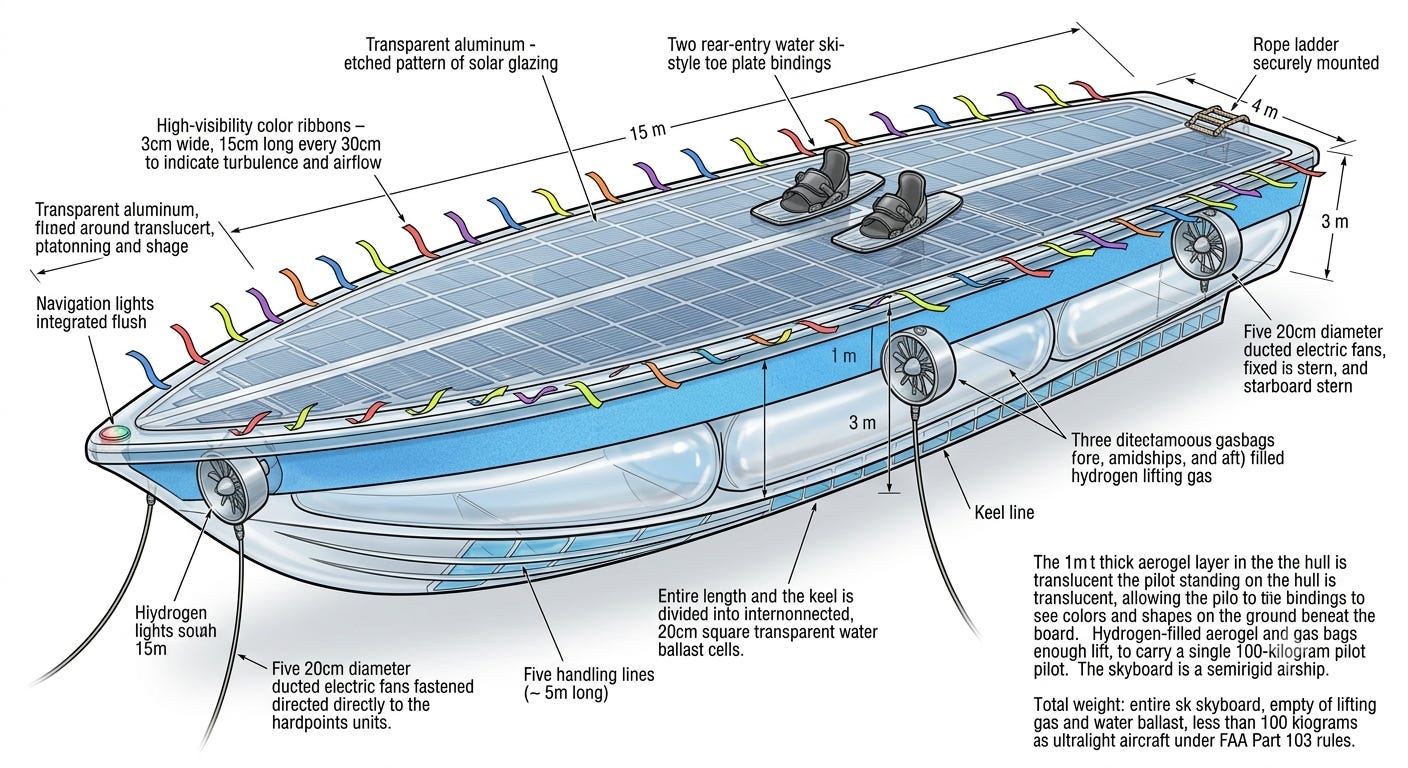
Note that all the artistic taste and judgment rests with the human writer. The AI just does what you tell it, the more specific the better. Others have noted that if you give an ambiguous or overly simple prompt to generative AI, you get beige garbage. Take that very seriously.
I have a requirement of a three-minute film to go along with my logline, synopsis, and treatment for the #FutureVisionXPRIZE competition deadline August 15. I have all the text documents ready to submit; the short film is the remaining part.
So I took my logline, synopsis, and treatment, with the original novella as reference, and expanded them into a shot list. This is a straightforward spreadsheet (running on Excel as I write in Word) with columns for shot #, timecode, visual, audio / VO / dialogue, music & SFX, and image prompt. Seventy-seven shots. All the emotional appeal of cold oatmeal, but technically very satisfying.
Start with shot one. The text in the visual cell is cribbed from the treatment, so it’s more vibe than shooting direction. Rewrite the appropriate shot composition, action, etc., into the image prompt cell, just as I’d describe it to a storyboarder. Repeat for all the other shots. Save. Save often. Keep duplicates. This represents a lot of work that you’ll have to do over if it glitches.
I should note that all my image prompts are based on realistic photography, 50mm prime lens, camera height 165cm. If you want to play with a different visual style, cool, you do you. But communication theory (part of my PhD) has pretty much found that the more realistic the image, the more an audience believes and trusts it. On the other hand, the more stylized and abstract the work, the more slack your audience cuts you. I’m leaning heavily on convincingly real for my grounded near-future science fiction story, so photorealism is the way to go.
A special note for my subgenre: grounded science fiction needs eye-appeal cool tech, environments, etc. to evoke that sense of wonder. Expensive to mock up in reality. Zero additional cost in words to describe for the generative AI. Go nuts. You just have to accurately describe in words what doesn’t exist yet. Isn’t that part of the fun of writing sci-fi?
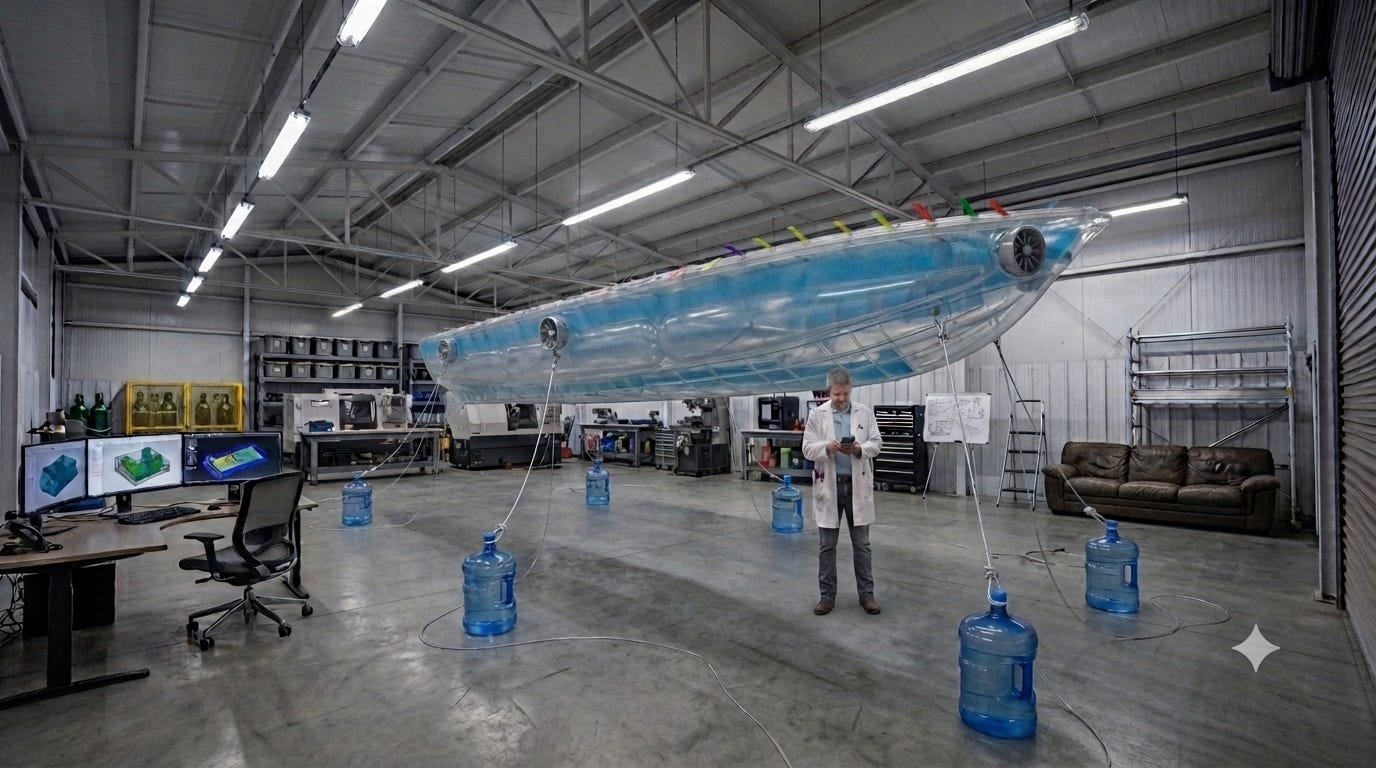
Fire up the AI text-to-image generator of your choice. I have a Google account, the contest rules are no-limits, and Google is a sponsor, so I’m using Google Gemini free tier. Yes, there are usage limits, but they’re pretty generous for my workflow.
Copy and paste the image prompt for shot #1 into the input box. Look at the result. Tweak as necessary. When I like the image, I download it to my local machine. Been working with computers over half a century now, no I don’t trust cloud storage for anything important.
Same for the rest of the shots.
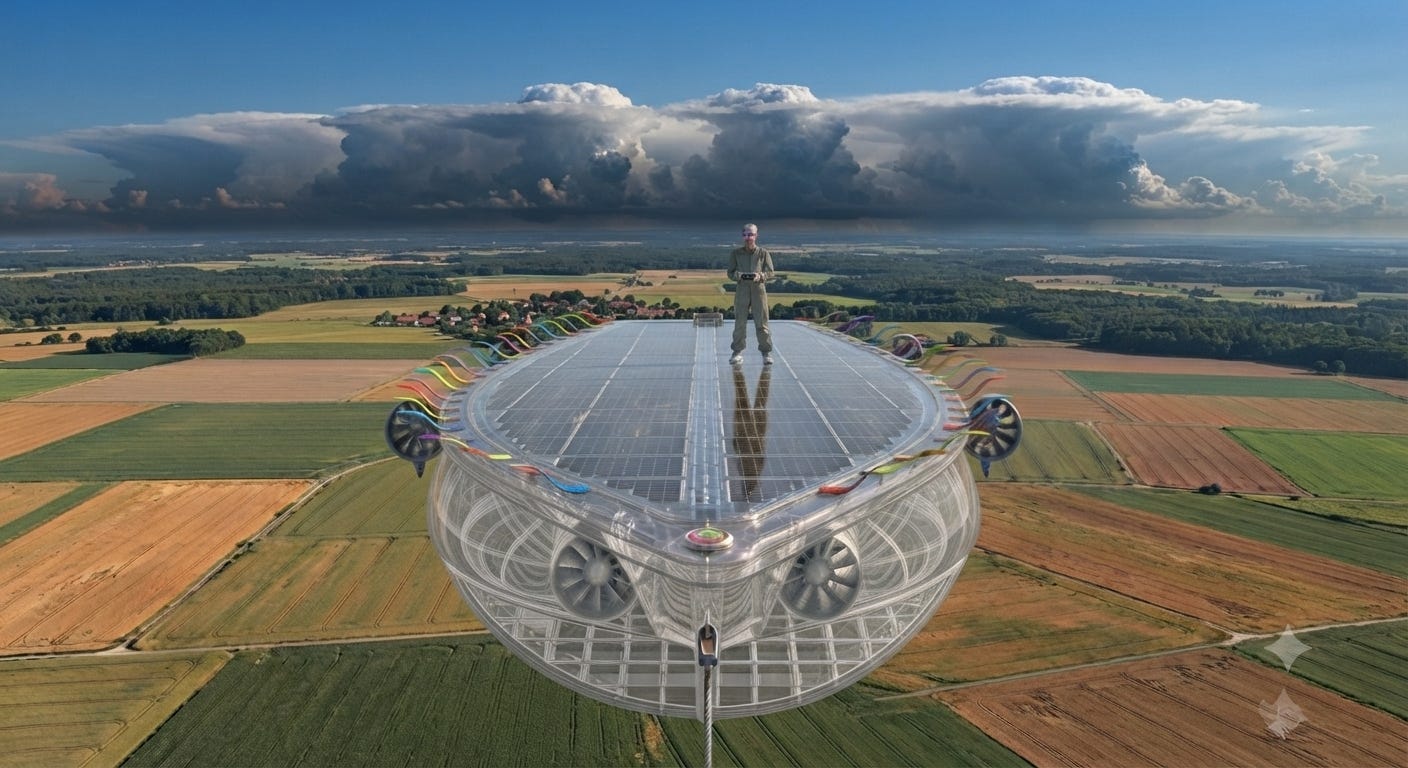
Now I’ve got 77 (or more, if a shot is a multi-image sequence) image files.
As I’ve prompted it, the level of realism takes these images beyond storyboarding and into previsualization or previz, a demanding enough process that it used to require a separate budget and staff.
I can drop all hundred-odd image files, named for their shot order (01A, 01B, 02A, 02B, 02C, etc.), into a video editor timeline and hey presto I have my assemble edit.
All without leaving the laptop computer on which I wrote the novella. No collaboration necessary, no scheduling meetings, no time lost. Also no useful, insightful, tasteful feedback from a real human artist. It’s all on me, and I know I have shortcomings in multiple areas.
I’ve been teaching media production for a while now. One of my first film students is now a professor at Lang, The New School, ack I’m getting old. Back in the late 90s I wrote a series of real doorstopper books on digital compositing and animation; some were adopted as textbooks. I’ve taught film and video production, screenwriting, post-production, and related subjects at universities and trade schools all over the world. What I’ve seen in those decades is that the smart people adopt new technology (tools and how they are used) just as soon as they can, experiment, toss what doesn’t work and put the rest into their workflow. As I noted elsewhere, the Undo function is the most significant contribution to the arts in the last half-century because it accelerates learning and encourages experimentation. Generative AI tools are more of the same.
Also, the people who thought CGI would destroy the animation industry? Suuure, riiiight. More working animators, compositors, modelers, you name it, today than ever before. More films, series, independent shorts. QED.
If I were setting up a new curriculum for media production today, I’d include generative AI tools from the start, because that’s the way the industry is heading, that’s the way my students will be expected to work, and most importantly, that’s the fastest way for my students to learn. The instant feedback, painless experimentation, and short iterative cycle are no less than miracles for learners. Of course I’d keep all the trad theory and practice sources, you have to learn the concepts and vocabulary somewhere, and every smart apprentice studies the old masters. But the acceleration of practice through generative AI is experience you can’t acquire at a lower cost any other way—for now.
The only constant is change.
No posts
Comments
Nothing yet. Say the first thing.
Sign in to join the conversation.