In this weekly feature for Andelman Unleashed, we continue to explore how media of other nations view America and the rest of the world, bringing to bear 60 years of reporting from 90+ countries. We cover lots of ground—diving each week through 30+ newspapers & 100+ websites on every continent. You may not want to read it all, but it’s all here for you!
We can all learn from what others say about us, around the globe.
To accomplish this mission for you, I pay for a host of global media—newspapers, magazines, websites,qtelevision—so you all can become better informed about the world…A (lightly) paid, even Founder subscription would help if you are able…and allow you to participate to the fullest in our adventures.
There is a provision in the NATO treaty—to which Donald Trump’s America continues to pay at least lip service—that holds an attack on one is an attack on all and response must be offered by all 32 members. This is Article Five, and the only time it has ever been invoked was September 11, 2001, when 2,977 people were killed in the deadliest terrorist attacks in American history. Now we have a new world order.
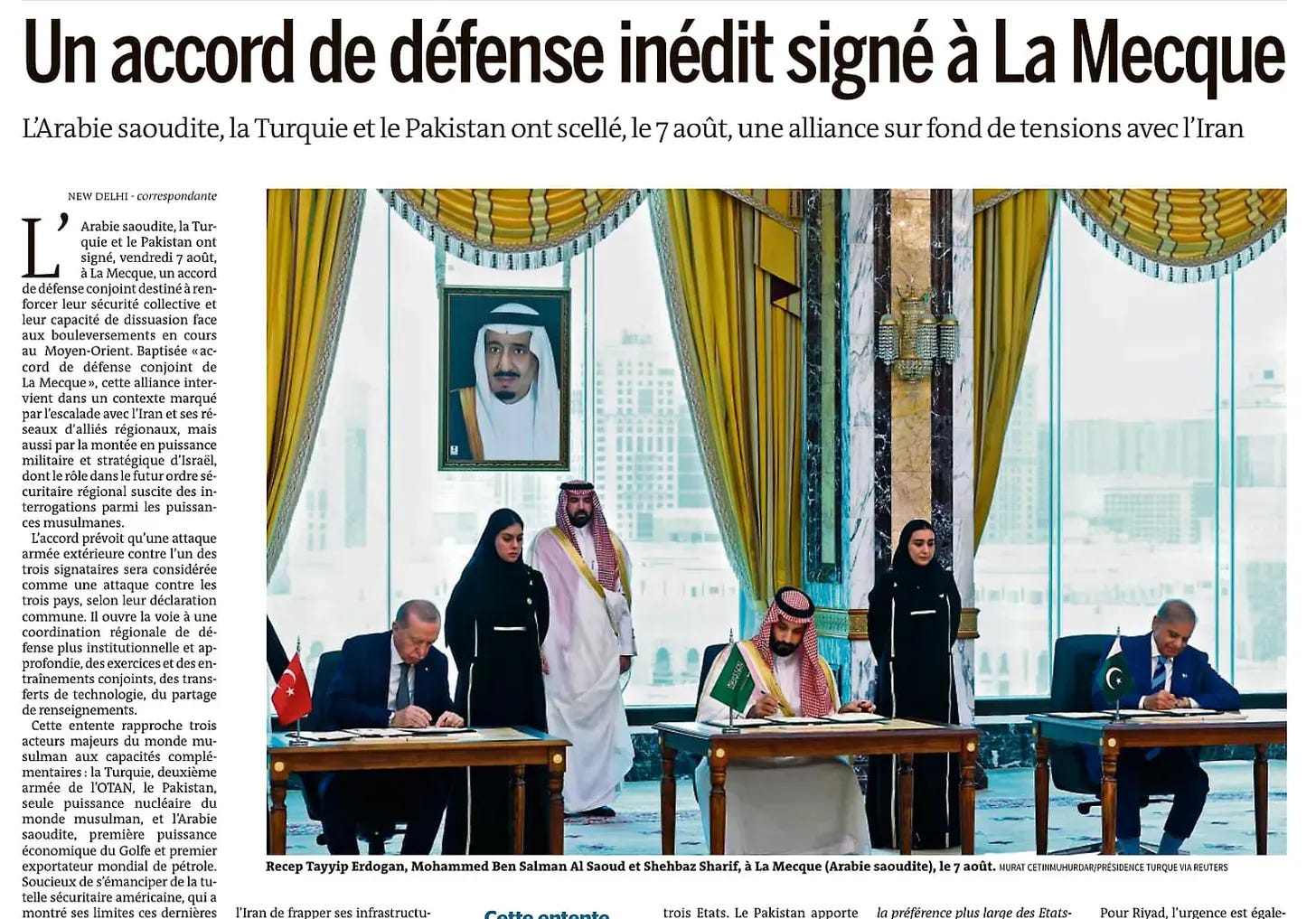
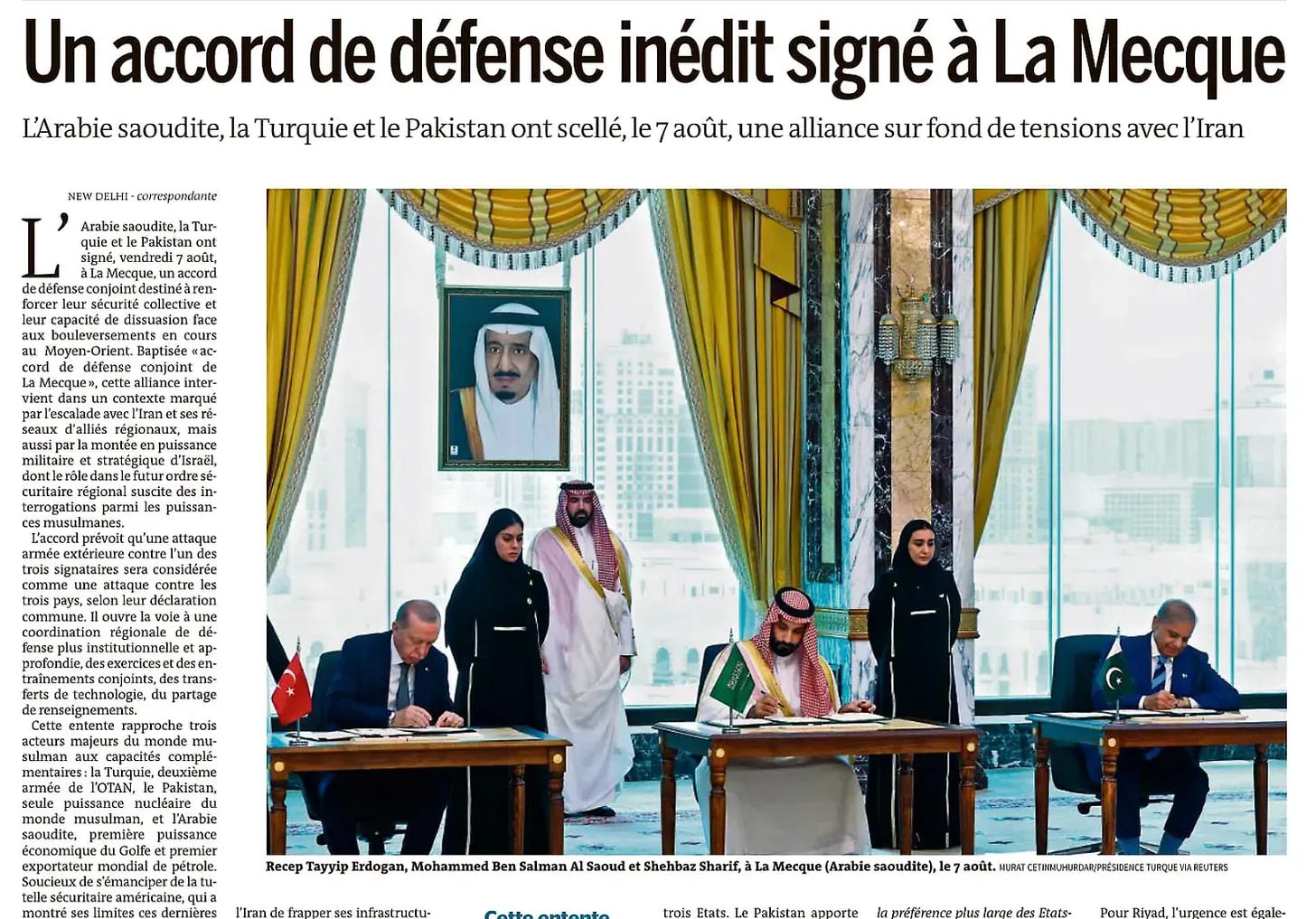
And on Friday, a new and perhaps far more chilling mutual defense pact with identical provisions was signed in Mecca, the holiest city of Islam between the world’s second largest oil exporter, the nation with NATO’s second largest military machine, and the second most populous Islamic nation. Respectively Saudi Arabia, Turkey, and Pakistan, which also happens to boast the only Islamic-controlled nuclear arsenal, all signed their agreement in the holiest city, Mecca. As Le Monde reported:
Aimed at strengthening their collective security and deterrent capabilities in the face of the security upheavals in the Middle East, dubbed the “Mecca Joint Defense Agreement,” this alliance comes amid escalating tensions with Iran and its network of regional allies, as well as the growing military and strategic power of Israel, whose role in the future regional security order is raising questions among Muslim powers. It paves the way for more institutional and in-depth regional defense coordination, joint exercises and training, technology transfers, and intelligence sharing.
And Turkey’s Anadolu news agency suggested an expansion was not unlikely….
Pakistan’s Foreign Minister Ishaq Dar said the defense pact remains open to any country in the region willing to uphold its fundamental principles and resolve differences through “mutual respect, cooperation and peaceful means.”
The agreement marks a turning point in the security balance of the Middle East, against a backdrop of tensions with Iran. Left out? Quite clearly America, Israel as well, but with others like the UAE, Qatar, Oman, Kuwait, Bahrain, Jordan—all also victims of Iranian attacks—still not on board. Equally, too, it could be seen as another step toward a world war, or at least a Middle East-wide conflict. And with one of the three signatories [Turkeu] a member of NATO, could this mutual defense pact draw NATO into this conflict as well…especially with China, and certainly Russia, so closely aligned with Iran—the clear target of the tri-lateral Mecca Joint Defense Agreement?
But perhaps of greater significance, is the one ineluctable reality—the centuries-long base of interminable regional conflicts as Iran International pointed out at the top….
Sunni vs Shiite [the Gulf vs Iran]—a religious war where the United States has proven itself for decades incapable of resisting being sucked in at enormous costs. As Al Jazeera reported from Doha….
While the administration of US President Donald Trump has yet to weigh in on the pact, analysts say the agreement is an effort by the three countries to reorient themselves after the turmoil of the Iran war.
“This is one of the first major geopolitical signs that the regional order is being reshaped by the US-Israeli war on Iran,” Sina Toossi, an analyst at the Center for International Policy, told Al Jazeera. “The significance is less about a formal military alliance than about what it says regarding how regional states are reassessing security.”
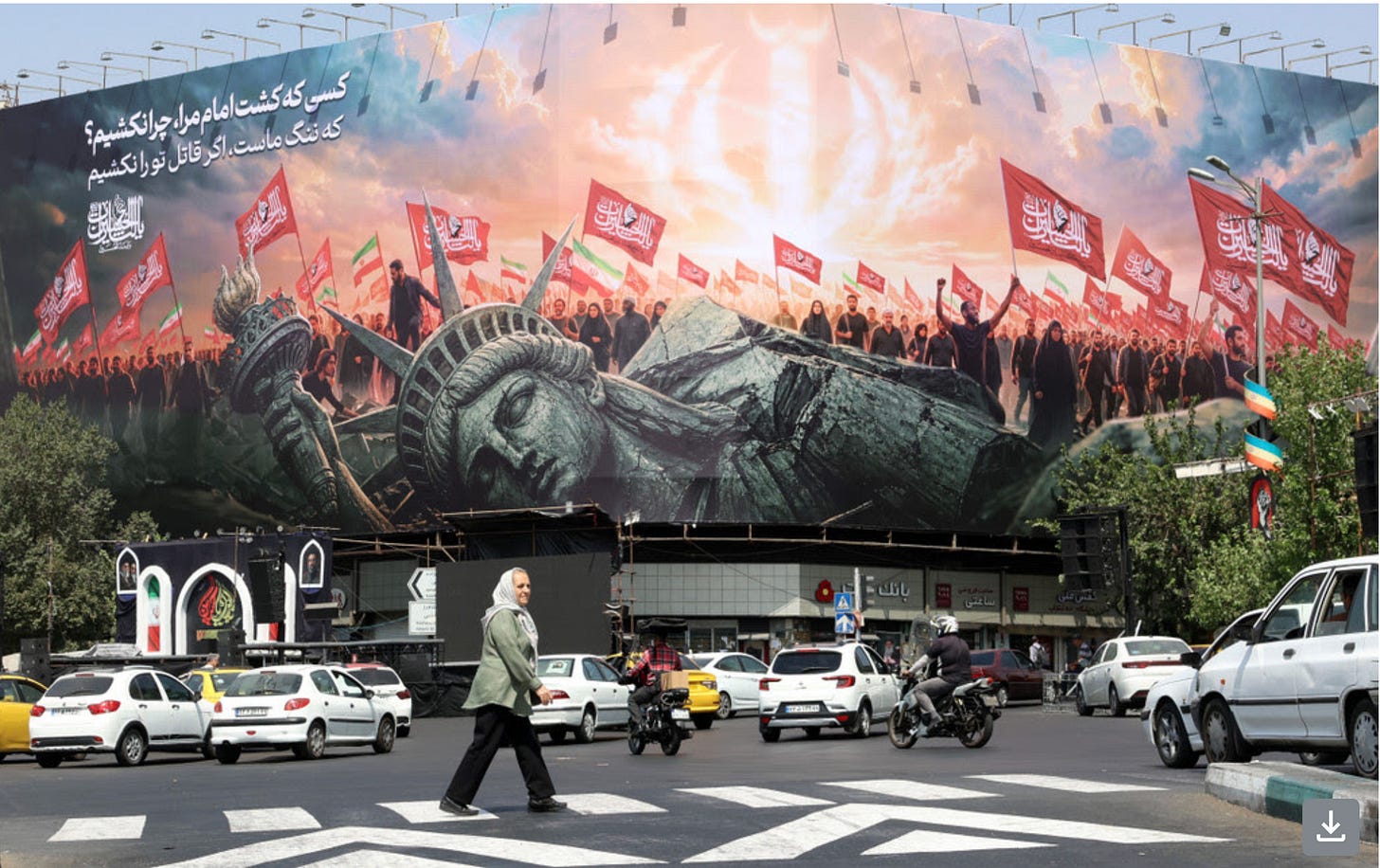
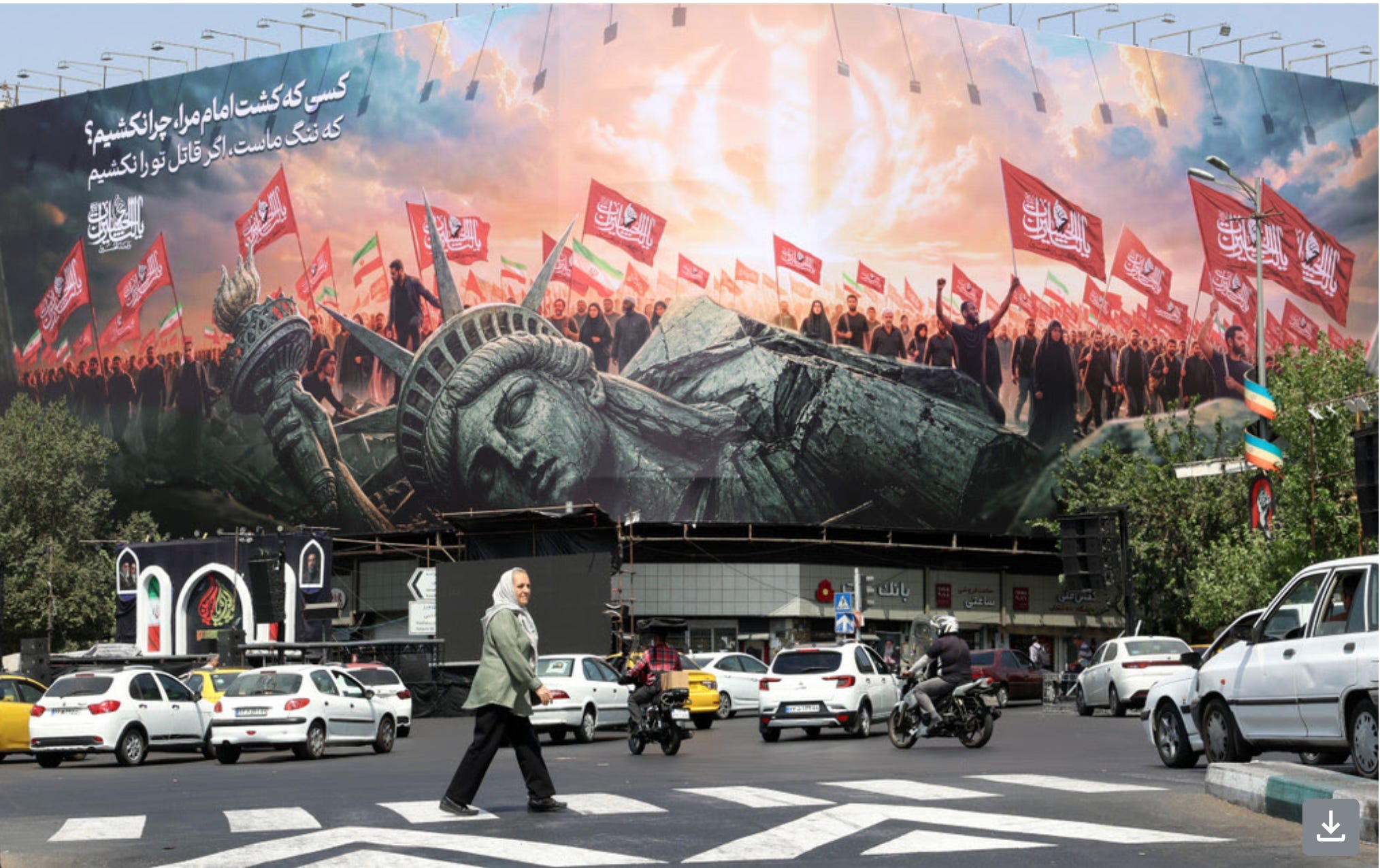
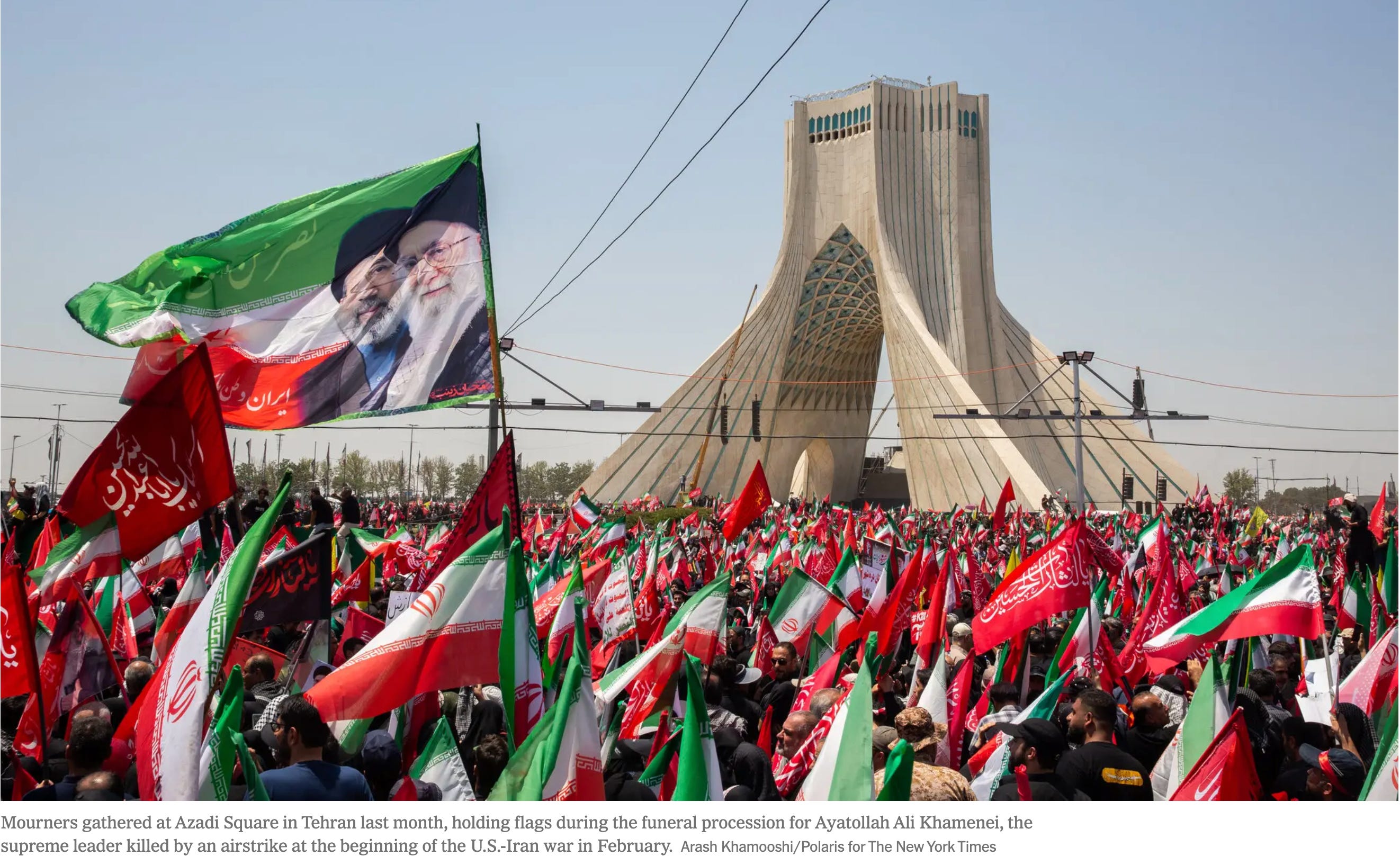
“Why don’t we kill the one who killed my Imam? Shame on us if we don’t kill your killer.”—reads a signboard in downtown Tehran
Toossi pointed to the long-running alliance between the US and Saudi Arabia. For decades, the two countries have enjoyed a strong relationship, hinged on shared security interests. But the pact could be a sign that Saudi Arabia is looking to expand its security alliances.
“Rather than relying primarily on Washington, Saudi Arabia appears to be broadening its security partnerships and laying the groundwork for more intra-regional security arrangements,” Toossi explained. “That is arguably the most important takeaway.” US partners in the Middle East were frustrated the Trump administration had launched February’s ’s war against Iran with little apparent thought to the impact on allies in the region.
Iranian forces have launched waves of missile and drone strikes against US military facilities in the Middle East, causing bystander casualties. Iran has also targeted civilian infrastructure, including energy and desalination plants. Tehran’s decision to close the Strait of Hormuz, a key conduit for the region’s energy exports, has also imposed a steep cost on local economies. Despite heavy strikes by the US and Israel, Iran has largely maintained its ability to restrict traffic through the strait, and Washington has struggled to provide partners with sufficient air defence munitions, many of which went to Israel.
But why right now? Haaretz military analyst Amos Harel may have hit on a reason….
Donald Trump is quite an accomplished bullshit artist. It is difficult to know whether he actually intended to strike Iran this time, as Israel’s political leadership assessed and indicated in briefings, or whether this was merely another calculated bluff intended to pressure Tehran’s leaders in the hope that they would return to the negotiating table and perhaps make concessions.
What has become clear, time and again, is that the president is deeply reluctant to return to full-scale war and will choose that course only as an absolute last resort, after exhausting every other option. Trump’s problem is that every player in the region has grasped this by now and is acting accordingly.
Beyond the Middle East, so many corners of the world are taking a new look at the power or willingness of the United States to step in beyond America’s own interests. One South China Morning Post columnist pretty much summed it all up…
Who would have imagined that 100+ days could so change the world? The US-Israeli “war of choice” on Iran has fundamentally—perhaps, permanently—shifted the global balances of economic, military and political power, and not in America’s favour. Mix the direct impact of this gratuitous military conflict with the broader effects on global security, efforts to mitigate climate change, contain soaring public debt and “de-risk” after America’s unilateral efforts to unravel globally agreed trade, and we face nothing less than an upheaval.
“Trump’s war in Iran was supposed to project American power. It projected the opposite,” wrote Eurasia Group founder Ian Bremmer in a newsletter. “American reliability can no longer be assumed, and reducing dependence on the US has gone from luxury to necessity.” The damage to the US has been heavy. Pollsters record a dramatic collapse in America’s standing worldwide.
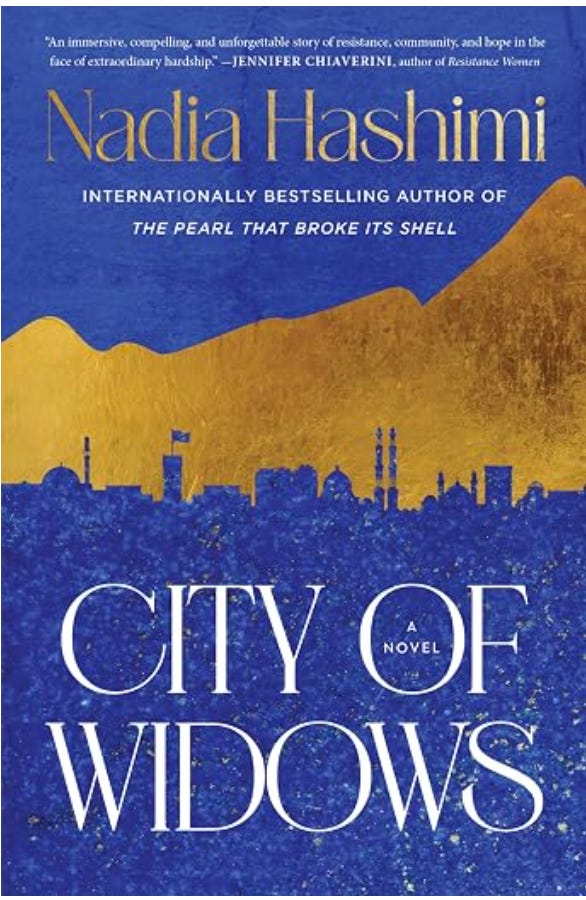
The stakes could not be higher. Where can the U.S. go to bat for those values and people it should treasure—and support. Nadia Hashimi, who has been examining the plight of Afghan women the U.S. abandoned when it fled their country. As Celebrity Guest for our Unleashed Conversation, she reflected on what the U.S. might do…
Might this be the one after which Trump’s modeling the one he wants in Washington….
While Trump may secretly be praying that he can find an exit from the Middle East before November, he’s getting little help from any quarter, least of all from his bff, Israeli Prime Minister Netanyahu, as Haaretz reported:
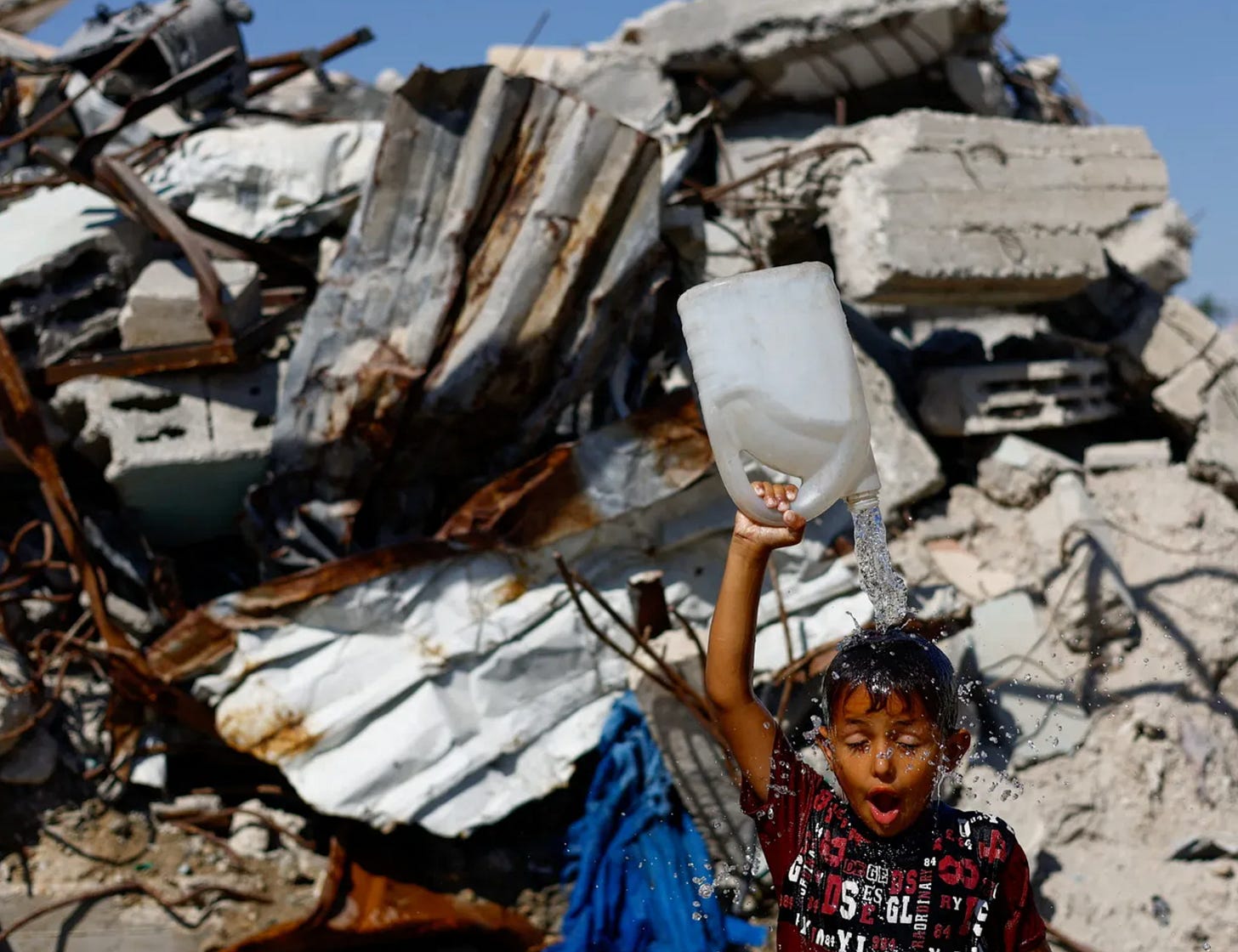
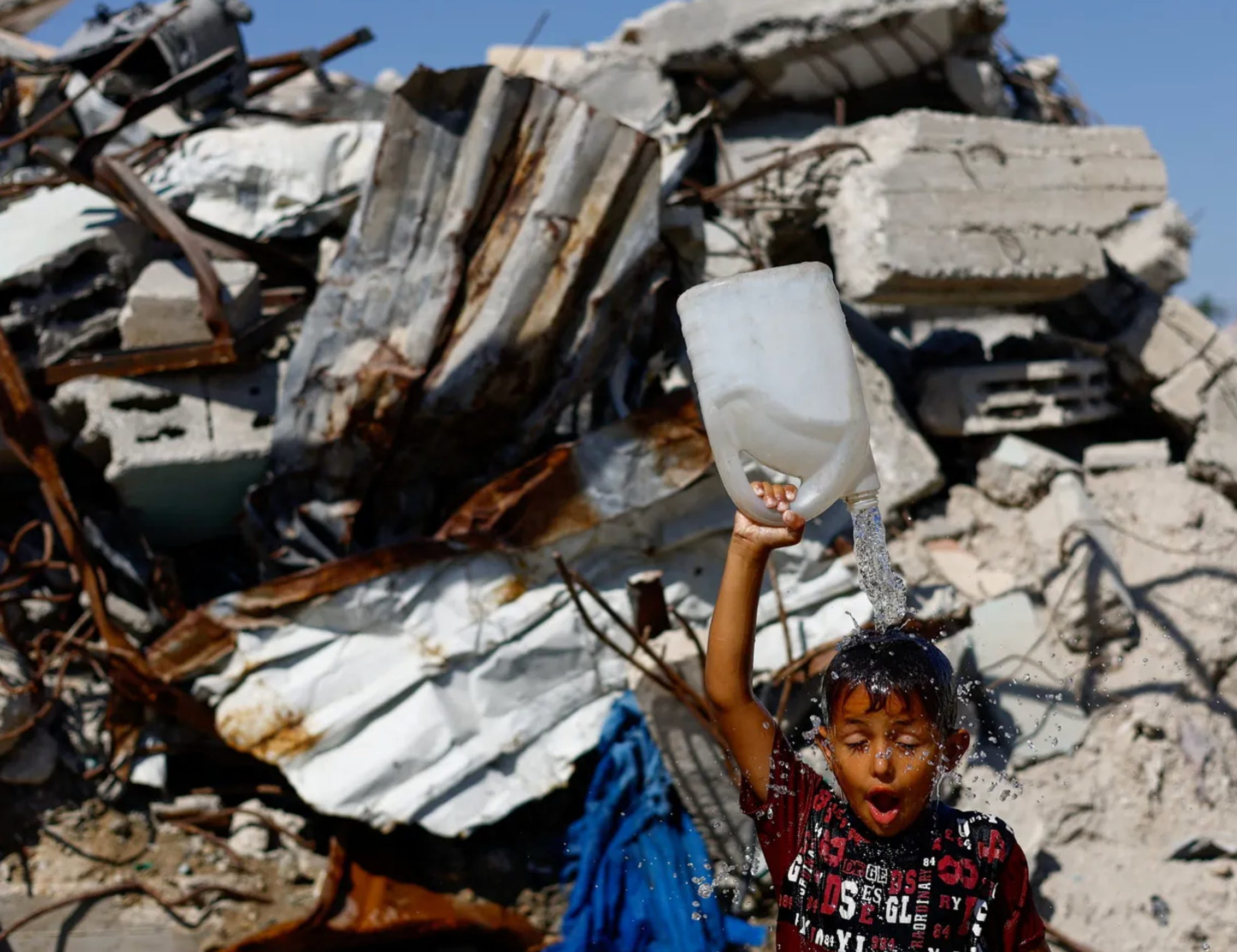
On two fronts in the ongoing regional war—Gaza and Lebanon—Israeli Prime Minister Benjamin Netanyahu has denied U.S. President Donald Trump the quiet that the U.S. president has said he desires. Despite the cease-fire agreement signed in Sharm el-Sheikh last year, Israel has continued strikes on the devastated territory. These attacks have killed a significant number of people—according to the United Nations, more than 1,200 since October, many of them civilians—and generated a widespread international outcry.
Aftermath of an Israeli air strike
The Netanyahu government has also stonewalled the Trump administration's efforts to implement the cease-fire. Over the last year, the Israeli army has advanced well beyond its Yellow Line that separates Hamas-controlled Gaza from the part under Israeli control. The Trump administration and its quasi-diplomatic instrument, the Board of Peace, announced this week that an agreement with Hamas had been reached to advance to the next phase of the cease-fire, which would entail Hamas' disarmament and Israel's eventual withdrawal from the territory. Netanyahu swiftly issued a statement that Israel would not comply with the terms of the deal.
52 years ago Saturday, on the second leg of my first honeymoon, I was sitting in a hotel room in Osaka, listening to television when Richard Nixon appeared, announcing to the world that he was resigning as the America’s 37th president. Elated, I jumped to my feet, raced over to the suite of my father-in-law, and burst in with the news. Among the last of the unrestrained lovers of Richard Nixon in America, while tolerating his newly-minted son-in-law writing for The New York Times, he turned and glowered, “So you b******s finally got him.”
Now, it would appear, history has come full circle as Le Monde’s Corine Lesnes wrote:
Richard Nixon is all the rage among the American right. The former US president (1968-1974), the only head of the executive branch ever forced to resign, due to his role in the Watergate scandal, is the subject of a rehabilitation campaign by Donald Trump’s supporters. The undertaking might seem daunting, given the man’s profile, remembered in history as “Tricky Dick.” But it continues to gain support, even garnering that of Vice President JD Vance.
Invited to Richard Nixon’s presidential library in Yorba Linda, California, JD Vance stunned the establishment by supporting the idea that the resigning president had been the victim of a conspiracy; a maneuver aimed at bringing down a popular president who, after a period of escalation in Vietnam and anti-war demonstrations, had been triumphantly re-elected in 1972.
“If you look at how the ‘deep state’ brought down Richard Nixon, it’s not very different from what the same groups of people, the same institutions, tried to do to Donald Trump during his first term,” he said, before downplaying the scandal that brought Nixon down. “If Watergate happened tomorrow, it would be in the news for 12 hours, at most. The idea that it could have brought down a presidency is crazy.”
The vice president, who was on a promotional tour for his latest book detailing his conversion to Catholicism, didn’t hesitate to compare himself to a man considered a paragon of political cynicism. “Young senator, vice president, author of a few bestsellers, hated by the media….Sounds like J.D. Vance ,” he summarized to laughter. “I’ve always liked Richard Nixon.”
In an interview with British journalist David Frost, three years after leaving the White House, Nixon preemptively absolved the presidential office. "When the president does something, it means it's not illegal."At the time, the idea that the president considered himself above the law was shocking.
Not a good sign for the Kremlin, as the Institute for the Study of War observes…
Ukraine’s Security Service conducted at least 100 successful strikes against Russia in its initial 40-day strike operation against a wide target set, likely intending to generate several separate and sometimes mutually reinforcing effects that all aim to increase the cost to Putin of continuing to wage war on Ukraine. Ukraine’s escalating strike campaigns against Russian military, logistics, and economic assets include far more than the SBU strikes. Ukrainian forces have struck 19 Wildberries warehouses across Russia. Ukrainian forces have conducted at least 200 strikes against Russian cargo ships and oil tankers in the Black and Azov seas and 24 oil and gasoline infrastructure objects, degrading Russia’s refining capacity by at least a third.
Ukraine’s strikes forced Russia to export near-record amounts of crude oil [it had no capacity to refine] as Russia’s refining capacity reached the lowest rates since May 2002. According to EA Analytics, Russia’s crude processing rates averaged 3.6 million barrels per day in July, a third below seasonal norms. Sources in the Russian shipping and insurance industries reported Russian insurance companies have effectively stopped covering military and terrorist risks for cargo ships operating in the Black and Azov seas after the Russian Ministry of Defense sent a navigational warning for these waters.
Not surprisingly, heads are rolling, as ISW continues…
Russian President Vladimir Putin reshuffled military commanders, including those associated with logistics and Russia's Unmanned Systems Forces, against the backdrop of Ukrainian strike campaigns the services have failed to defend against.
As Olga Rudenko, editor-in-chief of The Kyiv Independent e-mailed:
I pulled myself out of bed at 3 am, woken up by loud explosions that can only mean missiles are either hitting Kyiv or getting intercepted, and stumbled to the dubious safety of my corridor on autopilot. Ballistic attacks are sudden and short.’
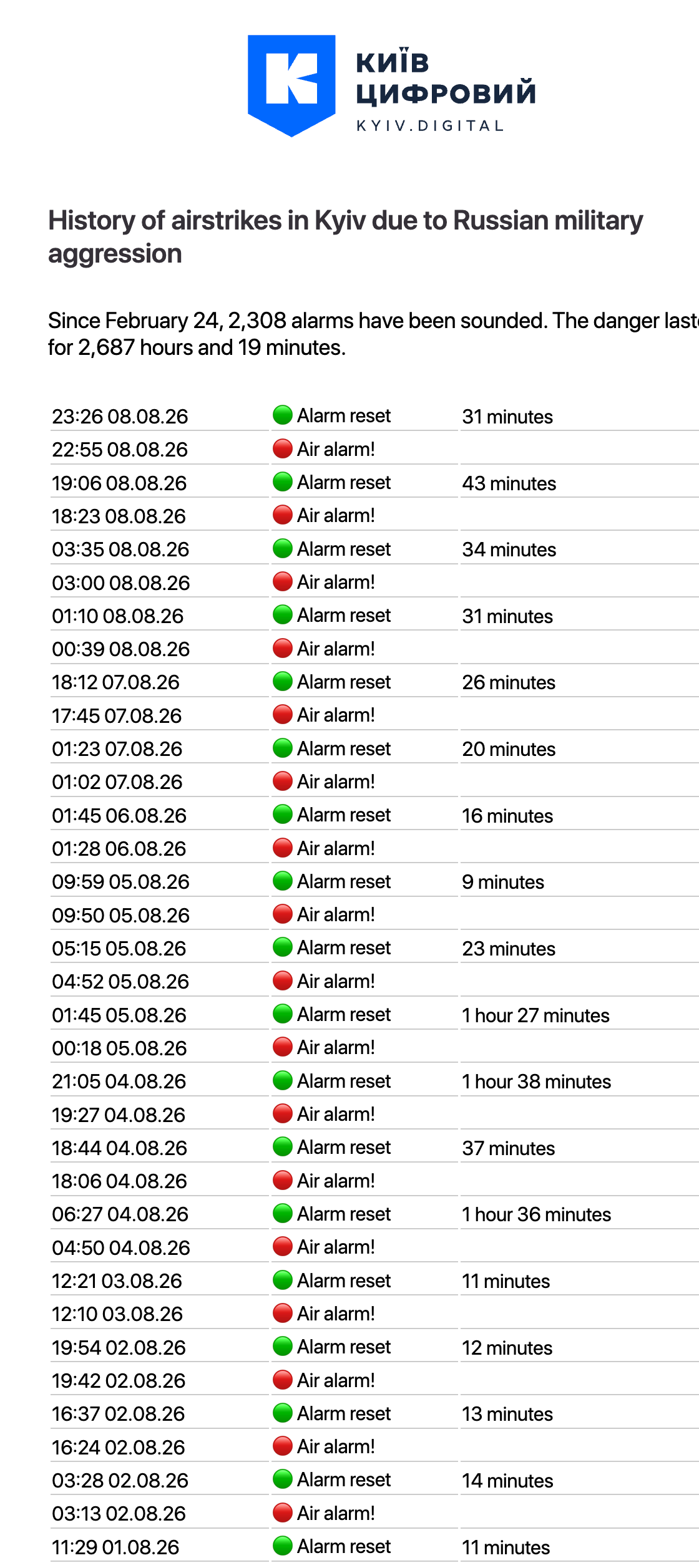
Kyiv has had no quiet days this week, with air raid alerts sounding every day, often for Shahed drones but at least twice for missile attacks. If you want a feeling of how frequent air raid alerts are, here’s the official page that tracks alerts and their duration in Kyiv. It’s in Ukrainian, but there is not much to read—you will get the gist.
Here’s barely a week’s worth of alerts, translated Andelman Unleashed …..
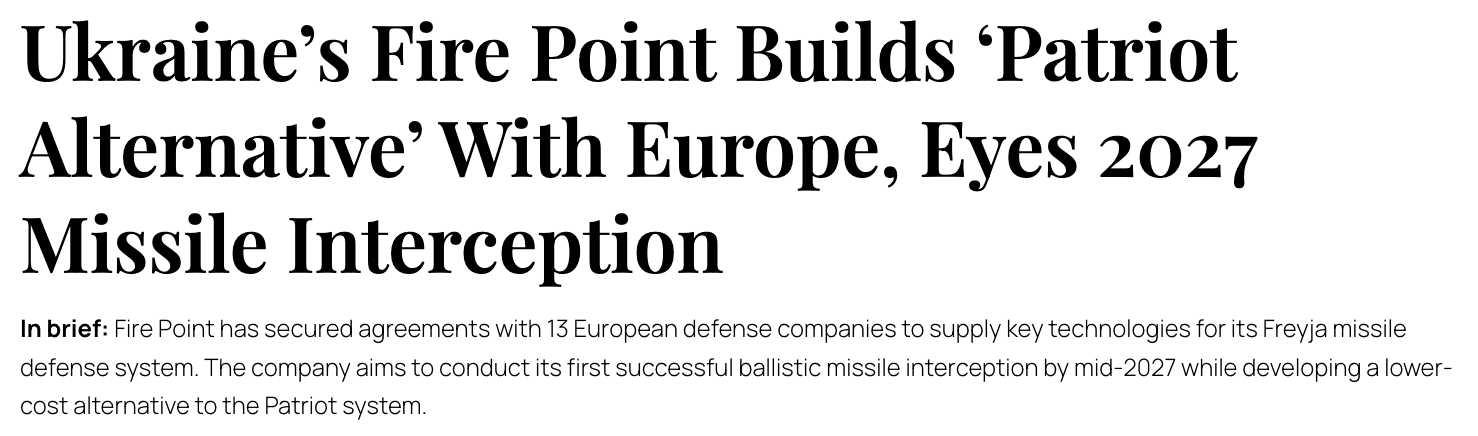
Meanwhile, remember that promise Trump made (then retracted) to let Ukraine clone America’s potent anti-missile Patriots? Not surprisingly, the Kyiv Post reported, Zelensky and company may have found a way around Trump’s America…
And just as Trump is facing a years-long delay to replenish America’s own stockpiles.
But Ukraine must still defend against Russia’s immediate moves, as ISW reported:
Russia is reportedly planning to launch a large-scale strike campaign against energy infrastructure in Kyiv City over the coming weeks. Ukraine’s Strategic Communications Center reported, citing US intelligence, that Russia is preparing a major strike campaign against energy infrastructure in Kyiv City ahead of Ukraine’s Independence Day on August 24. Russia could reportedly draw on its strategic reserve of ballistic missiles in order to cause maximum damage.…to take advantage of Ukraine’s ongoing shortages of ballistic missile interceptors.
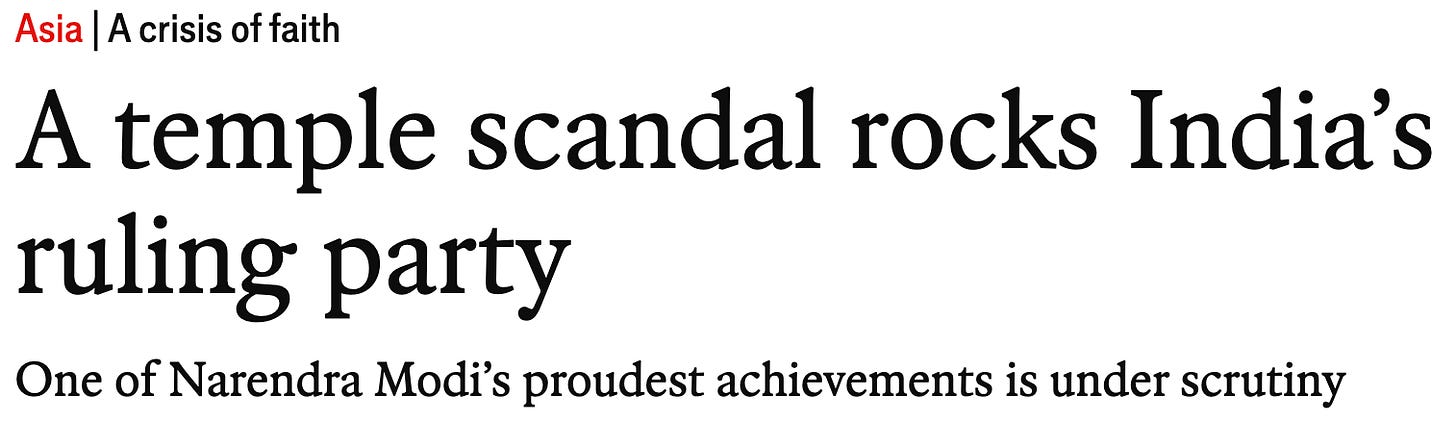
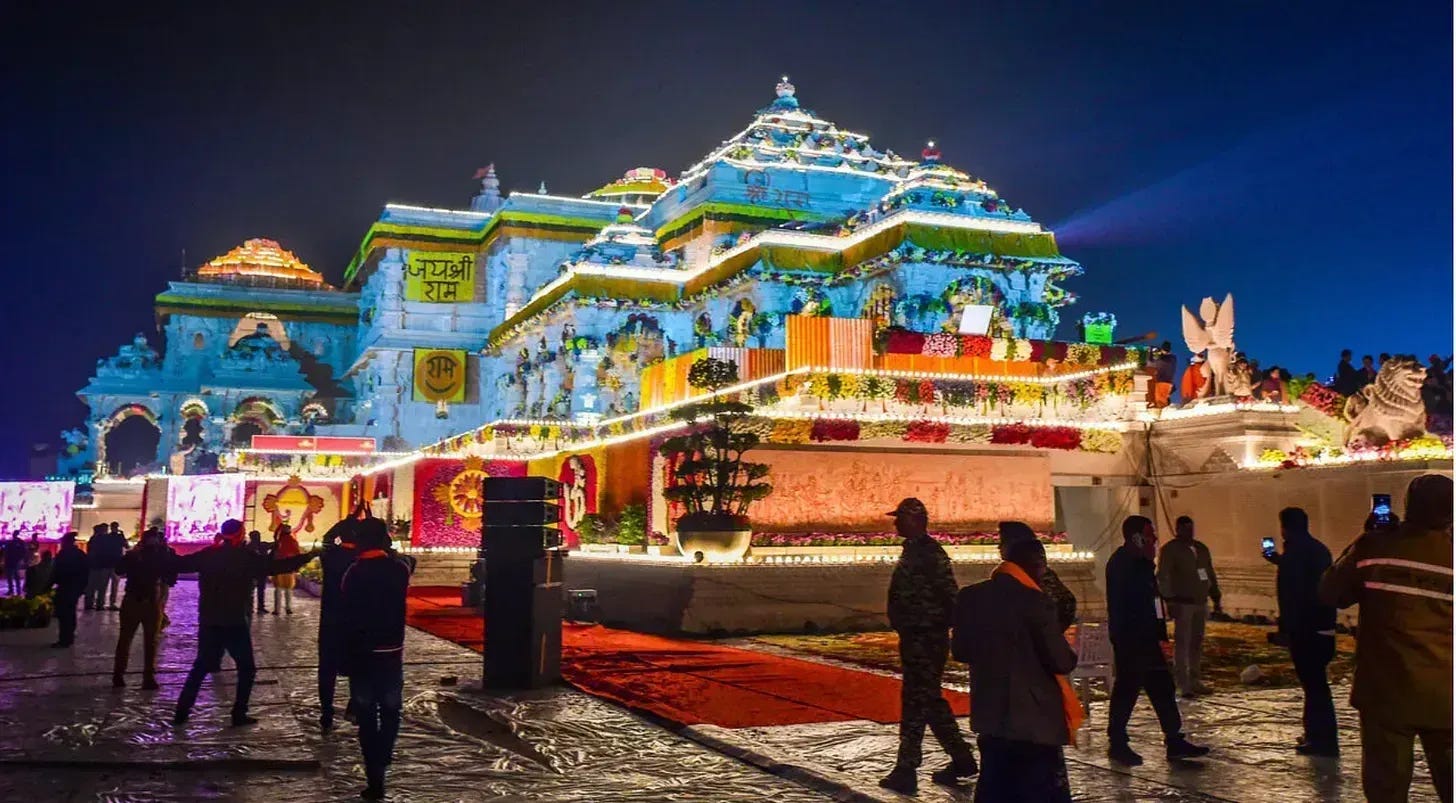
There appears to be rot growing at the base of India’s temples and links to a power structure that has developed an ever-stronger hold over this nation. As The Economist‘s Vishnu Padmanabhan wrote, this rot is being uncovered, but dealt with?
There are believed to be around 650,000 temples in India. They range from palatial complexes housing a pantheon of deities to small shrines with just one. How they are run differs widely, too. In the south, temples are administered through dedicated government departments or state-influenced boards, but in the north control ranges from state to family hands.
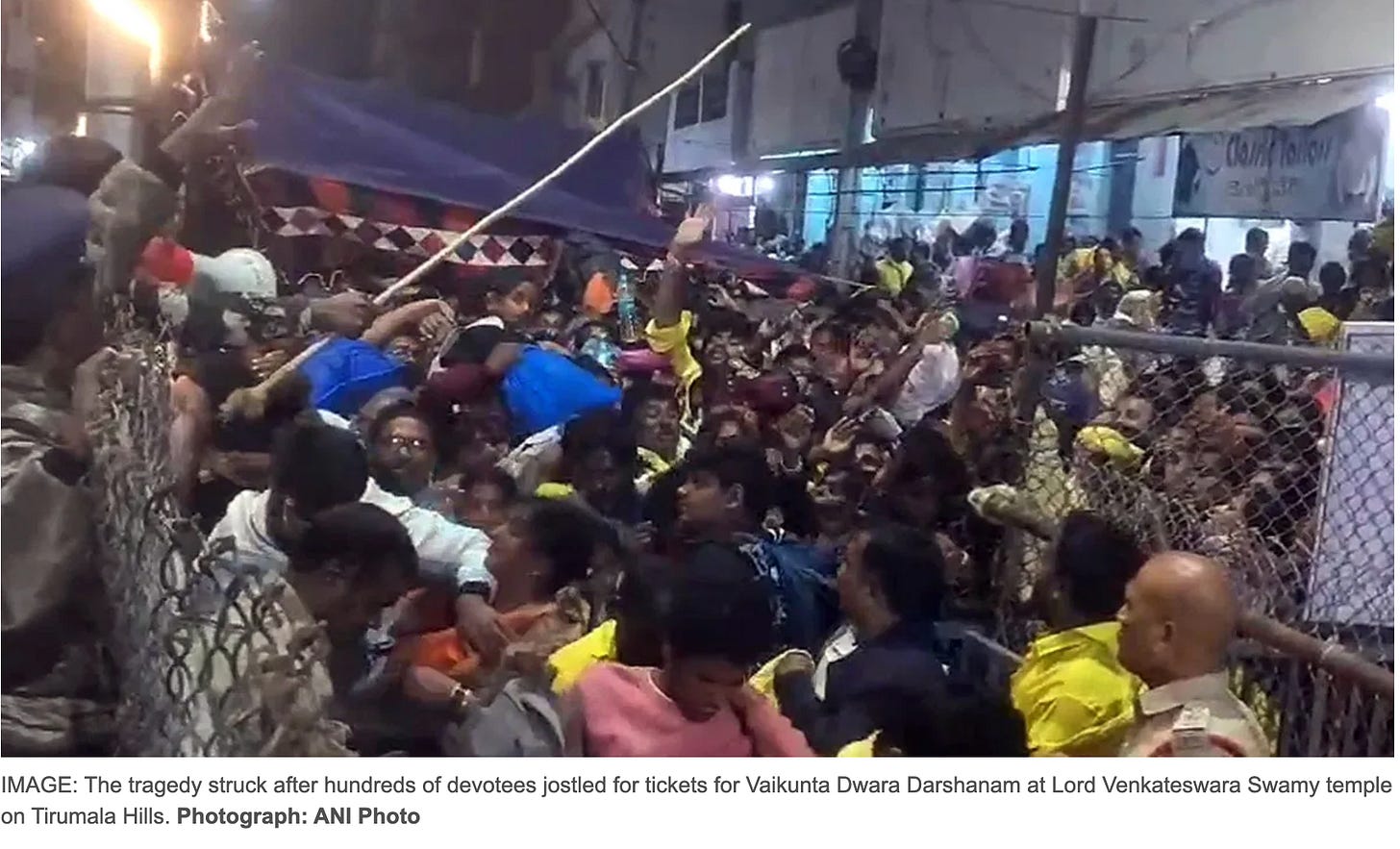
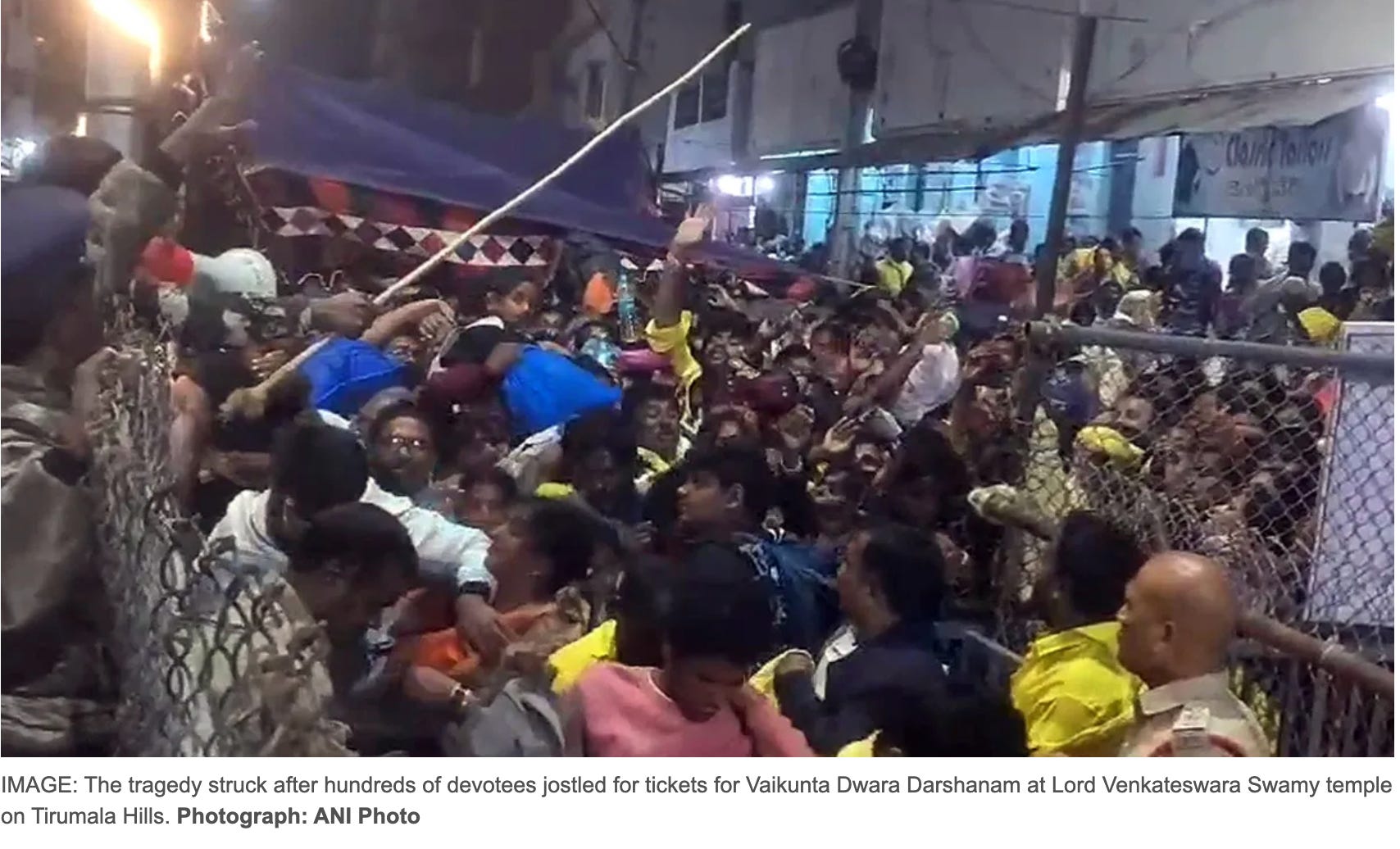
Temple management matters. For a start, the popularity of temples raises public-safety issues. Last year six people were killed in a crowd crush at Tirupati, a big temple in the southern state of Andhra Pradesh that attracts 73,000 daily devotees.
Temples are also an economic force. Hindu kings in ancient India endowed them with vast acres of land as a way to secure goodwill from their subjects. As a result, temples today are among India’s biggest landowners. They attract a lot of cash….India’s temple economy, which includes donations and money spent on pilgrimages, amounts to more than 2% of GDP.
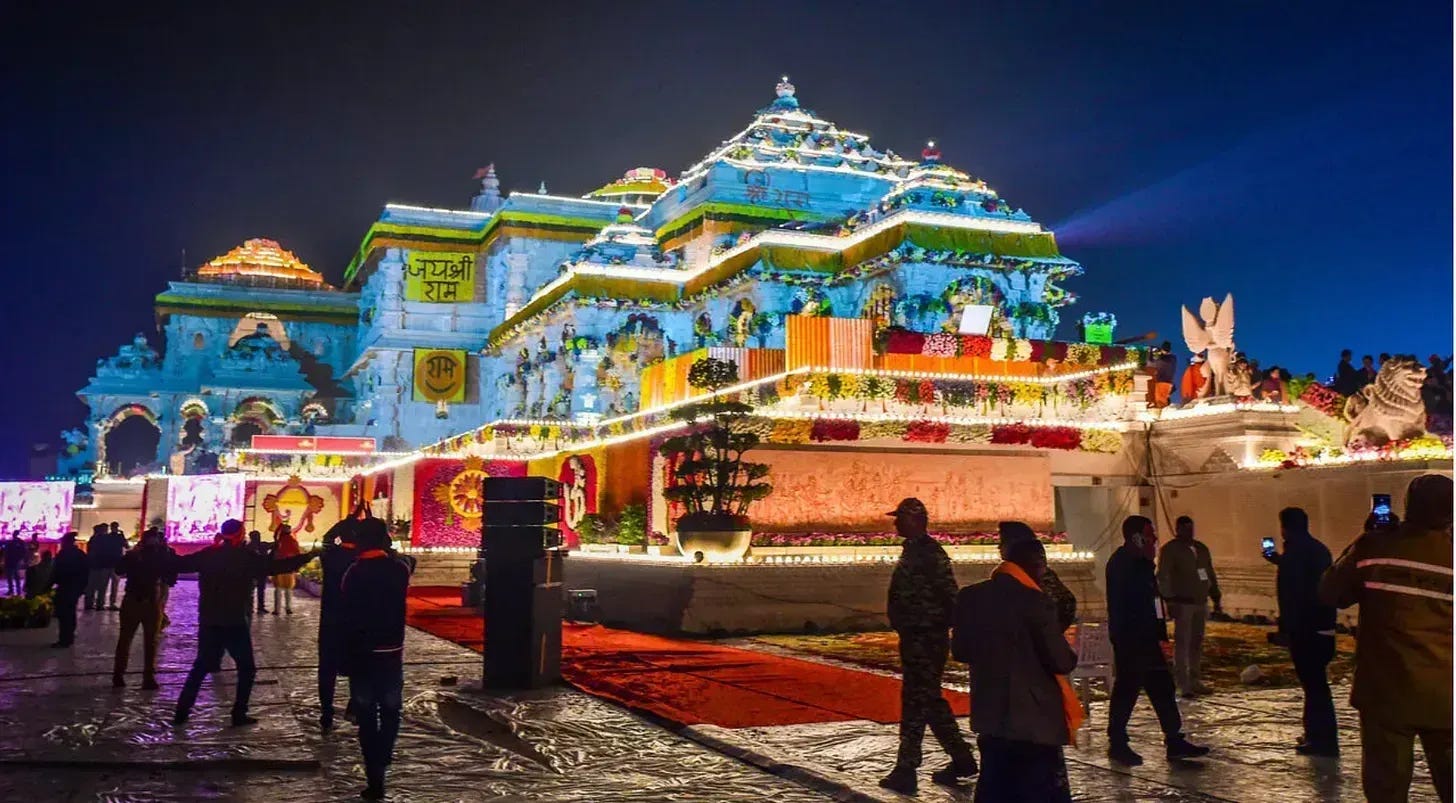
These big sums sometimes attract wrongdoers. Indians have lately been captivated by a scandal at the Ram temple in Ayodhya, in the north. Staff there have been filmed allegedly pocketing notes as they counted the day’s offerings. Some think the losses could run to tens of millions of rupees. A preliminary government inquiry has revealed several instances of shoddy oversight and accountability. For example, despite being advised to hold six-months’ worth of CCTV footage, the trust had only 45 days’ worth (during which cameras caught 70 alleged instances of theft, according to the government report).
The scandal is embarrassing for India’s ruling Bharatiya Janata Party [led by Prime Minister Modi], which projects itself as the incorruptible champion of Hinduism. The Ram temple is one of the party’s signature projects—the culmination of a decades-long campaign to build a monument on the spot where Lord Ram is believed to have been born. The 15-member trust running the temple has included figures linked to the Rashtriya Swayamsevak Sangh, a Hindu-nationalist organisation that serves as the BJP’s ideological parent. For years the RSS has campaigned to “liberate Hindu temples” from state control.
The Supreme Court last month began hearing a case on that issue. A group of Hindu monks are challenging the constitutionality of the southern model of temple management, claiming the state cannot interfere in a temple’s core business (such as its budget). India’s constitution guarantees freedom of religion, but allows the state to intervene in the secular matters that surround worship…
Neither the northern nor southern models of management can guarantee all temples will be run honestly and professionally (there have been scandals at southern temples, too). As so often the case in India, what matters is less the rules in place than the day-to-day decision-making of countless people on the ground.
New threats, new challenges, their antecedents…Plus, an inscribed copy of my book, A Red Line in the Sand. Founding members get my last three books and lunch withn Andelman! Along with a weekly portfolio of cartoons…and Friday our weekly live conversation.…with a new Celebrity Guest to decode the universe, or America’s next challenge….
But [exceptionally] we are taking a pause next Friday to journey to East Hampton, Long Island for the annual …
The next week, August 21, we will be back with:
Sarah Leah Whitson...founding exec director of Democracy for the Arab World Now (DAWN), human rights organization in the legacy of our dear friend and late colleague Jamal Khashoggi
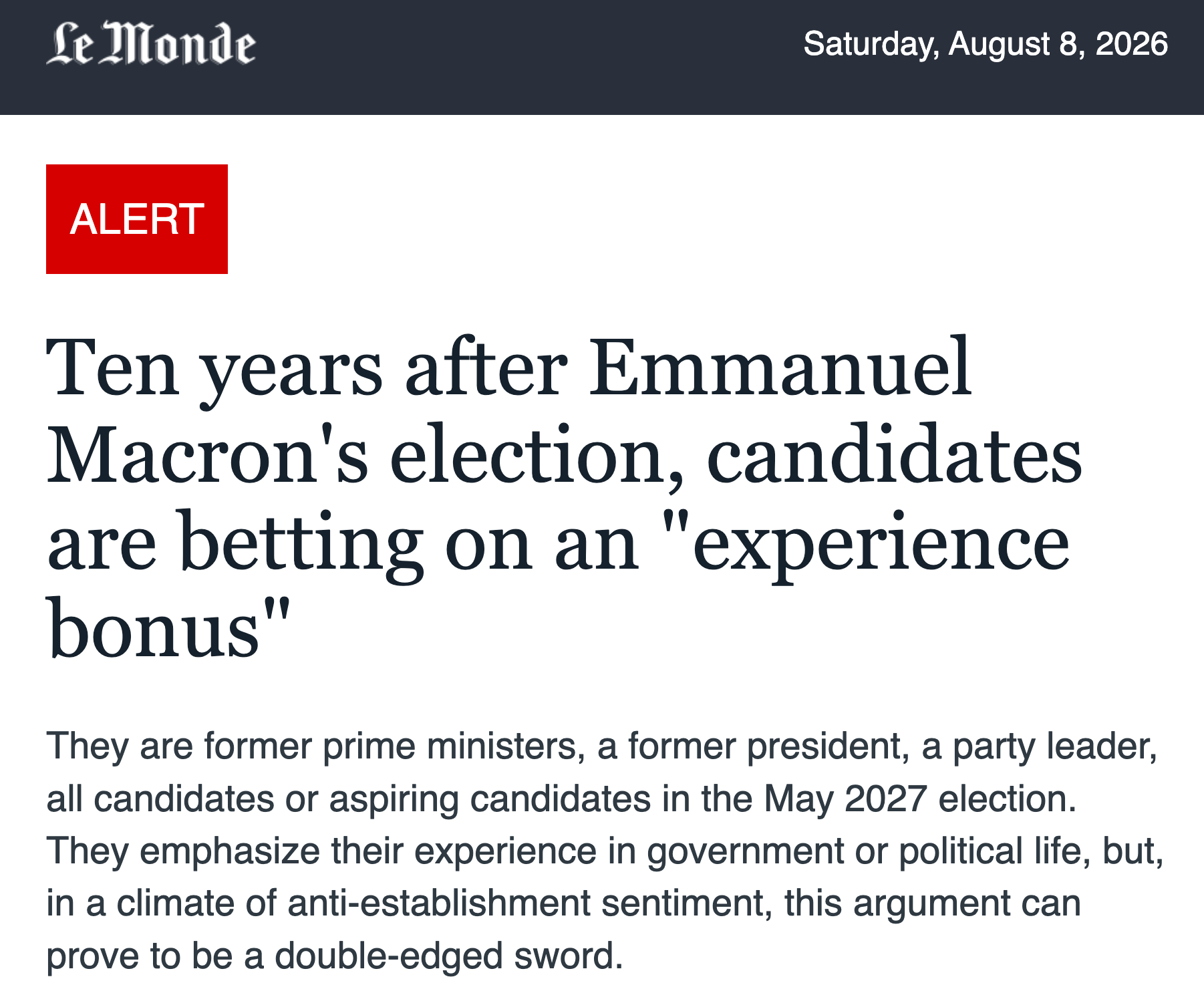
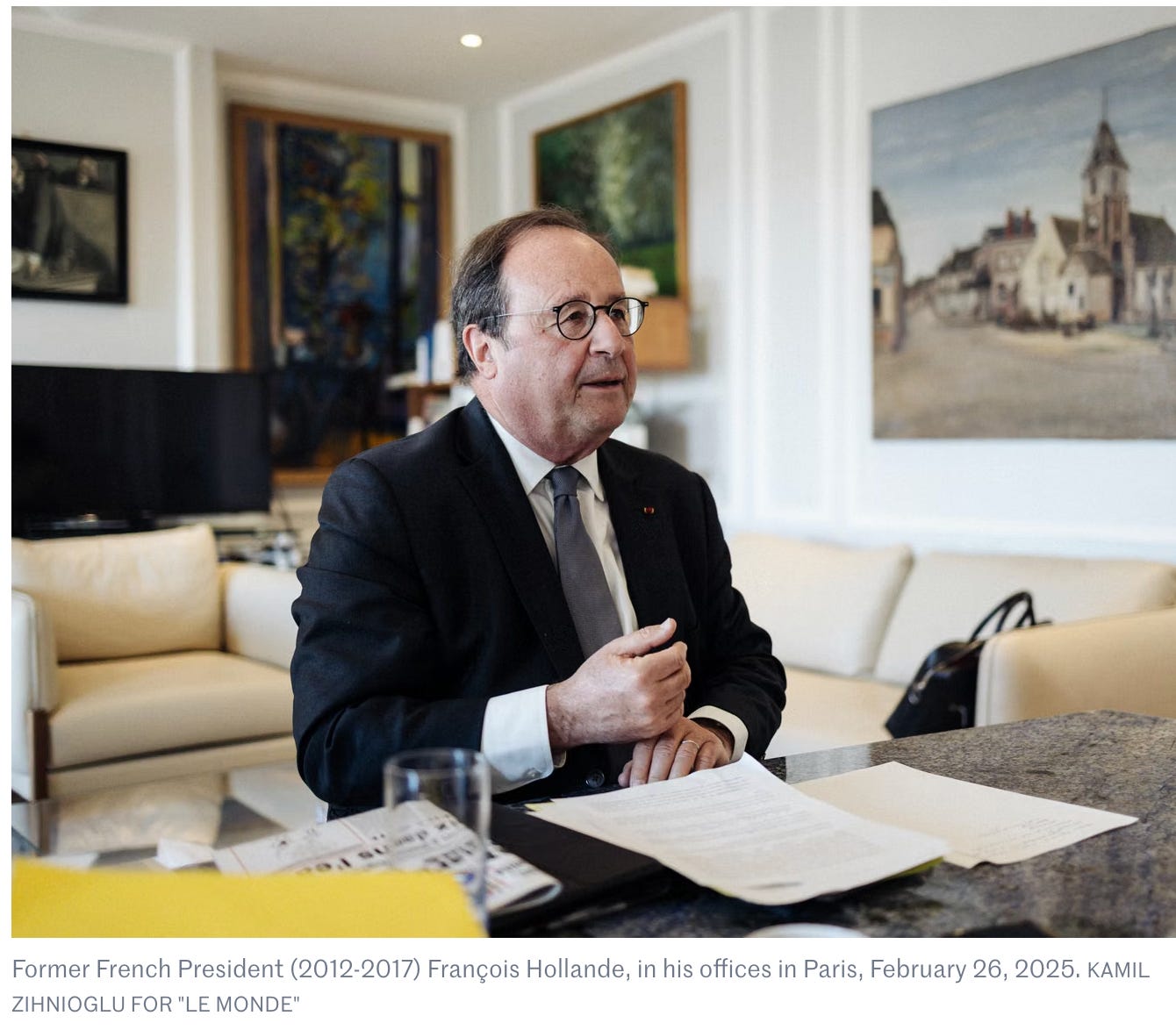
Ten years ago, one person I thought never to see back in the Elysée Palace was the man vacating the presidency with single-digit popularity: Socialist François Hollande. So imagine our astonishment—he’s back? Le Monde picks up the story:
With the grand retour (from summer vacations) on September 1, the campaign will start for next Spring’s presidential elections. Marie Pouzadoux continues:
To have any hope of winning, candidates will have to find a balance with the ability to embody change. “It may seem contradictory, but, on the one hand, the French expect experience, a guarantee of protection against the perils and complexity of the world [but]…does not preclude the desire for a break with the Macron era,” explains Frédéric Dabi, the director general of the IFOP polling institute.
Those who have inherited the presidential camp must, for their part, bear the burden of a record that is partly their own. “Today, having held power is almost a handicap,” remarks an advisor to Gabriel Attal—even though Attal himself could not have considered running without having served as Prime Minister. The leader of Renaissance and the leader of Horizons, both former prime ministers, are thus trying to differentiate themselves from Emmanuel Macron, citing Nicolas Sarkozy’s victory in 2007 to succeed Jacques Chirac as an example.
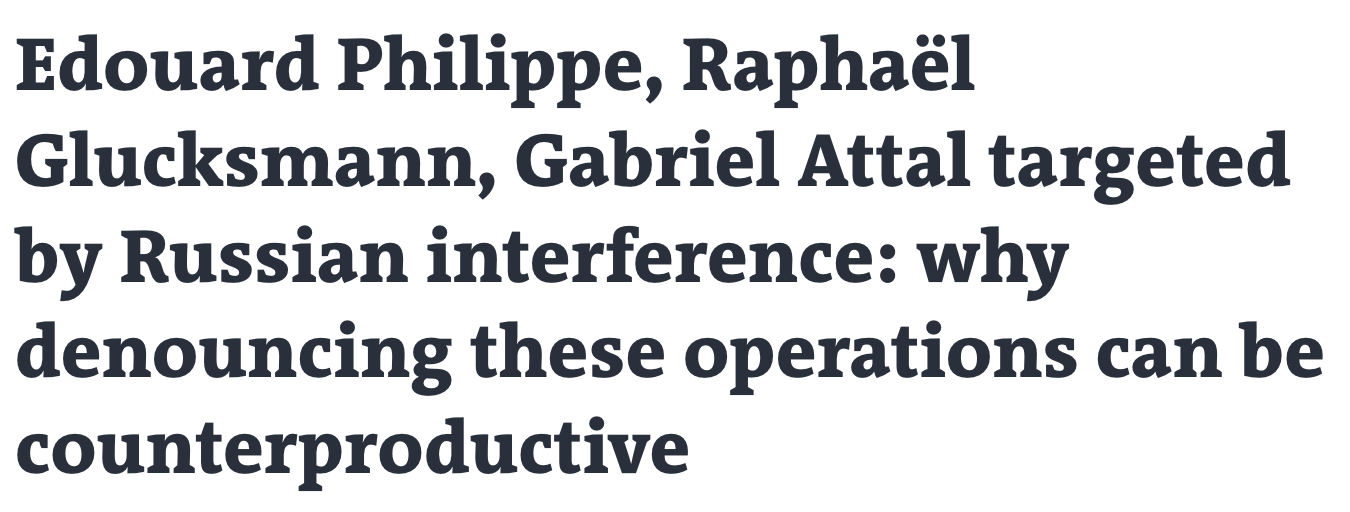
Meanwhile, somewhat unsurprisingly, for two former prime ministers and an aspirant….
Andelman Unleashed will be there on the hustings every step of the way.
For our highly valued, but lightly paid,members…where did all those foreign students in American universities go…then the consequences…..And of course, the full hour of Unleashed Conversation with Nadia Hashimi… Plus our portfolio from the world’s greatest Cartoonists.






Comments
Nothing yet. Say the first thing.
Sign in to join the conversation.