
Welcome to This Week in Culture & Capital—your weekly briefing on the stories shaping the business behind creativity. If you missed the room, here's what mattered.
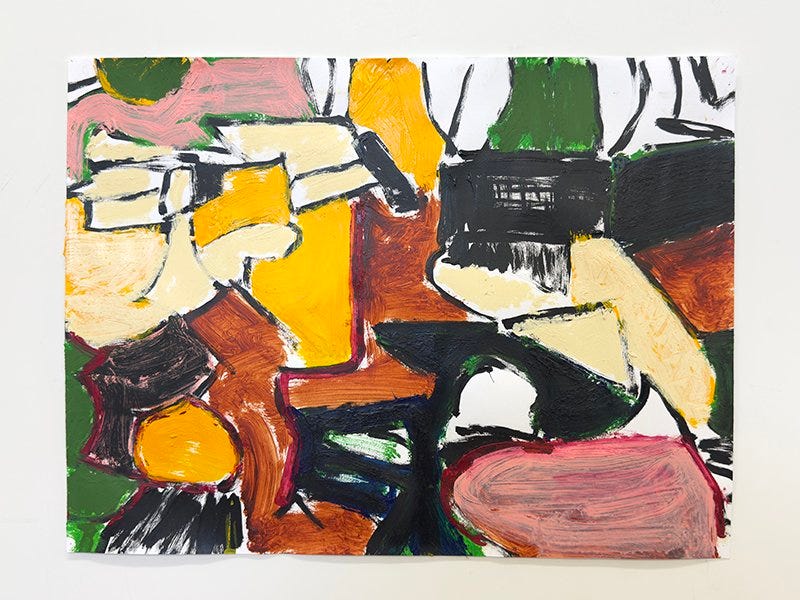
David Hockney dies at 88. One of Britain’s most influential artists passed away on June 11 after a seven-decade career spanning painting, photography, opera design, printmaking, and digital art. His willingness to embrace new technologies—including drawing on the iPad late in life—cemented his reputation as both an artistic innovator and cultural icon.
The CMC Perspective: Hockney’s legacy demonstrates that longevity in the arts is not built solely through a recognizable visual style. His legacy was sustained through reinvention, technical curiosity, and work capable of circulating across museums, markets, media, and popular culture.New York is getting its own Art Week. ARTnews and Artforum announced the inaugural Art Week NYC, scheduled for November 11–14, bringing galleries, museums, collectors, artists, and institutions together under one coordinated citywide initiative.
The CMC Perspective: Art weeks have become economic infrastructure, creating concentrated moments that drive tourism, transactions, institutional visibility, and market activity.Museums continue investing behind the scenes. The Plains Art Museum broke ground on a new collections storage facility as part of a broader campus expansion focused on conservation, accessibility, and long-term stewardship.
The CMC Perspective: Cultural infrastructure is not limited to glamorous new museum buildings. Storage, conservation, accessibility, and collection management determine whether institutions can preserve assets, expand programming, and responsibly steward cultural material over generations.
Tribeca continues evolving beyond a film festival. As its 25th edition entered its final week, the festival showcased how modern festivals now function as gathering places for filmmakers, investors, brands, distributors, creators, and technology companies.
The CMC Perspective: Film festivals have become marketplaces for intellectual property, branded entertainment, financing, audience development, and professional relationships—not merely a venue for premieres.Tribeca leadership points to a changing creator economy. In a June 9 interview, Tribeca Enterprises leadership described how brands are becoming more deeply embedded in entertainment as creators make storytelling more accessible and less risky for marketers. Creators often arrive with an existing audience, an established voice, and businesses spanning licensing, products, live events, and equity arrangements.
The CMC Perspective: The line between Hollywood, advertising, and the creator economy continues to blur, creating new opportunities for creators to own more of the value they generate.
LinkedIn enters the creator marketplace race. The platform launched a dedicated B2B creator marketplace, expanding tools: BrandLink, TopVoice360, and Advice Sessions; that connect brands with trusted professional creators and thought leaders.
The CMC Perspective: The creator economy is moving decisively into professional services and business-to-business influence. Expertise, executive credibility, and trusted niche audiences are becoming monetizable assets alongside entertainment reach.Brand partnerships continue moving up the value chain. Tribeca’s growing brand presence also reflected a broader shift from isolated sponsorships toward integrated entertainment partnerships. Brands are increasingly seeking access not only to individual creators, but to the communities, formats, intellectual property, and distribution ecosystems surrounding them.
The CMC Perspective: The most valuable creator businesses will be built around owning repeatable formats, audience relationships, licensing rights, live experiences, and other assets that can support multiple revenue streams.At some point, creativity has to become infrastructure.
Not more ideas. Not more content.Structure.
The Capital Studio is where we build that—over 12 weeks, in real time, with a cohort of creatives who are ready to take their work seriously.
The next cohort begins September 9, 2026.
This is not about becoming visible.
It’s about becoming sustainable.
New York’s AI advertising disclosure law takes effect. Beginning June 9, advertisements using certain AI- or software-generated human performers to disclose that the person depicted is not real. New York described it as a first-in-the-nation transparency requirement for AI-generated advertising
The CMC Perspective: AI regulation is moving from abstract debates about ethics into enforceable commercial rules. Creative agencies, brands, production companies, and platforms will increasingly have to treat disclosure, likeness rights, and synthetic media compliance as part of ordinary production infrastructure.Violations now carry financial penalties Advertisers that fail to disclose qualifying AI-generated performers face civil fines beginning at $1,000.
The CMC Perspective: As synthetic media becomes more common, legal literacy is becoming a competitive advantage for agencies, creators, and brands alike.
The boundaries between culture and commerce continue to disappear. From Tribeca’s expanding role as a marketplace, to LinkedIn’s investment in professional creators, to New York regulating AI-generated advertising, the week’s biggest stories all pointed in the same direction.
The CMC Perspective: Culture is no longer created in one industry and monetized in another. Creativity, technology, policy, capital, and ownership are increasingly operating within the same ecosystem.
This week was fundamentally about who controls the infrastructure around creative work.
Institutions are building new platforms and physical capacity. Festivals are functioning as dealmaking ecosystems. Professional platforms are turning expertise into a formal creator market. Governments are deciding how synthetic creativity must be labeled.
The creative economy is becoming more organized, more regulated, and more valuable—and ownership of the systems around creativity may ultimately matter as much as ownership of the work itself.
The inaugural Legacy Study reminded me that people are hungry for thoughtful conversations about wealth.
Not hot takes.
Not financial hacks.
Not another webinar.
Just a room of people willing to read carefully, think critically, and ask better questions.
This quarter, we’re shifting our attention from systems to behavior.
Together, we’ll study The Psychology of Money by Morgan Housel and explore how our beliefs, emotions, and experiences quietly shape the financial lives we build.
The Legacy Study: Behavior & Belief
The Psychology of Money by Morgan Housel
Tuesday, August 18, 2026
7:00–8:30 PM ET
Virtual
Seats are intentionally limited to preserve the quality of discussion.
Comments
Nothing yet. Say the first thing.
Sign in to join the conversation.