
COP30 started hot and ended hot, to say the least.
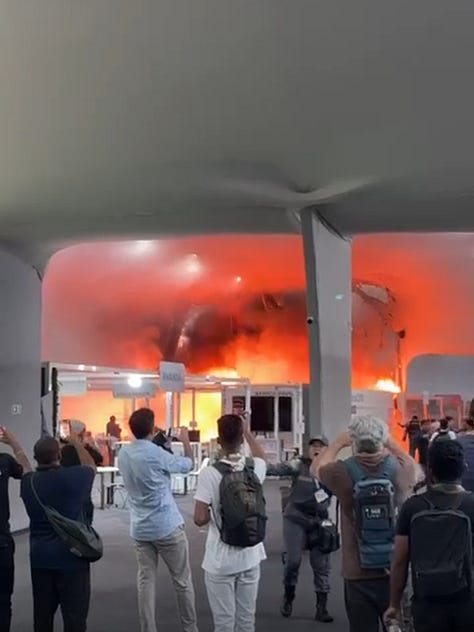
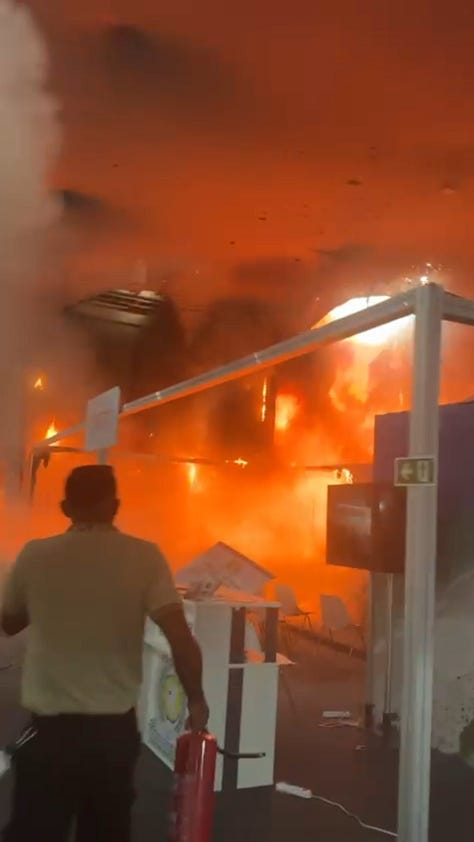
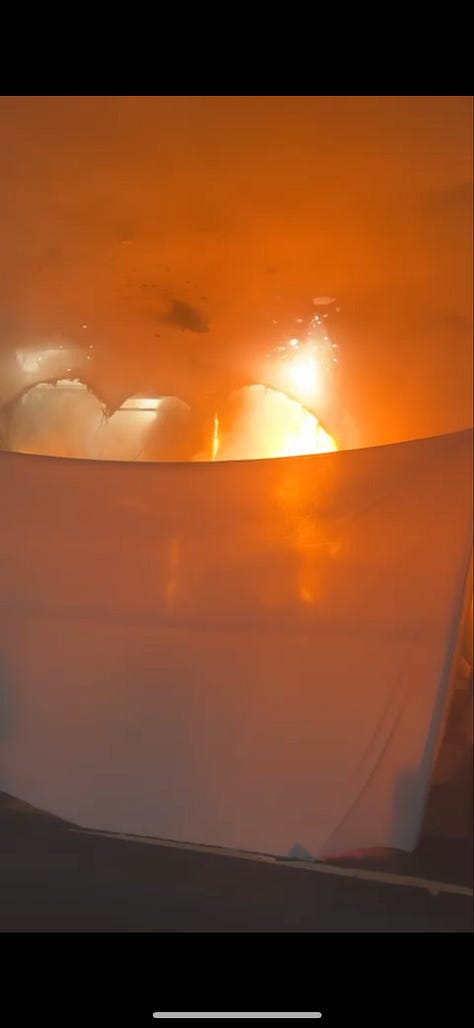
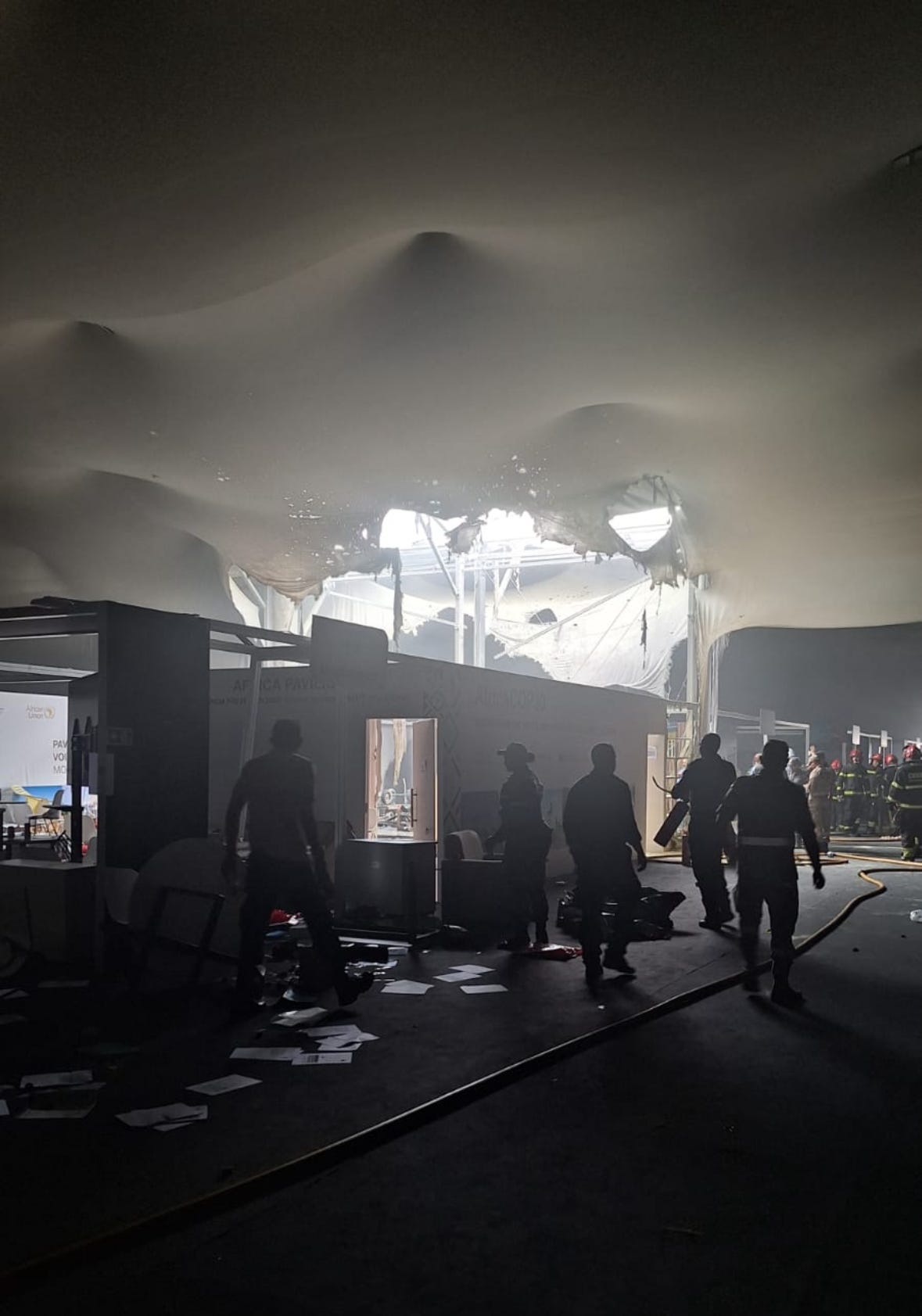
Today, around 2:00 p.m., flames erupted inside the venue.
We were in the middle of speaking at our side event when, all of a sudden, security staff, or perhaps volunteers, it was hard to tell, rushed up to my professor, Sarah. She announced to the room that we needed to evacuate immediately because there was a fire in the Blue Zone.
The China Pavilion, one of the trade-show-style booths, had caught on fire.
In truth, the conference had been riddled with warning signs, each one quietly preparing me for this moment. Even so, the shock was undeniable. In the first couple of days, for example, the Ocean Pavilion, already sweltering from stagnant, humid air, brought in several fans just to keep the space bearable. But the fans began smoking and had to be unplugged on the spot. I’ve since heard murmurs of other, similar electrical issues in various pavilions.
My concerns about safety had also sharpened after the day protestors breached security. There was no centralized messaging system to inform people what was happening or whether to evacuate. Everything spread through word of mouth and scattered WhatsApp updates.
It made me wonder: what would happen if there were an actual fire? Why wasn’t there a coordinated alert or alarm system?
I understand the logistics of hosting COP in a temporary, tent-like structure, but how can that possibly meet basic safety standards? There was hardly any signage pointing to exits. I found myself scanning for fire alarms throughout the venue and didn’t see a single one. Maybe that’s because everything was tented—but that only raised further questions.
Even the UNFCCC Executive Secretary, Simon Stiell, had raised concerns earlier in the week in a letter to the Brazilian President’s chief of staff and the COP30 Presidency, flagging security issues like unsecured doors, and safety issues such as malfunctioning air-conditioning and rainwater seeping into lighting fixtures.
We, fortunately, were in a separate section of the venue, a permanent structure connected to the main tent-like complex, yet the messaging about what was happening and what we were supposed to do remained unclear. Everyone huddled inside that building, waiting for updates. The official information, to the extent that it existed, mostly filtered through WhatsApp group chats. There was no direct, coordinated communication telling us whether to evacuate or stay put.
Soon, videos began circulating showing flames engulfing the pavilion area and licking up toward the tented ceiling. Smoke poured out of the venue.
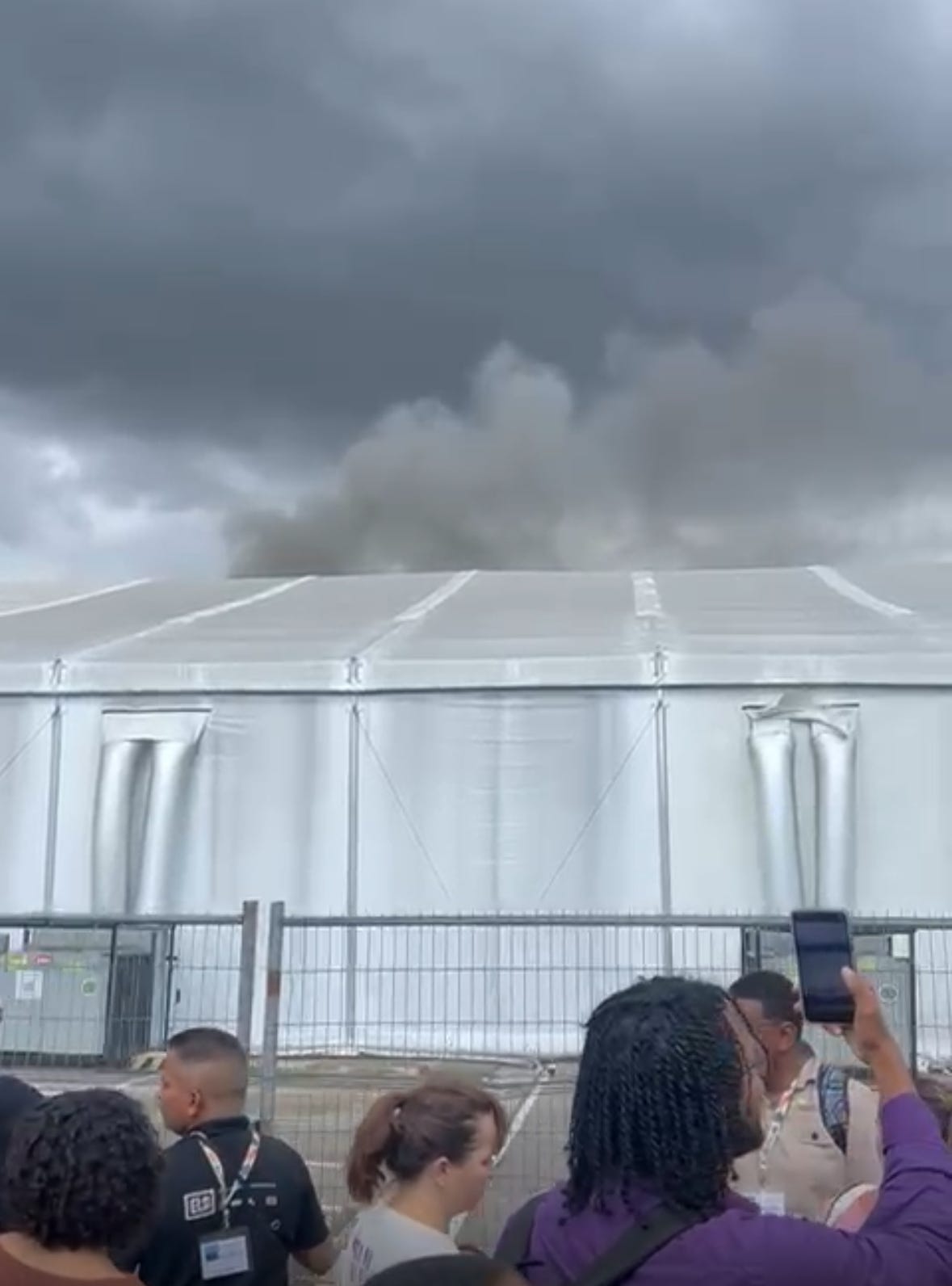
As of now, the cause of the fire is still unknown. Officals announced there were “thirteen individuals being treated on site for smoke inhalation,” and “their condition is being monitored.” Per the latest updates, the venue will remain closed until 8 p.m. or until further notice.
The impact on negotiations remains to be seen.
At best, as my professor suggested, perhaps it could galvanize delegates, injecting a renewed sense of urgency into the final stretch of talks.
At worst, it may simply add delay to an already strained process. But the potential for a sharpened collective focus is real.
No posts
Comments
Nothing yet. Say the first thing.
Sign in to join the conversation.