
Two years ago investors and speculators discovered critical metals. The raw materials were popular because they are essential for clean energy production. Detailed expensive studies predicted critical metal Nirvana.
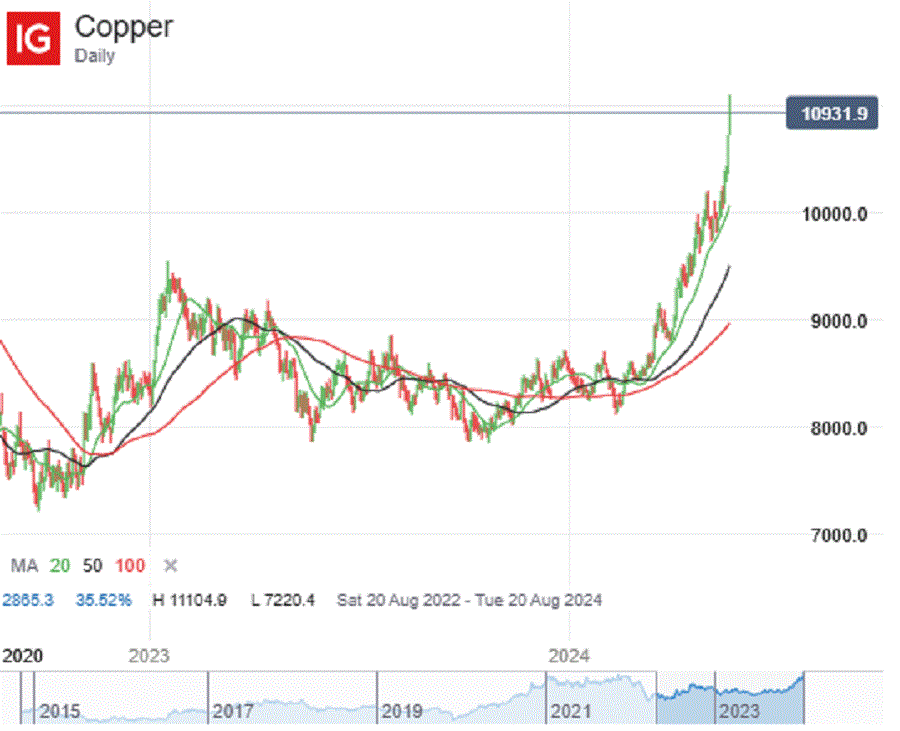
Copper is now fashionable for the same reasons. Since February its price is up 35 per cent, compared with gold’s rise of 23 per cent. BHP's bid for Anglo has added to the hype. Hedge and commodity funds have poured money into copper and created a market squeeze. Their New York’s net bull trading position has risen to the equivalent of 835,000 tonnes, says the CFTC, the commodities regulator. Including the London Metals Exchange, China exchanges and OTC (over the counter market), the global speculative positions are far higher.
Simon Hunt Strategic Services, a veteran, knowledgeable consultant, says that trading is now exceedingly dangerous. Industry buyers are standing aside. Funds are fickle. They were bears in February.
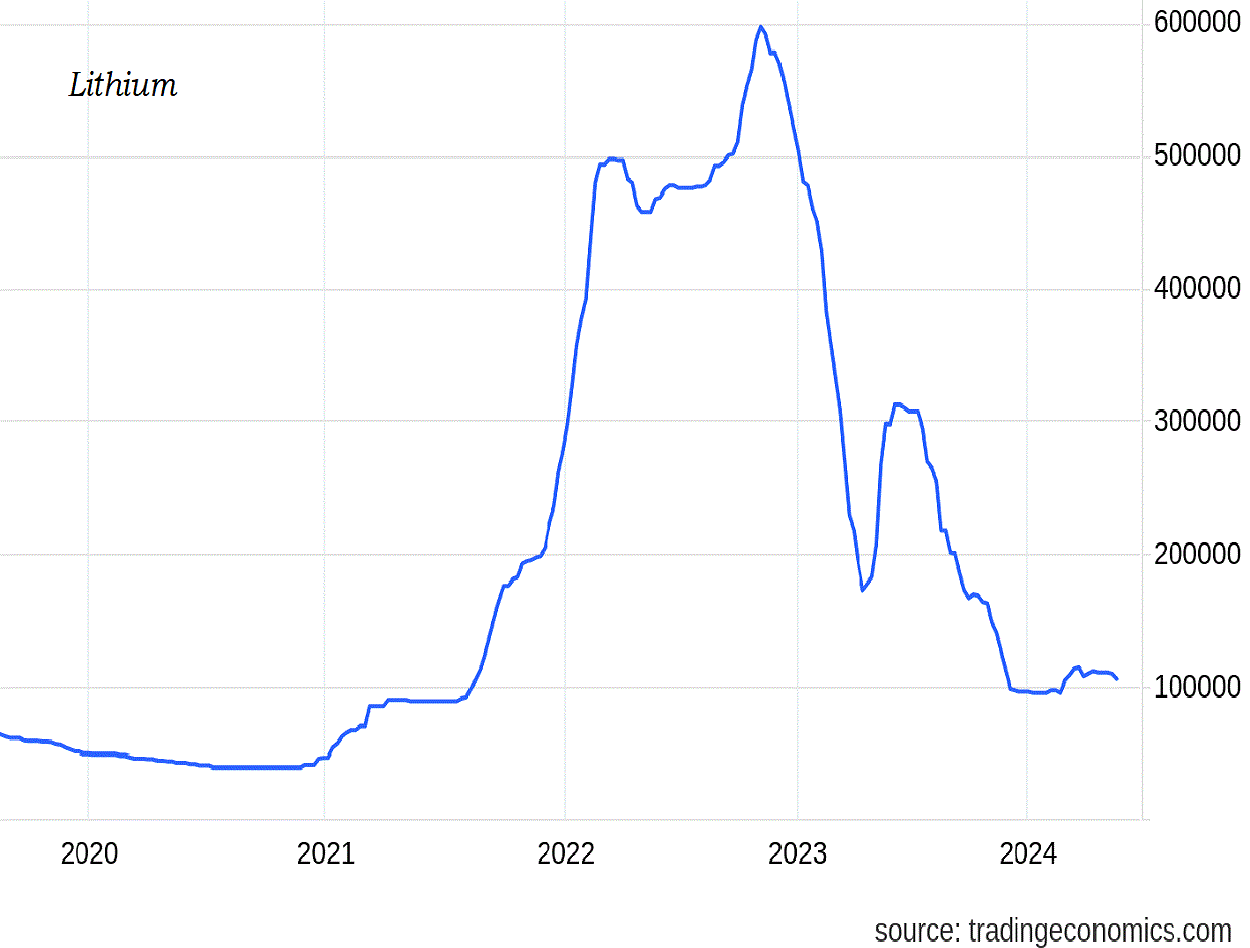
A simple fact switches on the yellow light. The clean energy proportion of total copper demand is well under 10 percent. Copper and other metals are dependent on a strong global economy. It is slowing down. If the price chart flattens and begins to dip, profit taking will begin. Take a look at the two charts below and come to your own conclusions.
Be wary of mega mining deals
That's the warning from the International Energy Agency’s Global Critical Minerals Outlook.
“Price declines are a double-edged sword. – a boon for clean energy deployment but a bane for critical mineral investment”.
Commodities Predict's precious metals, gold shares, cocoa and grains analysis and forecasts proved to be accurate. Prices of all are up. But CP has also warned that speculation in the US, China and elsewhere is excessive. CP was the first to recommend a renewed De Beers public listing.
CP is neither infallible nor a soothsayer. Markets are unpredictable, but realism prevails. The relevant free pieces are on commoditiespredict.substack.com.
Research and writing take time. Kindly sample and enjoy CP via the low monthly payment. Further balanced and realistic analysis follow:
The critical metals slump is deterring $800 billion mining investment says the IEA
Electric vehicles and clean air energy producers need critical metal exploration and development.
After dramatic increases in 2021 and 2022, prices of critical minerals tumbled.
Last year, lithium slumped by 75 per cent and prices of cobalt, nickel and graphite by 30 to 45 per cent. Supplies overwhelmed demand that failed to meet overoptimistic expectations.
So far this year, prices of nickel and copper have revived. But lithium, cobalt and graphite remain depressed. China dominates the rare earth market so it is difficult to gauge latest prices. But they have also fallen.
The good news is that the minerals’ slide cut electric vehicle battery prices by 14 per cent. Lower prices also help makers of wind turbines, solar panels and other clean energy uses, says the IEA.
The bad news is that depressed prices will discourage miners. They won't develop and produce adequate critical metal supplies. The boom in 2021 and 2022 encouraged critical minerals miners to raise investment by 10 per cent. Exploration spending rose by 15 per cent.
“Still healthy, but slower than in 2022,” comments the IEA.
The IEA projects that demand for critical minerals will grow in the next few years. It predicts that the total market for these minerals will double to $770 billion by 2040.
Analysis of projects show that there won't be enough copper and lithium to meet demand by 2035. This IEA prediction assumes that countries worldwide will reach their climate change goals.
(CP and other analysts believe that the IEA demand projections are over optimistic. Sales of electric vehicles this year will be well below IEA 2024 predictions of 17 million. Johnson Matthey expects 13.5 million.
The IEA fears that there is a concentration of supplies in questionable areas.
China, for example, will continue to dominate refining and processing of the metals.
“Critical minerals production needs to be secure,” says IEA Executive Director Fatih Birol. “The world’s appetite for solar panels, electric cars and batteries is growing fast."
The latest EIA Outlook scrutinises supply and geopolitical risks. It fears that some emerging nations will not cope with supply disruptions. Mines are also exposed to environmental, social and governance risks. Lithium and copper are the most vulnerable to supply and volume risks. Graphite, cobalt, rare earths and nickel face geopolitical problems.
China controls 90 percent of global graphite production. Most minerals can create environmental and community problems.
To lower temperatures to 1.5 degrees, investment in mining should be $800 billion by 2040, says the IEA. “Without recycling supplies, mining capital requirements would be around $1,100 billion.
© copyright Neil Behrmann All Rights Reserved. Publications can use parts of the article but must attribute the author and Commodities Predict. Others who want the entire article must seek permission.
No posts
Comments
Nothing yet. Say the first thing.
Sign in to join the conversation.