The Coltrane Code is a space where jazz, spirituality, and personal storytelling intersect to explore how John Coltrane’s music offers lessons for living with depth, clarity, and purpose.
In this conversation, renowned Coltrane biographer and music historian Lewis Porter explores one of the most debated chapters in jazz history: the relationship between audiences and John Coltrane’s later music.
John Coltrane brought Pharoah Sanders into his band in 1965, during the period when Coltrane was pushing furthest into free jazz and spiritual exploration.
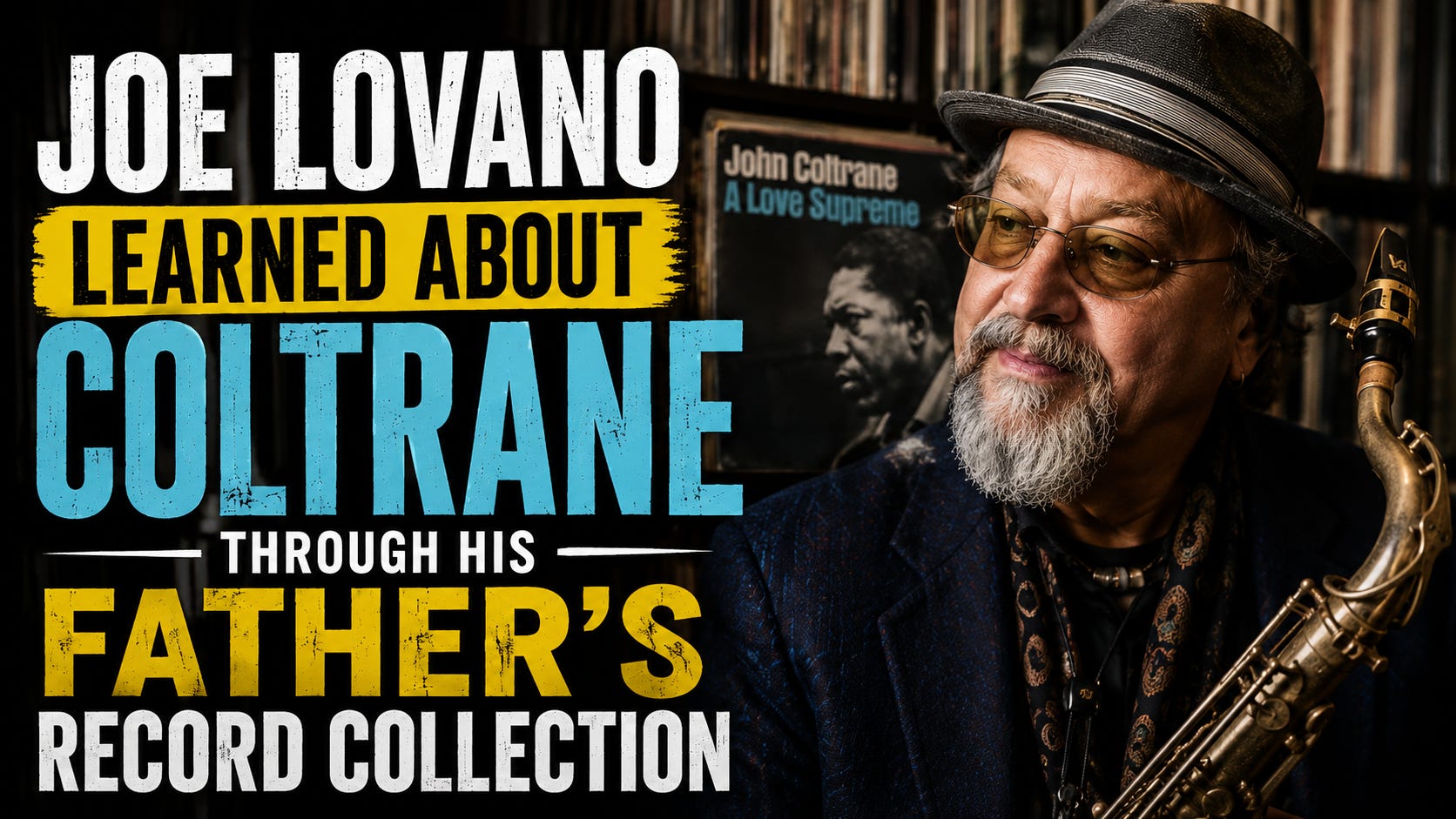
In this clip, legendary saxophonist Joe Lovano discusses the relationship between artists and their audience, using John Coltrane as a powerful example.
Denny Zeitlin is a jazz pianist who has spent his entire career running two full professions simultaneously rather than choosing one: he’s also a practicing clinical psychiatrist and clinical professor of psychiatry at UCSF, a position he’s held since 1968.
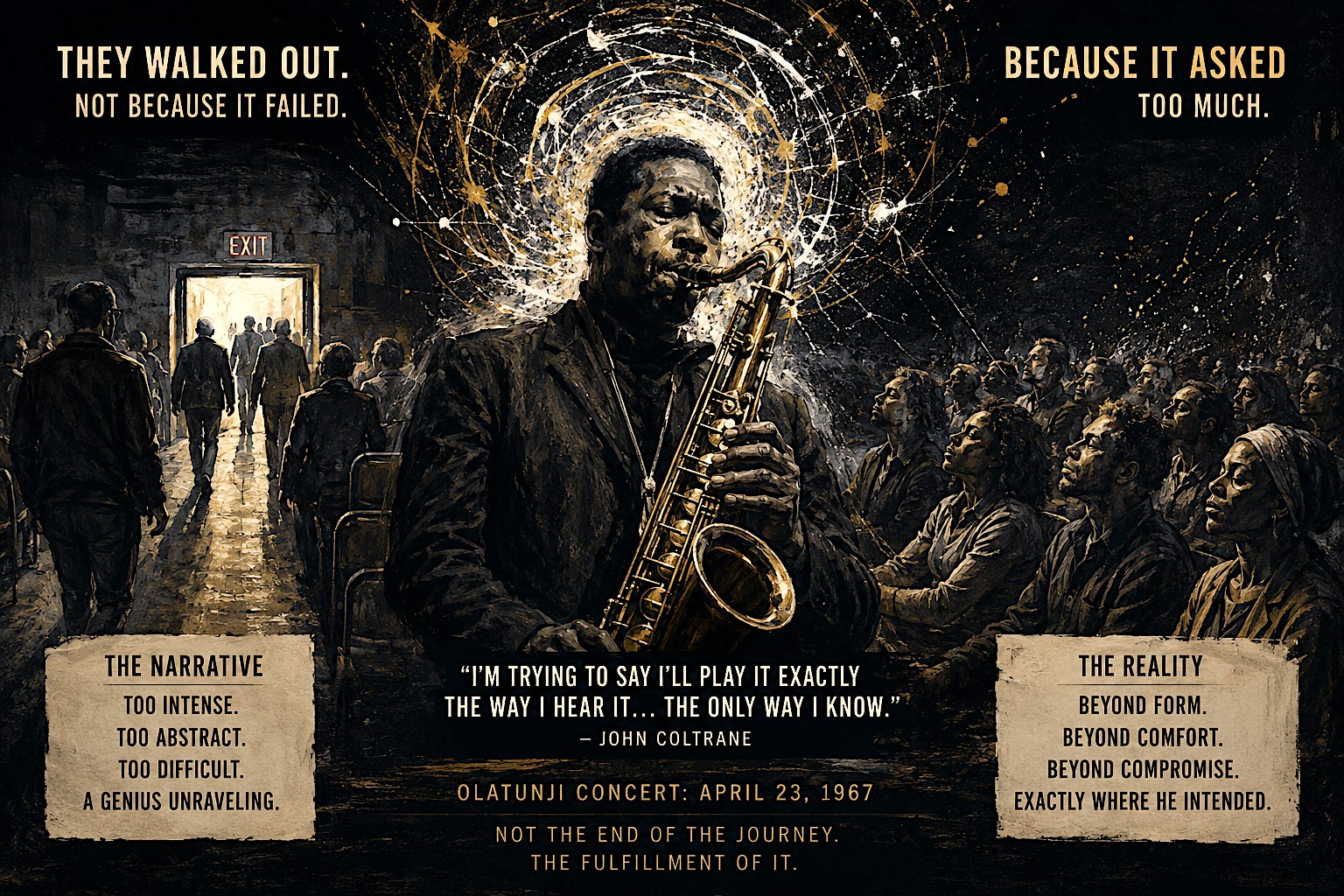
Coltrane’s final year is typically framed as artistic collapse, but the evidence — from the Olatunji Concert to his own stated intentions — suggests the opposite: a musician who reached precisely where he was headed, abandoning the aesthetic compromises Western music culture depends on.
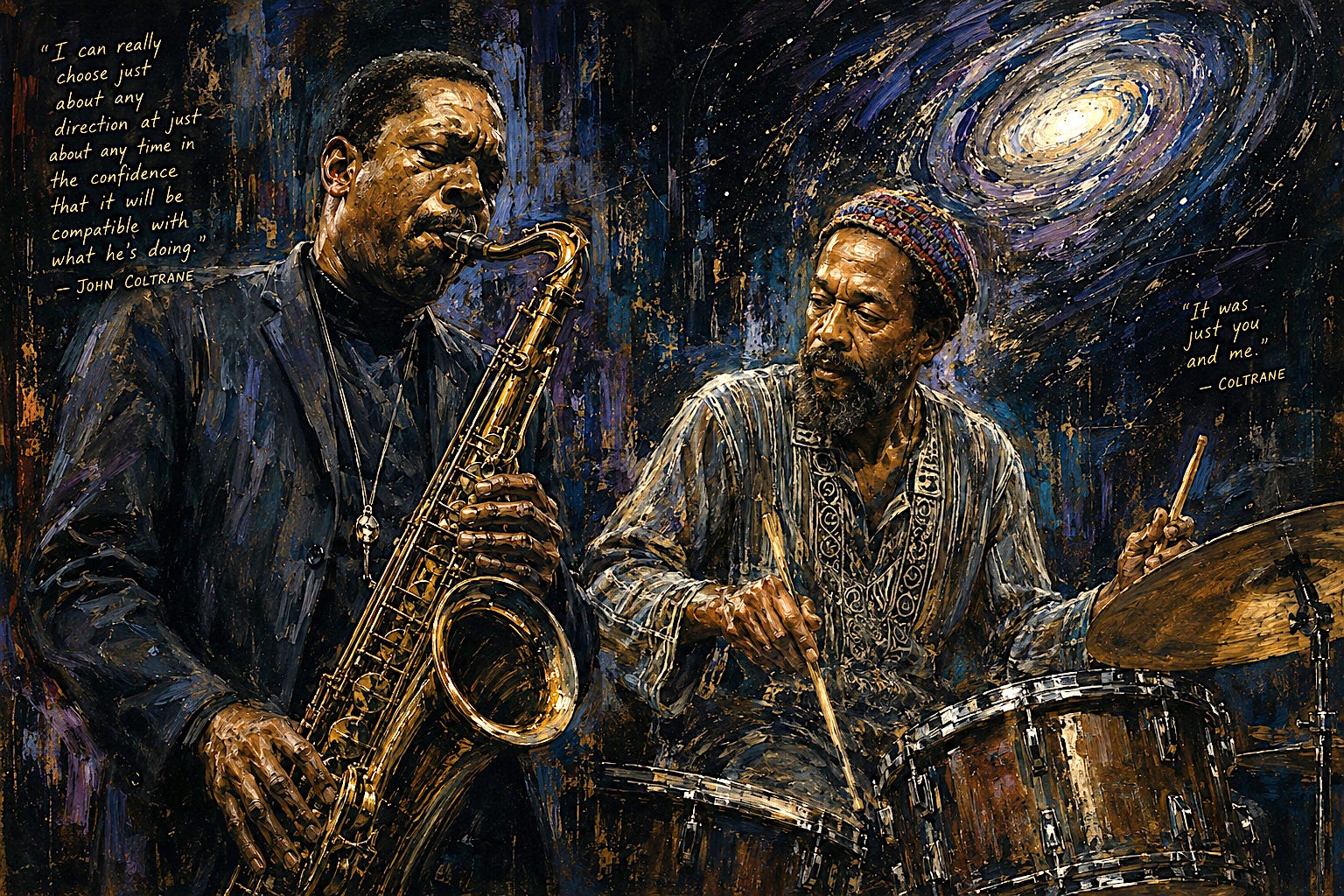
Rashied Ali was not a sideman who preserved John Coltrane’s legacy — he was the drummer who made Coltrane’s final and most radical music possible, accompanying him past meter, past structure, and past the boundaries of what jazz audiences were willing to follow.
Growing up in Cleveland, the son of tenor saxophonist Tony “Big T” Lovano, Joe Lovano came to John Coltrane the way most deep musical truths arrive — through the family record player.