
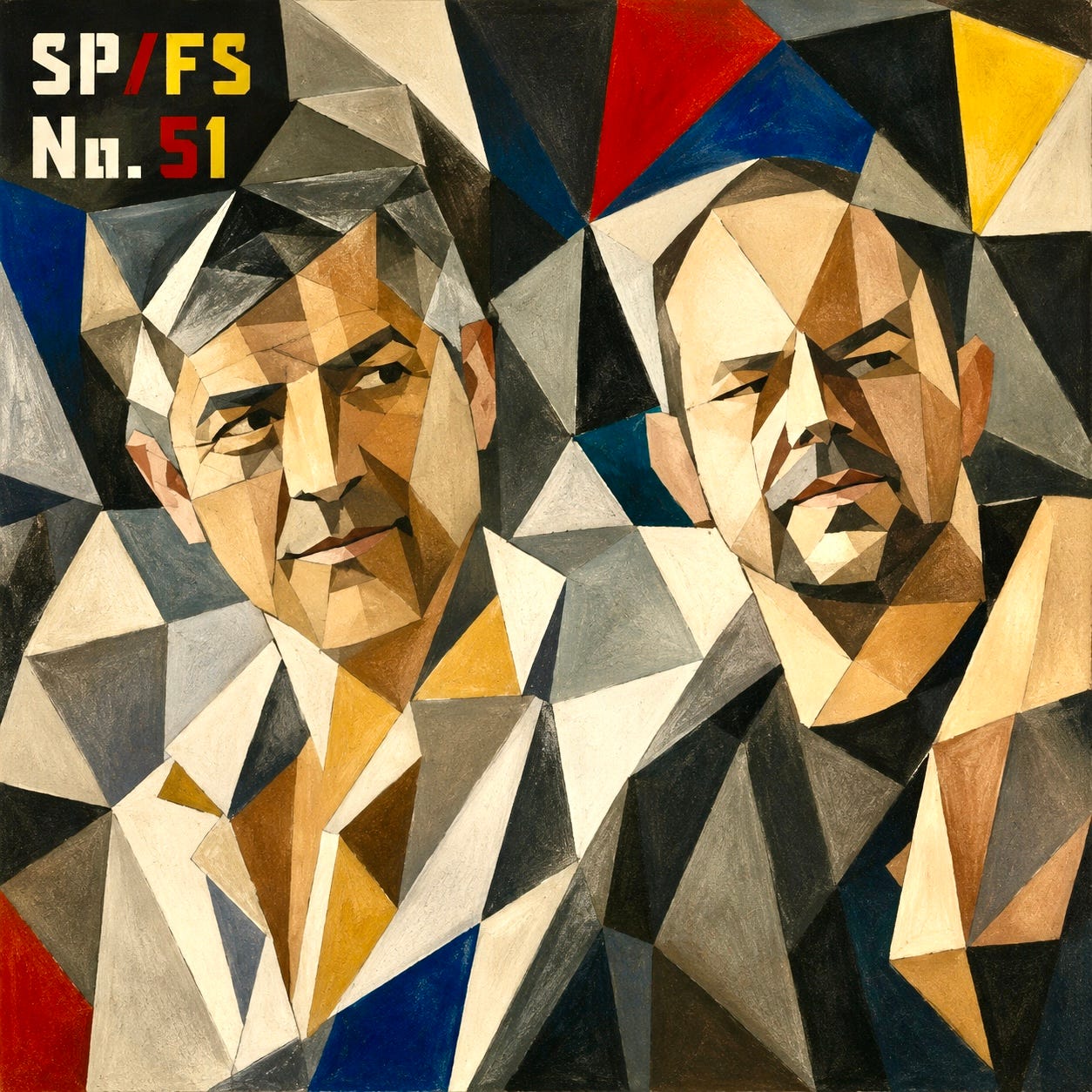
Note: Matt Brown is the author of Star’s War: George Clooney on the Frontlines of a Deadly African Conflict. A returned Peace Corps volunteer and seasoned journalist, he is the featured guest on SoftPower/FulStories #51—listen here.
George Clooney did not need to go to South Sudan. He did not need to risk being bombed or kidnapped. He did not need to subject himself to stomach parasites and malaria. He did not need to sleep on a hard cot in a steamy cot.
As one of the most recognizable movie stars on the planet, Clooney could have been content to sip his branded tequila from the comfort of his lakeside European villa. He did not need the extra attention.
But South Sudan did. And so he went anyway.
“The cameras are going to follow me wherever I go, so I’m going to go to the places the cameras should be,” Clooney once said.
In the early 2010s, as Sudan was emerging from decades of civil war, Clooney became one of the biggest champions of a peaceful separation between the North and South as a way of ending the conflict. Already an advocate for human rights in Sudan’s Darfur region, Clooney decided to wield his considerable influence there.
Celebrity activism as a form of soft power is not new. Ever since famous people realized that they could influence others with their words and actions, celebrities have used their stardom to champion causes. Clooney, a United Nations Ambassador for Peace with connections to politics, entertainment, and business, amassed and expended soft power better than most. His box office success gave him the ability to attract an audience to Darfur rallies. National news networks would cover the conflict in Sudan if it meant scoring an interview with Clooney. His op-eds had the power to inspire action or halt political campaigns.
He is a Master Class in soft power, and I had a front-row seat.
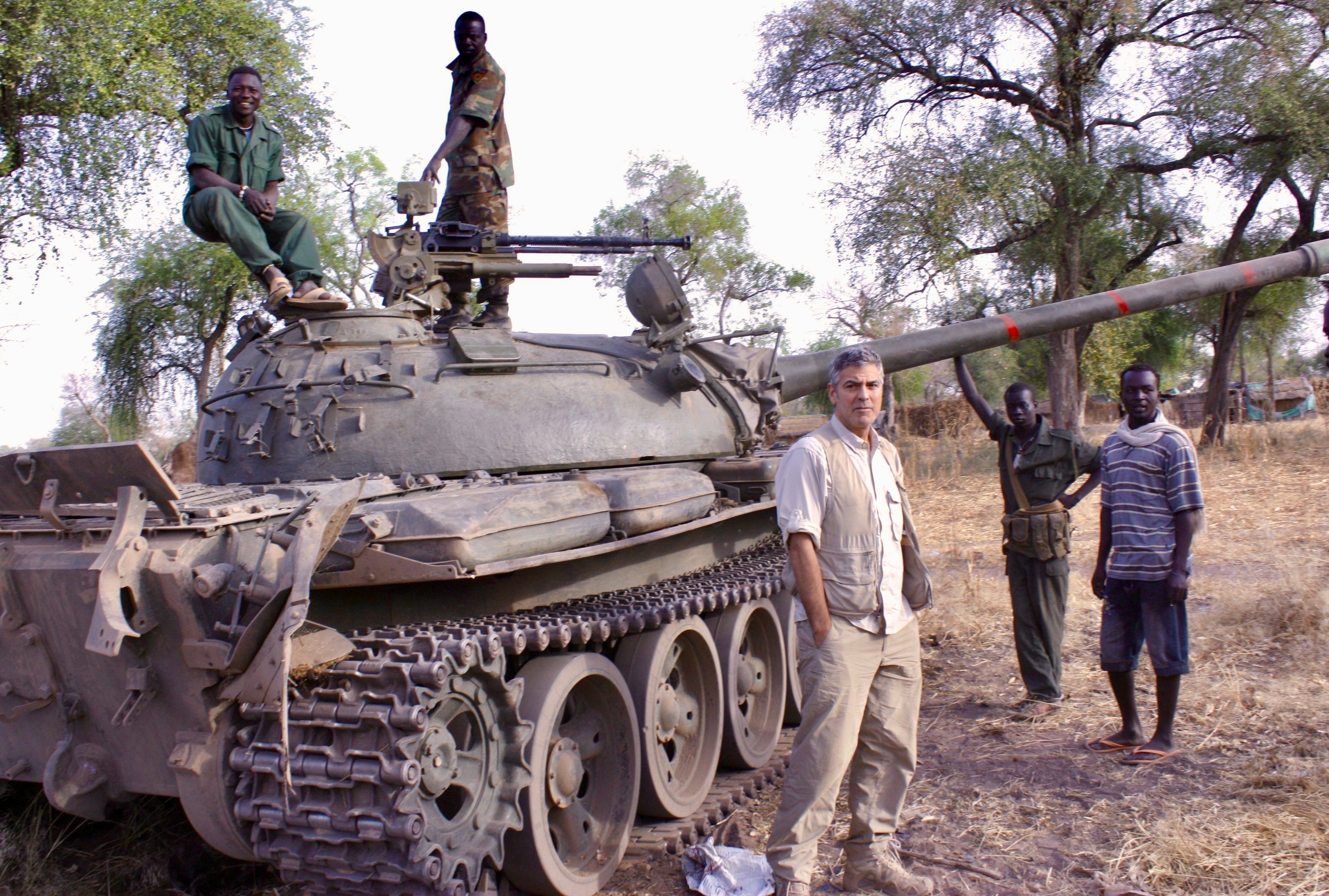
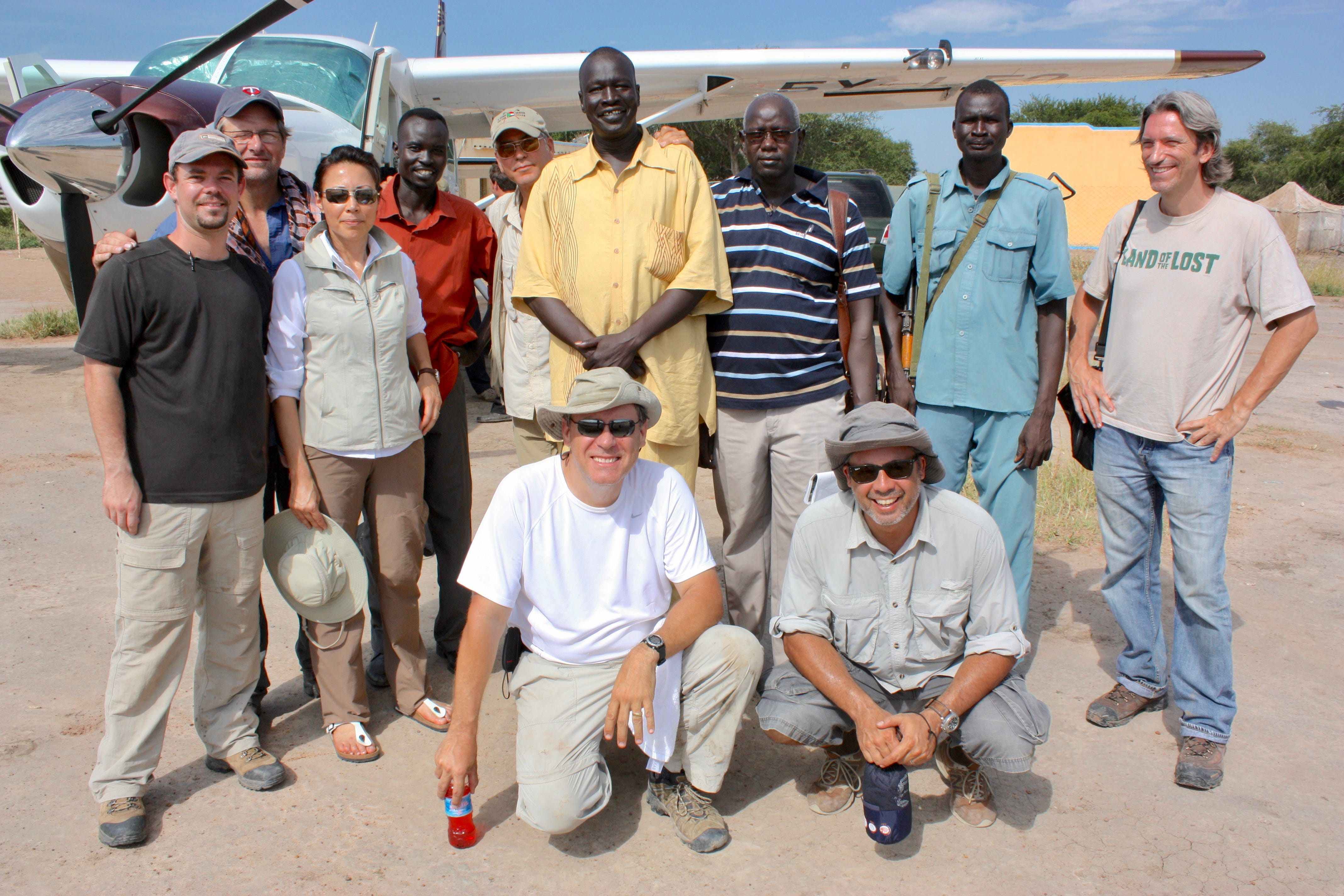
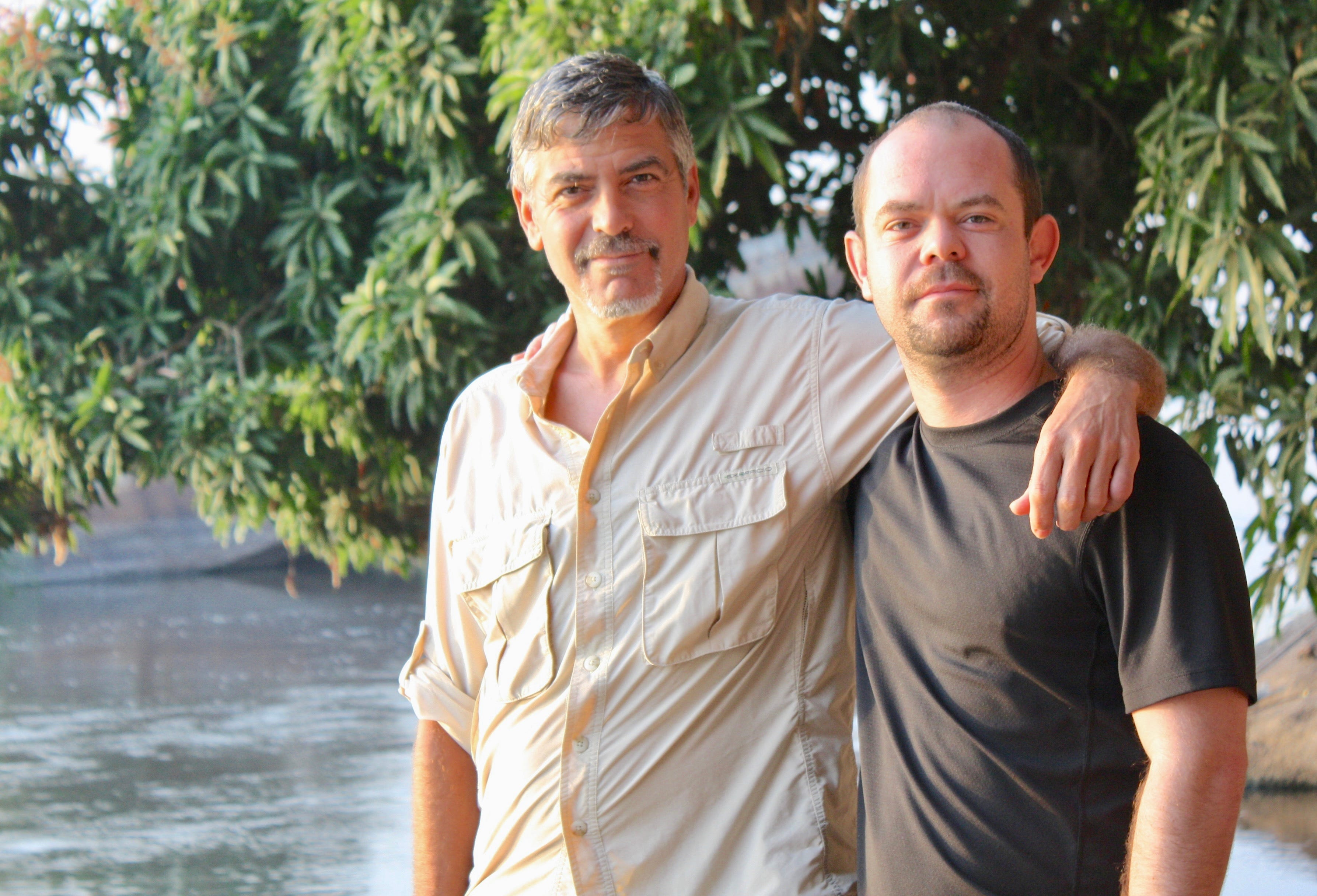
During several of Clooney’s trips to South Sudan to raise awareness about the war, I was hired to provide logistical support, traveling with him to refugee camps, meeting with high-level officials, and touring the frontlines of the conflict. As a former Peace Corps volunteer, I am fluent in soft power. The Peace Corps was established as one of the premier American soft power institutions, sending technical expertise in the form of mostly young, idealistic volunteers to countries in need. In my Peace Corps village in the verdant hills of central Guinea, I was the only American most of the locals had ever met, and my role as a goodwill ambassador was just as important as my English teaching job. The cross-cultural exchange is what makes the Peace Corps such a potent deployer of soft power.
Entertainers are also effective wielders of soft power because they can say things that politicians and diplomats can’t, and people will listen. Such was the case with Clooney’s trips to South Sudan. We would usually travel with a trusted media partner, like NBC News or Newsweek magazine, embedded in our entourage to tell the story.
As the United States attempted to engage the government of Sudan to help fight terrorism, officials were cautious about being too critical of Sudan’s human rights record, both in Darfur and in the South. But Clooney would say whatever he wanted, and he frequently criticized the Khartoum government and called for the arrest of officials who had been indicted for war crimes by the International Criminal Court.
As a human rights advocate, Clooney was a dream partner, and not just because of the size of his megaphone. He is not the kind of celebrity who would parachute into a war zone for a photo op. He knew all the key players in the conflicts in Darfur and South Sudan, and he stayed engaged on the issues even when he wasn’t traveling to the region.
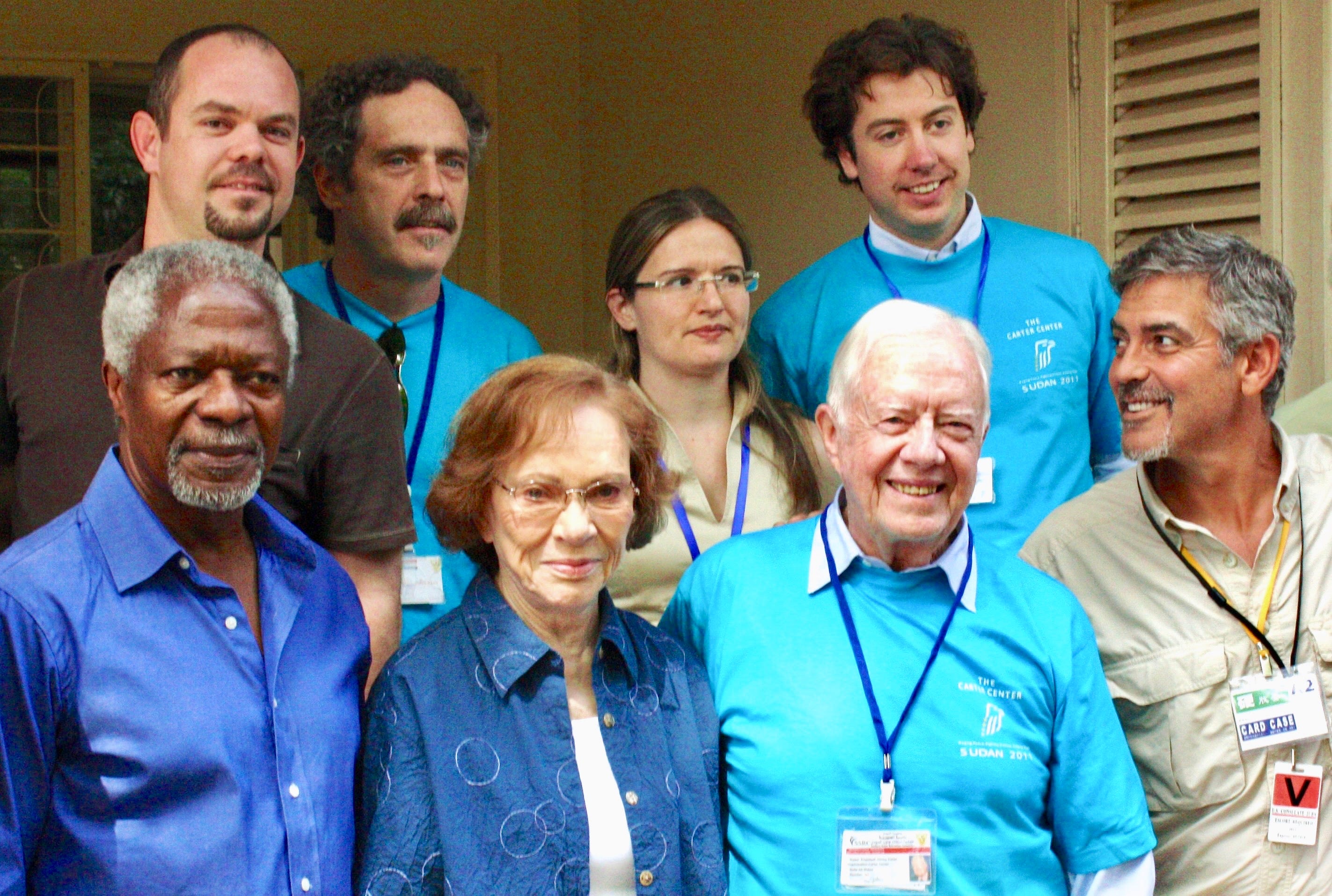
He also leveraged his extensive contacts to further amplify his message. During one of our trips to South Sudan, then Senator John Kerry was also visiting in his role as Chairman of the Senate Foreign Relations Committee. When Kerry learned that Clooney was in town, his chief of staff reached out to coordinate a meeting. I ended up arranging a tete-a-tete between Clooney and Kerry at a riverside restaurant in Juba, the capital. A week later, when Clooney was back stateside in Washington, D.C., Kerry invited him to testify before the Foreign Relations Committee. Clooney shared powerful stories from the frontline of the war with the Senators and the American people, imploring the United States to engage more in furtherance of peace in South Sudan.
On one of our trips, we visited Abyei, a tense border region between North and South Sudan. We had spent all day traveling rough roads in a convoy of Land Cruisers, visiting refugee camps and talking with displaced people about their fears living close to the frontlines. By nightfall, we made it back to our home for the night, a modest collection of huts, and feasted on roasted chunks of beef beside a roaring campfire.
Clooney, who was in an introspective mood after a day spent hearing about human rights atrocities, said, “In a few days, I’ll be heading home, and I’m going to meet with President Obama. What should I tell him?”
This was an opportunity to have a real impact on U.S. foreign policy, a direct line to the President.
“Tell him that the people of South Sudan are scared,” I said. “They’ve seen what Khartoum is doing in Darfur, and they are terrified about returning to war. Tell him that the U.S. should exert more pressure on the government of Sudan to ensure a peaceful solution.”
A week later, Clooney met with President Obama and delivered our message. Then he returned to the region to observe the peaceful separation of Sudan and creation of the new nation of South Sudan, a direct result of his advocacy.
Editor’s note: Since the collapse of South Sudan’s 2016 peace agreement and Sudan’s descent into a civil war in 2023, both countries have suffered mass displacement, famine, and recurring atrocities. The United States, once the indispensable diplomatic leader behind peace efforts and humanitarian relief, has sharply reduced both its engagement and assistance, leaving a vacuum that no other nation has fully filled.
LISTEN: "Living Darfur" - Mattafix
Thanks for reading! This post is public so feel free to share it.
No posts
Comments
Nothing yet. Say the first thing.
Sign in to join the conversation.