
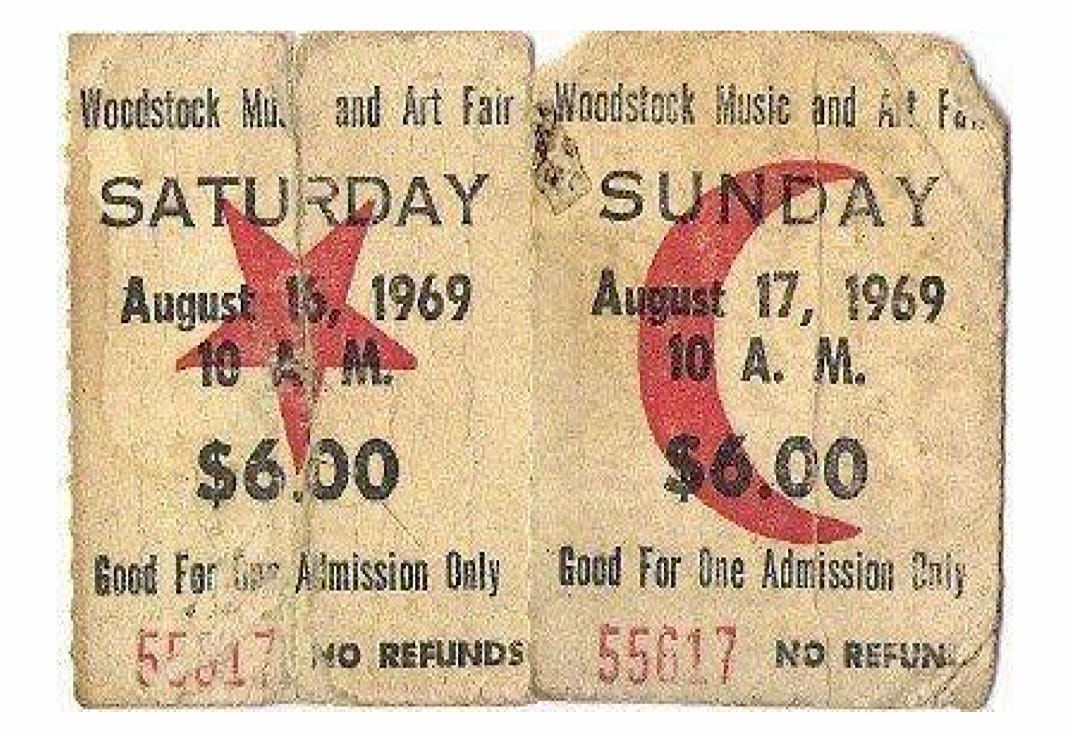
Note: Stephen Callahan retired as a Senior Foreign Service Officer with the Department of State and USAID, where he worked for more than 30 years. He also served as a Peace Corps Volunteer in the Philippines. Before any of that, he enjoyed the groovy vibes at Woodstock in 1969.
I came home from Peace Corps service and retired from the Foreign Service with a passport full of stamps, a head full of stories, and, most of all, a growing realization of what had influenced me to join the Peace Corps in the first place. It didn’t come from big speeches, books, or sermons. It showed up when I was young, in smaller, quieter moments, hearing the right person answer the right question at the right time. It came from being fortunate enough to grow up in a large family that saw value in the simple act of sharing.
Not everyone can or wants to be a Peace Corps volunteer, or join the Foreign Service, or write a book, or start a podcast about giving back to society. Since retiring, I’ve spent a lot of time thinking about what really drove me to apply to the Peace Corps, join the Foreign Service, and keep volunteering locally.
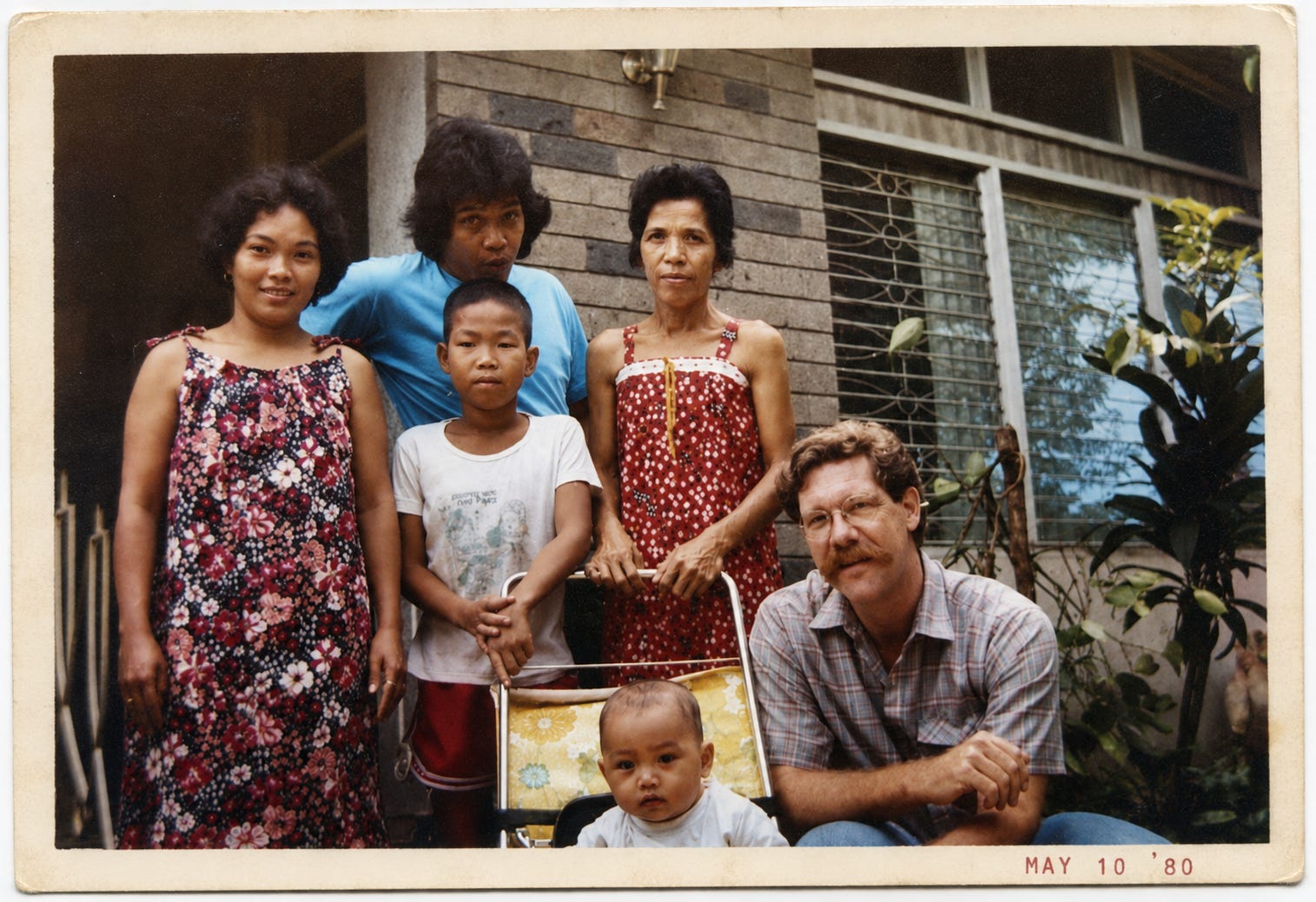
Joining the Peace Corps was, at first, just an exciting, adventurous idea. The timing was right. I had just sold my small interest in a business and was looking for something new. That idea became a decision after I met a returned Peace Corps volunteer whose stories gave me the courage to apply. I’ll admit my thinking was somewhat selfish at first. Living abroad sounded fun, but I also figured I could do some good along the way. My friend had served as a rural health volunteer in Ethiopia, helping local health teams work toward the eradication of smallpox.
But my desire to join wasn’t sparked only by his stories. It came from growing up in an environment of generosity and “giving back.” As one of eleven siblings, that wasn’t always easy! But I learned from my parents that giving oneself pays off in two ways. Tangibly, it can offer real sustenance to those in need. Intangibly, it fortifies your own sense of self-worth and creates inner peace.
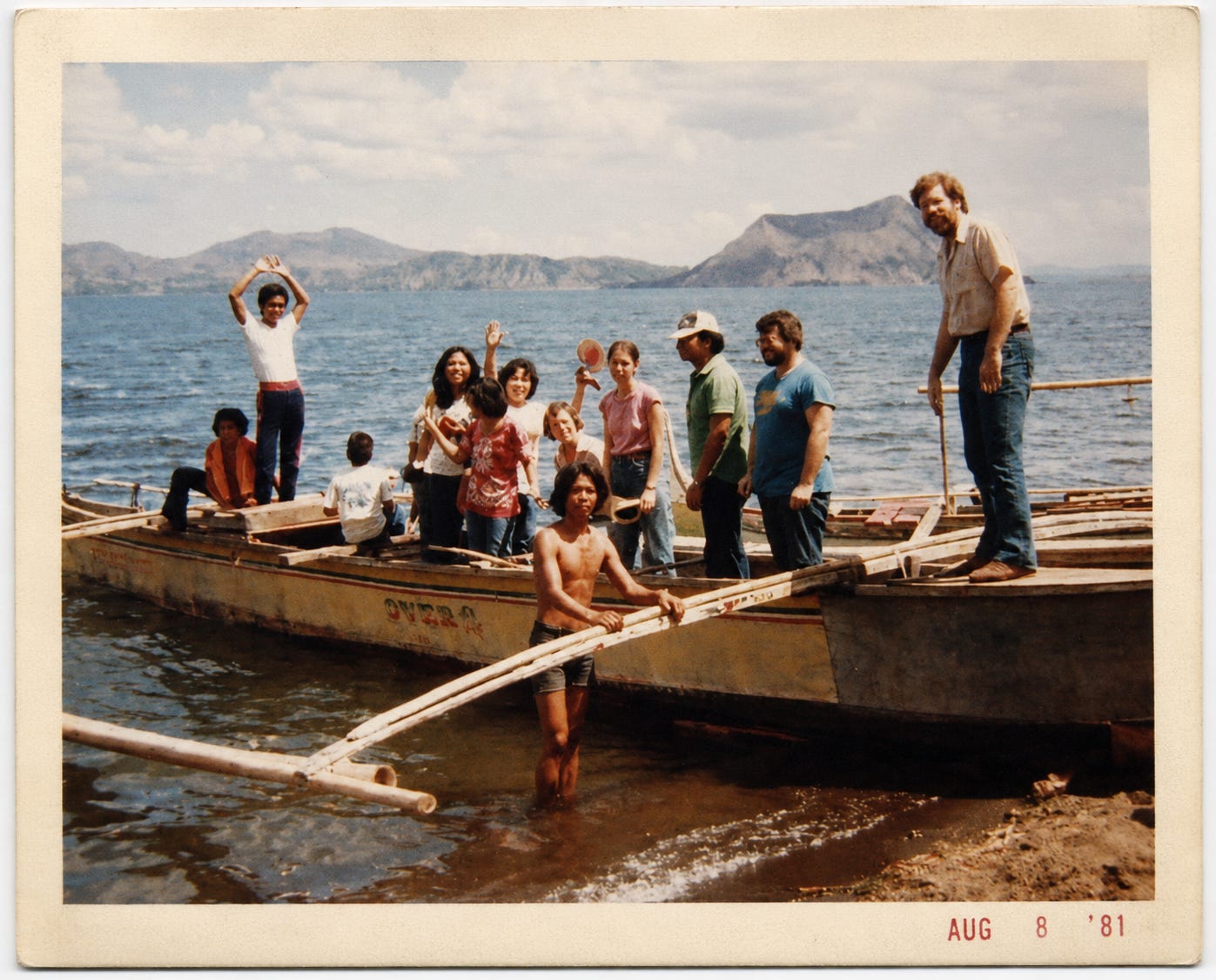
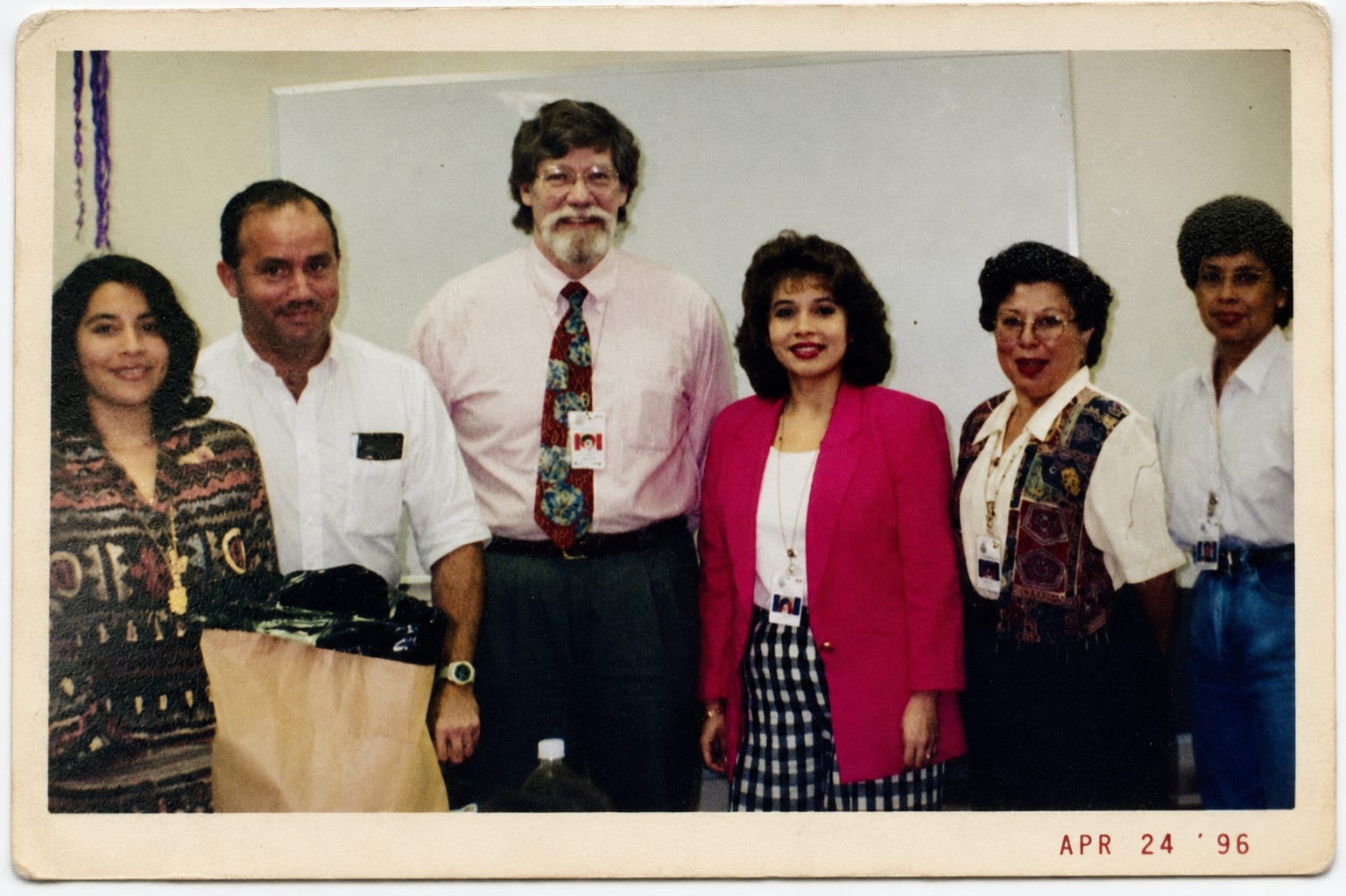
That’s what I understand “soft power” to mean. It’s not a slogan; it’s a practice. After serving in eight countries and living overseas for twenty years, I learned that real trust is built through relationships. Governments can negotiate. Institutions can fund. But it’s people and communities who decide whether an organization feels credible and whether it feels safe, respectful, and steady. That credibility is earned person by person.
Soft power is strengthened through relationship building, and it can be practiced right here at home. I think of the local food pantry volunteer, the volunteer firefighter, the helper at a homeless shelter, the person driving elderly neighbors to doctor’s appointments. For returned Peace Corps volunteers, it’s sharing personal stories that explain the value of exchanging culture and values with people in another country.
Building relationships means you don’t treat people like a problem to be solved. You start by listening long enough for the actual need to surface, and sometimes it’s not the need you expected. As a Peace Corps volunteer in the Philippines, I worked to help implement a small-loan scheme for the Central Bank. Often, the most useful thing I could do was ask better questions, more than once, in the language people used with each other. My goal wasn’t to impress anyone with expertise, but to show I was present and willing to help for the long haul.
Credibility is what happens when our actions become visible behavior. In development work, credibility can be as simple as doing what you said you’d do and not disappearing when the work gets hard. It means showing up prepared and letting people see that you treat them as partners in the process, not as passive recipients. When credibility is present, cooperation comes easily. When it’s missing, interactions feel transactional.
Sustained care is the part many people underestimate. One-time donations matter, but soft power flourishes through repetition. There’s a wonderful, gratifying rhythm to simply showing up, again and again. Soft power isn’t just what we do once. It’s how we demonstrate commitment over time.
One might ask how that translates to everyday life here, in different states and communities, without the formal frameworks we had abroad. It translates through service that strengthens people’s options and strengthens the bonds that make communities resilient.
Food insecurity is one of the clearest examples. Volunteering at a food pantry can be treated as a logistics task, but it can also be an act of respect. When distribution is organized with dignity, when people aren’t made to feel like an inconvenience, trust follows. I’ve seen how something as simple as helping a homeless man write and post his resume on LinkedIn made us both feel more dignified and confident. Soft power in a food pantry means helping people navigate their lives without humiliation.
In schools, soft power shows up when a young person feels seen and believed in. Tutoring, mentoring, and reading programs may be framed as academic support, but their deeper effect is belonging. A student doesn’t just need help with a worksheet; they need a relationship that says, “You belong here, and you can grow.” In my Peace Corps years, I learned that encouragement isn’t fluff, it’s infrastructure. When adults invest time consistently, students start taking their own futures seriously. That’s influence at the human scale.
Public health and caregiving reveal another dimension of soft power: it can make systems feel humane. People avoid clinics, appointments, and paperwork not only because of cost, but because of friction and fear. Volunteers can serve as navigators by helping people understand forms, follow steps, and ease anxiety. Soft power here is empathy with follow-through. It says: “You don’t have to figure this out alone.”
Soft power also bridges divisions. In every community, there are groups that feel misunderstood, overlooked, or spoken about rather than spoken with. Nonprofit work that supports newcomers, translates resources, or hosts community conversations can reduce tension and build shared understanding. The key is to approach this as relationship-building rather than “rescue.” People don’t need us to take over. People need us to collaborate and create space for them to contribute, not just receive.
Then there’s environmental stewardship and disaster resilience, work that is often visible and powerful. Community cleanups, tree plantings, neighborhood gardens, and support during storms and floods all bring people together around a common purpose. When neighbors coordinate, they’re practicing trust. They’re learning, together, that collective action is possible. That’s real, and it’s impactful.
There’s also civic action. Many people disengage from civic life not because they don’t care, but because it feels inaccessible, confusing, or intimidating. Helping people understand local services, supporting nonpartisan voter education, assisting at community meetings, and creating plain-language guides are all efforts that strengthen the social contract.
The habits of soft power aren’t complicated, just essential. First, listen. Then, act. Show up consistently. Reliability matters more than intensity. Treat people as partners, not projects. Follow the organization’s lead, and learn the local context instead of importing assumptions.
Something else I’ve learned through storytelling is to avoid the “savior narrative.” No one wants to hear it. Soft power isn’t about becoming the hero of the story. It’s about strengthening a community’s ability to lead itself.
If the idea of giving back locally appeals to you, choose one organization. Measure your impact not just by outputs or hours logged, or even tasks completed, but rather by relationships built.
That’s the kind of soft power I recognized abroad and continue to see at home. Soft power is inspired through trust, earned through care, and sustained through presence.
To learn more about Steve Callahan’s remarkable life and service, check out his oral history from the Association for Diplomatic Studies and Training’s Foreign Affairs Oral History Project.
BONUS—Steve: “My most memorable performance at Woodstock was when the clouds dispersed, the crowd lit up, and Santana played “Soul Sacrifice.”
LISTEN: "Soul Sacrifice" (live at Woodstock) - Santana
Thanks for reading! This post is public, so feel free to share it.
No posts
Comments
Nothing yet. Say the first thing.
Sign in to join the conversation.