
Note: Keisha L. Effiom is a former USAID Mission Director for Rwanda and Burundi and the author of I Said My Piece with Peace: Inside USAID’s Final Days. She is the featured guest on SoftPower/FulStories #52—listen here.
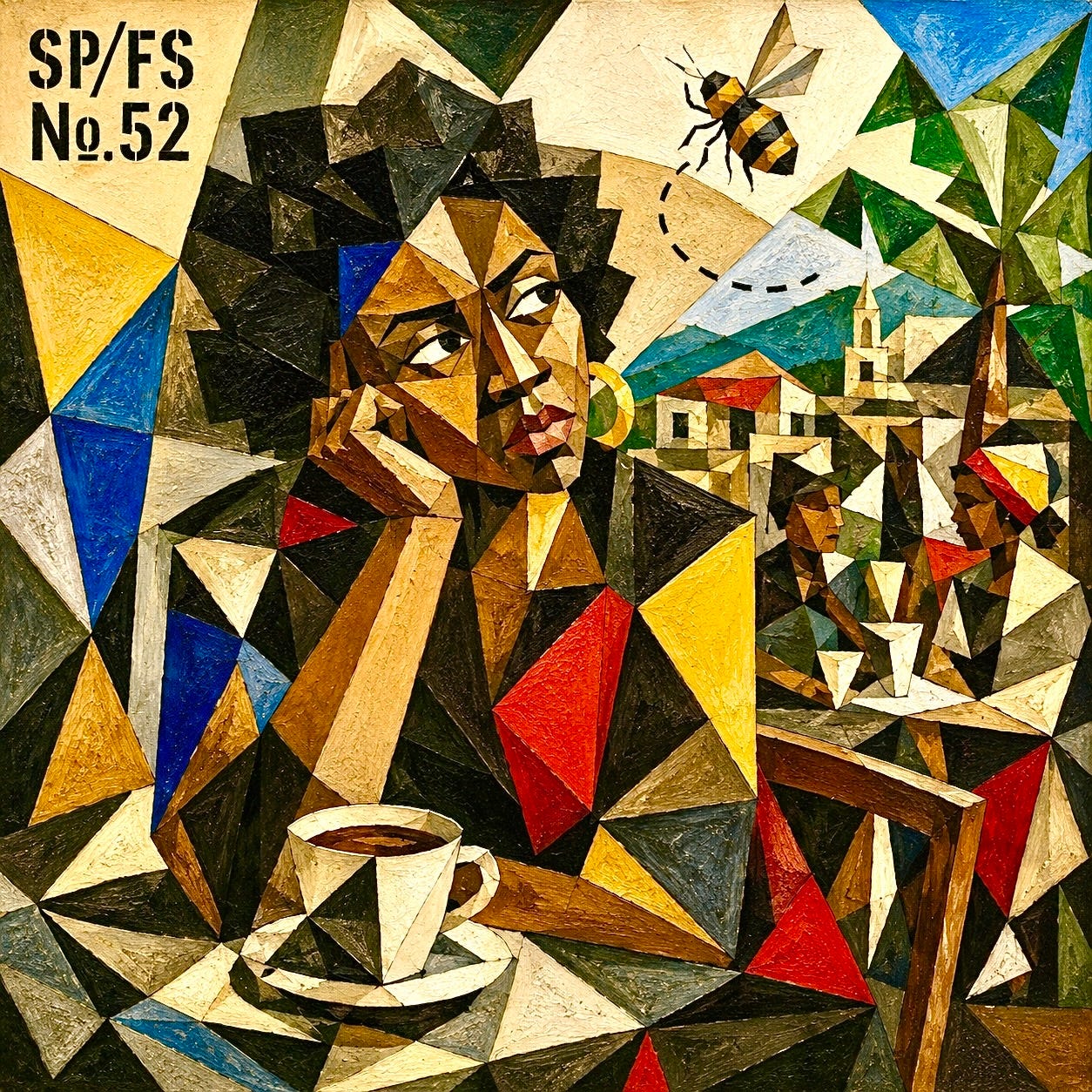
Weeks into the job I had dreamed of my whole career, the phone rang in Kigali.
Nurses at a hospital near us were dying, and no one yet knew why. Then the word came, cold and fast: Marburg. A hemorrhagic fever that can hollow out a community before the world has finished learning how to spell its name. The embassy went to mandatory telework. Parents were told to keep their children home. This was not a distant province on someone else’s map. This was our city. My own children were asleep down the hall.
Here is the part the world rarely hears. We did not ride in to save Rwanda. Rwanda led. It was their health ministry, their call, their country. We were let into the room, trusted with the most fragile problem a nation can face, because we had spent years, decades in some cases, earning that trust, and because we had come as partners and not as rescuers. We stood alongside the Rwandans, the CDC, and the WHO, and together we held back a catastrophe. Nobody was the savior. Everybody was needed.
That is soft power at its truest, and it is why I want to talk with you about a word we throw around far too easily: friendship.
We have gotten friendship between nations badly wrong. For too long, development showed up wearing the mask of the savior: the know-it-all, the do-as-I-say, the one who arrives certain he already understands your problem and owns your solution. That is not friendship. That is charity with a superiority complex, and the people on the receiving end always know the difference.
So let me tell you what a friend actually is, because I have been blessed with the real thing. My closest sistah friends are what I call my “ride and thrives.” Not ride or die. Going down together is easy. Thriving together is the harder and holier work. My ride and thrives are the ones who cheered me on when I was not looking, who reached out a hand to build me up instead of tearing me down, who adjusted my crown when it slipped and never once mentioned it was crooked. And when I needed it, they told me the truth I did not want to hear, because that is what love owes you.
That is the standard. A friend is not a yes-man. Real friends hold you accountable, and they tell you the hard truth precisely because they respect you enough to. A friend is not one-sided, present only when the arrangement pays off. A friend shows up in the good times and in the bad. A friend does not tower over you. There is no dominant party and no charity case, only two who choose each other as equals. Friendship runs on mutual trust, mutual respect, and, yes, mutual benefit, though the benefit is the fruit of the thing and never the reason for it.
Nations need that kind of friendship. And so does ours.
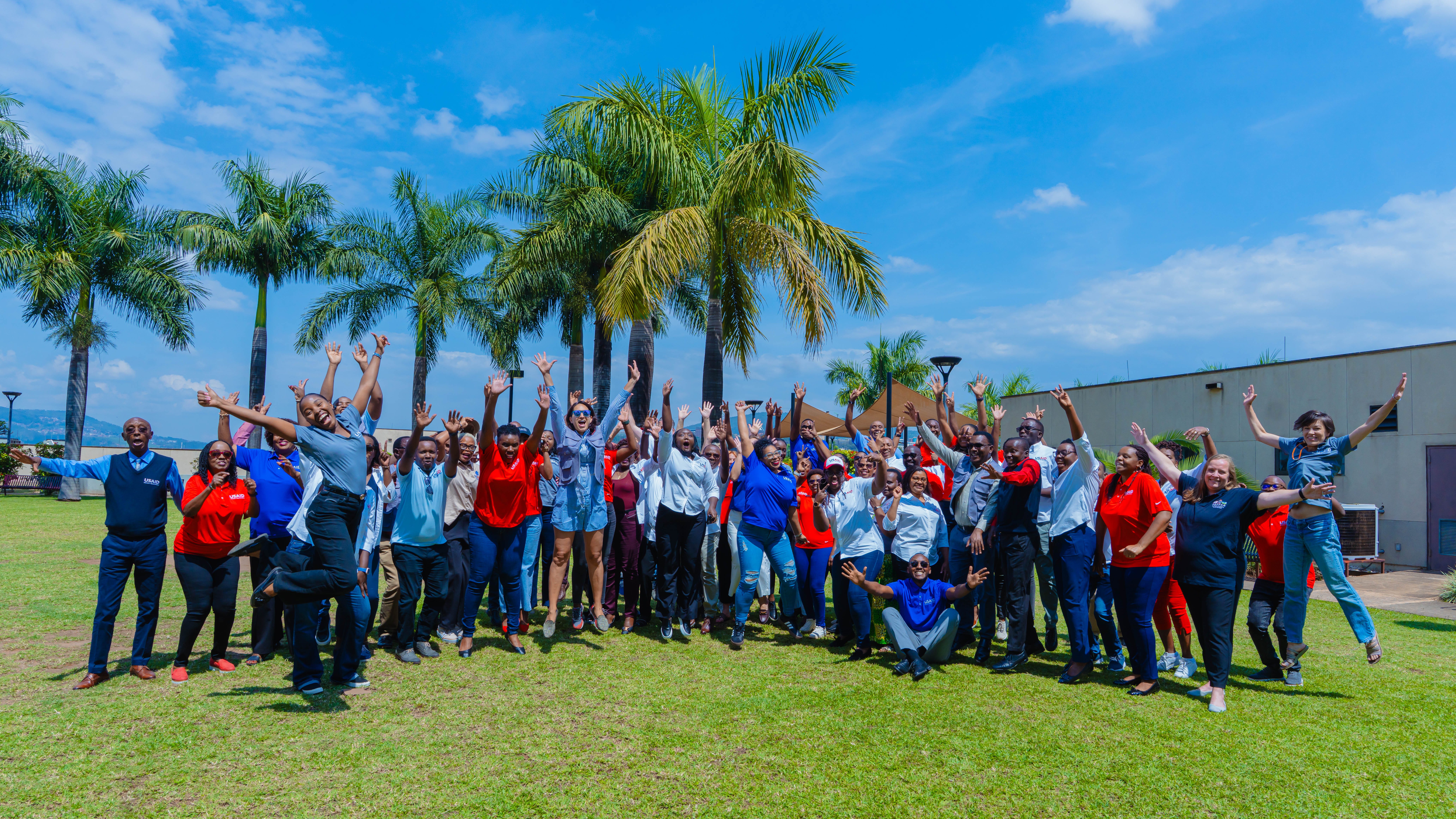
Here is the truth that should unsettle anyone who imagines the countries I served as charity cases: when USAID was dismantled, Africa kept standing. It did not collapse without us. It grieved, and then it carried on, because that is what Africa does. Rwanda is a force to be reckoned with, a nation that cannot be bullied and does not wish to be pitied. What Africa wanted was never a handout. It was a partner. And the honest thing to admit is that we needed the partnership every bit as much as they did. There is no continent the United States can afford to do without.
Now, about that relative at the dining table, the one you love, who leans in and asks, “Why are we spending our money over there when we have needs right here?” [Editor: Let’s call her “Aunt Deb.”] It is a fair question, and it deserves an honest answer instead of a lecture.
Here is mine. We do not keep friends in the world because they owe us, and we are not the world’s rescuer. We keep them for the same reason you keep the friend who shows up at the hospital and also tells you when you are wrong: because no one, no person and no nation, is truly self-sufficient, and the ones who pretend otherwise learn it eventually, usually alone. A friend abroad is the ally who answers when you call, the steady hand before a distant problem becomes a local one, the trust that money cannot buy in the moment you need it most. That is not charity going out the door. It is what friendship gives back to people willing to show up, in good times and bad, for those who show up for them.
And it is never one-directional. I think of a mother in Burundi whose child received a simple packet of therapeutic food. She said four words I have never forgotten: “Now he will grow.” We did not save her. We stood with her, and her child lived, and in the standing with her, both of us were changed. That is the whole of it. Not a savior and the saved. Two people, and two nations, better for having chosen each other.
The late John Lewis warned us never to get lost in a sea of despair, and never to fear a little good trouble. Choosing to be a real friend to the world, accountable, constant, and unwilling to play either the savior or the saved, is good trouble worth making. Especially now, when it has fallen so far out of fashion.
Make a friend before you need one. Then be the kind of friend worth having when they need you. It has always been the wisest thing a person can do. Nations are no different.
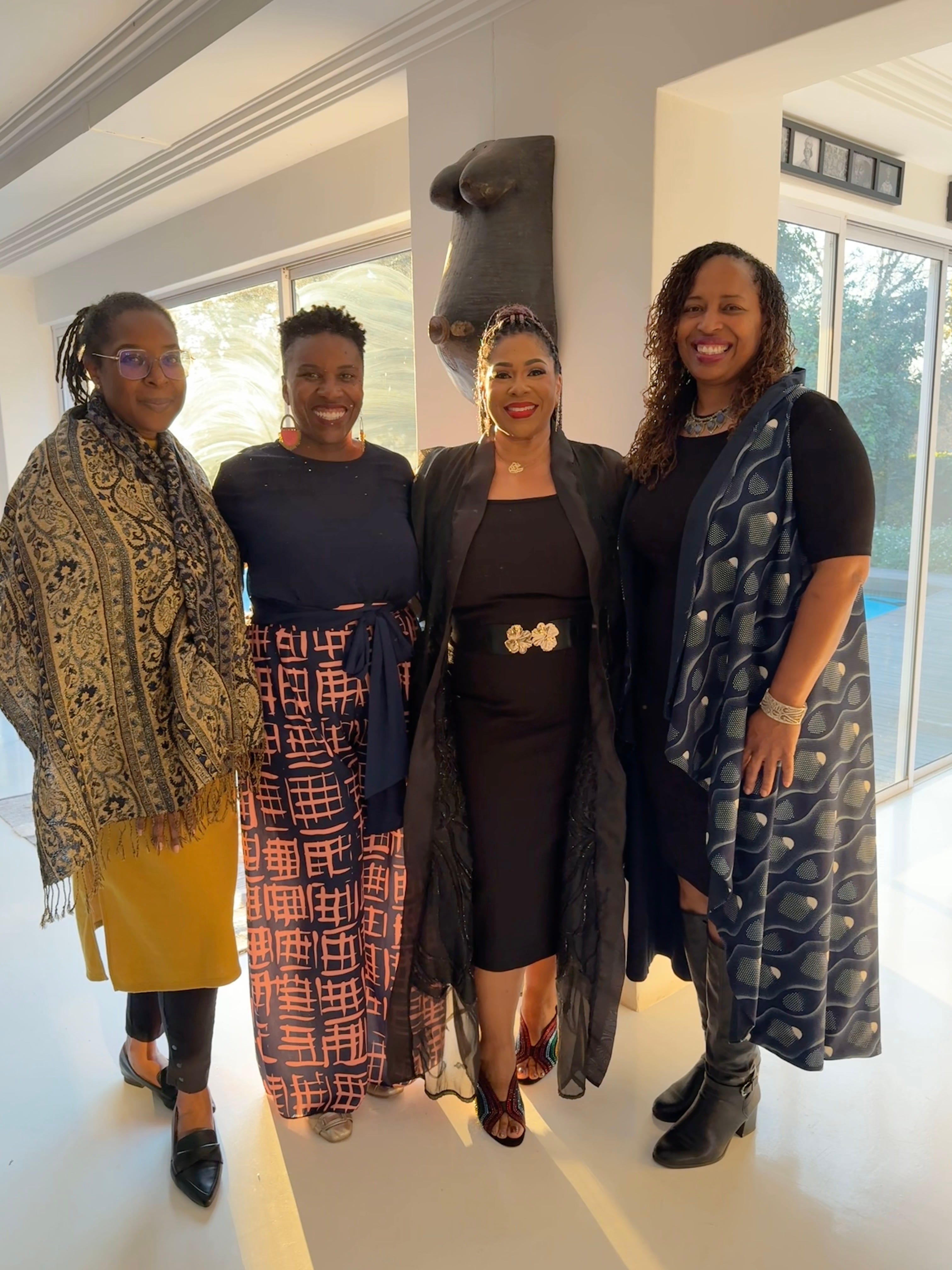
To learn more, visit keishaeffiom.com.
Thanks for reading! This post is public so feel free to share it.
No posts
Comments
Nothing yet. Say the first thing.
Sign in to join the conversation.