
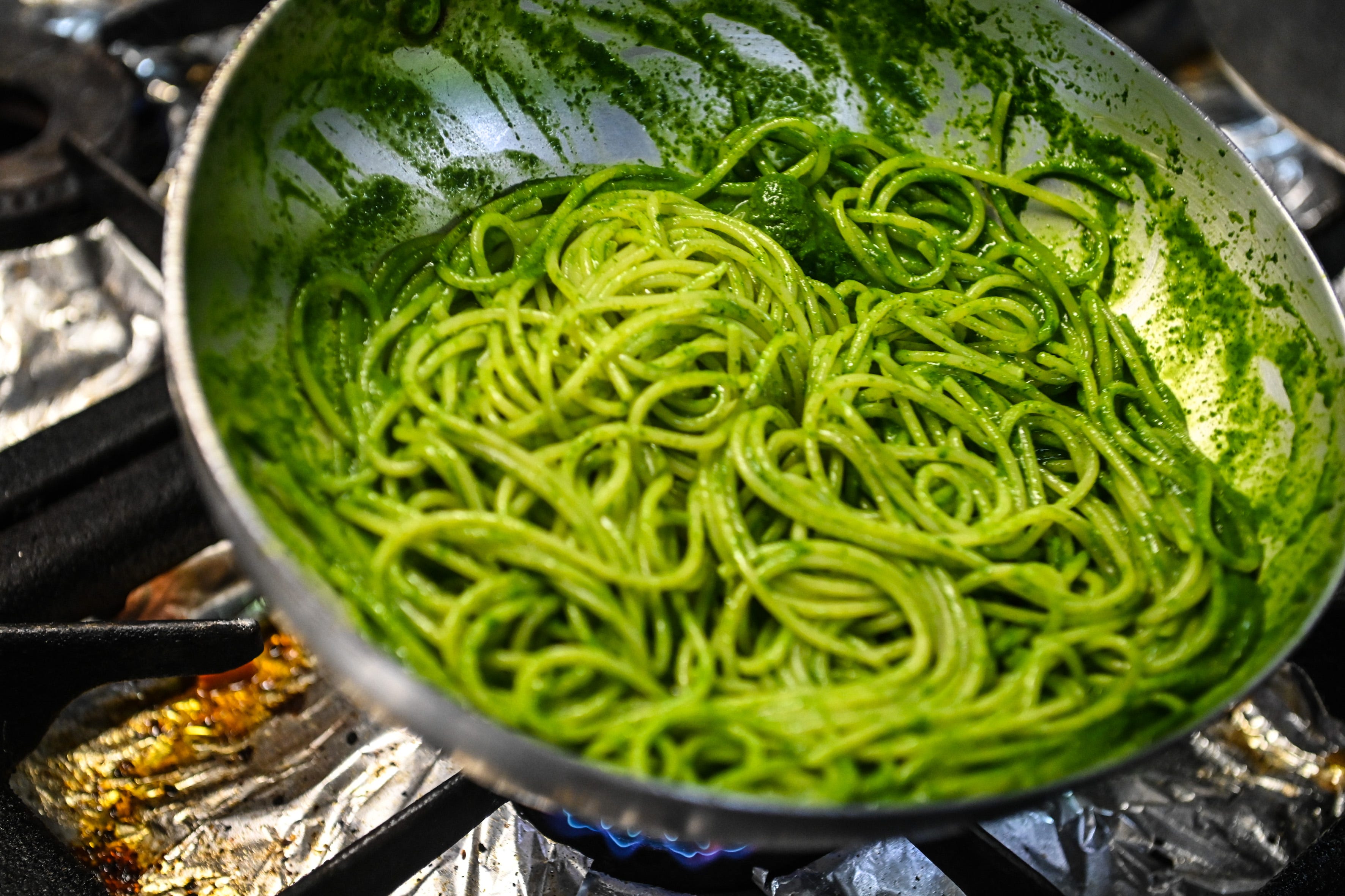
Pestos are the easiest way to get dinner on the table. You do not need a recipe—just include nuts (almonds work great; you don’t need pine nuts), grated Parmesan or pecorino, one or two cloves of garlic (raw garlic in a pesto can be overwhelming), olive oil and some sort of greens (basil, arugula, parsley, or a combination, etc). You can cook garlic cloves in water for a minute or so to mute their flavor.
Start with the nuts, garlic and cheese in a food processor, then finish with the greens and finally the olive oil. If you want a particularly creamy pesto, use more nuts and cheese. Or you can mix it up with basil, arugula and mint or whatever. Arugula is a great choice since it will keep the pesto green and it has a bit of spice to it.
The other basic pasta sauce you need to know is this: Cook some pasta, drain and set aside, reserving a couple cups of the cooking water. Cook some broccoli or zucchini (cut into matchsticks) for a few minutes in oil to soften. (You can also start by sautéing two cloves of garlic and remove them from the oil when browned.) Add half of the vegetable mixture to a blender with 1/2 cup of pasta cooking liquid and the garlic (if using). Transfer back to the pot with some grated cheese, another 1/2 cup of cooking water, a few tablespoons butter—you can also add some fresh basil if you have it—and then the reserved pasta. Cook over medium-low heat, stirring constantly for 2 minutes to finish. I always finish pasta dishes like this with some fresh, high-quality EVOO and a bit of cheese.
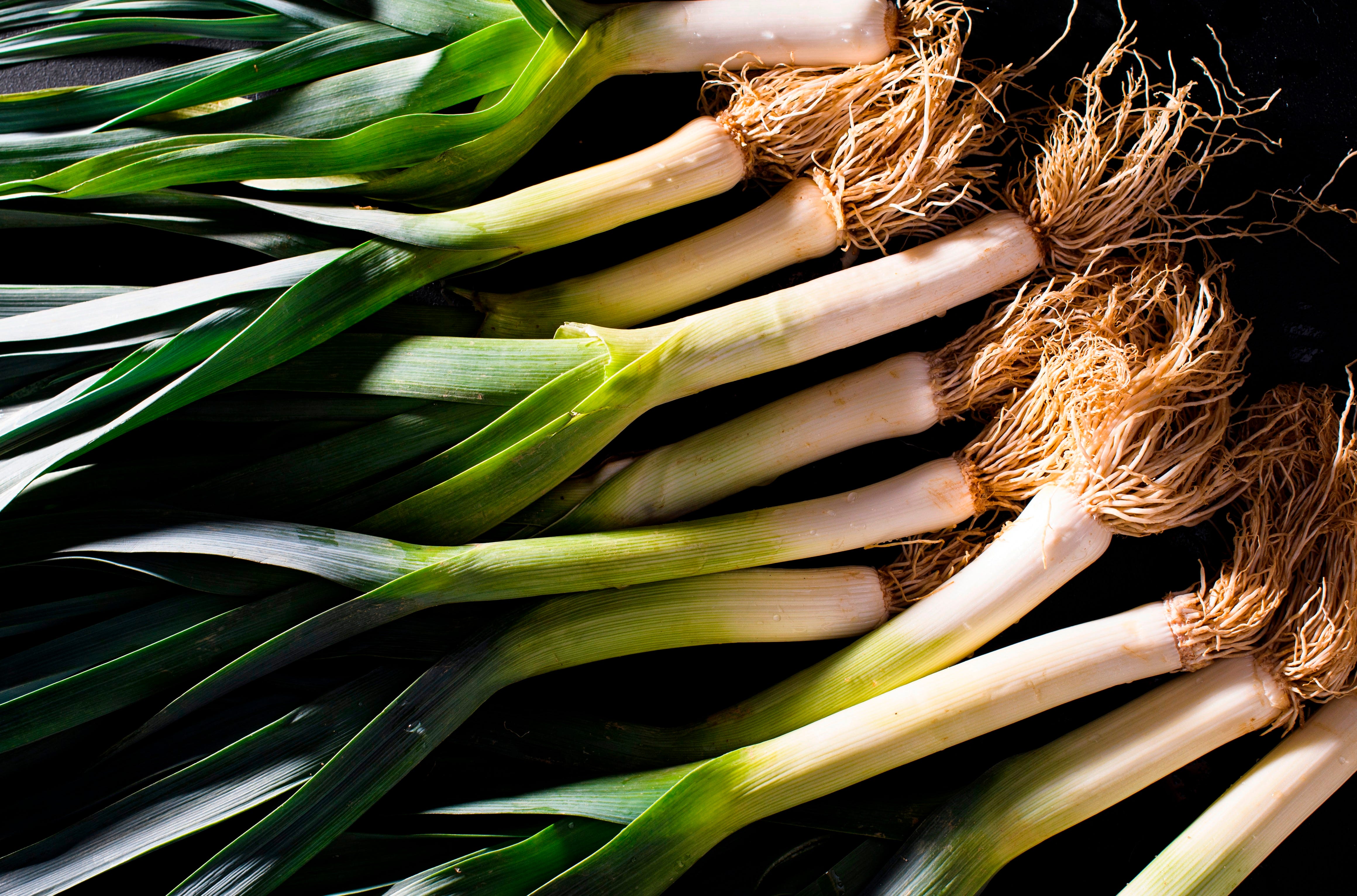
Leeks are vastly under-appreciated. I use a ton of them in the roasting pan with liquid when I roast a turkey, then make the world’s best stock out of that flavored liquid. But a simple braise is also great. (To prep, cut off the hard green part, slice in half lengthwise, and rinse. Make sure there are no tough outer layers that will not soften during cooking.) Cook them in a large skillet with some stock or wine, olive oil, and/or even a bit of butter. Leave the top on for 15 minutes and then cook with the top off for at least another 15 minutes, adding liquid if need be. They should come out super-soft and creamy. You can also finish with cream, top with grated cheese, and run them under a broiler, but I prefer the simpler approach. Buyer’s Tip: Many leeks have only a small portion of white which means that most of the leek is unusable. Be sure to purchase leeks with a long stretch of white root.
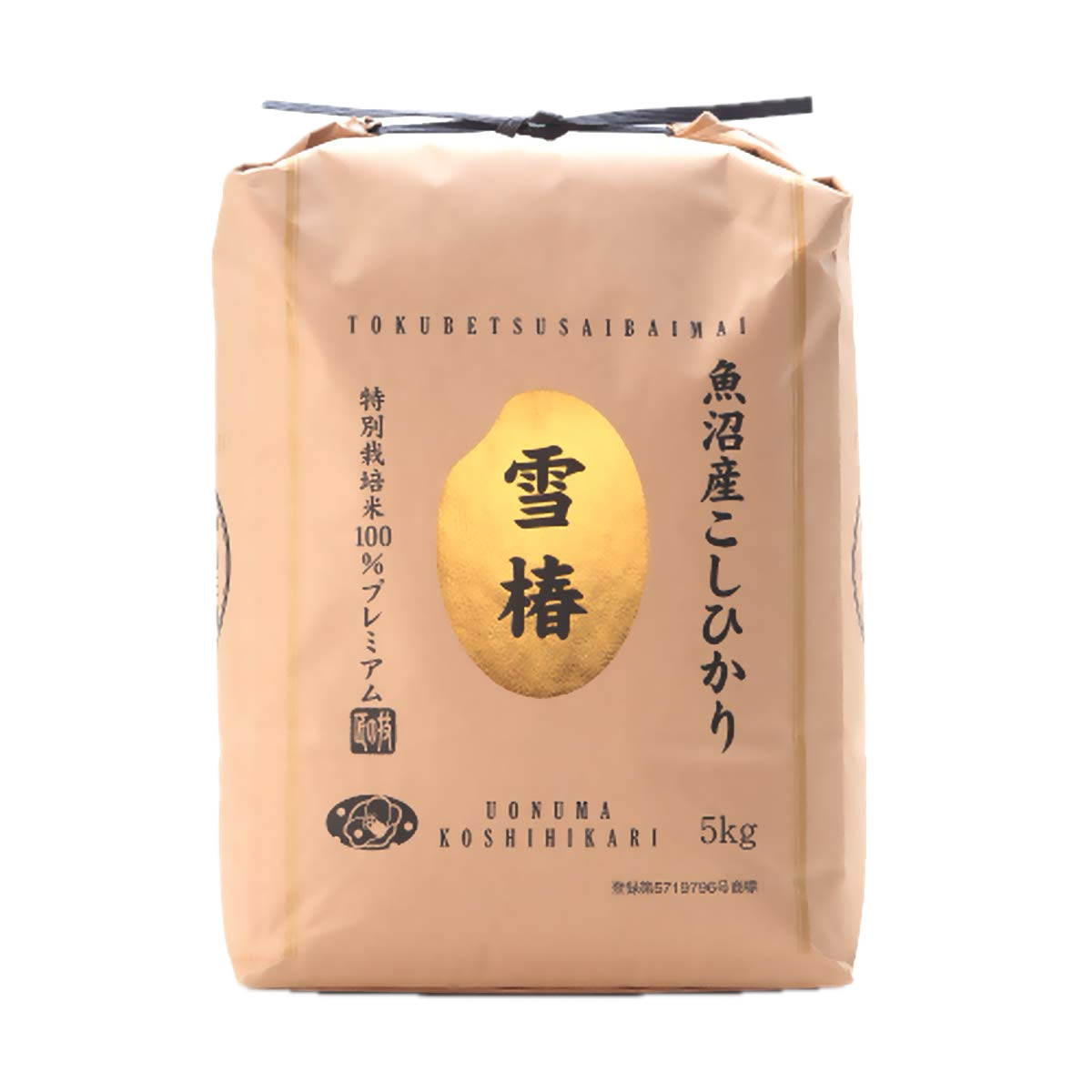
I am in love with premium Japanese white rice—Yuki Tsubaki Koshihikari White Rice, to be specific. It is a medium grain rice that is brilliantly white and full of sweet flavor. I never realized that rice could taste so good. It also uses less cooking water than long grain rice. For 1 cup of rice, I use just over 1 cup of water. It is pricey, yes, but once you taste it you will find basmati and jasmine rice to be on the boring side. I cook it in my Japanese donabe (a glazed earthenware pot with two tops) which is my favorite way to cook rice, but an electric rice cooker is also fine. You can find it on Amazon.
Yotam was just on the Milk Street Radio show, helping me to field calls from listeners. He has an amazing depth of culinary knowledge, and that is why I have pre-ordered his latest book, Simple Too. (It pubs in October.) He is a master of pairing flavors and textures.
Her version is highly readable, much like any good adventure story. Even the current film version leaves out most of the details, which make this a richer and more compelling tale. It is also a master class in storytelling, since Homer uses a lot of time shifts instead of starting at Troy and ending back in Ithaca. What I love most are the jealous, scheming gods who have all the foibles of man. Athena works hard to keep Odysseus safe while Poseidon is constantly plotting against his return, since Odysseus blinded his son, Polyphemus, the cyclops. And the whole thing is written in iambic pentameter, which makes this version that much more impressive.
I have read a couple of books on Roosevelt but this documentary brings the man to life. He was the most popular man in America for over a decade. He was a populist by nature, aligning himself with the common man. He put millions of acres of land under government protection as national parks. And, despite a lot of pain and health issues, he was going to run again in the 1920 election and might have won. He understood the raw power of the presidency, but also understand the rule of law and how to represent the working man. His love of war was tempered by the death of his youngest son in WWI. He once said, “Ain’t war grand!” but lived to regret that enthusiasm. We need a Teddy Roosevelt for the 21st century.
Comments
Nothing yet. Say the first thing.
Sign in to join the conversation.