
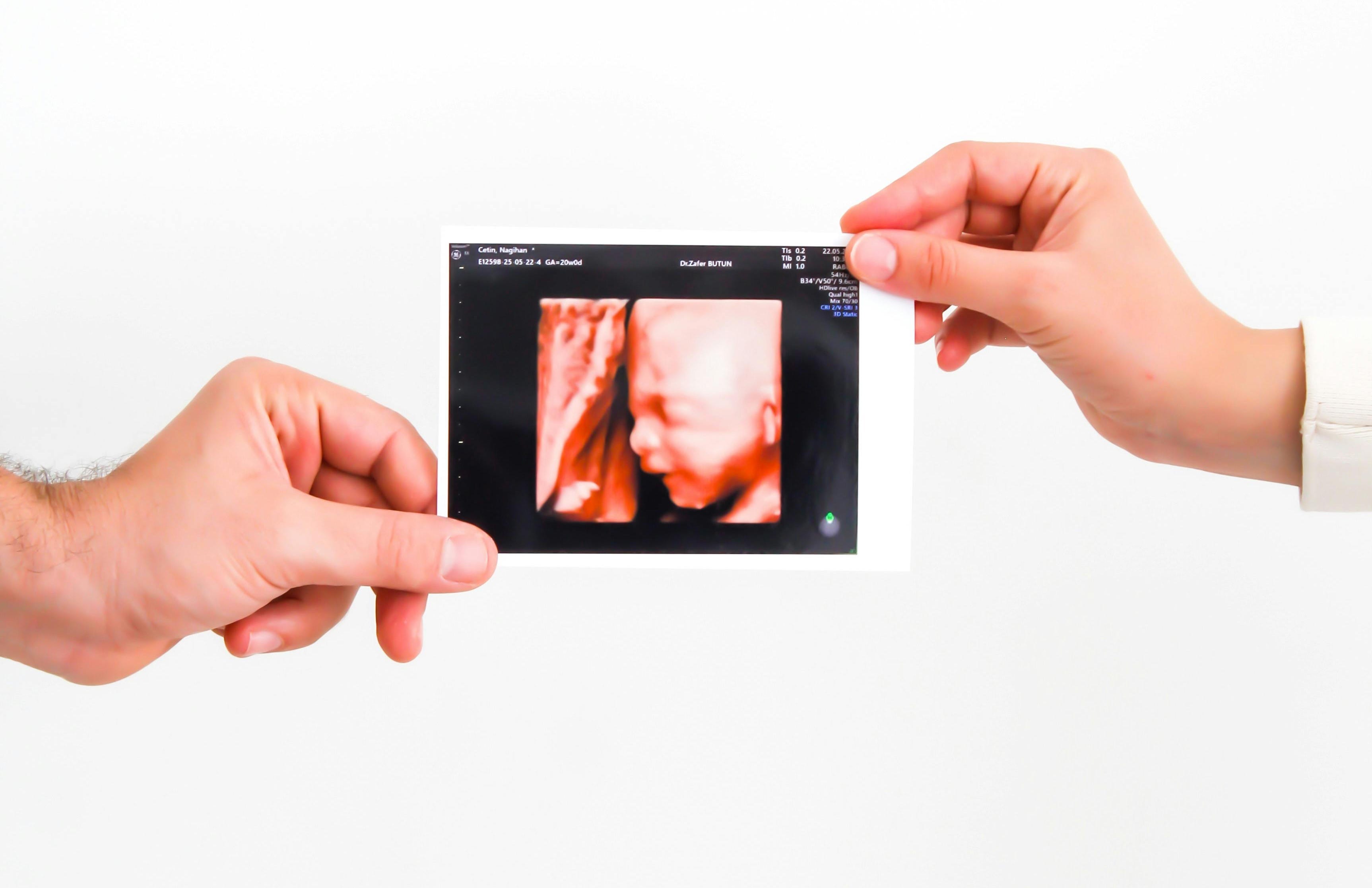
Have you ever had the experience of an intense emotion, like anger, fear, or even what feels like love, arising suddenly, as if out of nowhere? This surprising, sometimes shocking presentation of emotion is common when prenatal trauma is being triggered in the present.
Here I am referring to prenatal trauma that any of us may have encountered when we were in the womb. You might also witness such sudden emotional explosions in your children, if you are a parent. The clue is that they seem to come out of nowhere. They either don’t clearly relate to current circumstances or are out of proportion to what is actually happening.
Unfortunately, babies in the womb often have this kind of experience. Little ones cannot differentiate between what is theirs and what belongs to someone else, usually their mother. If their mother is sad, the baby feels the sadness. Babies don’t create separate categories for mother’s sadness and my sadness. They take in their world directly, feeling it in their body. They need someone, usually again the mother, to differentiate for them. It can be incredibly helpful for little ones for someone to talk to them, explaining, for example, “Mommy is upset just now but it’s not about you. You don’t have to worry about it. I’m being taken care of (or I’m taking care of it).”
Most parents, and most of us who are around parents, have not learned to do this. Or the mother or others may be so overwhelmed by their situation that it doesn’t occur to them to reassure the unborn baby.
Prenatal Shadow
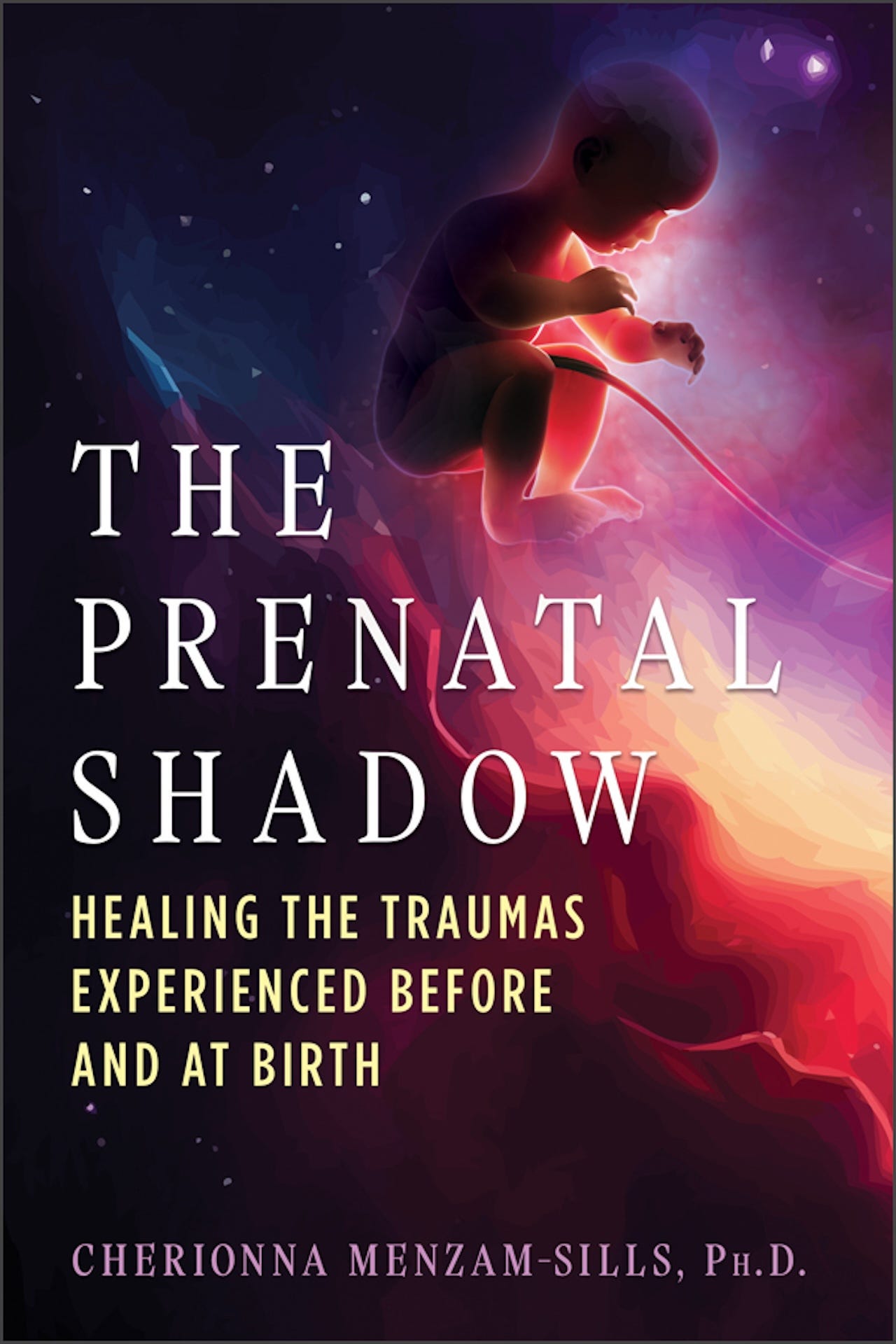
Unfortunately, even in the 21st century when there are increasing numbers of studies available demonstrating prenatal awareness, intelligence, learning, and memory, there is remarkably little acknowledgment in everyday life of these people in the womb as being present in whatever the situation is. As I have emphasized in my recent book, The Prenatal Shadow, the sentience of little ones before and around the time of birth is essentially held as unconscious shadow material. The term shadow was coined by the Swiss psychiatrist, Carl Jung. It refers to aspects of ourselves that have been pushed back into the unconscious because they are perceived as unacceptable. Surely, you might object, no one objects to babies in the womb!

Discovery: Welcome and Rejection
Some babies are objected to, rejected, given away through adoption, or even disposed of through abortion or abandonment. Babies whose parents do not celebrate and welcome their discovery often feel rejected, unworthy, unsafe, and unwanted. They may spend their entire life staying small to avoid the pain of being discovered. This is an echo from the prenatal development phase termed by pre- and perinatal therapy pioneer William Emerson as “Discovery.” It is defined as the time when the pregnancy is confirmed by a test. Although these days this can happen much earlier, it often happens around the time the heart starts beating, early in the fourth week after conception.
Memories of the pain of this dangerous rejection tend to be held in the area that was developing at the time – the heart and chest. People who felt rejected at this time often hold themselves hunched over their chest, as if protecting their sensitive heart. I have been struck by how this is the same posture common in shame. A child who feels unwanted is likely to develop the belief that something is wrong with them. Why else would they not be welcomed? This is a definition of shame. It is an identification with wrongness, or badness. Some rejected people compensate for their sense of vulnerability by puffing out their chest in a proud, defiant stance.

Staying Small to Stay Safe
I have supervised so many new practitioners who have trouble putting themselves out. They know they need to create a website, or an Instagram, etc. but they just can’t bring themselves to do it. They might even know how to do it. When we work with this, we often come to their experience of Discovery. It may have been that their parents were too young, too early in their relationship, or it was a one-night stand, or the mother was already overwhelmed with caring for young children, or she was otherwise over-stressed and under-supported. The baby accurately did not feel welcomed.
It is intelligent for a baby in the womb to be terrified by rejection. I remember William Emerson frequently declaring that anything other than celebration is shocking for the prenate. This is because the baby in the womb is completely dependent on the mother for food, protection, and survival. Love supports survival. We also know that it facilitates thriving, not just surviving. Rejection is dangerous. It is appropriate to hide, to avoid being a nuisance in case what is too horrifying to imagine happens.
Differentiation
So many of us have survived a challenging time of Discovery, or other prenatal hurdles, even if they weren’t as extreme as what I’ve described. It can be helpful when reading this and looking at this time of life to remember that we have already survived. Babies in the womb don’t know what the outcome will be.
Little ones cannot differentiate between past and present. Memories of our time in the womb are not conscious, verbal memories like when we recall what we ate for breakfast this morning. That doesn’t mean that we don’t remember. Prenatal, and preverbal, memory is a different kind of memory. It is implicit, rather than explicit. It is stored in the body, emotions, behaviors, beliefs, and relational tendencies.
Unlike explicit memory, which can be verbally described, consciously recalled, and placed in temporal context, implicit memory feels like it is happening now. When an event in everyday life triggers an implicit memory, it feels real. The fear of that time in the womb arises without explanation. It is just there. Again, it can be helpful to have an adult self, or a therapist, or parent, differentiate for this little one part. For example, “Yes, it was like that back then. Now, you are here. What is your current age now, today? What tells you that you are safe here and now? Can you feel me here with you?” (It is also important to differentiate for babies remembering and re-living a traumatic experience. This might be with simpler language. For example, “Yes, it was scary back then.” It is usually resourcing for babies to help them orient to their mother, here and now, who hopefully represents safety for them.)
Umbilical Affect
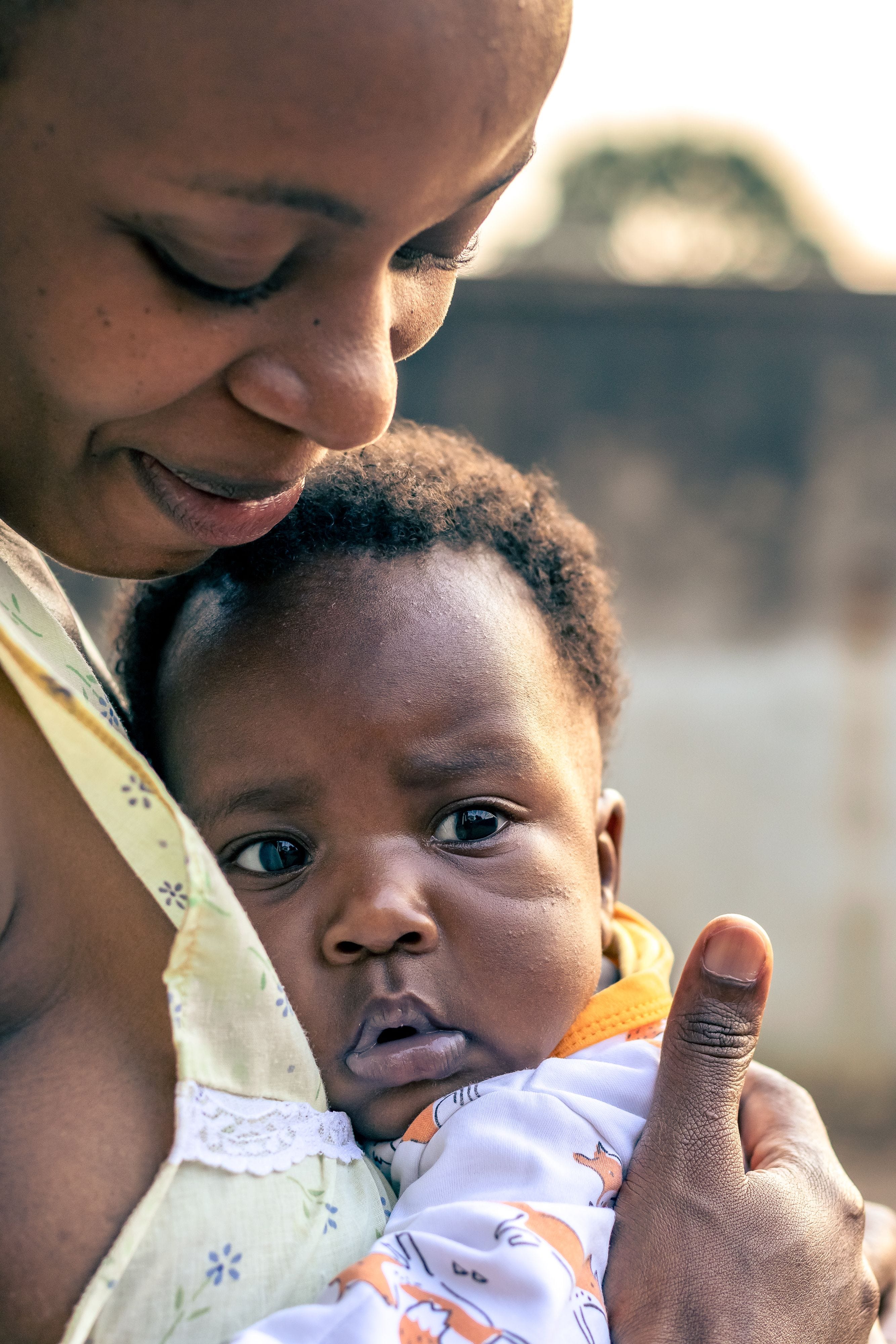
Prenatal memories may also seem to come out of nowhere because little ones often experience maternal emotions this way. We call this “umbilical affect” in prenatal and birth psychology. This refers to maternal affect (a term used in psychology to refer to emotions) transmitted to the prenate via the umbilical cord. The baby is awash in the physiological expressions of the mother’s emotions. Since babies don’t differentiate between what is theirs and what is mother’s, they simply experience the emotion directly, in the body, as if it was theirs. It seems to come out of nowhere. It just arrives.
Awareness for Healing
Unlike babies in the womb, we as adults are not helpless when emotions, or various forms of implicit memories arise. The more aware we are of prenatal experience, the more readily we can recognize what is happening and facilitate differentiation. We can orient to present time, the support and resources we have in our lives now, and re-connect with what I call our “original embryological potential,” which may have been occluded by our trauma.
If you are intrigued by these concepts, want to learn more for yourself, your children, and/or your clients, I offer both books and courses that can support you. My next online course is called Exploring Your Prenatal Shadow starting July 16th. The classes will be recorded for those who are unable to join live at the time we meet, or would like to review the class afterwards.
No posts
Comments
Nothing yet. Say the first thing.
Sign in to join the conversation.