
Advocate and human rights lawyer, Bianca Tini Brunozzi, is heading to parliament to call for one change that would make a significant difference.
The moment this hits your inbox, I will be in Parliament House in Canberra presenting 50,000 signatures from people across the nation calling for an Australian Human Rights Act. I’m there because I know it’s our greatest chance for change to protect the rights of young women and gender-diverse people.
When I was younger, I faced my own challenges of safety and housing. But I was determined not to become a statistic of my circumstances. I wanted to shape the nation for the better, so other young girls would have greater protections and a more stable future.
I wanted to drive this change by becoming a human rights lawyer, and I did.
Why? Because I believed that systems could be reformed and that the law was a powerful answer to protecting mothers and daughters who had experiences like my own. Along the journey, however, I’ve seen the realities of these structural inequalities women face. I have seen friends broken by a legal system meant to protect victim-survivors. I’ve juggled countless jobs to hopefully scrape together rent whilst studying to become a lawyer. I watched my health and the health of my friends deteriorate under the weight of all of this.
Now on the other side of this journey, I work as the Advocacy and Campaigns Advisor at YWCA Australia; a not-for-profit providing housing, support and leadership pathways to women, gender diverse people and their families across the country. I walk alongside young women and gender-diverse leaders as well as lived experience experts in my advocacy every day and together we are calling for change.
These stories, however, are not unique to me, my friends or the women and gender-diverse people at YWCA Australia. These are the realities of countless young women and gender-diverse people across the nation. In 2026, young women in Australia are facing the rise of the manosphere, a multiyear rolling crisis of violence against women, a cost-of-living crisis compounded by the gender pay gap, and according to our own polling - are particularly vulnerable to homelessness.
YWCA Australia polled more than 1,000 younger women and gender-diverse people aged 18 - 34 on their concerns about experiencing ‘hidden’ homelessness; the homelessness epidemic that impacts women and young people who move from one place to the next with no fixed address. More than three-quarters of young women had worried about experiencing hidden homelessness. Nearly half of young women aged 18 - 24 were at immediate risk of homelessness or had a pressing concern that they would become homeless.
These statistics reflect a broader trend across the nation where women’s homelessness is increasing at a rate faster than men’s, with the largest group of homeless women being younger women and concerning spikes of homelessness being experienced by teenage girls. Consistently, the number one reason women and children become homeless is domestic, family and sexual abuse.
So, am I audacious enough to still have hope that we can change these realities? Yes, because we must.
I believe that young women and gender-diverse people can bring justice to the system - because women and the LGBTQIA+SB community have always been on the frontlines of change.
Gen Z and Millennials are now the largest voting bloc, making up around half of the voter base. We have political power and our voices will be heard. This was showcased by the Albanese Government’s decision to introduce housing tax reform which treats housing less as an investment opportunity and more as a human right for generations to come. But more still needs to be done.
Our greatest chance for meaningful change is an Australian Human Rights Act, because as a fundamental principle, the laws of a country should protect the people.
A Human Rights Act would apply to everyone across Australia, but we would see immediate benefits for those who have been systematically excluded or harmed by our systems. We would see immediate benefits for young women and gender-diverse people.
And I have the receipts to prove it.
In the absence of nation-wide legislation, there has been successful advocacy for human rights legislation to be introduced at the State and Territory level. There are countless stories of human rights protections changing young women’s lives already.
In Queensland, a single mother and victim of domestic violence avoided eviction after her ex-partner caused serious damage to the house, when Tenants Queensland helped her draft a letter of complaint under the Human Rights Act. In Victoria a young woman with cerebral palsy secured disability support after arguing the government had breached her human rights by leaving her in limbo while determining whether she was eligible for support services.
At the heart of both of these cases is dignity, and the law working as humanity would expect it to.
Australia is the only liberal democracy in the world without a national act or charter of rights that explains what people’s fundamental freedoms are and how they can be protected. Now is the time for that to change. A Parliamentary Committee recommended an Australian Human Rights Act more than two years ago, a Bill for the legislation has been introduced to Parliament, and we have 50,000 signatures calling for the Act.
Let’s be bold enough to hope for change, because change is possible with an Australian Human Rights Act.
Join our movement by signing the petition today.
About the author
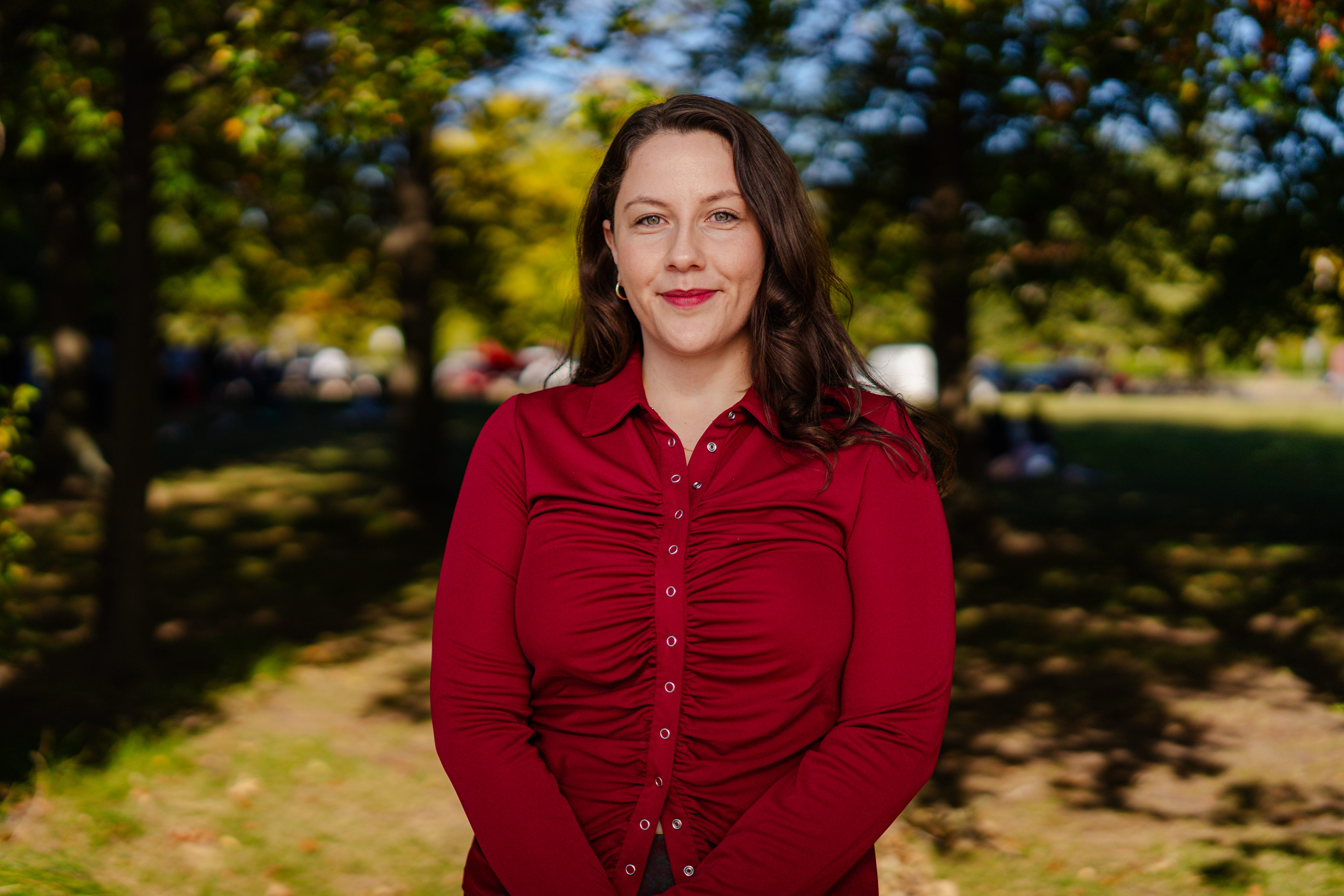
Bianca Tini Brunozzi is an advocate for a Human Rights Act for Australia. She is a lawyer and lived experience advocate for human rights to housing, safety and equality.
Bianca advocates in coalition with young women and gender-diverse people. She is the Advocacy and Campaigns Advisor at YWCA Australia - a national gender-responsive housing and frontline services provider, and a champion for the leadership of young women and gender-diverse people.
Bianca serves on the Human Rights Act campaign committee, the National Women’s Equality committee and contributes to lived experience advisory committees. She is Deputy Chair of Just Governance, a social enterprise for emerging and lived experience leaders to have a seat at the decision-making table.
From her personal experience to her professional commitment, Bianca’s mission is simple: keep people at the heart of all that we do.
No posts
Comments
Nothing yet. Say the first thing.
Sign in to join the conversation.