
Strolling through Forty Hall’s walled garden, a botanical haven in North London, I gaze on as petals unfurl under the motherly heat of May sun.
The ripening earth pulls me through its web of growth, and I stumble upon a tangle of oxeye daisies – tiny moons amongst a galaxy of green.
The oxeye daisy (Leucanthemum vulgare) is larger than the common English daisy and identified by its large, rounded flower heads upon tall stems. Each flower head consists of small, yellow, disc florets surrounded by delicate, white, ray florets.
It blooms from May to September, signifying the arrival of summer, and can be found in long grass brightening up meadows, fields, and gardens.
This daisy is important in Norse mythology as a sacred flower of the goddess of love, beauty, and fertility – Freya. Interestingly, it is thought to be the flower first used in the petal-plucking game played by the hopeless love-struck, ‘he loves me, he loves me not’.
‘Daisy’ originates from the Old English word ‘dæges ēage’ meaning ‘day’s eye’ since the flower wakes at the coming of dawn. But the oxeye daisy is just as symbolic at night; the size and brightness of it creates the illusion that it glows in the evening light, leading to the nickname, ‘moon daisy’.
Text within this block will maintain its original spacing when published
The Moon Daisy
Turning your face
to the light of the night,
With your golden centre
and petals of white;
He loves me,
or he loves me not?
You hold tales of desire
and stories forgot;
One day, someone will
make a chain out of you;
But tonight you are
Sacred Flower of Freya
and Friend of the Moon.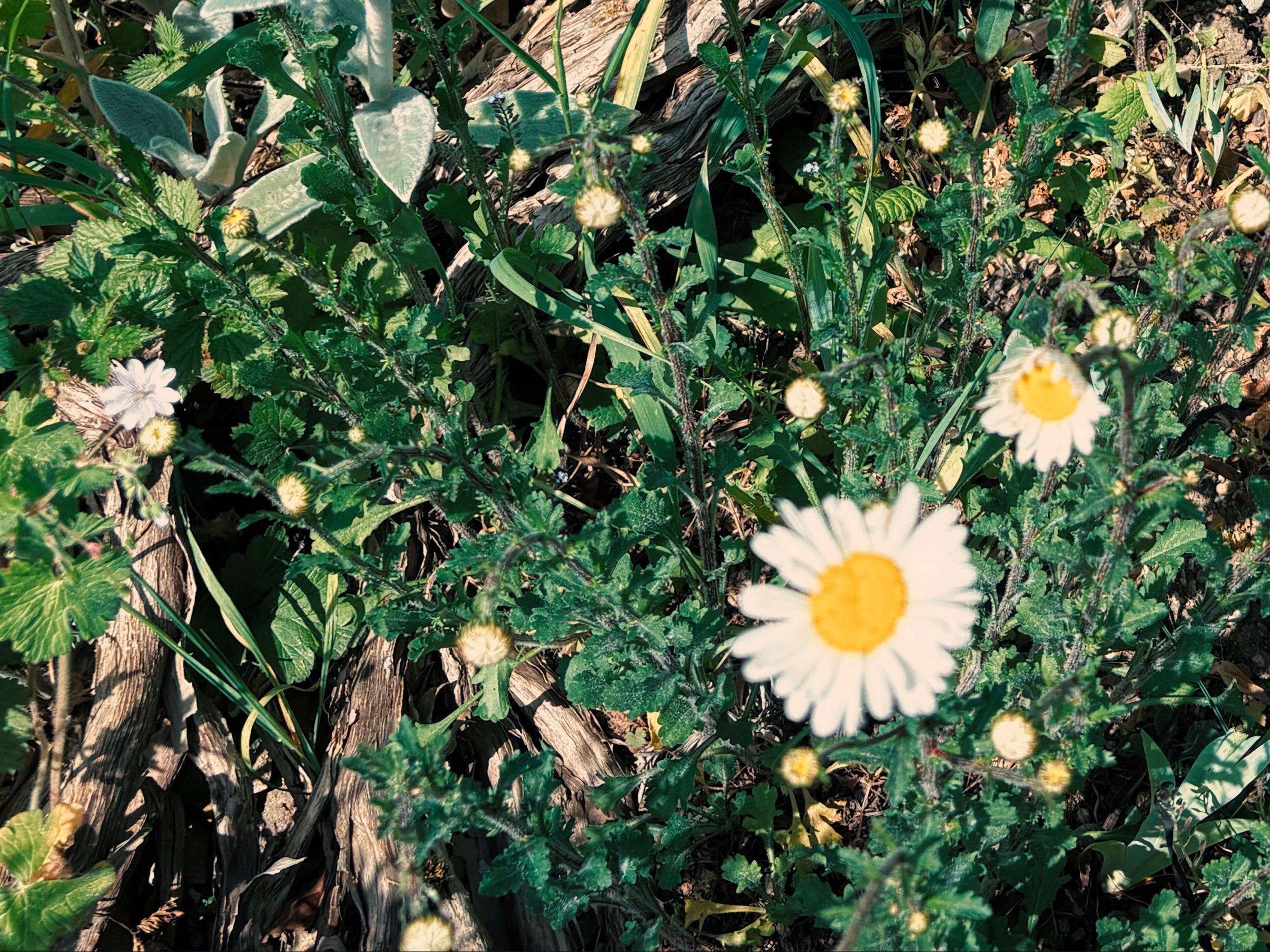
No posts
Comments
Nothing yet. Say the first thing.
Sign in to join the conversation.