
Last week didn’t go to plan. I was away in Tunbridge Wells, housesitting for my cousin while she was at Glastonbury, fully intending to have a productive writing retreat, complete with inspirational tromps through the countryside, hearty, healthy food, and prolific bursts of writing. Sadly, the day after I arrived, I came down with the kind of cold that seems to be the norm now post-covid. The kind that absolutely wiped me out, giving me a hacking, phlegmy cough, all-over bone ache, a temperature of 38.8, crippling fatigue and the worst headache. The only thing about me that was prolific was the production of snot and consumption of tissues.
So instead of writing, with my final few functional brain cells, I binge-watched Dying for Sex, a recently released TV series starring Michelle Williams as a young woman diagnosed with Stage IV cancer who leaves her husband and embarks on somewhat of a sex odyssey. And, like so many accidental diversions, it has ended up being much more useful for my thinking about the thesis than tinkering around with Chapter 4 would have been. (Just don’t you dare say that “everything happens for a reason” or I will slap you in the face!)
There are so many things that were on point in this show, I’m not sure where to start. Depictions of cancer in TV and film can be excruciating, and since my own diagnosis I can smell schmaltzy inauthenticity a mile off. There’s the hero’s journey: the neat little linear arc from diagnosis, through treatment, to eventual, triumphant, ‘cure’, radiant and positive with lots of lasagne for your freezer. Or there’s the noble death, the redemption arc: a terminal diagnosis is the catalyst for character growth, making amends and finding meaning. (This is the ‘everything happens for a reason’ one, urgh.) There’s the romance tragedy — characters meeting in the hospital (yeah because treatment is soooo romantic) or cancer testing an established couple’s relationship, leading to deeper connection or heartbreaking loss (I’m looking at you Florence Pugh and Andrew Garfield). And then of course there’s the inspiration porn. Oh look! Isn’t this cancer patient a beacon of positivity. Gosh, they’re so strong, so brave, so (the worst) inspirational, teaching everyone else a lesson about appreciating life (vomit emoji). Funny how the filmmakers didn’t dwell on their pain, or the actual physcial and emotional toll of the disease.
But Dying for Sex isn’t any of this. It’s messy, it’s funny, it’s heartbreaking, it’s real. Here’s what it gets right.
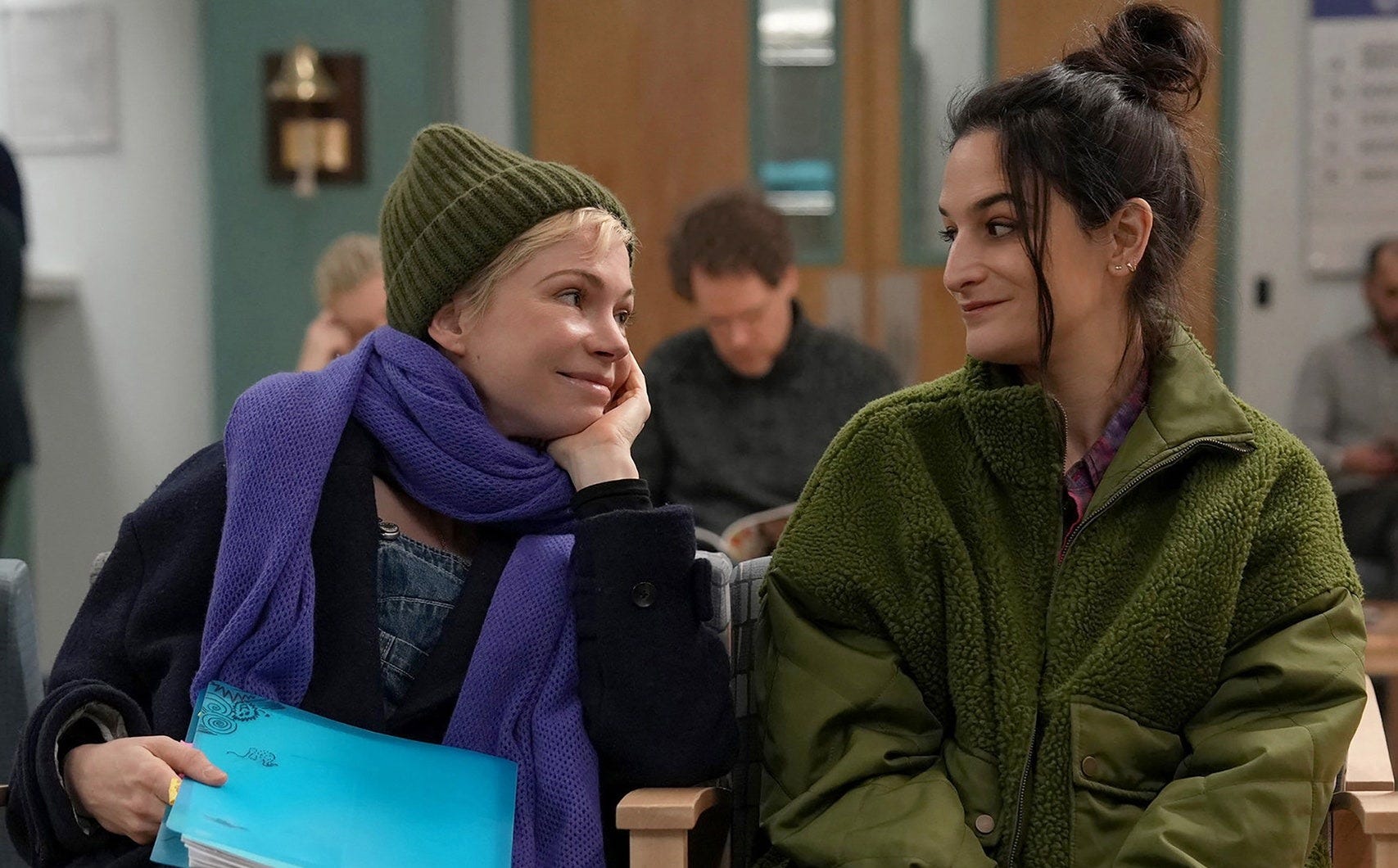
At its heart is a strong female friendship. The bond between Molly and her best friend Nikki (played magnificently by Jenny Slate) is solid and Nikki does her best to be what her friend needs her to be in this crisis. Yes, she’s chaotic and her own life starts to fall apart, but she adores her friend and is really present for her emotionally. There are so many beautiful micro moments when this is clear, and I’m here for it. It also reminds me of how incredible my friends were during treatment. They really showed up. Came with me to chemo, told me shitty jokes, took me headscarf shopping. Chosen family are the best.
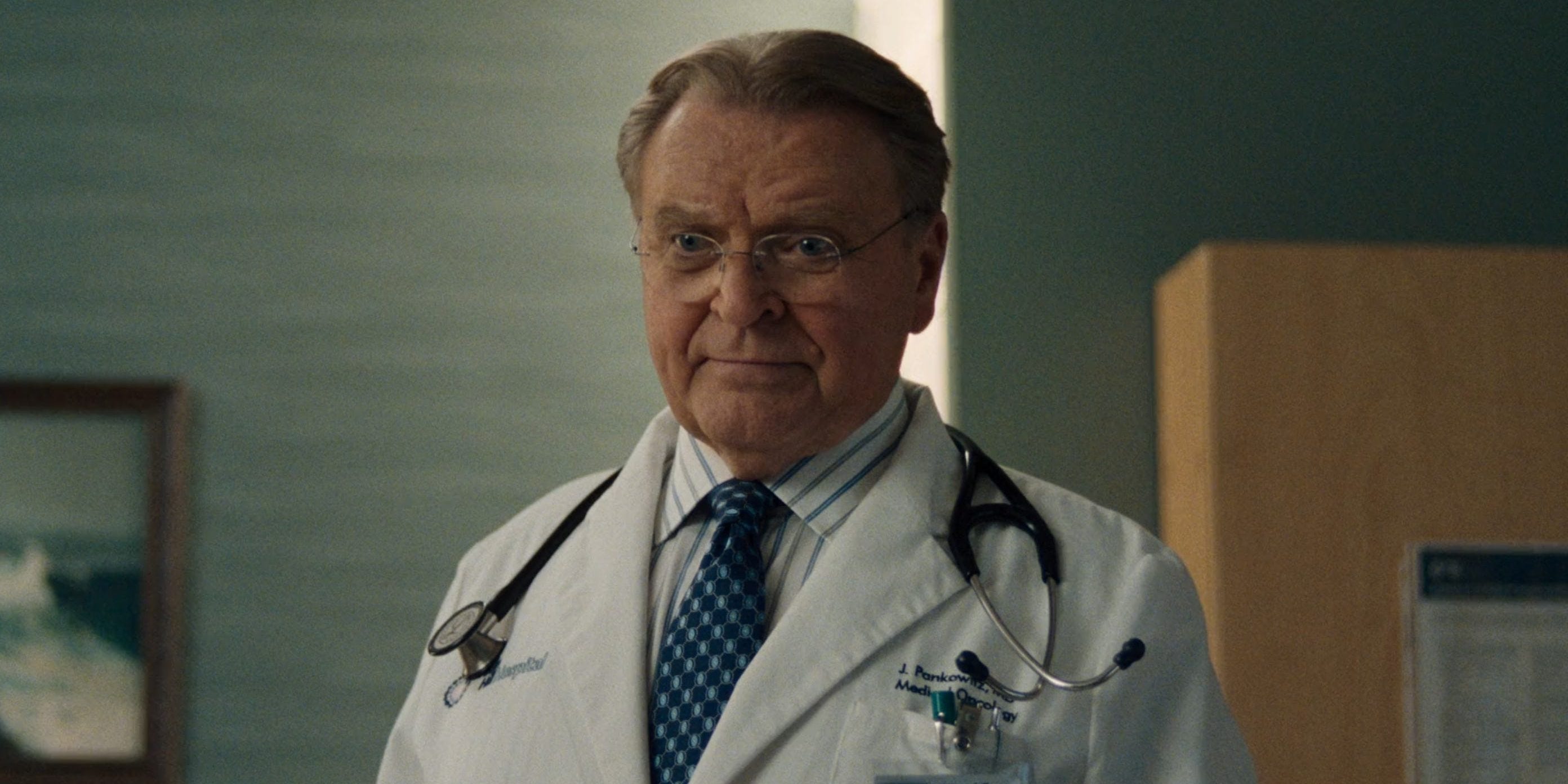
It shows the deep ambivalence you feel towards healthcare professionals. Yes, they’re keeping you alive, somewhat. Yes, they’re just doing their job. Yes, they’ve chosen a ‘caring profession’. But OOF medicine is an institution riddled with patriarchal bullshit, they don’t actually listen to you, and your lived experience is routinely dismissed, ridiculed and belittled.
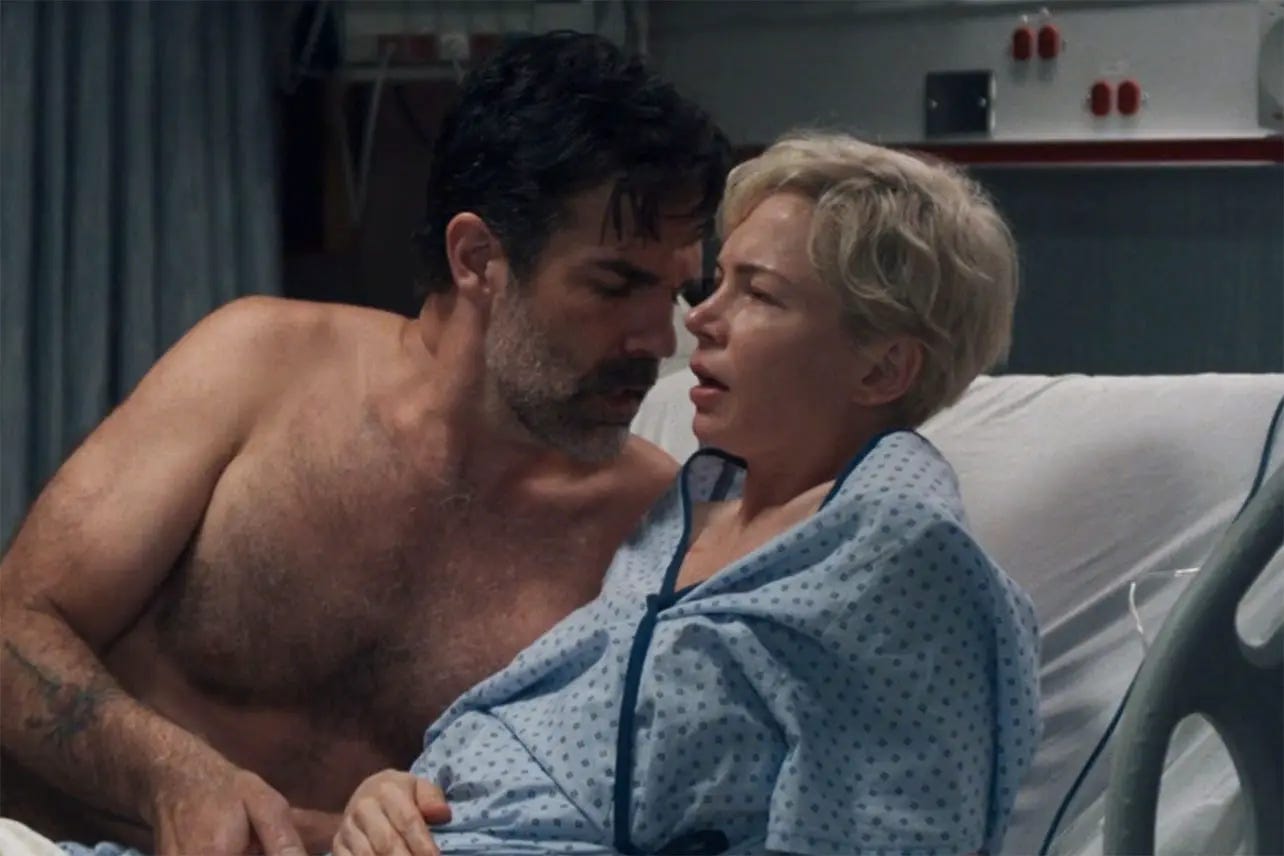
It centres pleasure. Radical, right? But actually, super rare in cancerland (unless you count the ‘bucket list’ trope). Pleasure is acknowledged as a fundamental part of selfhood, of identity, of freedom. And it’s not depicted with the usual ‘male gaze’ either, it’s unsanitised, and acknowledges the murkier side of prioritising pleasure. Molly is sometimes selfish in her pursuit of pleasure, and why shouldn’t she be? She develops an unexpected dominant-submissive relationship with her ‘neighbour guy’ (played by Rob Delaney) and is actually really good at it, despite breaking a bone the first time she (consensually) kicks him in the dick.
I love that her exploration of sexuality brushes aside notions of ‘normal’, and instead is about playing with all kinds of experiences to see what brings her pleasure. We shouldn’t need the urgency of a terminal diagnosis to do this, to play and experiment and leave preconceptions to one side. To prioritise erotic curiosity over denial, repression or self-consciousness. But in Molly’s case, the suddenly changed timeframe precipitated by her diagnosis brought a sense of urgency, to address past sexual trauma, to put herself out there, and to not, when she came to die, discover that she had not lived.
The final episode is also a hymn to dying. If you ever want a death roadmap, this isn’t far off. So few pieces of popular culture will go near this topic, and yet it’s the one thing guaranteed to happen to all of us. And as the surrealists knew, sex and death are intimately intertwined. Yes, I cried buckets, but they were sad/happy tears.
I’m so glad this show exists, I’m glad Molly and Nikki made their podcast, and I’m glad it’s helping to open up conversations that put sex and cancer in the same sentence. And now that I’m feeling a bit better, I can get back to writing chapter 4 with a refreshed interest in framing pleasure as a fundamental part of who we are as human beings.
Dying for Sex is on Disney+ or wherever you watch your Hulu shows.
Thanks for reading Reclaiming pleasure after cancer! This post is public so feel free to share it.
Comments
Nothing yet. Say the first thing.
Sign in to join the conversation.