
I was a soft power baby, raised in the belief that I later learned was formalized by the Harvard political scientist Joseph Nye: In foreign policy, persuasion and attraction could be as powerful as tariffs and wars.
I came up in the 1970s and 80s, when the conventional wisdom in Washington held that spreading American culture, support, and know-how around the world could win you more friends than bullying, bombing, and bribing. To be sure, sending jazz great Dizzy Gillespie to Pakistan or building American cultural centers from Bangladesh to Bolivia was pure stars-and-stripes propaganda. The hard-core expertise underpinning soft power—whether it was agronomists dispatched to the Nile Delta or engineers posted to Sao Paolo—often formed the velvet-gloved vanguard of American corporate expansions. But for soft power babies like me, US tax-payer funded cultural and educational exchanges provided a rather cushy existence. My dad taught law, my mom taught literature, and Fulbright grants allowed them to build a life for their family, toggling between the American Midwest and the Mideast.
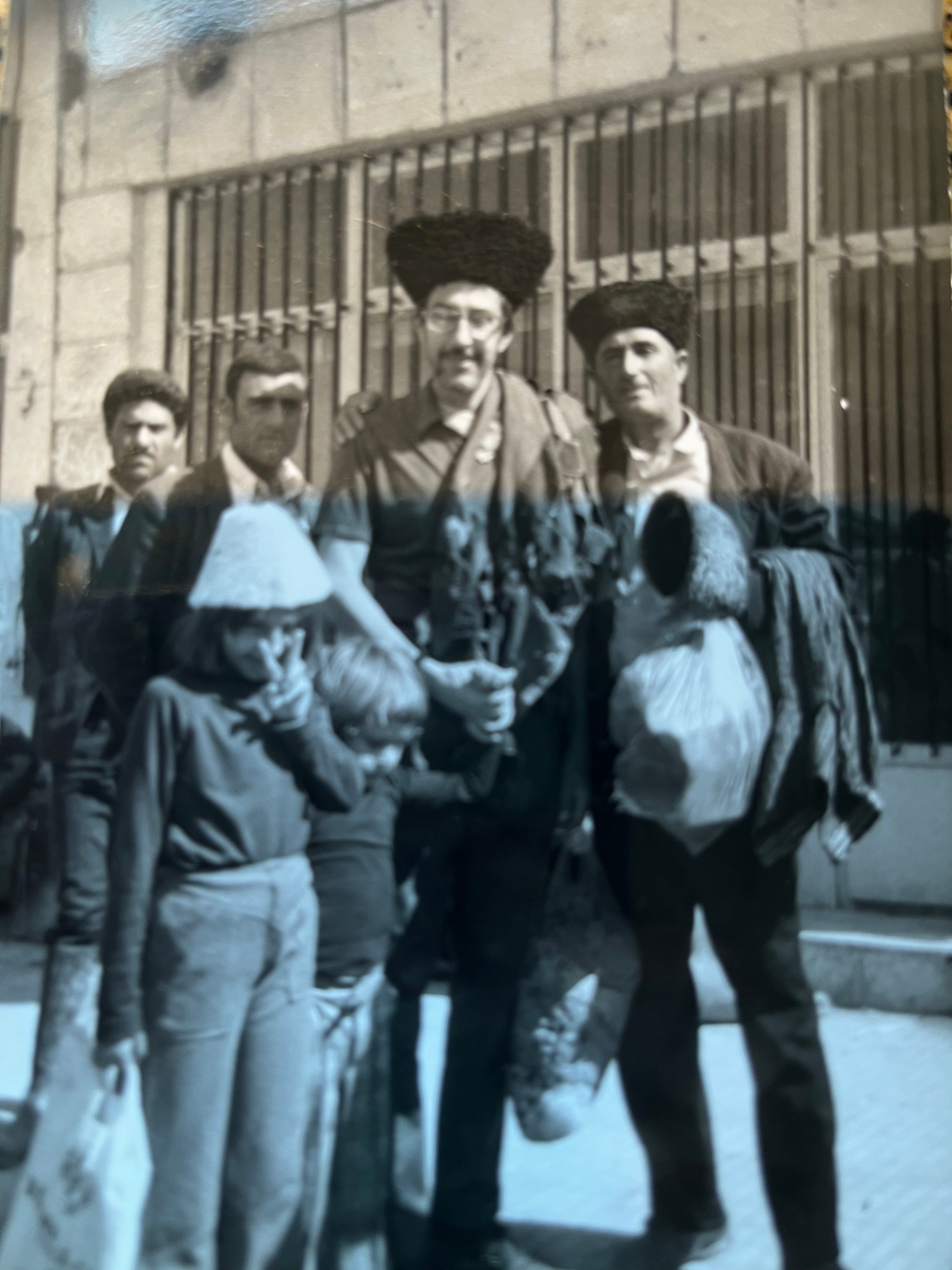
In 1971, when I was five, and we were living in Iran, I got a front-row seat to the potency of soft power in my mother’s university classroom at Tehran’s Pars College. Every week, I’d go with her to sit and draw as she taught Shakespeare—a subject you’d imagine would be apolitical. But given that Savak, the Shah’s brutal secret police, was rumored to have a mole in every university classroom, even 400-year-old English plays were freighted with political relevance.
The toughest play to teach, my mother said, was King Lear, in which a monarch is shown as old and weak, his power and sanity draining away in every scene. Raised in a regime where the monarch was projected as all-powerful, none of the students would talk, so worried were they that any comments on Lear would be read as treasonous against their own Shah. My mom’s job, she quickly realized, was not to teach iambic pentameter, but to show her students, oh so subtly, that even the most powerful king was human, and ultimately frail. (In hindsight, her lesson was doubly subversive, as it went against the larger tenets of American foreign policy, which was to support the Shah at any cost.)
I’d watched hard power trump soft power in 1978 in Afghanistan. My father had been working at the Ministry of Justice, trying to help codify Afghanistan’s tribal laws. But then came the bloody Saur Revolution, when Marxists killed the king, kicking off what would be four decades of war. A very polite ministry functionary asked my father to clear out his office and make room for his replacement, due in any day from Moscow. Within months, we’d be reposted to Egypt.
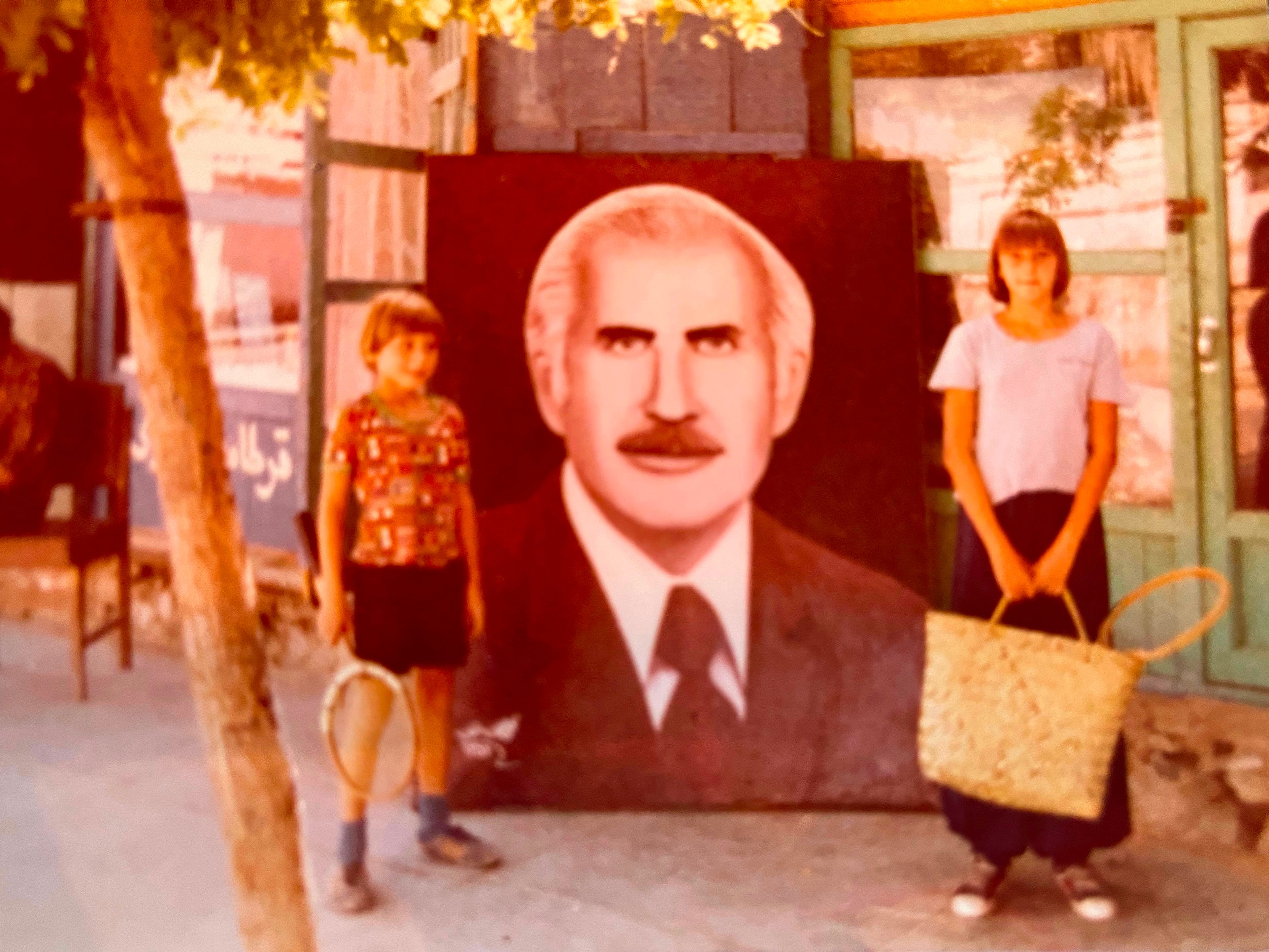
For a kid, being dragged around the world could often be disorienting. I found myself using bits of American cultural power as bridges between my suburban St. Louis life and my life overseas. To stumble on signs of American soft power—an episode of Charlie’s Angels being shown in a tiny Turkish town, second-hand blue jeans on sale in Kabul’s Nixon bazaar, or a vintage copy of Time magazine in some dusty Egyptian hotel—these were red-letter days for me.
I grew up to peddle in soft power as an adult, working as a foreign correspondent for Newsweek and writing for Time, whose founder Henry Luce, son of Christian missionaries to China, saw his magazine as a powerful disseminator of American values. Even when they boasted news bureaus around the world, both newsmagazines projected a view of the planet shaped by and for American centers of power: the Beltway and the Big Apple.
While the view was heavily Ameri-centric, it wasn’t necessarily myopic. Overseas reporting taught me the raw power of American soft power. I learned that even while political leaders bray tough lines from the top, their positions look more malleable on the ground. Often, it’s the ineffable lure of American culture that helps soften hard-liners.
Case in point: An older colleague who’d covered the Iranian revolution told the story of standing behind the gates of the American embassy in Tehran, just before the hostage crisis. Standing in a crowd that was chanting “Marg ba Amrika”—”Death to America”— he was approached by a couple of young men who stopped shouting, looked around for a second, and then muttered, “hey, mister do you know how we could get visas to go to America?”
It was a time when the lure of America was strong—even among its critics. Not long after the Taliban took over Afghanistan, I recall meeting a delegation of Taliban dignitaries who came to New York to negotiate a pipeline deal with the American oil company, Unocal. Sitting in the Taliban’s rented office in Flushing, Queens, they answered journalists’ questions—but only for a few minutes, as they were anxious to go see the Empire State Building. American marvels had similarly seduced the Taliban minister I interviewed in 1998 in Kabul. He’d thundered on about the need to purify Afghanistan from Western influence, extolling the work of his regime’s Department of the Prevention of Vice and Promotion of Virtue. But when I turned off the tape recorder, he rhapsodized about his student days in the States, and his favorite moment: visiting Las Vegas.
Las Vegas and the Empire State Building still stand. But the current American administration has chainsawed away many of our soft power institutions. By gutting foreign aid and culling educational exchange programs and overseas media outlets, it has rendered America increasingly alone, and increasingly unpopular. The snarling brute strength that remains may be more honest about its imperial intentions. But it is a damn sight uglier.
Barnes & Noble | Bookshop.org | Amazon | See more options at PRH.com
No posts
Comments
Nothing yet. Say the first thing.
Sign in to join the conversation.