
SWARM did not arrive fully formed. It emerged through use.
As I continued working with it across different contexts, I started to notice that some of the language I was using felt imprecise. Not incorrect, but overloaded. Certain words were carrying multiple meanings at once, and that ambiguity began to matter as the system matured.
This post is an attempt to clarify three foundational concepts inside SWARM. Not as rigid definitions, but as distinctions that revealed themselves through repetition.
Loop
Protocol
Signal
Each operates at a different layer of the system.
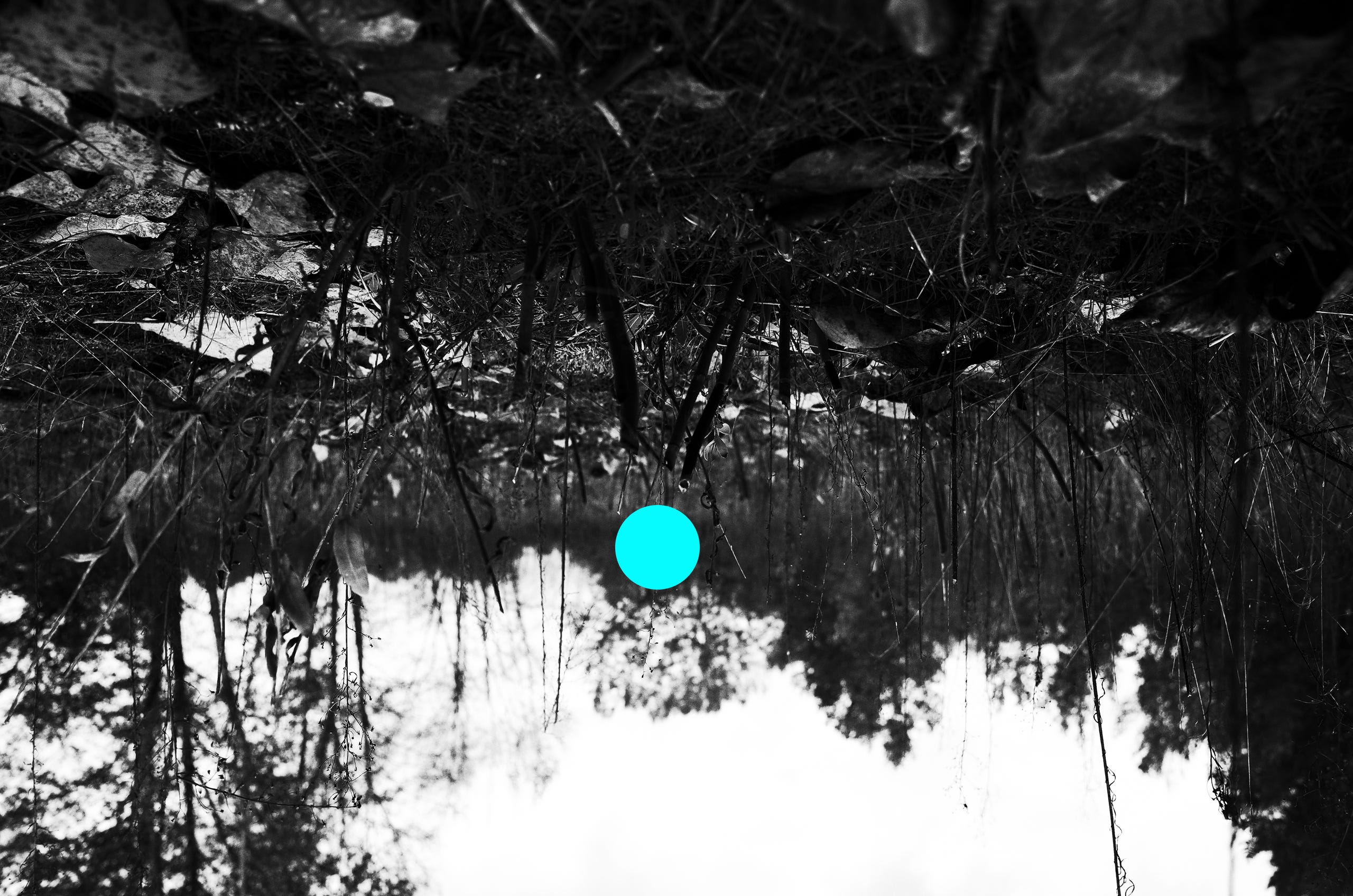
A loop is a pass through the early SWARM phases.
Loops are exploratory by nature. They are where instinct leads, where variation is tested, and where reduction begins to take shape. Most loops are incomplete. Many are abandoned. Some repeat without producing anything new.
That is not a flaw.
It is the cost of exploration.
A good example of this is the early definition of the SWARM color palette. On its own, that decision did not mean much. It did not explain the system or define its direction. But it established a foundational asset that could be reused, tested, and stressed across future work.
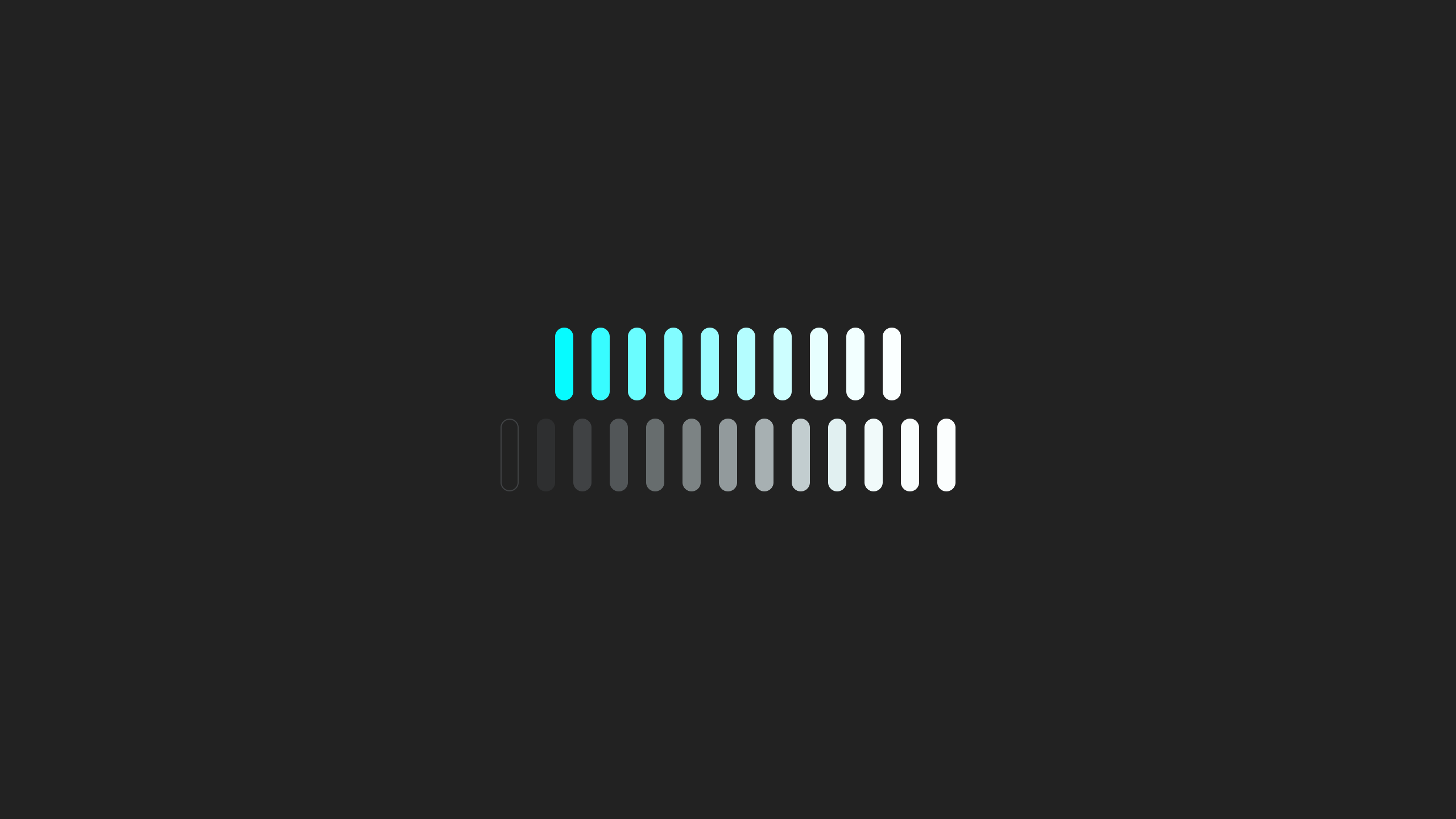
Loops often produce pieces like this. Useful, but not meaningful in isolation. Loops generate movement, not meaning. They are necessary, but insufficient on their own.
The protocol is not a single pass.
It is the structure that holds multiple loops across time. The protocol governs how loops are sequenced, repeated, paused, or abandoned. This is where judgment enters the system, not as rules, but as orientation.
The evolution of the SWARM visuals used in Substack posts is a clear example of this layer. Early visuals were built from simple circles and lines. They were clean, but static. Functional, but generic. Over time, those elements were reintroduced through new loops and held inside the protocol long enough to change.
Photography entered the system.
Motion increased.
Lines began to suggest direction and force.
The single point of clarity emerged as a response to visual noise.
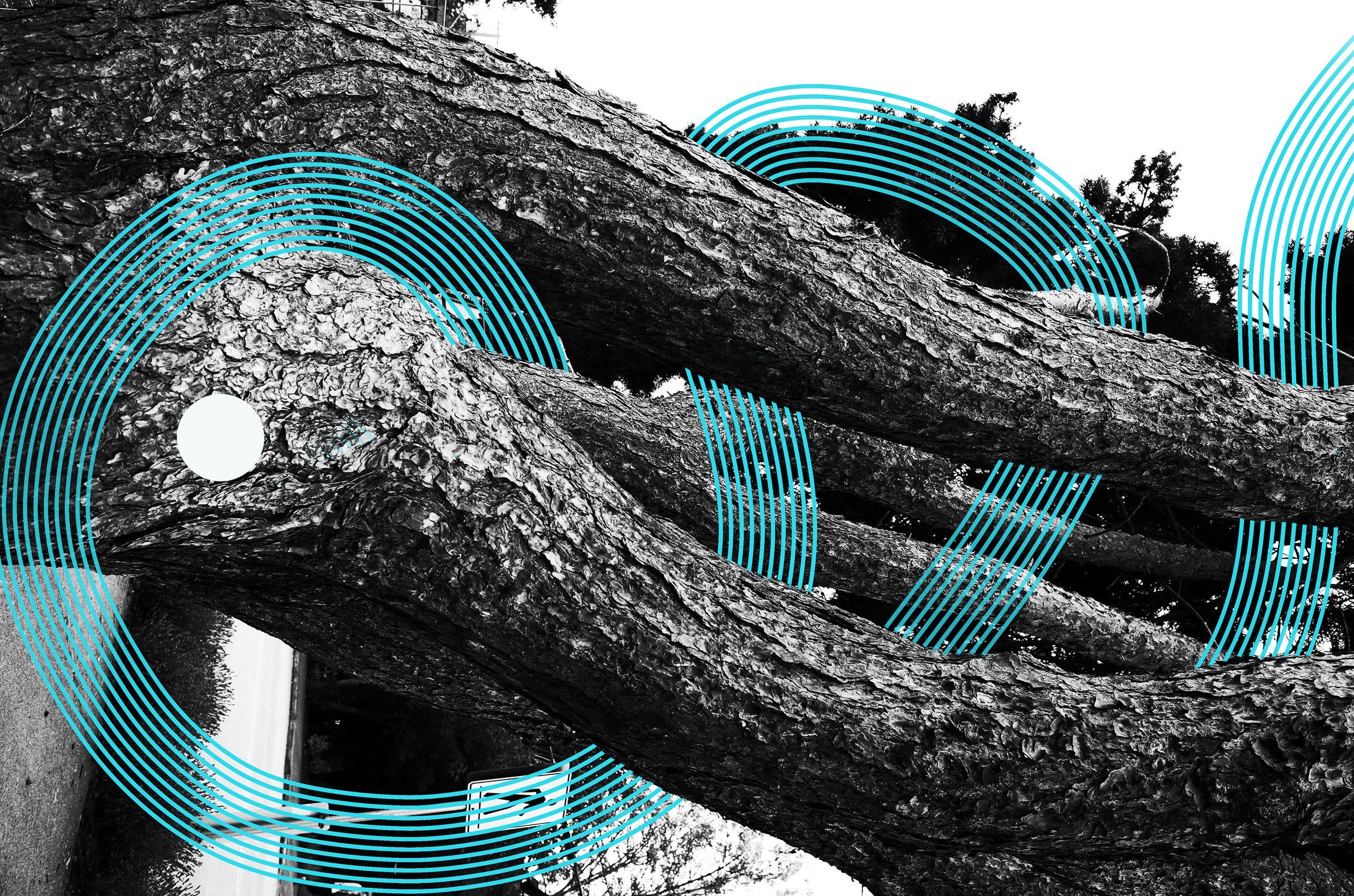
None of that happened in a single loop. It required accumulation, patience, and the willingness to let earlier versions remain incomplete while the work continued.
The protocol does not force progress.
It creates the conditions for recognition.
If loops are local and tactical, the protocol is temporal and adaptive. It is not mechanical. It is contextual.
A signal is what persists across loops within the protocol.
Signals are not declared upfront. They are observed in hindsight. They appear when something continues to sharpen rather than degrade as loops repeat. They become clearer under pressure instead of collapsing.
One signal that has begun to surface is the connection between SWARM as a nonlinear creativity protocol and how it aligns with the way many neurodivergent learners process information. The emphasis on repetition, pattern recognition, reduction, and emergence mirrors how clarity often arrives for people who do not think linearly.
This alignment was not a surprise. It had been present in the background from early on. What wasn’t clear was whether it was something to name openly, or something to let continue shaping the work quietly.
The hesitation wasn’t doubt. It was restraint. I wanted to be sure the pattern was real, not just personally resonant.
Rather than elevating the idea prematurely, I allowed the work to continue. I watched to see whether the pattern would persist across different contexts and forms. Writing, visual systems, music, and reflection all pointed back to the same structure.
That persistence is what elevated it from intuition to signal.
Once a signal becomes visible, it begins to shape future exploration. It influences which loops are worth repeating, which questions feel worth pursuing, and which directions deserve more depth. The signal does not close the system. It sharpens it.
In this case, recognizing this alignment changes how the protocol moves forward. It invites more intentional exploration in that direction. More listening. More refinement. More care in how the system is articulated and shared.
This does not narrow SWARM.
It makes it more authentic.
By following the signal rather than forcing outcomes, the protocol gains depth without losing flexibility. The work becomes less about expanding reach and more about strengthening coherence.
Not all loops produce signals.
Not all signals survive.
Those that do survive earn the right to guide what comes next.
It is easy to confuse activity with progress. What matters is not how much work is produced, but what continues to hold up when the work is repeated.
Signals make that distinction visible. They show which ideas gain strength through use and which ones collapse under repetition.
We often assume that progress comes from better execution or faster tools. In nonlinear environments, progress comes from paying attention to signals that persist through repetition.
Loops give us movement.
Protocols give us orientation.
Signals give us meaning.
Clarity is not produced in a single pass. It is earned over time. Following the signals helps decide what deserves to continue.
Comments
Nothing yet. Say the first thing.
Sign in to join the conversation.