
Some places stay with us long after we’ve left them. Not because they were remarkable in a single moment, but because they became familiar over time. A neighbourhood you once lived in. A town you returned to. A street you walked often enough that it stopped demanding attention and started offering it.
What made those places meaningful wasn’t a single experience. It was repetition. You learned how to move through them without thinking. You found yourself returning to the same corners, taking the same routes, noticing details only after they had stopped announcing themselves. Over time, the place became legible.
That’s when a space turns into a place.
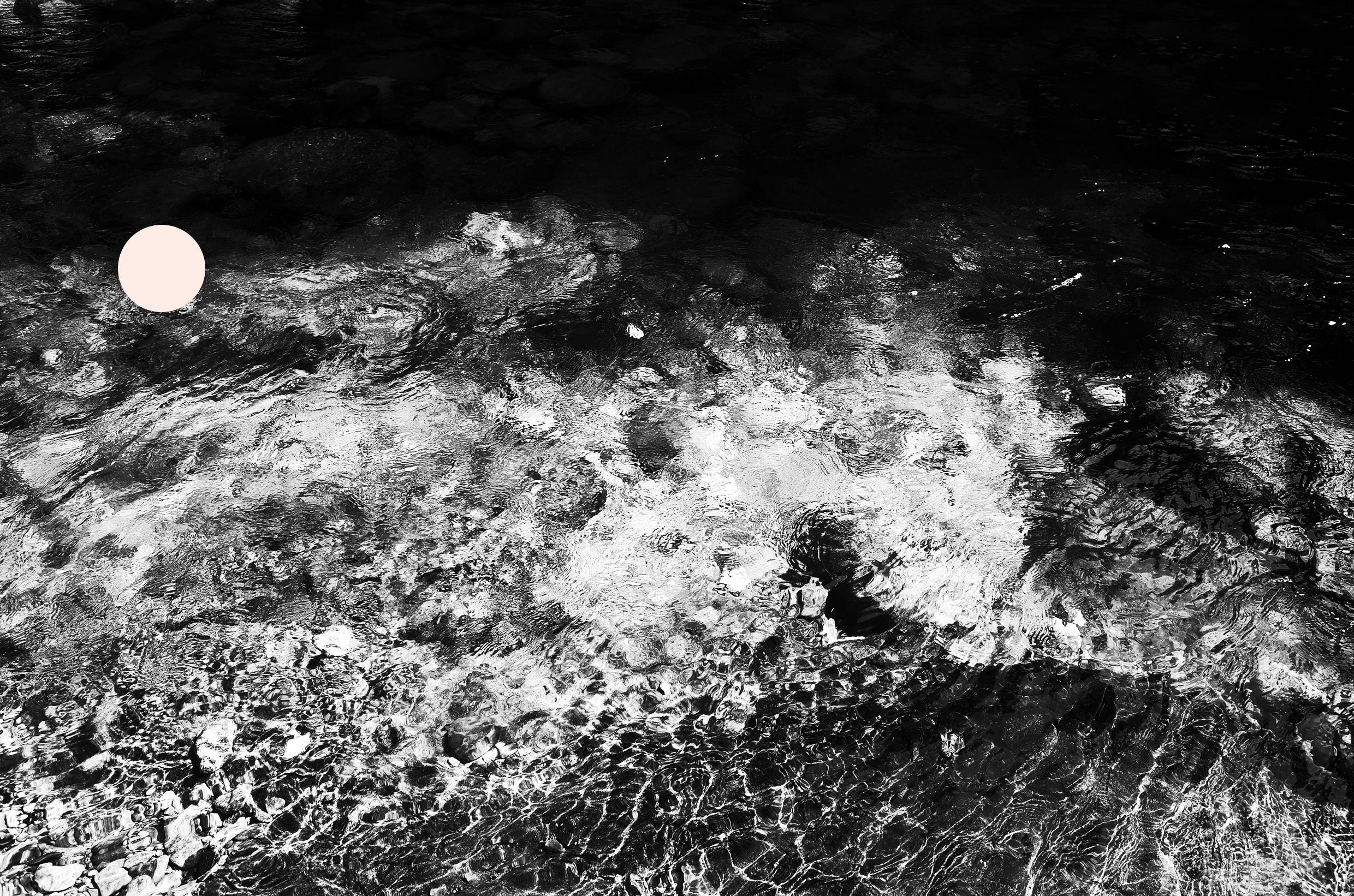
Meaning doesn’t arrive all at once. No one experience gives a place its identity. It forms through repetition.
Each pass adds a little more context. A memory attached to a doorway. A familiar sound at a certain hour. A route you now take automatically. Nothing changes dramatically from one visit to the next, but something accumulates.
Meaning isn’t designed in a single moment.
It emerges through use.
This is why places that are overdesigned often feel lifeless. They try to communicate everything immediately. Every path is labelled. Every experience is prescribed. There’s nothing left for the visitor to discover over time. Efficiency replaces familiarity. Clarity is forced instead of earned.
And the place never deepens.
The places that stay with us tend to share a few quiet qualities. They are navigable without instruction. They allow repetition without boredom. They don’t punish wandering. They reveal themselves gradually.
You’re not told what matters.
You’re allowed to notice it.
That noticing only happens because the place holds up across multiple passes. It doesn’t collapse under familiarity. It becomes richer. What’s important here isn’t nostalgia. Its structure.
These places work because they allow loops. You move through them again and again. Each loop sharpens your intuition. Each return removes a little uncertainty. Over time, clarity forms. Not as an answer, but as orientation.
You know where you are.
I started paying attention to this pattern because I noticed how rare it has become outside physical environments. Most modern systems, whether digital, organizational, or creative, are designed to eliminate looping. They push toward resolution, onboarding, optimization, and premature certainty.
They want the answer now.
But clarity doesn’t behave that way. The kind of clarity that lasts emerges the same way meaning in places does: through repetition, through reduction, through time spent inside the system.
When we remove those conditions, we don’t get better outcomes. We get brittle ones. Systems that work once but don’t deepen. Products that impress quickly but don’t stay. Creative work that lands loudly and disappears.
It took me a long time to realize that this same structure was quietly shaping how I work. Not as a philosophy I set out to follow, but as a behaviour that revealed itself over time.
I wasn’t trying to solve problems in a single pass. I was revisiting them. Looping through ideas, designs, systems, and creative work, letting patterns surface through repetition instead of forcing conclusions early.
I wasn’t designing answers.
I was designing conditions.
Conditions where clarity could emerge the same way it does in meaningful places.
That’s when the connection became obvious.
SWARM did not arrive fully formed. It emerged through use.
Each project was another loop. Some loops produced nothing. Others left behind fragments that didn’t mean much in isolation. Over time, certain patterns held up while others faded. What mattered wasn’t declared upfront. It became visible only after surviving repetition.
This is the same way places gain identity.
Loops create movement. The protocol holds those loops across time. Signals appear when something sharpens instead of collapsing under repetition. SWARM isn’t a framework for producing clarity quickly. It’s a way of working that allows clarity to earn its place.
What I eventually understood is this: the places that stay with us and the work that lasts are shaped by the same forces. They aren’t optimized for immediate understanding. They are designed to be returned to.
They allow loops.
They reward attention.
They let meaning accumulate.
Clarity doesn’t come from control. It comes from staying with the work long enough to recognize what’s real. That’s what SWARM is trying to protect.
Comments
Nothing yet. Say the first thing.
Sign in to join the conversation.