
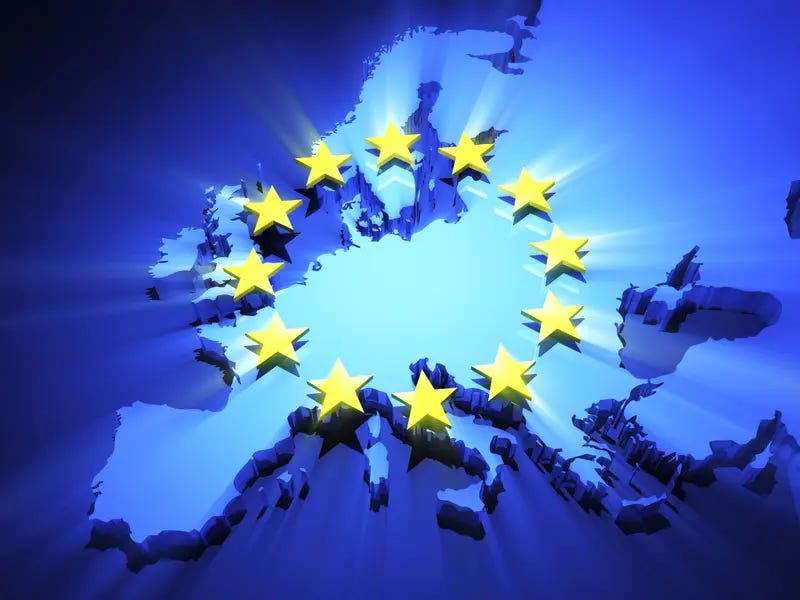
The Polish prime minister said on July 3 that the coming months could be critical, particularly for the Baltic region, and that Poland was preparing intensively for different scenarios involving possible Russian provocations. Those warnings followed reports that Russia could be considering limited military or hybrid actions designed to test NATO’s response, potentially involving drones, missiles, critical infrastructure or deliberately engineered border incidents.
That should concern every European citizen.
But there is another reality we need to confront, and we need to confront it without diplomatic sugar-coating, political fairy tales or bullshit.
Europe cannot build its future security strategy around the assumption that the United States will always come running.
We cannot tell ourselves a bedtime story in which Washington arrives at the last minute, American aircraft fill the skies, American soldiers cross the Atlantic, and everything magically turns out fine.
That is not a strategy.
That is wishful thinking.
And in the Europe of 2026, wishful thinking is becoming dangerously close to strategic suicide.
The United States remains a major military power and NATO remains a powerful alliance. NATO itself continues to describe Russia’s war against Ukraine as the gravest threat to Euro-Atlantic security in decades, while insisting that deterrence and defence are being strengthened across the Alliance.
We should acknowledge that reality.
But we must also acknowledge another one: European security cannot depend indefinitely on the political preferences of one American president.
Especially not when that president has repeatedly demonstrated that his approach to alliances is transactional, unpredictable and heavily dependent on what he believes serves American interests at a particular moment.
And that brings us directly to Donald Trump.
Let us be absolutely clear: this is not an argument against the American people.
Europe and America are historically connected. Millions of Europeans owe their freedom in part to Americans who fought and died on European soil during two world wars. NATO has protected generations on both sides of the Atlantic. American military power remains enormously important.
But alliances are built on trust, credibility and predictability.
And credibility cannot be demanded from Europeans while simultaneously expecting Europeans to remain permanently dependent.
If Europe wants to survive the strategic storm gathering around it, then Europe must become capable of defending itself.
Not because we hate America.
Because we respect reality.
The Putin problem is not going away
Vladimir Putin has spent years testing the boundaries of Western political will.
He invaded Georgia.
He occupied Crimea.
He engineered and supported war in eastern Ukraine.
He launched the full-scale invasion of Ukraine.
He has used energy, cyber operations, espionage, sabotage, disinformation and political interference as instruments of state power.
And now European governments are openly discussing the possibility of further Russian provocations against NATO territory.
Poland is not imagining the threat.
The Baltic states are not imagining the threat.
Finland is not imagining the threat.
Sweden is not imagining the threat.
Germany is not imagining the threat.
Ukraine certainly did not imagine it.
The warnings are part of a wider European security environment in which Russia is increasingly accused of probing Western vulnerabilities through hybrid operations and covert activity. Germany’s top military officer recently warned that Russia is continuously probing NATO defences through hybrid attacks, including drone-related incidents.
And Poland has now reported that its authorities thwarted an alleged Russian plot targeting a U.S. citizen in Warsaw.
This is not some distant geopolitical chessboard.
This is Europe.
Our infrastructure.
Our borders.
Our cities.
Our electricity networks.
Our telecommunications.
Our airports.
Our people.
And if Moscow believes that European democracies are too frightened, divided or politically paralysed to respond, then sooner or later someone in the Kremlin may decide to test that assumption.
That is why Tusk is right about one fundamental principle:
We should not be afraid.
But we must be prepared.
And preparation means accepting an uncomfortable truth
If Russia attacks a NATO member, Europe must be capable of responding even if Washington hesitates.
There.
Say it out loud.
Write it into every defence plan.
Build the capability around it.
Because deterrence based on a single assumption , “America will save us” , is not deterrence.
It is gambling.
And Europe has already gambled enough.
Trump has repeatedly treated NATO through the lens of burden-sharing and American interests. At the 2026 NATO summit, Secretary General Mark Rutte described the alliance as united and said Trump had pushed European allies toward substantially higher defence spending.
Fine.
Then let us take the lesson seriously.
If Washington wants Europe to carry more of the burden, Europe should.
But Europe should not simply spend more money buying equipment and then continue behaving as though somebody else will ultimately make the decisive political and military decisions.
We need something far more profound.
European strategic independence.
Not isolation.
Not anti-Americanism.
Not the destruction of NATO.
The opposite.
A stronger Europe makes NATO stronger.
A Europe capable of defending its eastern flank makes the Alliance harder to blackmail.
A Europe capable of protecting its infrastructure makes Russian sabotage less attractive.
A Europe capable of fighting alongside Ukraine makes Moscow’s calculations considerably more complicated.
And a Europe that can stand on its own feet is an ally America can respect rather than a dependent it can pressure.
Because if NATO is tested, Putin will be watching Washington
Putin does not need to defeat NATO militarily to damage it.
He needs to convince Europeans that NATO cannot agree.
He needs to convince Moscow’s opponents that Article 5 is politically conditional.
He needs to create uncertainty.
He needs one incident.
One drone.
One missile.
One border crossing.
One destroyed piece of critical infrastructure.
One mysterious explosion.
One disinformation campaign.
Then he watches.
How does Warsaw respond?
How does Berlin respond?
How does Paris respond?
How does Brussels respond?
How does Washington respond?
And most importantly:
Does everybody stand together?
Or does everybody start arguing?
That is the game.
The Kremlin does not necessarily need to march tanks toward Warsaw tomorrow morning.
It can attempt to create confusion first.
It can attempt to make Europeans ask whether responding will trigger a larger war.
It can attempt to make politicians afraid of escalation.
It can attempt to turn every democratic debate into paralysis.
And if Europe spends its time debating whether the threat is real instead of preparing for the possibility that it is, then we are doing precisely what an adversary wants.
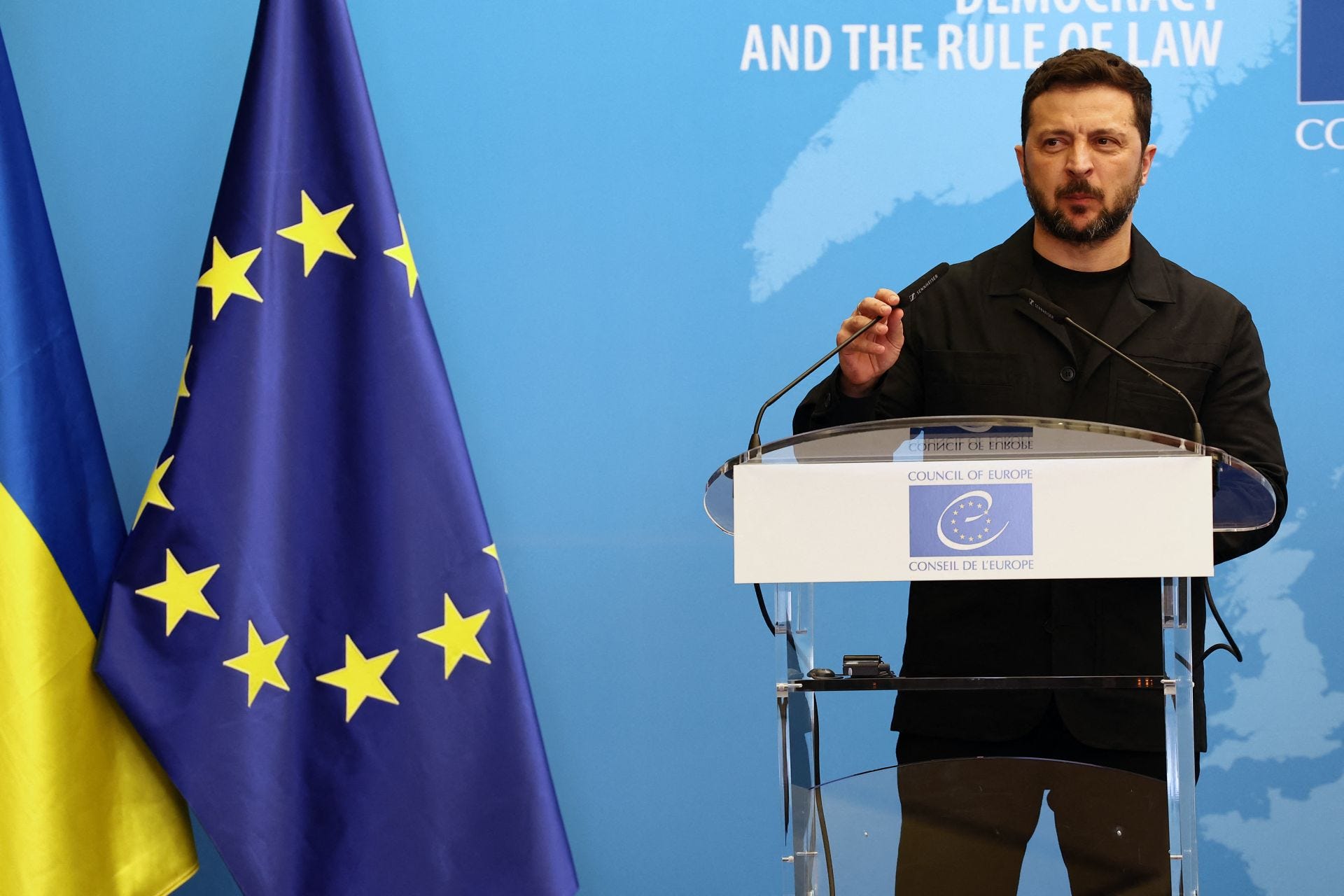
Ukraine has already demonstrated the alternative
Ukraine did not have the luxury of waiting for perfect conditions.
Ukraine was attacked.
Ukraine adapted.
Ukraine mobilised.
Ukraine decentralised.
Ukraine learned.
Ukraine built layered defence systems.
Ukraine combined military forces, police, intelligence services, emergency responders, volunteers, industry and civilians into a national resilience structure.
It has paid an unimaginable price for those lessons.
Europe should learn from them without pretending we can simply reproduce Ukraine’s circumstances.
We cannot.
Nor should we want to.
But we can learn from Ukraine’s resilience.
We can learn that modern defence is not simply about tanks sitting in barracks.
It is about the entire society being difficult to intimidate, disrupt or paralyse.
A modern European defence architecture should therefore have multiple layers.
Military forces.
Air and missile defence.
Counter-drone capabilities.
Cyber defence.
Critical infrastructure protection.
Intelligence sharing.
Civil protection.
Emergency medical capacity.
Strategic reserves.
Secure communications.
Industrial production.
Energy resilience.
And, yes, a population that understands what to do when something goes wrong.
Because civilians are not merely people waiting to be rescued.
They are part of national resilience.
Europe must stop treating civilian preparedness as some embarrassing fringe concept
If an aircraft crashes, we train civilians for emergencies.
If a building burns, we teach fire safety.
If there is a flood, we have evacuation plans.
If there is a pandemic, we expect governments to maintain emergency systems.
So why should national security be different?
European citizens should be trained in first aid.
They should understand emergency communications.
They should know how to respond during infrastructure failures.
They should know where shelters and emergency centres are.
They should understand disinformation.
They should know how to protect vulnerable neighbours.
And in countries where the law, democratic institutions and security circumstances justify it, properly regulated civilian defence programmes should be considered.
That does not mean turning Europe into an armed mob.
It means building a responsible reserve of citizens who understand that democracy comes with responsibilities as well as rights.
Weapons are not a substitute for institutions.
Training is not a substitute for professional armed forces.
And civilians should never be encouraged to take the law into their own hands.
But a trained, disciplined and resilient population is much harder to intimidate than a population that has been taught for decades to assume that somebody else will protect it.
That distinction could become critical.

This is where initiatives such as AEGIS Guardian Initiative could have a role
The future of European resilience cannot be divided into isolated boxes labelled “army,” “police,” “humanitarian organisations” and “civilian population.”
Those systems need to communicate.
A defensive humanitarian model can potentially help bridge some of those gaps by bringing together lawful security expertise, humanitarian capability, emergency response, medical support, logistics, investigators and civilian resilience.
The principle should be brutally simple:
Humanity first.
Defence, not aggression.
Law, not vigilantism.
Accountability, not private power.
Coordination, not chaos.
The objective should never be to create another private army.
Europe has enough armed institutions.
The objective should be to create resilient communities capable of surviving disruption and protecting human life until professional emergency and security structures can fully respond.
That is what layered defence means.
It means that if one system fails, another remains.
If communications collapse, alternatives exist.
If infrastructure is attacked, emergency services are prepared.
If misinformation spreads, citizens recognise it.
If a drone appears, trained authorities know how to respond.
If hospitals become overwhelmed, contingency systems activate.
If electricity disappears, communities know what to do.
If a crisis lasts days instead of hours, society does not collapse.
That is resilience.
And resilience is deterrence.
Europe has the capacity
This is the part that should make Europeans angry.
We are not helpless.
Europe is wealthy.
Europe is technologically advanced.
Europe has world-class universities.
Europe has enormous industrial capacity.
Europe has sophisticated armed forces.
Europe has intelligence services.
Europe has engineers.
Europe has scientists.
Europe has medical professionals.
Europe has enormous financial resources.
Europe has millions of citizens willing to defend democratic values.
What Europe lacks is not capacity.
What Europe has lacked is sufficient political urgency.
That is changing.
Poland is increasing preparedness.
The Baltic states are fortifying their borders.
European governments are increasing defence spending.
NATO is demanding stronger capabilities.
And across Europe, governments increasingly understand that the post-Cold War assumption that large-scale war could never return to Europe was dangerously naive.
But spending alone will not save us.
Coordination will.
Industrial production will.
Training will.
Political courage will.
And unity will.
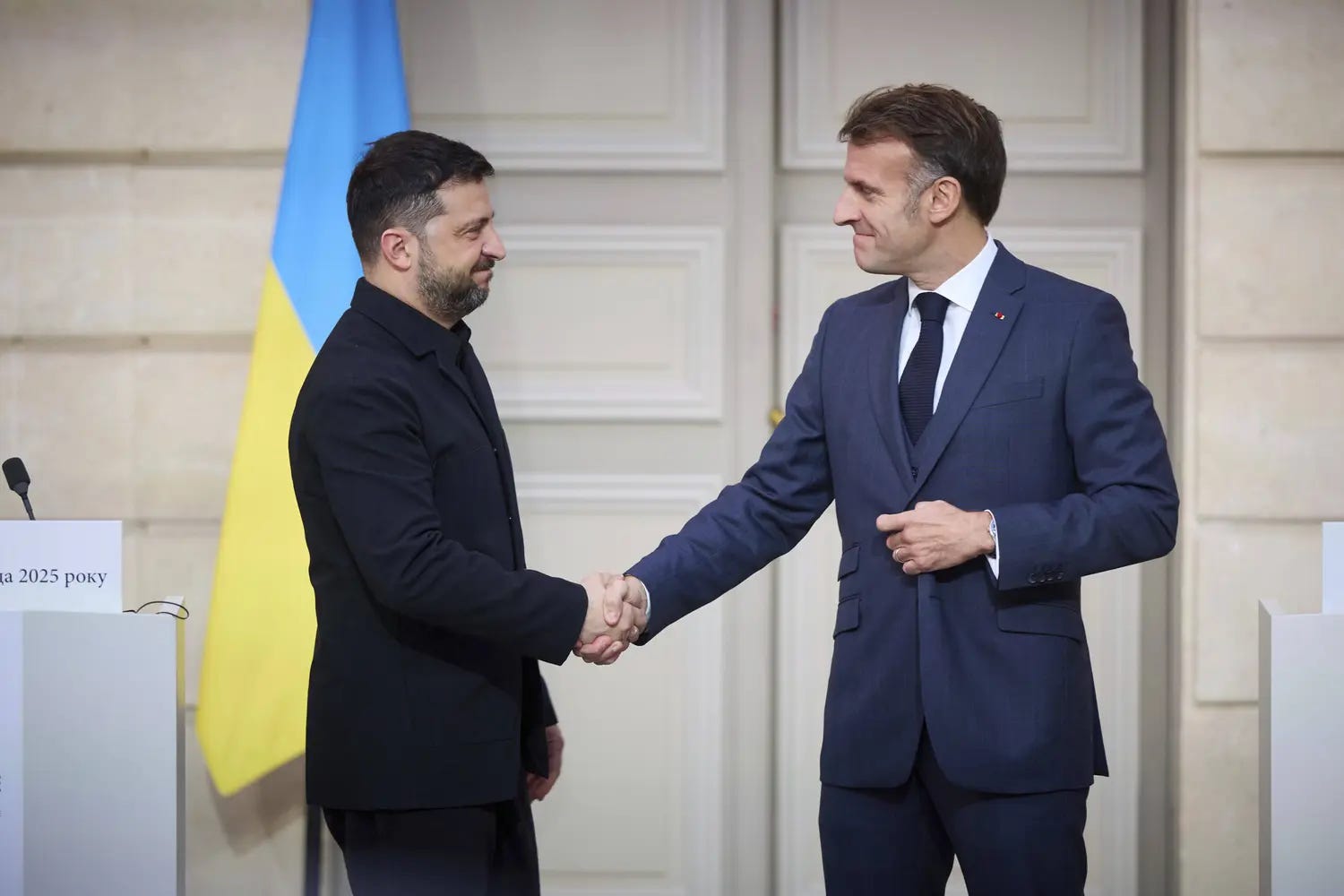
Russia wants us divided
Putin’s greatest weapon is not necessarily a missile.
It is our division.
It is the argument between Europeans about whether another European country should be defended.
It is the political movement claiming that Ukraine is not our problem.
It is the conspiracy theory claiming every warning is fabricated.
It is the social-media campaign designed to convince Europeans that resistance is pointless.
It is the fear that standing up to aggression will somehow make aggression worse.
And it is the seductive idea that surrendering one principle today will buy peace tomorrow.
History has already demonstrated where that road can lead.
The answer to Russian aggression cannot be endless panic.
But neither can it be appeasement.
Peace without credible deterrence is merely an invitation to someone else to determine the price.
And Trump?
Europe should not hate America.
But Europe should stop waiting for permission from Washington to grow up strategically.
If Donald Trump chooses to defend NATO, Europe should welcome it.
If the United States provides military support, Europe should use it intelligently.
If American troops stand alongside Europeans, Europeans should stand alongside them.
But if Washington ever hesitates, Europe must not freeze.
If American political priorities change, Europe must not collapse.
If an American administration decides that European security is inconvenient, Europe must still have a plan.
That is not betrayal of America.
It is responsibility toward Europe.
And frankly, if the United States expects Europeans to spend more, produce more, train more and carry more of the burden, then Europeans should stop complaining and start building.
We should build the arsenal.
We should build the air defences.
We should build the drones and counter-drone systems.
We should expand ammunition production.
We should strengthen intelligence cooperation.
We should secure our energy infrastructure.
We should harden our communications networks.
We should protect our ports, railways, airports and data centres.
We should train our reserves.
We should strengthen civil defence.
And we should ensure that every European government understands exactly what happens during the first hour, first day and first week of a major crisis.
No improvisation.
No bureaucratic paralysis.
No fucking excuses.
Because the alternative is unacceptable
Imagine a Russian provocation against Poland.
A drone attack.
A strike against infrastructure.
A border incident.
A cyberattack.
A handful of casualties.
Then Moscow denies responsibility.
Social media explodes.
European politicians argue.
Washington demands restraint.
Moscow threatens escalation.
Markets panic.
Citizens become frightened.
And suddenly the entire question becomes:
“Do we really want to risk war?”
That is exactly where deterrence fails.
The answer should already have been decided.
The answer should be:
We do not want war.
But aggression will not achieve anything.
That is the difference.
Deterrence does not mean wanting war.
It means making war a fucking terrible investment for anyone considering it.
We should not seek confrontation with Russia
This needs to be said clearly.
Europe should not seek war with Russia.
Ukraine should not be abandoned to endless war either.
The goal must be a durable peace based on sovereignty, security and the principle that borders cannot simply be changed through military force.
There is nothing contradictory about wanting peace and preparing for war.
In fact, history repeatedly demonstrates that serious preparation is one of the strongest foundations of peace.
The dragon does not need to burn the village.
It needs to make sure nobody thinks they can walk into the village, steal its people and destroy its homes without consequence.
That is the European dragon we need.
Not an empire.
Not a conqueror.
A guardian.
Fierce enough to defend itself.
Disciplined enough not to become what it opposes.
Strong enough to protect democracy.
Wise enough to understand that power without law becomes tyranny.
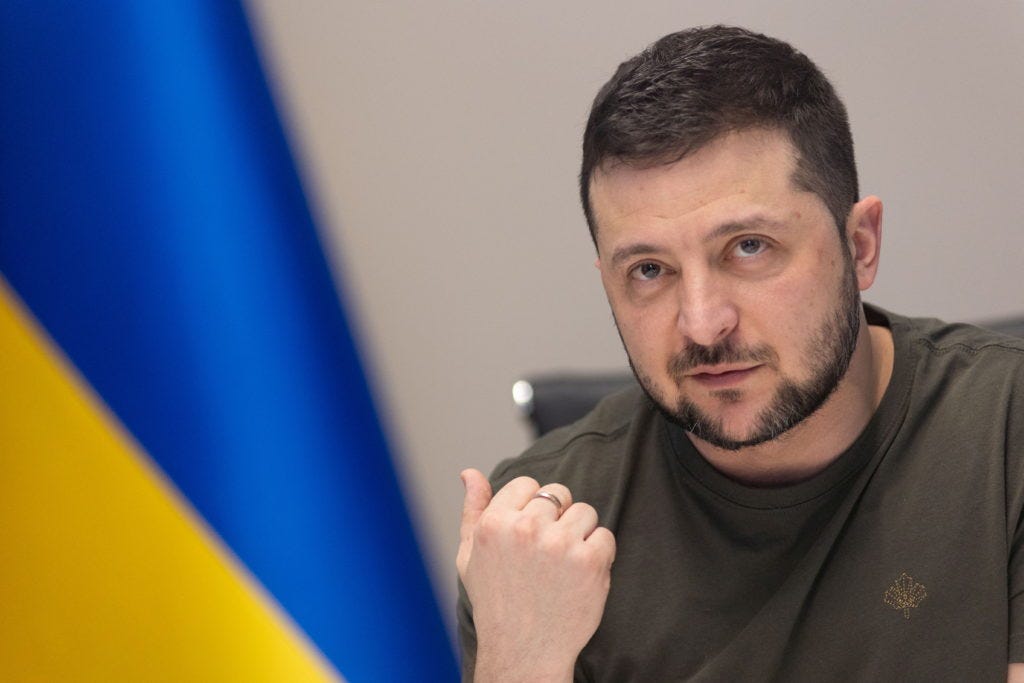
Ukraine must remain central to this strategy
There is another uncomfortable truth.
If Europe wants to defend itself, helping Ukraine defend itself is not charity.
It is strategic self-defence.
Ukraine is already fighting the war that European governments fear could eventually reach NATO territory.
Every month Ukraine prevents Russian forces from achieving their objectives is another month Europe gains to strengthen its own defences.
Every Ukrainian lesson about drones, electronic warfare, air defence, logistics, battlefield medicine and modern warfare is knowledge Europe should be studying.
Every European weapon delivered to Ukraine is also an opportunity to understand how European technology performs against a sophisticated adversary.
And every European politician who talks about supporting Ukraine while simultaneously delaying production, ammunition stocks and air defence is failing to understand the strategic equation.
Ukraine is not a burden.
Ukraine is Europe’s forward shield.
And the people holding that shield deserve more than applause.
They deserve the resources required to survive.
We need a European defence revolution
Not tomorrow.
Now.
Europe needs a genuine integrated defence strategy extending beyond individual national procurement programmes.
A European defence industrial base capable of producing at scale.
A continent-wide air and missile defence architecture.
A common counter-drone framework.
Better military mobility.
More ammunition.
More secure communications.
More intelligence sharing.
More resilient energy systems.
More protection for undersea cables and critical infrastructure.
More cyber defence.
More strategic stockpiles.
More civil defence.
More exercises involving civilian authorities.
More cooperation between military forces, police, intelligence services, emergency responders and humanitarian organisations.
And above all, political leadership capable of explaining to European citizens why this is necessary.
Do not frighten people.
Tell them the truth.
Tell them the threat exists.
Tell them preparation works.
Tell them democracy is worth defending.
Tell them Europe has the resources to defend itself.
Tell them that courage is not the absence of fear.
Courage is preparing despite it.
The Kremlin should understand one thing
Europe is awake.
Maybe too slowly.
Maybe painfully.
Maybe after years of complacency.
But awake.
And an awake Europe is a very different opponent from the divided, complacent Europe Moscow has spent years hoping to manipulate.
We are 27 European Union member states.
We are 32 NATO allies.
We have hundreds of millions of citizens.
We possess enormous economic and technological capacity.
We have highly trained armed forces.
We have allies.
We have Ukraine.
And most importantly, we still have something dictatorships cannot manufacture:
People who believe their future belongs to them.
Putin cannot dictate the future of Europe.
Trump cannot dictate the future of Europe.
No foreign president can.
That responsibility belongs to Europeans.
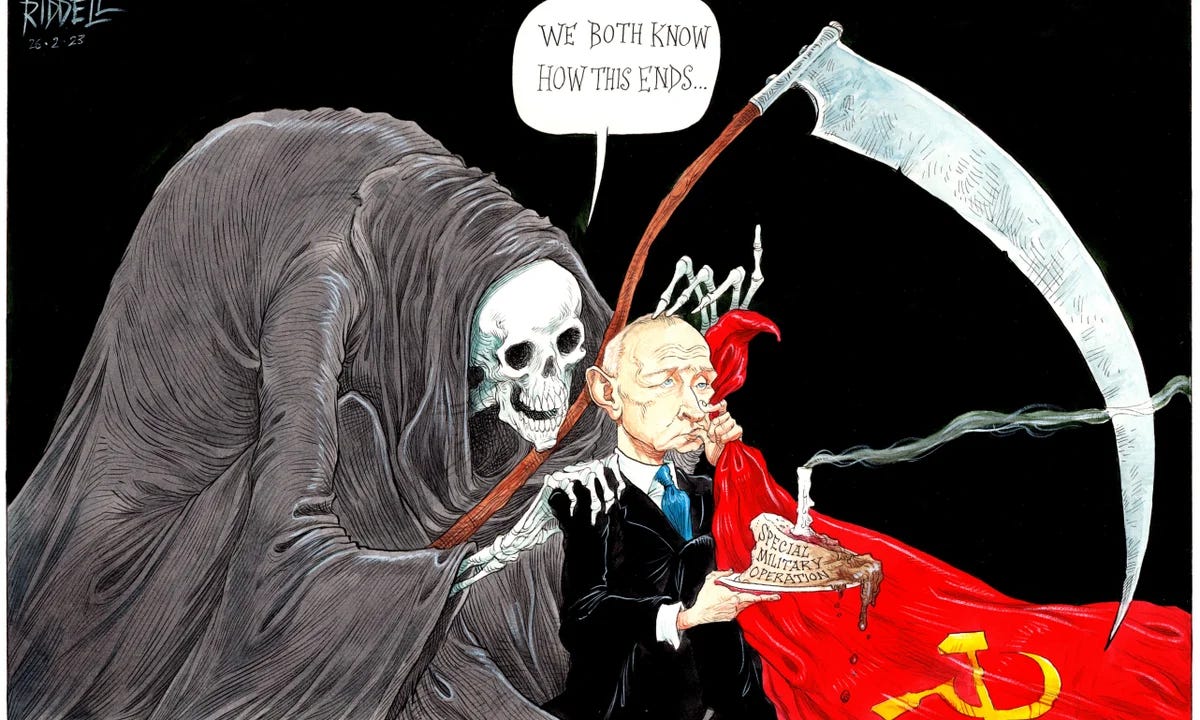
So let us stop pretending
Stop pretending America will always rescue us.
Stop pretending Russia will suddenly become harmless because we speak politely.
Stop pretending defence spending is enough without coordination.
Stop pretending civilians have no role in resilience.
Stop pretending Ukraine can be supported with speeches alone.
Stop pretending European unity is automatic.
Stop pretending that Article 5 can be treated as a slogan while everyone secretly wonders whether someone else will actually act.
And stop fucking waiting.
Build.
Train.
Coordinate.
Prepare.
Defend.
Support Ukraine.
Protect our infrastructure.
Strengthen our borders.
Strengthen NATO.
Strengthen Europe.
Strengthen democracy.
And make it unmistakably clear that any attempt to test European resolve will encounter a continent that is no longer asleep.
Because if the worst comes, we cannot afford to discover our strength after the first missile lands.
We need to know our strength before then.
We need layered defence.
We need military power.
We need civilian resilience.
We need law enforcement.
We need humanitarian capability.
We need intelligence.
We need industry.
We need political unity.
We need citizens who understand that freedom is not something delivered to their doorstep by another country.
It is something generations before us fought to establish and something our generation has a responsibility to protect.
That does not mean becoming warmongers.
It means becoming impossible to intimidate.
And if Russia believes Europe can be frightened into surrendering its principles, then Europe must prove it wrong.
If anyone in Moscow believes Poland can be isolated, prove them wrong.
If anyone believes the Baltics can be sacrificed, prove them wrong.
If anyone believes Ukraine can be abandoned, prove them wrong.
If anyone believes America can be the only pillar holding European security upright, prove them wrong.
Build enough pillars that no single political decision in Washington, Moscow, London or anywhere else can bring the structure down.
That is the future.
Not Europe against America.
Europe with America when America chooses to stand with Europe , but Europe capable of standing regardless.
That is mature alliance politics.
That is strategic sovereignty.
That is deterrence.
And that is how you prevent war.
Because the strongest message Europe can send to Vladimir Putin is not a threat.
It is capability.
It is unity.
It is preparation.
It is the knowledge that his favourite weapon that European division will no longer works.
The message should be simple:
You do not get to decide whether we are free.
You do not get to redraw our borders.
You do not get to intimidate our citizens.
You do not get to destroy our democracies.
And you do not get to gamble with Europe’s future.
We will defend it.
Together.
Not because we want war.
Because we want peace badly enough to make sure nobody can take it from us.
Europe has the capacity.
Europe has the strength.
Europe has the people.
Now Europe needs the political courage to use all three.
We should not be afraid.
But we must be ready.
And this time, when history comes knocking, Europe cannot be standing behind the door waiting for somebody else to answer.
We must answer ourselves.
With unity.
With discipline.
With law.
With courage.
With Ukraine beside us.
With our democracies behind us.
And with the unmistakable determination of a free continent that has finally understood one simple truth:
Our security is our responsibility. Our freedom is our responsibility. Our future is our responsibility.
And nobody , not Putin, not Trump, not Moscow, not Washington, and certainly not fear itself , gets to take that responsibility away from us.
Comments
Nothing yet. Say the first thing.
Sign in to join the conversation.