

For more than three decades following the end of the Cold War, much of Europe benefited from what policymakers often described as a “peace dividend.” Governments reduced the size of their armed forces, shifted public spending toward economic development and social services, and assumed that large-scale interstate conflict on the continent had become increasingly unlikely. Security planning continued, but the dominant expectation was that diplomacy, economic integration, and international institutions would provide sufficient stability to prevent major war.
Recent events have challenged many of those assumptions.
Russia’s full-scale invasion of Ukraine in 2022, combined with concerns over cyberattacks, sabotage, disinformation, critical infrastructure vulnerabilities, and supply-chain disruptions, has prompted European governments to reassess how resilience should be understood. Modern security is no longer viewed solely through the lens of conventional military power. Instead, policymakers increasingly describe resilience as a whole-of-society responsibility involving governments, emergency services, industry, civil society, and citizens themselves.
This shift has reopened debates that only a decade ago appeared largely settled. Should countries expand reserve forces? Should national or civic service return in some form? How should governments strengthen civil protection without undermining democratic freedoms? And what role can humanitarian organizations, volunteer networks, and new public-private initiatives play alongside established institutions?
This article examines these questions from multiple perspectives. Rather than advocating a single solution, it explores competing approaches that European countries are considering as they adapt to a changing security environment.
Security policy has traditionally focused on deterring or responding to armed aggression. While conventional military capability remains essential, recent crises have demonstrated that societies may also be affected by disruptions far removed from the battlefield.
Energy shortages, cyber incidents, attacks on communications infrastructure, natural disasters, pandemics, and coordinated disinformation campaigns have highlighted the interconnected nature of modern states. Hospitals depend on reliable electricity and digital systems. Transportation networks rely on functioning logistics. Financial institutions depend upon secure communications. Public confidence can itself become a strategic asset , or vulnerability.
For this reason, many governments now define resilience as the capacity of institutions, communities, and citizens to continue functioning under significant stress and to recover quickly from disruption.
This broader perspective has influenced planning across Europe. Ministries of defence increasingly cooperate with interior ministries, emergency management agencies, health authorities, cybersecurity organizations, and private infrastructure operators. The objective is not simply to strengthen military capability but to improve national continuity during crises of many different kinds.
One of the most widely discussed proposals concerns national service.
Historically, compulsory military service was common throughout Europe. Over time, many countries replaced conscription with professional volunteer armed forces, reflecting changing strategic conditions and advances in military technology.
Today, however, some policymakers argue that national service deserves renewed consideration , not necessarily as traditional military conscription, but as a broader civic program with multiple pathways.
Under such models, participants might choose between military reserve training, emergency medical services, civil protection, disaster response, engineering support, environmental recovery, logistics, cybersecurity, or other public-interest roles. The central idea is that service contributes both to individual development and to societal resilience.
Supporters argue that these programs can provide several benefits. They may strengthen emergency response capacity, create larger pools of trained personnel during crises, encourage civic engagement, and provide practical experience for younger generations. Shared service experiences may also contribute to social cohesion by bringing together people from different educational, regional, and socioeconomic backgrounds.
Several European countries continue to operate forms of national service, although each reflects different historical traditions, strategic priorities, and legal frameworks. Consequently, there is no single European model.

At the same time, proposals for expanded national service generate important debate.
Critics point to questions concerning individual liberty, educational disruption, labour-market effects, and public expenditure. Mandatory programs require instructors, facilities, equipment, administration, accommodation, and long-term funding. Governments must also determine how exemptions would operate, how alternative forms of service would be structured, and how such systems would remain consistent with constitutional protections.
Others argue that modern military operations increasingly depend upon highly specialised professional personnel operating advanced technologies rather than large numbers of short-term conscripts. From this perspective, additional investment in professional forces, intelligence capabilities, cyber defence, and advanced manufacturing may provide greater strategic value than expanding compulsory service.
These perspectives illustrate that preparedness is not simply a military question but a broader public policy issue involving economics, education, labour markets, constitutional law, and democratic governance.
Another area receiving increased attention is civil protection.
Across Europe, specialised agencies already coordinate responses to floods, wildfires, industrial accidents, severe weather, public health emergencies, and other disasters. Recent discussions have explored how these systems might be further strengthened through improved planning, interagency coordination, and public participation.
Civil protection encompasses a wide range of capabilities, including emergency communications, evacuation planning, urban search and rescue, medical logistics, infrastructure restoration, and crisis management. Many analysts argue that investment in these areas provides benefits regardless of whether threats originate from military conflict, natural disasters, technological failures, or other emergencies.
Increasingly, resilience planning emphasises interoperability , the ability of military organisations, civilian authorities, private infrastructure operators, and humanitarian responders to coordinate effectively during complex crises.
This approach recognises that resilience depends not upon a single institution but upon the relationships connecting many different organisations.
Perhaps the most significant shift concerns public expectations.
Rather than assuming governments alone can address every emergency, several European countries have expanded public education concerning first aid, emergency supplies, cybersecurity awareness, crisis communication, and household preparedness.
Such initiatives are intended to reduce vulnerability while encouraging citizens to understand their role during emergencies. Preparedness, in this context, becomes less about militarisation and more about strengthening society’s capacity to respond collectively to disruption.
Whether implemented through schools, volunteer organisations, local authorities, or national agencies, these efforts reflect a broader recognition that resilience begins long before any crisis occurs.
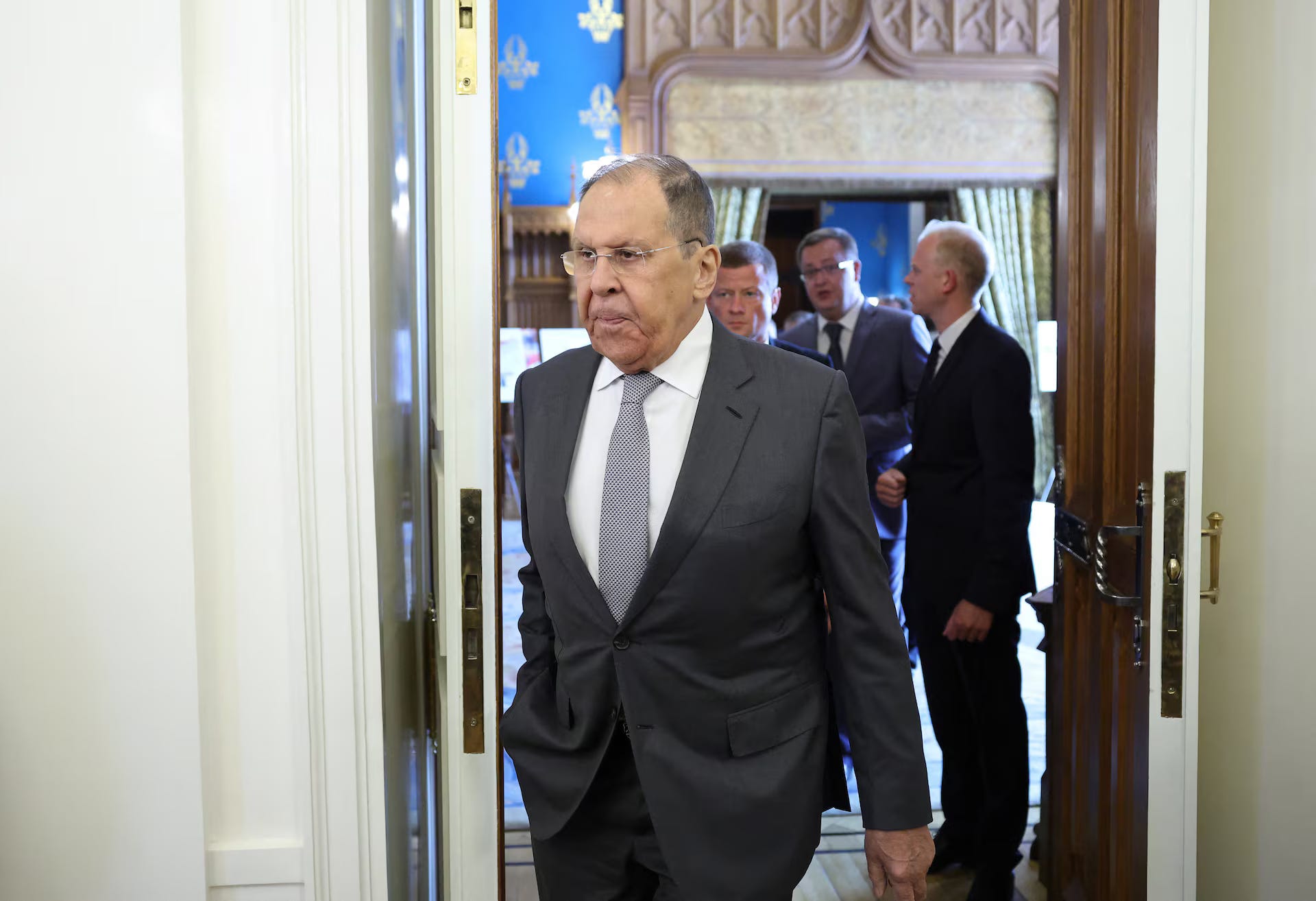
The concept of hybrid warfare has become central to European security discussions. Unlike conventional warfare, hybrid threats combine military and non-military instruments to create cumulative strategic pressure. These activities may include cyber intrusions, espionage, sabotage, economic coercion, influence campaigns, disinformation, election interference, attacks on critical infrastructure, and the use of proxy actors alongside conventional military force.
One defining characteristic of hybrid threats is ambiguity. Individual incidents may appear isolated or fall below the threshold traditionally associated with armed conflict. Collectively, however, they can undermine public confidence, disrupt government functions, and complicate political decision-making.
This environment has prompted many European governments to reconsider how resilience should be organised. Increasingly, policymakers argue that national security depends not only on military readiness but also on the ability of civilian institutions to continue operating during prolonged crises. Ministries responsible for defence, interior affairs, health, transport, energy, telecommunications, and emergency management therefore play complementary roles within broader resilience strategies.
Historically, military and civilian emergency structures often developed independently. Contemporary planning increasingly recognises that effective crisis management depends upon cooperation rather than separation.
During major emergencies, armed forces may provide logistics, engineering capabilities, transportation, communications, medical support, or specialist expertise while civilian authorities retain responsibility for governance, public safety, and emergency coordination. This model allows military resources to reinforce civilian capabilities without replacing them.
Joint exercises have therefore become increasingly important across Europe. Such exercises help emergency responders, police services, military units, healthcare providers, infrastructure operators, and local governments develop common procedures before real crises occur.
Supporters argue that interoperability reduces confusion, improves resource allocation, and accelerates recovery when multiple sectors are affected simultaneously.
Humanitarian organisations have traditionally focused on protecting civilians, providing medical assistance, distributing relief supplies, supporting displaced populations, and assisting communities recovering from disasters or conflict.
Although their missions differ from those of armed forces, humanitarian organisations increasingly operate in environments where security conditions remain unstable. This reality has encouraged closer dialogue between humanitarian actors, emergency planners, and public authorities regarding coordination, information sharing, and operational safety.
Many experts emphasise that humanitarian principles , including humanity, impartiality, neutrality, and independence , remain essential for maintaining trust among affected populations. At the same time, practical cooperation with public institutions may improve access, logistics, and emergency response when conducted within clearly defined legal and ethical frameworks.
Balancing operational coordination with humanitarian independence remains an important consideration for policymakers.
Alongside established institutions, several governments and policy researchers have explored whether carefully governed public-private partnerships might contribute additional expertise in specialised areas such as emergency logistics, technical support, cybersecurity, infrastructure restoration, communications, medical evacuation, and disaster preparedness.
These proposals generally do not seek to replace public institutions. Instead, they explore whether specialised capabilities outside government may complement existing civil protection systems during complex emergencies.
However, such approaches also require transparent governance, legal accountability, financial oversight, and clearly defined operational boundaries. Without robust regulation, overlapping responsibilities could create confusion during crises rather than strengthening resilience.

One example of an emerging concept within this broader discussion is the AEGIS Guardian Initiative, which has been proposed as a model focused on humanitarian security, emergency preparedness, and civilian protection in high-risk environments.
According to its publicly described concept, the initiative seeks to bridge capabilities traditionally associated with humanitarian organisations, emergency response agencies, and protective support functions. Rather than presenting itself as a substitute for national governments or military alliances, the concept envisions multidisciplinary teams capable of supporting humanitarian operations through logistics, planning, medical assistance, infrastructure support, risk assessment, and coordination in insecure environments.
The initiative proposes integrating expertise from multiple professional backgrounds, including emergency medicine, engineering, logistics, legal compliance, communications, crisis management, humanitarian operations, and former public-service personnel.
Proponents argue that increasingly complex crises require similarly integrated responses. Modern emergencies often combine humanitarian needs with damaged infrastructure, disrupted communications, public health concerns, and security risks. In their view, multidisciplinary organisations may improve coordination where multiple sectors intersect.
At the same time, any initiative operating within humanitarian or emergency environments would face significant governance requirements.
Questions naturally arise regarding legal authority, transparency, oversight, accountability, funding, relationships with public institutions, operational mandates, and adherence to applicable national and international law. Clear answers to these questions would be essential for public confidence and institutional cooperation.
Consequently, organisations proposing new resilience models must demonstrate not only operational capability but also strong governance, ethical standards, financial transparency, and effective coordination with existing authorities.
While institutional reform receives considerable attention, resilience also depends upon local communities.
Municipal authorities, volunteer organisations, neighbourhood associations, educational institutions, and private businesses often provide the first response during emergencies. Their familiarity with local conditions can significantly improve coordination before national resources arrive.
Several European countries have therefore expanded community preparedness initiatives involving first-aid training, volunteer emergency response teams, crisis communication planning, digital security awareness, and household preparedness guidance.
These programmes are generally designed to improve resilience regardless of whether disruptions arise from severe weather, technological failures, public health emergencies, cyber incidents, or broader security crises.
Importantly, community resilience is not measured solely by equipment or budgets. Public trust, social cohesion, institutional credibility, and reliable information also influence how effectively societies respond during emergencies.
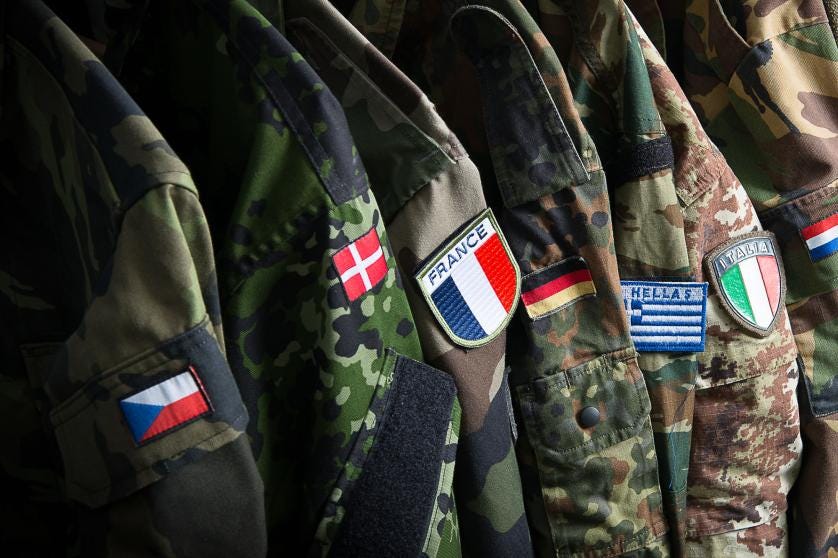
Europe’s evolving security environment illustrates that resilience cannot be reduced to a single policy decision. Military capability, civil protection, economic stability, technological innovation, public confidence, and effective governance all contribute to national preparedness.
As policymakers continue evaluating different approaches , including reserve forces, civic service, expanded emergency management, humanitarian partnerships, and new organisational models , the central challenge remains achieving greater resilience while preserving democratic accountability and fundamental rights.
No single framework offers a complete solution. Instead, Europe’s future resilience will likely depend upon how effectively diverse institutions cooperate before crises occur rather than after they have already begun.
Any proposal intended to strengthen national resilience , whether expanding reserve forces, introducing national or civic service, increasing civil protection capabilities, or developing new public-private partnerships , must ultimately be evaluated through the lens of democratic governance.
History demonstrates that security policies are most durable when they enjoy public legitimacy. Transparent decision-making, parliamentary oversight, judicial review, independent auditing, and clearly defined legal authorities help ensure that emergency powers remain proportionate and accountable. In democratic societies, resilience depends not only on physical capability but also on institutional credibility.
For governments, this means that preparedness is as much a governance challenge as it is a security challenge. Investments in equipment and infrastructure must be matched by investments in planning, training, communication, and public confidence.
Strengthening resilience requires sustained investment.
Whether governments choose to expand reserve forces, modernise emergency management systems, or improve infrastructure protection, financial commitments are significant. Training facilities, communications networks, cybersecurity capabilities, transportation systems, medical stockpiles, emergency logistics, and industrial production all require long-term funding rather than temporary responses to individual crises.
Many analysts argue that resilience should therefore be viewed as a strategic investment rather than an emergency expenditure. Similar to public health or critical infrastructure, preparedness often receives less public attention during periods of stability but becomes highly visible during crises.
At the same time, governments face competing priorities. Healthcare, education, housing, climate adaptation, social welfare, and economic development all require public investment. Policymakers must therefore balance immediate social needs with long-term security objectives.
The debate is not simply how much should be spent, but how resources should be allocated most effectively.

Emerging technologies are reshaping resilience planning.
Artificial intelligence, autonomous systems, advanced communications, satellite services, unmanned platforms, predictive analytics, and digital logistics increasingly influence both civilian emergency response and national security planning.
At the same time, greater digital dependence creates additional vulnerabilities. Cybersecurity has become an essential component of resilience, extending beyond government systems to include hospitals, financial institutions, transport operators, universities, utilities, and private industry.
Preparing for future crises therefore requires continuous adaptation rather than reliance on static organisational models.
Across Europe, governments are considering multiple approaches to strengthening preparedness.
Some countries continue to emphasise highly professional volunteer armed forces supported by technological modernisation and expanded industrial production.
Others maintain systems of national service or reserve mobilisation that provide larger pools of trained personnel during emergencies.
Several governments are investing heavily in civil protection agencies, emergency medical capabilities, and community preparedness programmes.
At the same time, researchers and practitioners continue exploring how public authorities might cooperate with humanitarian organisations, academic institutions, private-sector specialists, volunteer networks, and multidisciplinary initiatives in areas such as disaster response, logistics, infrastructure restoration, crisis management, and public education.
No single model has emerged as universally applicable.
Instead, resilience strategies are shaped by geography, historical experience, political culture, constitutional traditions, economic capacity, alliance commitments, and assessments of national risk.
The AEGIS Guardian Initiative illustrates how some organisations are seeking to contribute ideas within the broader discussion on resilience.
Its concept emphasises multidisciplinary cooperation, combining expertise in humanitarian assistance, logistics, emergency planning, infrastructure support, medical response, legal compliance, and crisis management. As presented, it aims to complement , not replace , existing public institutions by supporting humanitarian and civil preparedness activities in high-risk environments.
Whether such initiatives can contribute effectively depends on several factors.
First, any operational role would require clearly defined legal authority within the jurisdictions in which activities occur.
Second, governance structures must demonstrate transparency, accountability, and independent oversight.
Third, cooperation with public authorities, humanitarian organisations, and local communities would be essential to avoid duplication and ensure coordinated responses.
Finally, measurable standards of training, ethics, financial management, and operational performance would be necessary to establish public confidence.
These considerations apply not only to the AEGIS Guardian Initiative but to any emerging organisation seeking to participate in complex emergency or humanitarian environments.
Europe’s security landscape continues to evolve.
Climate-related disasters, technological disruption, cyber threats, demographic change, geopolitical competition, and conventional military risks increasingly overlap rather than exist independently. As a result, preparedness is becoming a multidimensional policy challenge requiring cooperation across government, industry, academia, civil society, and international partners.
Future resilience is unlikely to depend upon a single institution or programme. Rather, it will emerge from the ability of diverse organisations to coordinate effectively while maintaining democratic accountability and public trust.
For policymakers, the central question is not whether resilience should be strengthened, but how best to achieve that objective within each country’s constitutional framework, financial capacity, and strategic environment.
Europe is entering a period in which resilience is becoming as important as deterrence. The experiences of recent years have demonstrated that modern crises often cross the traditional boundaries separating military defence, emergency management, public health, cybersecurity, infrastructure protection, and humanitarian response.
This reality has encouraged renewed discussion about reserve forces, national service, civil protection agencies, public-private cooperation, community preparedness, and emerging organisational models such as the AEGIS Guardian Initiative.
Each approach offers potential strengths while also presenting practical, legal, financial, and ethical challenges. There is no universal blueprint applicable to every European nation.
The broader lesson is that resilience should not be understood solely as the capacity to respond to crises after they occur. It also involves investing in institutions, planning, education, infrastructure, technology, and public trust before emergencies arise.
Ultimately, resilient democracies are built not only through military capability but through effective governance, informed citizens, accountable institutions, and sustained cooperation across society. As European governments continue adapting to an increasingly complex strategic environment, the debate over preparedness is likely to remain central to public policy for years to come.
Comments
Nothing yet. Say the first thing.
Sign in to join the conversation.