
AI tools have made it possible to build faster than ever. A landing page in an afternoon. A functional prototype in a weekend. An idea taken from napkin sketch to testable product in two weeks. The timeline between “I wonder if...” and “here it is” has collapsed entirely.
And yet I keep meeting founders who have the same strange problem. They can build now—really build, functional products, not just mockups. They have the tools, the skills, the ideas. But when it comes to scaling what they’ve made into something sustainable, they freeze. The building was the easy part. What comes after is where they get stuck.
I’ve come to believe this isn’t a personal failing. It’s a symptom of something broken in how we think about growth in the AI age. We’ve made building so fast that we’ve forgotten scaling was never really about speed in the first place.
When you can do anything, choosing what to actually do becomes strangely difficult. Before AI, constraints created clarity. You couldn’t code the backend, so you focused on design. You couldn’t build the whole thing yourself, so you scoped ruthlessly. Limitations told you what was yours to do and what wasn’t.
Now those boundaries have dissolved. You can technically do it all, and “technically can” keeps whispering that you should. Why hire someone when you could prompt your way through it? Why pay for help when you could write the copy, design the ads, build the funnel yourself?
But this logic misses something essential: the real cost is no longer money. It’s attention—the finite resource of actually caring about something enough to make it good. Every hour spent on something AI made “possible” is an hour not spent on what only you can do well. The capability is real, but so is the opportunity cost. Infinite options don’t create freedom; they create paralysis.
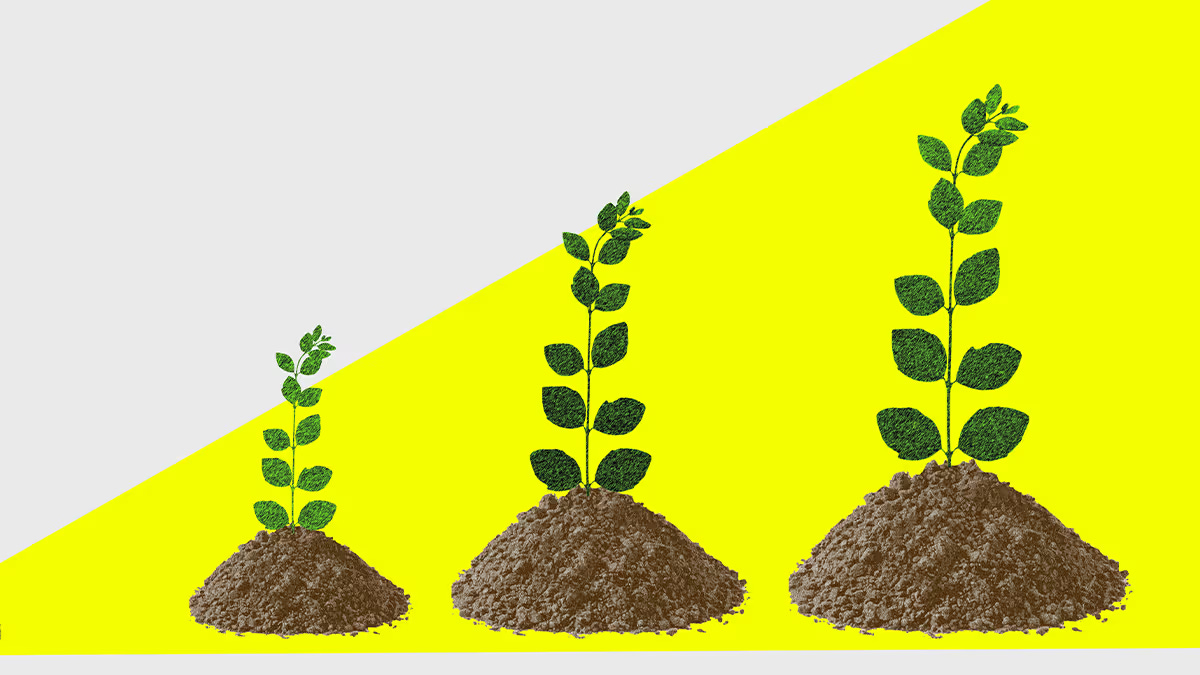
When you’re building, every project is a creative problem. New challenge, new interesting thing to figure out. You get to stay in exploration mode indefinitely. But scaling means systematizing. It means doing the same thing well, over and over. It means building processes instead of products, becoming a business instead of a person who makes things.
Most of us became makers precisely because we wanted creative problems, not operational ones. AI was supposed to free us from the boring parts. Instead, it has revealed an uncomfortable truth: the boring parts—the repetition, the systems, the doing-it-again—are actually what separate a hobby from a livelihood. You can’t automate your way out of the discipline that sustainability requires.
There was a time when the best startup advice was “do things that don’t scale.” Personally onboard every user. Send handwritten notes. Get on the phone with frustrated customers. Do the scrappy, inefficient, deeply human work that builds something real before you systematize it.
That wisdom has been largely abandoned. AI tools promise to skip straight to scale—why do things manually when you can automate from day one? Why build relationships when you can build funnels? The pressure now is to grow fast, capture the market, optimize everything from the start.
But look at what this approach has produced. The biggest marketplaces have become extractive machines. Shopify takes its cut while merchants race each other to the bottom on price. Upwork turned skilled work into a global bidding war where the platform wins and everyone else loses. Faire promised to help independent retailers but now squeezes margins from both sides. Airbnb transformed neighborhoods into hotel inventory and housing into speculation.
By investor metrics, these platforms scaled beautifully. Revenue up, take rate up, growth up. But they stopped serving the people they were built for. Vendors get squeezed. Consumers get manipulated. The platform extracts value instead of creating it. This is what scale without intention becomes: growth that benefits the system at the expense of the humans inside it.
I’ve been paying attention to the businesses that resist this pattern—the ones that stayed small on purpose. The design studio capped at five people. The consultant who takes three clients a year and does transformative work for each. The restaurant that never opened a second location. These businesses kept their soul precisely because they didn’t scale the way we’re told to. The constraint was the product. The intimacy was the point.
I’ve also been noticing what happens when I step away from AI tools entirely. Lately I’ve found myself drawn to skills that can’t be shortcut: dance classes, working toward a Pilates certification, Dutch lessons that humble me weekly. These require showing up in your body, in real time, over and over. There’s no prompting your way to fluency. No generating your way to strength.
What these slow pursuits have taught me is what mastery actually requires—the plateau where nothing seems to improve, the breakthrough that only comes after, the patience to trust a process you can’t see. AI tools trained us to expect immediate output, visible proof of progress. But the most important things don’t work that way. Relationships don’t shortcut. Taste doesn’t shortcut. Judgment doesn’t shortcut. The wisdom that comes from years of doing something—no tool compresses that.
Here’s where I’ve landed.
The problem isn’t scale itself. The problem is that we’ve confused scale with speed, and speed with success. We’ve let AI tools convince us that because we can grow fast, we should grow fast. But the founders I know who are actually thriving aren’t the ones who scaled quickest. They’re the ones who got clear on what kind of scale they actually wanted.
Small scale is still scale. Two clients instead of one. A process you don’t have to reinvent every time. A few assets that work while you sleep. Saying no to work that doesn’t fit. This isn’t failure to grow—it’s growth that doesn’t require becoming someone else.
The question worth asking isn’t “how do I scale?” It’s “what’s the smallest version of scale that would actually change my life?” Not the version that requires venture funding and a team of fifty, but the version that lets you keep doing work you care about without the constant anxiety of finding the next thing.
AI made building easy. But building was never the hard part. The hard part is the patience to let something grow at the pace it actually needs—and the clarity to know what kind of growth you’re even after.
That can’t be automated. And maybe that’s the point.
I write about building with AI while trying to keep your creative voice intact. If you’re navigating similar questions—about scale, about craft, about what it means to build something sustainable in this strange new era—I’d love to hear from you.
No posts
Comments
Nothing yet. Say the first thing.
Sign in to join the conversation.