
Welcome to another instalment exploring essential leadership development and soft skills. In this article, we delve into the critical role of Tools and Processes in fostering effective team dynamics. Just as motivation drives us, the right tools and processes pave the way for successful outcomes. Without them, we risk an inconsistent environment, hindering our ability to achieve replicable success.
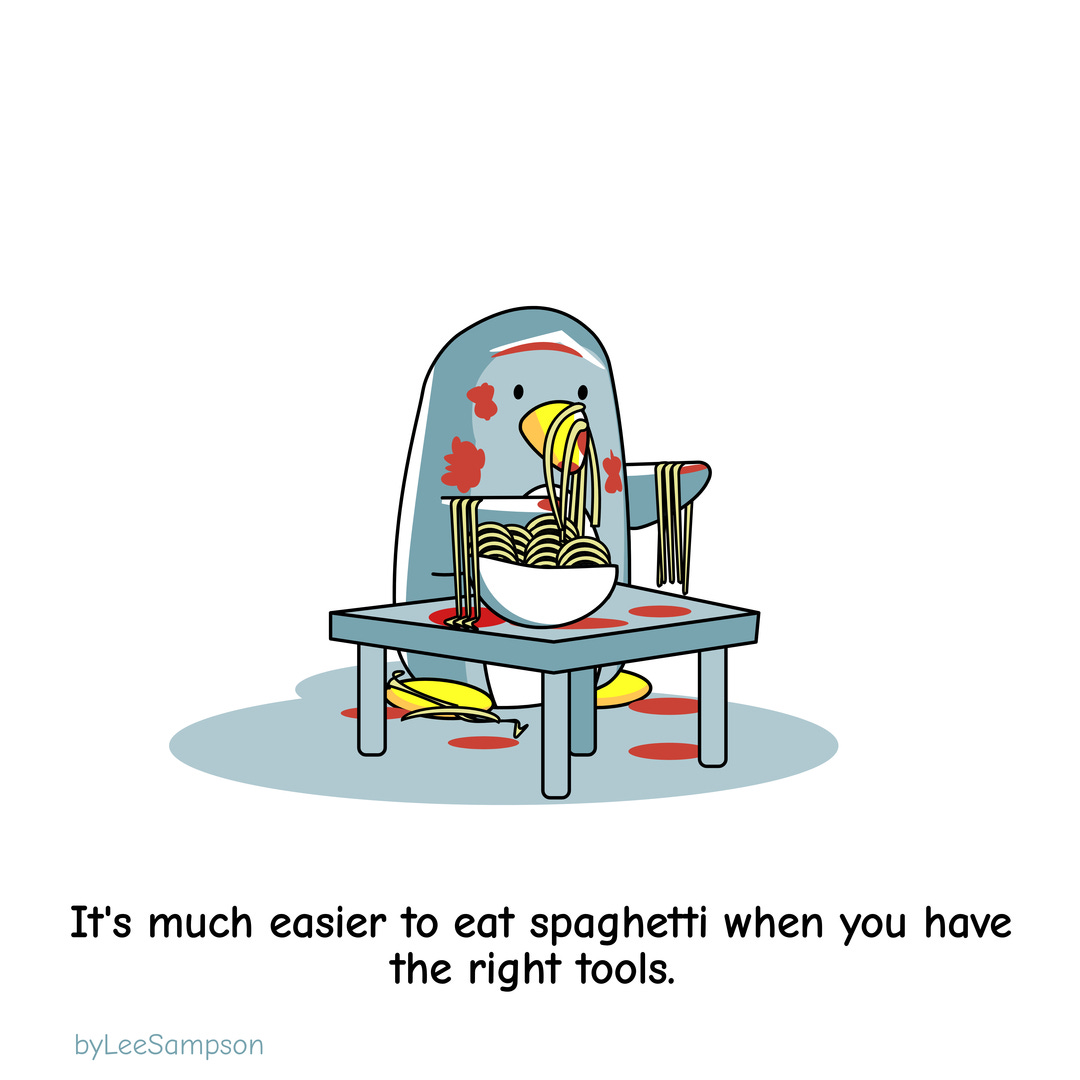
Equipping a team with the right tools and processes is a fundamental step towards achieving any goal. Imagine handing a team a bowl of spaghetti to eat without cutlery; it’s doable but messy, inconsistent, and leads to individual workarounds. This is the reality when we fail to provide adequate frameworks
The Limitations of Tools and Metrics
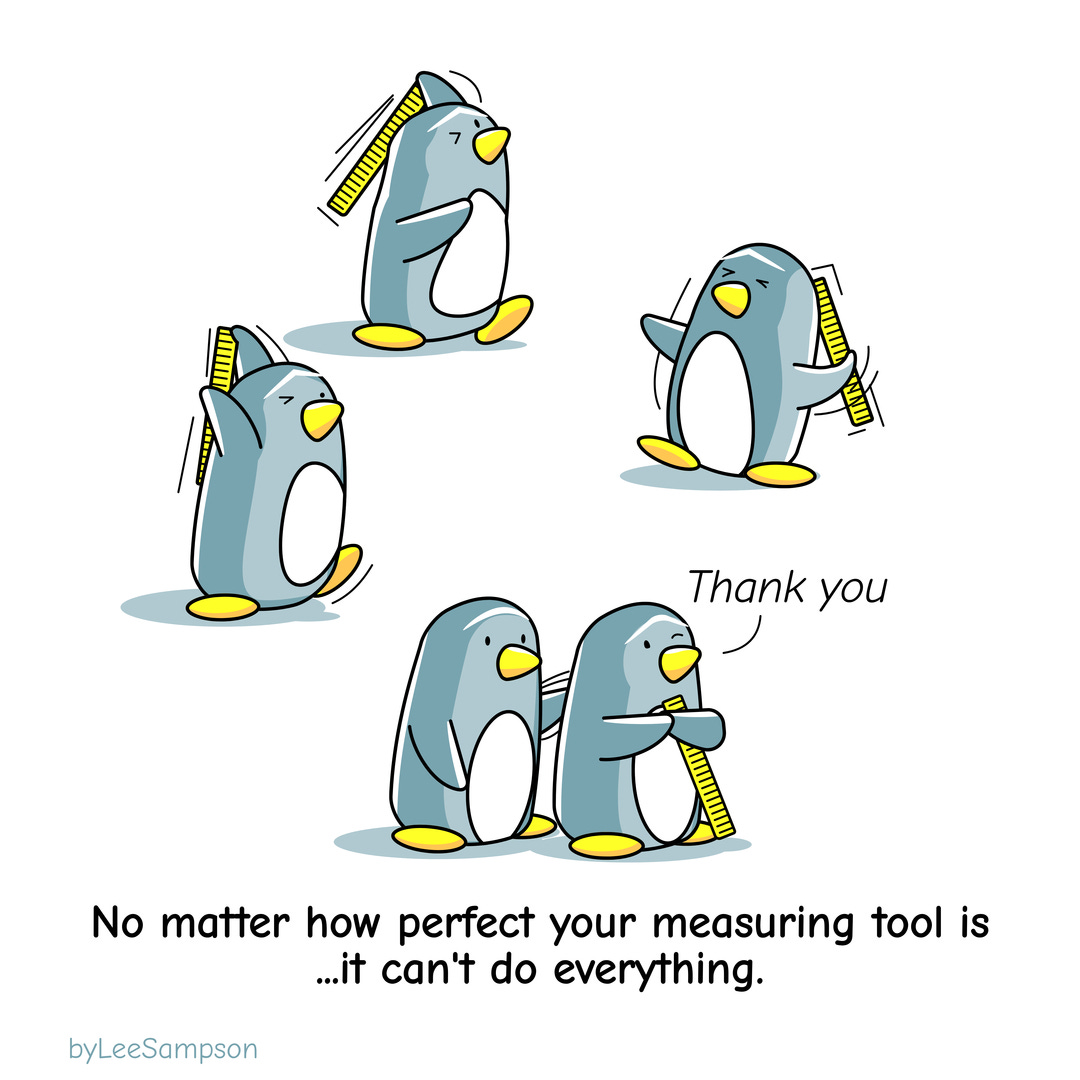
In our modern business environment, we have access to a myriad of tools and metrics. However, without the human touch, these tools fall short. Even the most perfect measurement tool has limitations. As leaders, we have a unique opportunity to model methodologies and mindsets, passing on valuable skills.
Embracing collaborative problem-solving through tools like the "Five Whys" or “Ishikawa/Fishbone” diagrams helps us gather information for informed decisions. It's not the problem itself, but our response that defines us. A good framework provides support, consistency, and a better user experience.
Addressing Root Causes, Not Just Fixing Symptoms
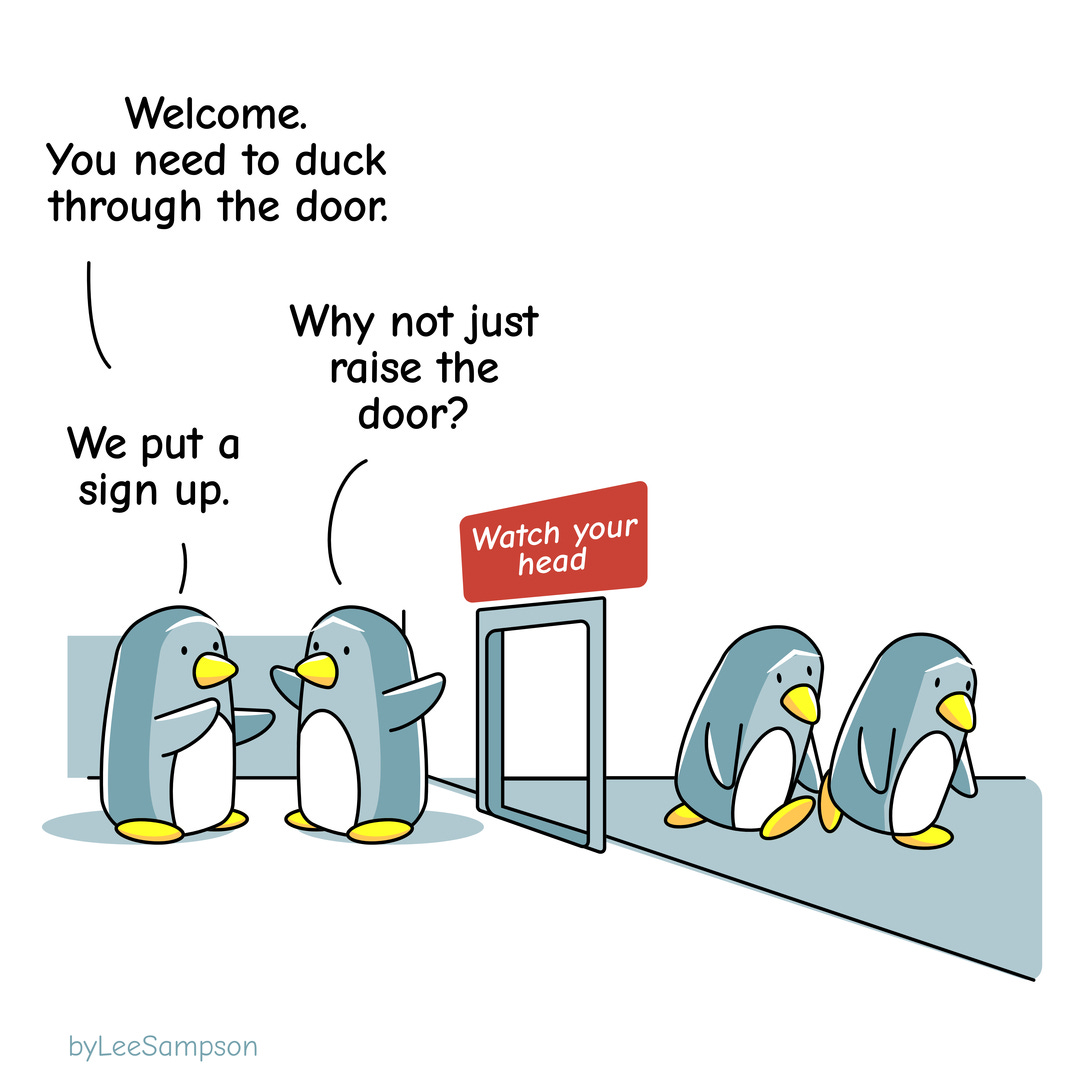
We are often guilty of "putting the ambulance at the bottom of the cliff," addressing problems only after they arise. Ignoring root causes leads to recurring issues.
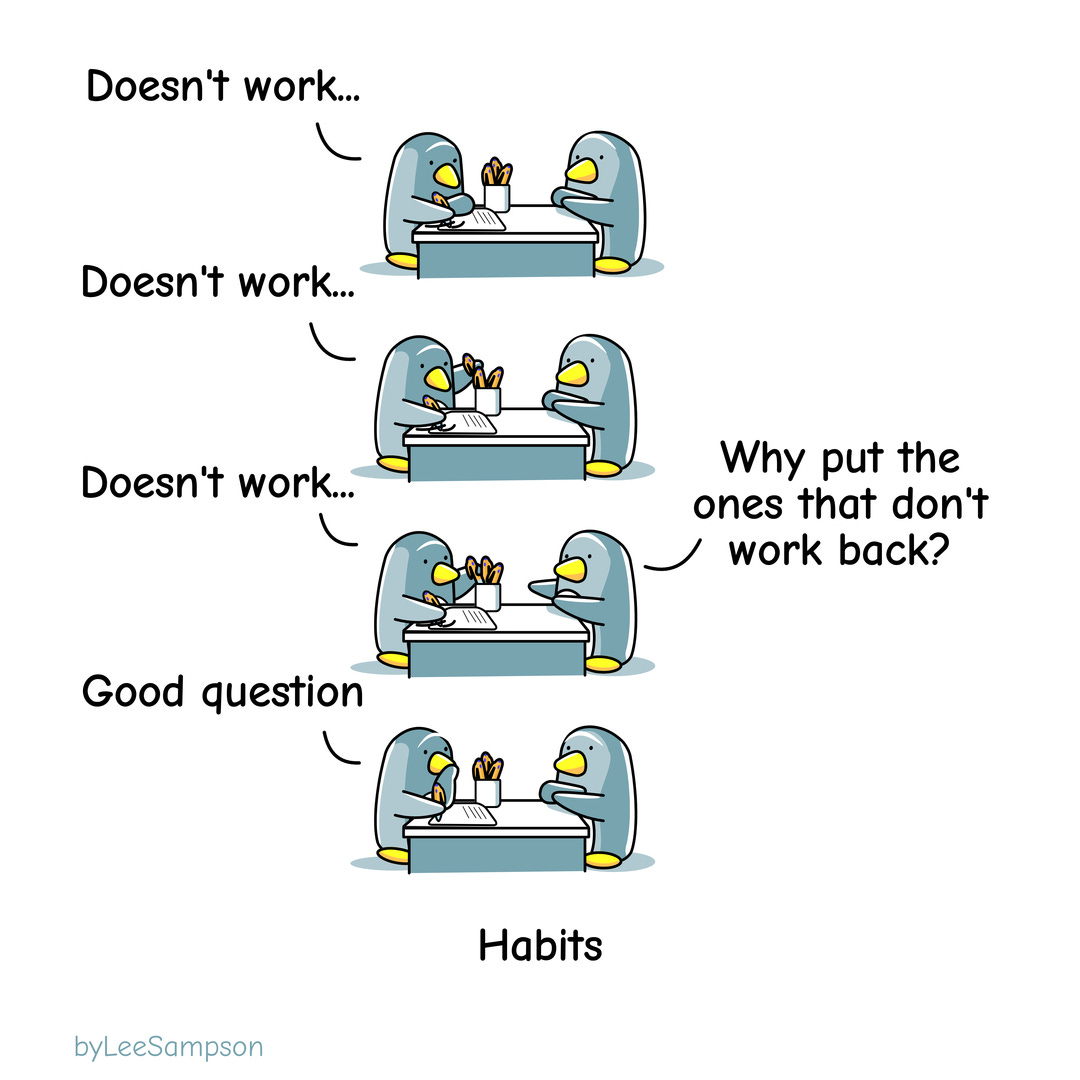
The danger of workarounds is that "Plan B" can become the default. This can lead to habituated processes that prevent us from being at our best. Time spent digging into the root cause of recurring issues is more valuable than temporary fixes.
Leaders need to develop and share strategies that balance fighting fires quickly while uncovering why they are starting to find meaningful solutions that benefit everyone.
Process Improvement: The Foundation of Efficiency
A good process improvement strategy matters as much as good tools. Investing in the right environment is futile without effective training and processes, and a feedback loop to ensure it delivers what is intended.
Consider the simple act of buttoning clothes. We understand through experience the importance of process improvement when we align the first button with the first buttonhole to save time and frustration. Yet, at a team or organizational level, without a coherent and intentional focus on identifying and reporting inefficient processes, or waste, a lack of ownership can occur.
A well-documented, regularly reviewed process ensures consistency. As a leader, try the process yourself and schedule regular reviews with users.
Visual Management: The Team Scoreboard
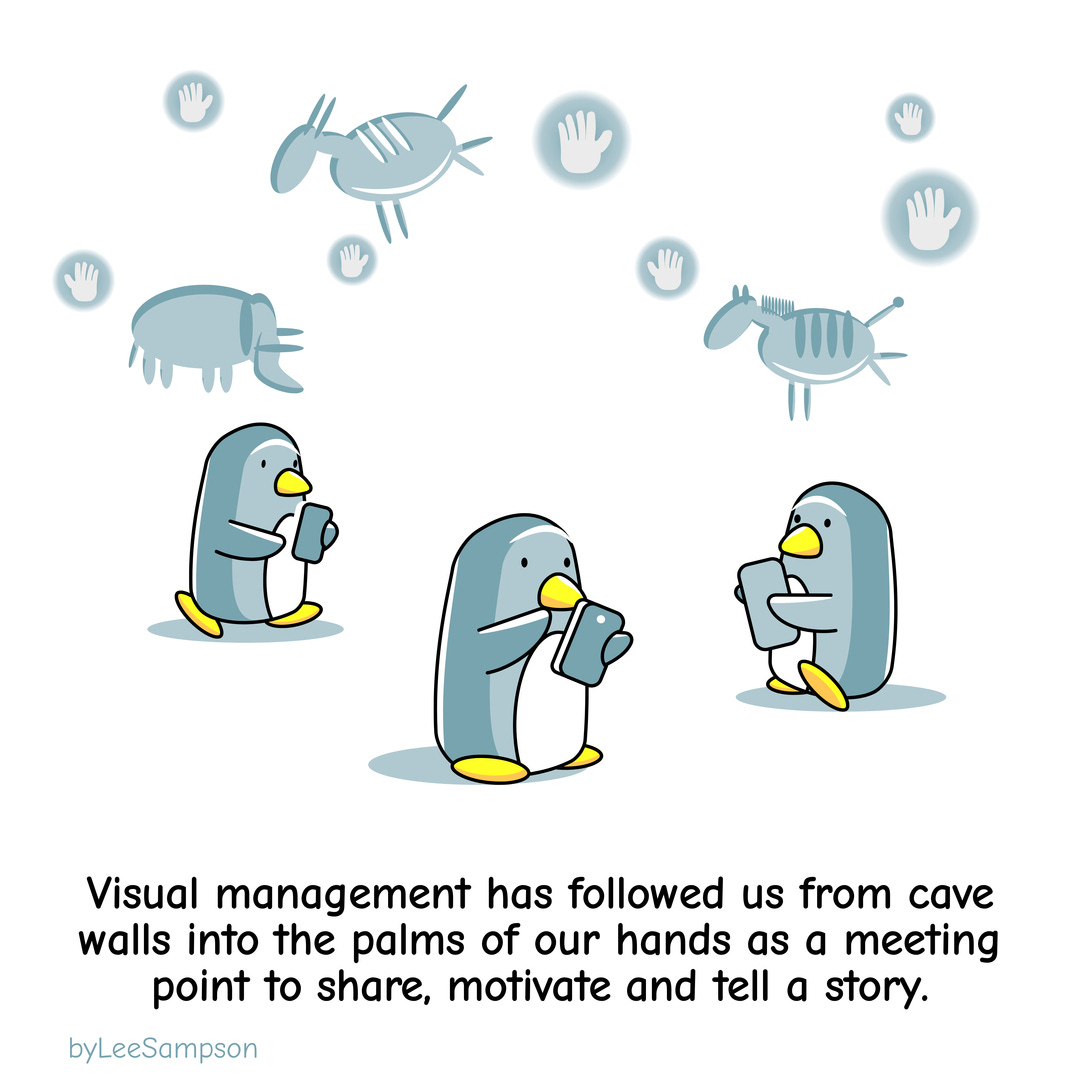
We have a natural inclination to label, rate, and rank. There are sound business rationales behind this, such as performance tracking and goal setting. However, there's a delicate balance to maintain. When visual management becomes a tool for individual ranking and public shaming, it can transform a team dynamic in detrimental ways.
For some, seeing their names in lights is a source of motivation, a public recognition of their achievements. But for others, those same lights serve as a constant reminder of their perceived shortcomings, creating anxiety and discouraging them from taking risks. This is especially true when visual management systems focus solely on individual performance without considering the broader team context.
When visual management is used to publicly rank individuals, it shifts from being a tool for team cohesion to one that fosters competition and fear. It becomes a name and shame board, potentially leading to resentment, decreased collaboration, and a toxic work environment.
Effective visual management should:
Serve as a signpost for the team
Provide clear, transparent, and objective information about progress towards shared goals
Foster a sense of collective ownership and encourage collaboration, rather than creating a culture of individual competition
Thinking Styles As Different Tools

We are all the same, yet profoundly different. Our experiences and the lessons we draw from them shape our unique perspectives on the world. This diversity is a strength, but it also means that a one-size-fits-all leadership approach to learning, development, and communication will inevitably fall short. To truly bring out the best in every individual, we must understand and appreciate these differences.
Here are two key strategies to help leaders, individuals, and teams embrace and leverage diverse thinking styles:
Acknowledge and Value Individuality: As a leader, recognise that your role isn't to mould everyone into your own image. Embrace the fact that your team members are not "failed versions" of you, but individuals with unique strengths and perspectives.
Explore Thinking Style Tools: Dedicate time as a team to explore tools like Myers-Briggs or similar assessments. These tools provide a framework for understanding diverse thinking styles and create a shared language for appreciating our differences. They highlight the value of cognitive diversity and foster a more inclusive and collaborative environment.
Ultimately, if your goal as a leader is to help individuals grow and realise their full potential, you must begin by understanding them. By using tools that help us understand others' thinking styles, we can create a more inclusive, effective, and harmonious team environment.
Common Sense: The Ultimate Calibrator
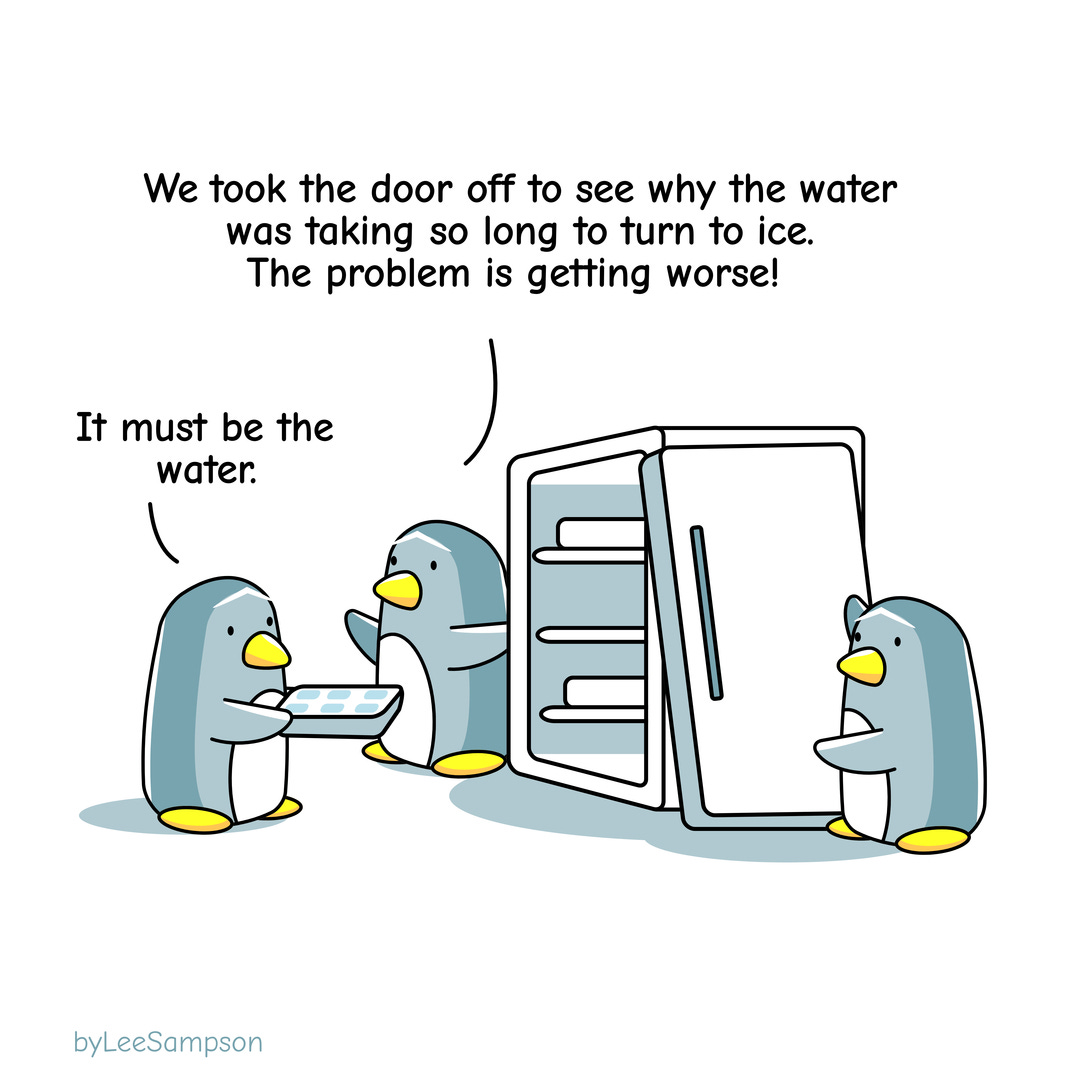
And finally, one of the best tools any leader can apply is common sense. It's a gift to have it, a crime not to use it, and important to calibrate it with the team.
Because when process wins over common sense, you lose the support and hearts of everyone involved.
When you trust the team and share all of the facts used in the decision process, it helps build the connections that make it possible to calibrate what common sense looks like.
In Summary
In this article, we've explored the critical role of tools and processes in fostering effective leadership and team dynamics. By emphasizing the importance of balancing structured frameworks with the human touch, we can create environments that support growth and success. From addressing root causes to leveraging diverse thinking styles, and the application of common sense, leaders can build cohesive and high-performing teams. Effective visual management and thoughtful process improvement are not just about efficiency, they're about creating a culture where everyone feels valued and empowered.
As I continue this 20-week series, exploring all aspects of the "Leadership Wheel", I hope you will join me on this journey. I encourage you to consider how you can implement these ideas into your leadership style, and take the time to create a sense of unity in your teams.
You can find my book, “The Illustrated Guide to Leadership Soft Skills” on Amazon, where you will find these ideas and more, and over 500 illustrations to help you navigate the often difficult world of leadership.
Author and Illustrator Lee Sampson uses a people-centric approach and creative vision to make leadership development accessible and enjoyable. Inspired to illustrate over 1,000 Penguin cartoons on LinkedIn, Lee believes that we all have the potential to change our world for the better, by starting from the inside out.
Disclaimer: This article has been created using insights from my book, “The Illustrated Guide to Leadership Soft Skills”. I have used my expertise combined with the capabilities of AI, which has helped me refine this version to improve readability.
Comments
Nothing yet. Say the first thing.
Sign in to join the conversation.