
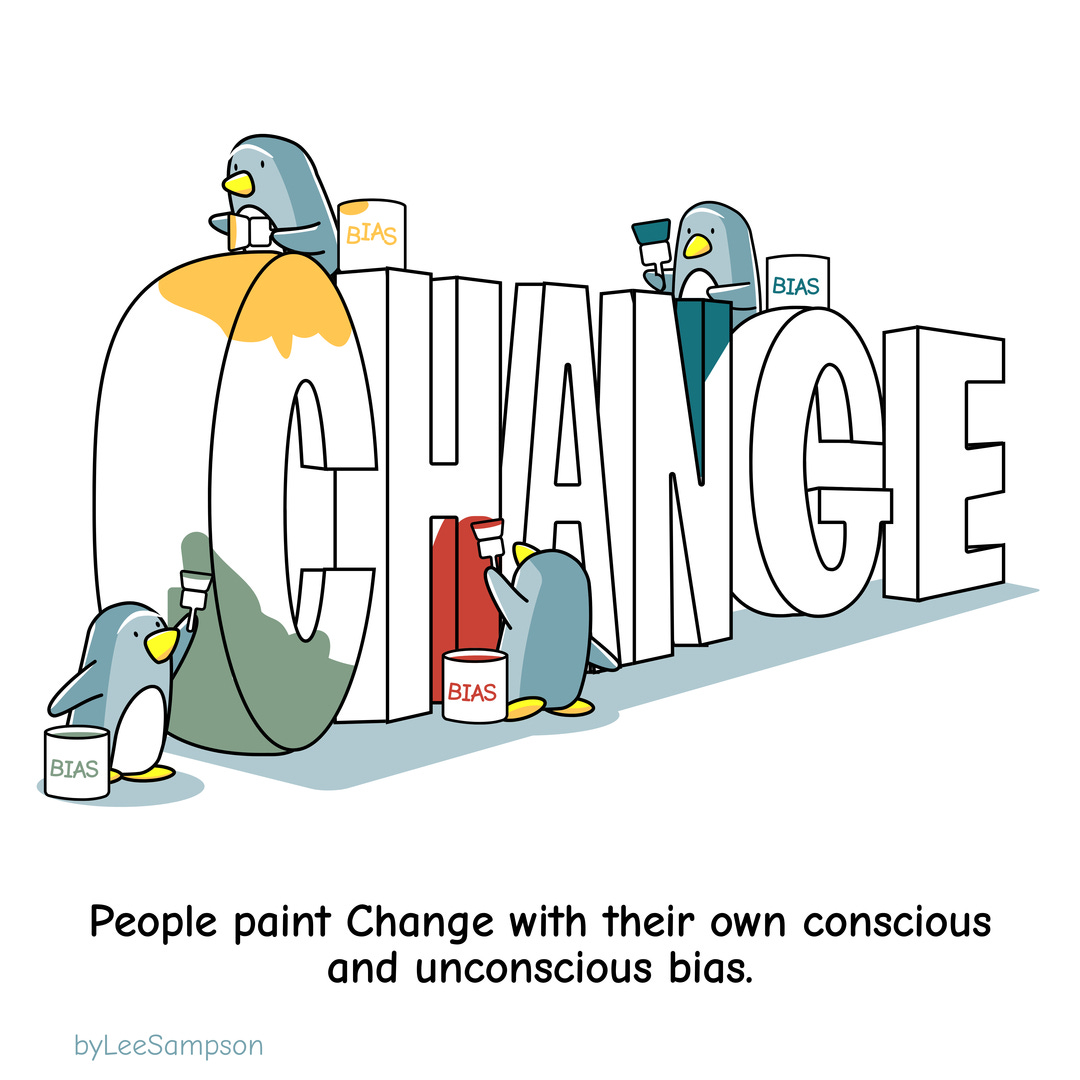
Welcome to another instalment exploring essential leadership development and soft skills. In this article, we delve into the critical role of leadership in navigating change.
We've all been there. The change initiative is announced, the new system is being rolled out, and change managers and project managers arrive with timelines and training schedules.
But here's the thing: change isn't just about processes and systems; it's fundamentally about people. And that's where leadership matters.
All Aboard The Change Train
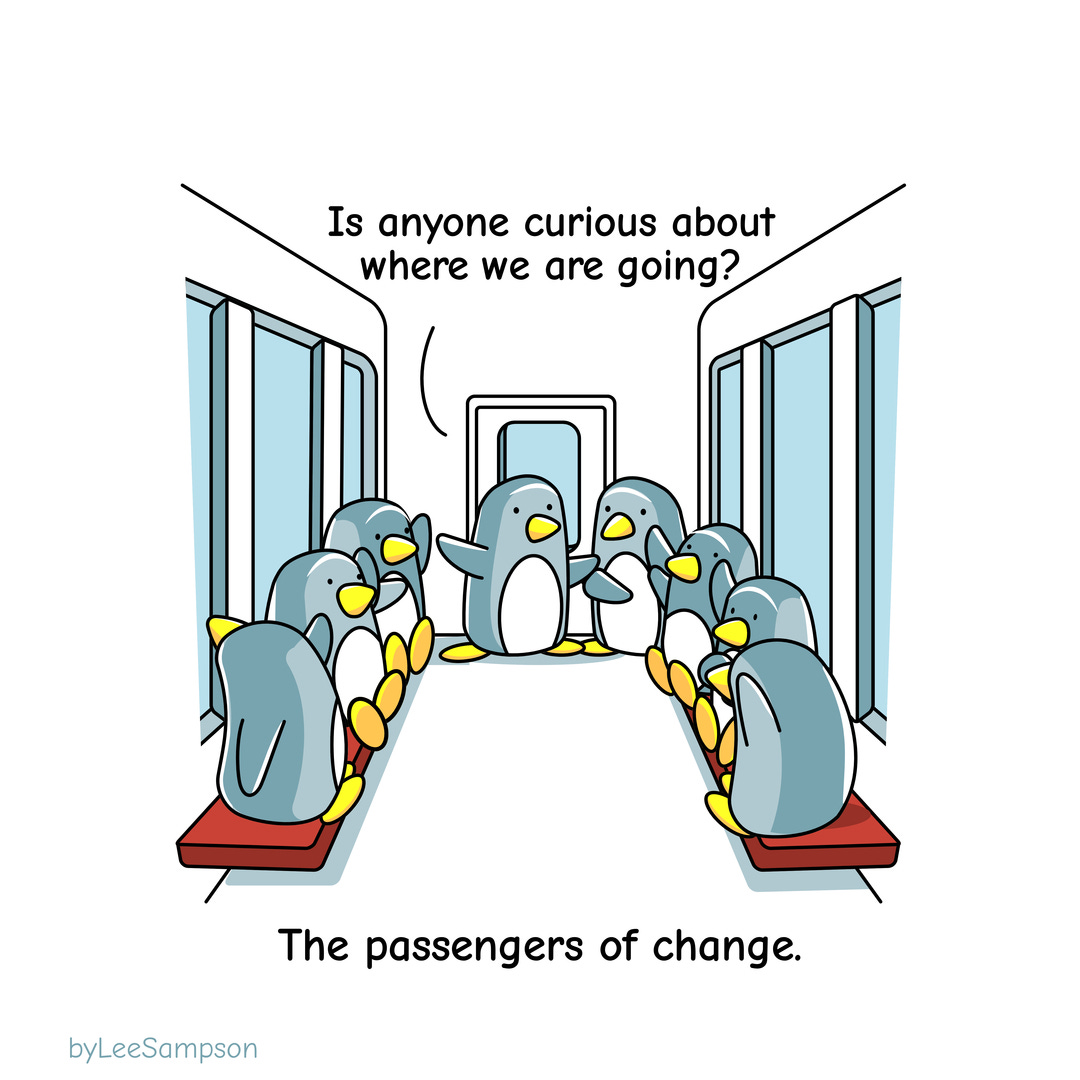
Think of it like a train journey. The destination has been picked, the tracks are laid, and the team are boarding. However, don't assume they're "on board" just because they're on the “change train”. Leaders are crucial in ensuring that these initiatives don't derail.
Beyond Checklists: Emphasising the Human Element of Change
Project and change managers are essential for the ‘how’ of change: the logistics, the timelines, and the technical details. However, leaders need to share the ‘why’ load.
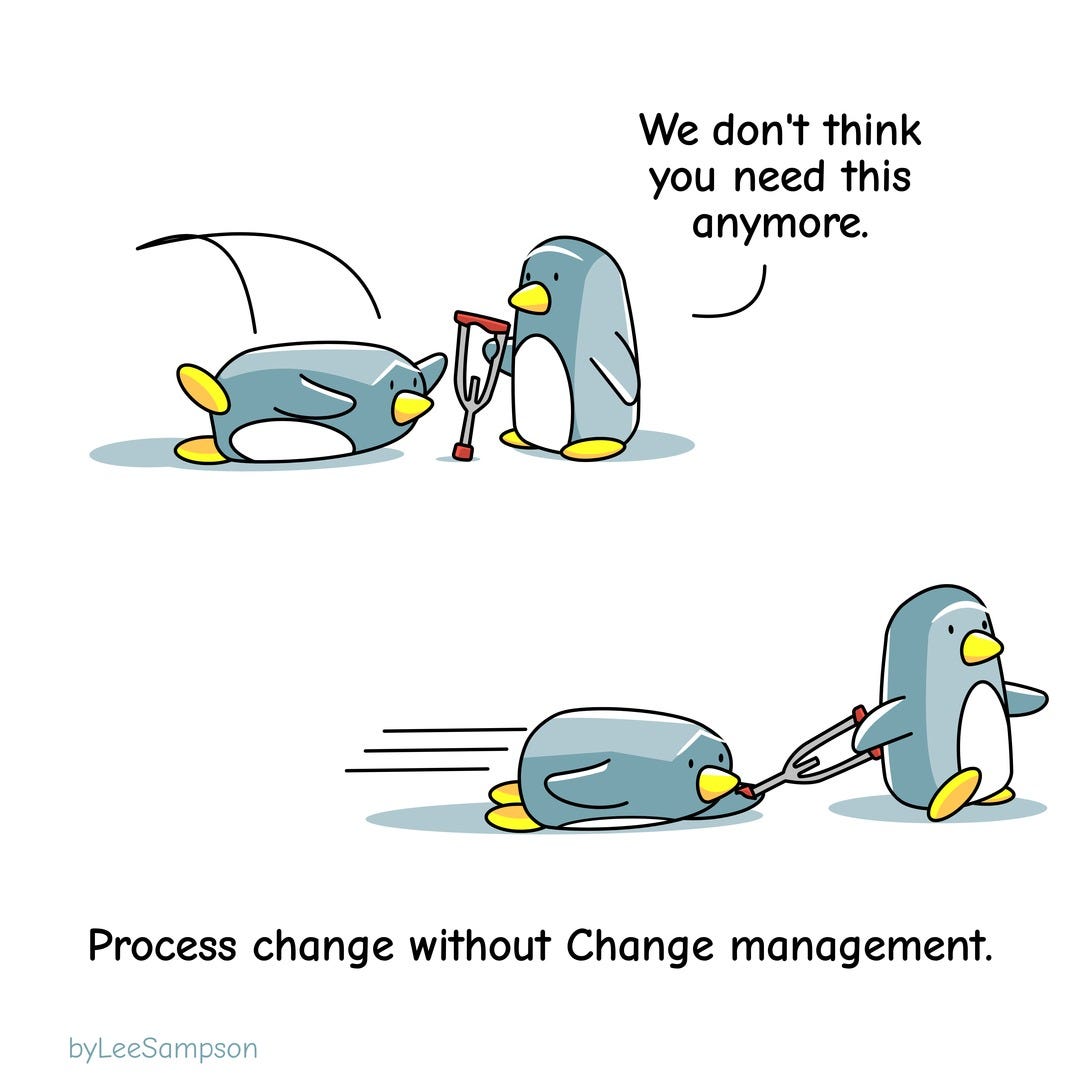
Ignoring the human element of process change will “garner a very human response.”
Here's why change initiatives might stumble:
Assumption is the enemy: It's a mistake to assume everyone has the same information, understands the process, or will react the same way.
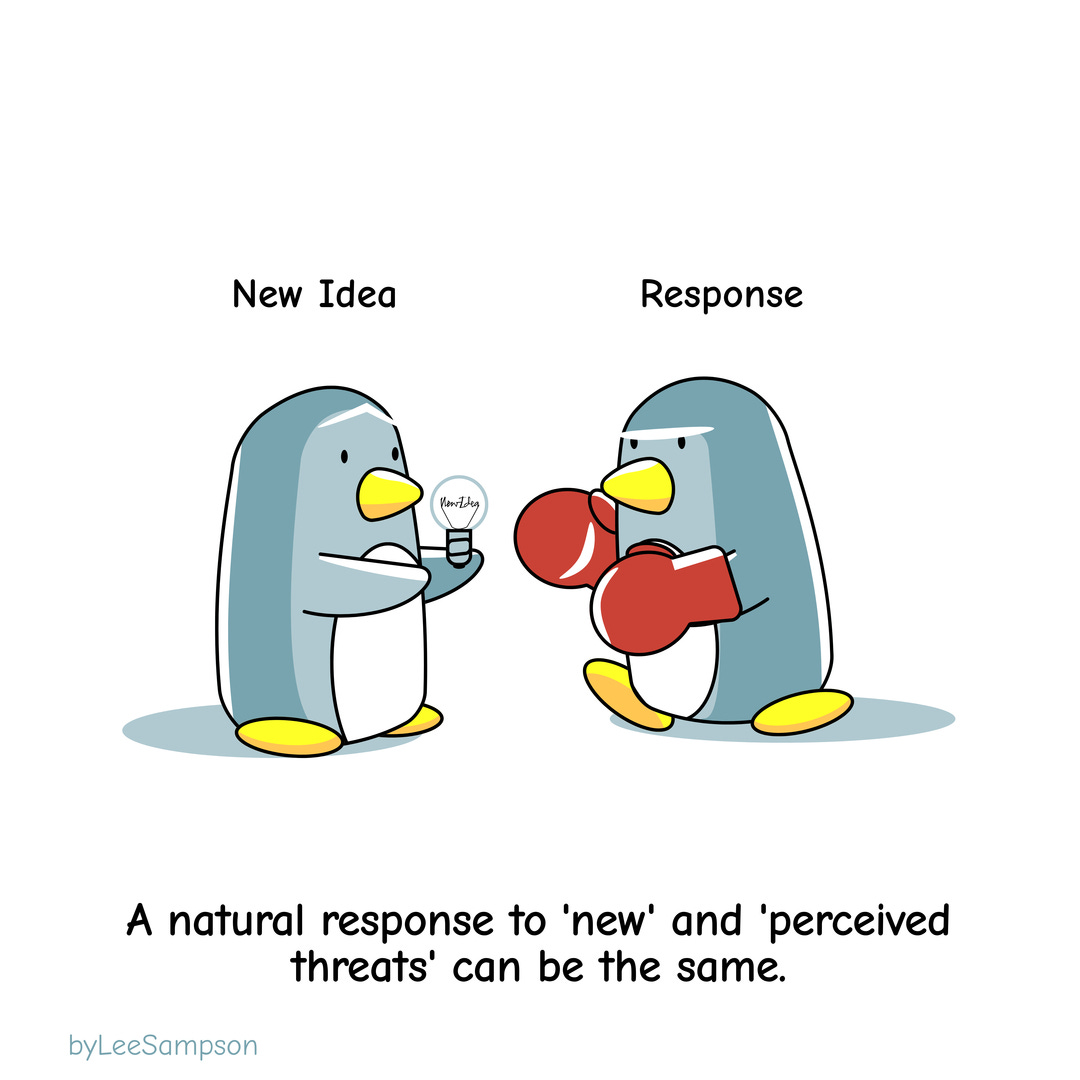
Change = Perceived Threat: New experiences can trigger a threat response. We need to acknowledge and address the underlying fears and concerns. Understanding the team's "rubber bands" – what keeps them from moving forward – is essential for meaningful change.
It's more than “Go-Live”: Rolling out change isn't just about the launch date. Leaders need to be present and visible after implementation to offer support and ensure everyone is on the same page.
Navigating the Change Curve
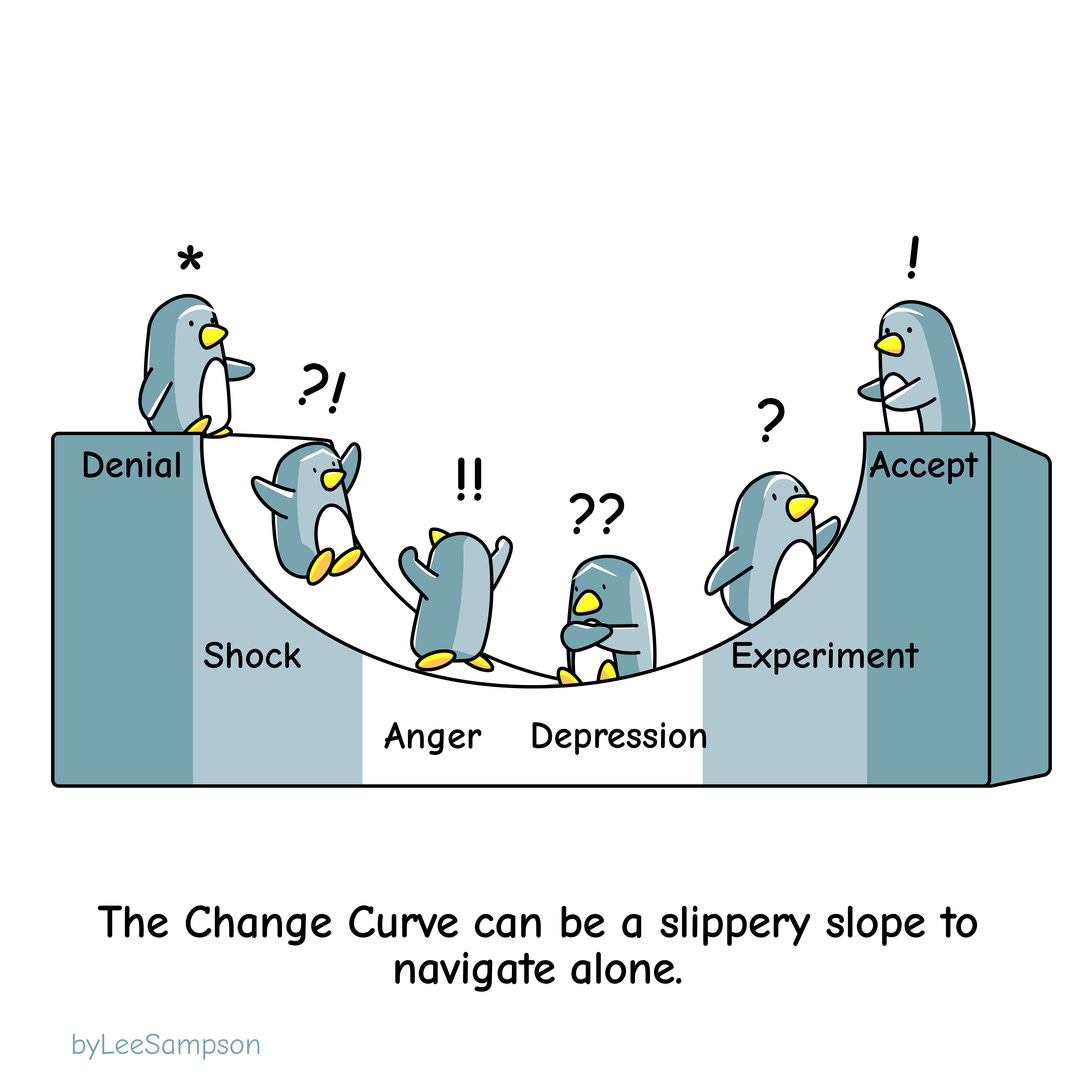
So, what does effective leadership look like during times of change? It's about empathy, communication, and presence. Drawing from my Leadership Wheel methodology, which emphasizes interconnectedness, here are some actionable strategies:
Start with Listening: Successful change involves less time convincing and more time understanding. Prioritize listening to your team's concerns, both individually and collectively.
Collaborate on Plans: Involve your team in developing change plans. This fosters ownership and reduces resistance.
Establish Two-Way Communication: Create feedback loops and consistently check in with individuals. A good change process includes seeking feedback during the process, not just in a post-implementation review.
Be Present and Supportive: "Ride along" with your team during the change journey. Be visible, answer questions, and provide ongoing support.
In Summary:
Change initiatives don't have to be a source of stress and fear. It's about shifting our perspective. Don't simply hand off the process to change managers and project managers. Instead, prioritize the human element by listening to understand your team's concerns, acknowledging and addressing their fears, and being present and visible throughout the entire process.
Ultimately, successful change requires fostering collaboration and open communication. Involve your team, seek their feedback consistently, and create a two-way communication loop. If you're leading a new team, take the time to understand what worked and what didn't in previous changes. By focusing on these human-centred approaches you can guide your team through change with empathy, clarity, and a shared sense of purpose.
As I continue this 20-week series, exploring all aspects of the "Leadership Wheel", I hope you will join me on this journey. I encourage you to consider how you can implement these ideas into your leadership style, and take the time to create a sense of unity in your teams.
You can find my book, “The Illustrated Guide to Leadership Soft Skills” on Amazon, where you will find these ideas and more, and over 500 illustrations to help you navigate the often difficult world of leadership.
Author and Illustrator Lee Sampson uses a people-centric approach and creative vision to make leadership development accessible and enjoyable. Inspired to illustrate over 1,000 Penguin cartoons on LinkedIn, Lee believes that we all have the potential to change our world for the better, by starting from the inside out.
Disclaimer: This article has been created using insights from my book, “The Illustrated Guide to Leadership Soft Skills”. I have used my expertise combined with the capabilities of AI, which has helped me refine this version to improve readability.
Comments
Nothing yet. Say the first thing.
Sign in to join the conversation.