
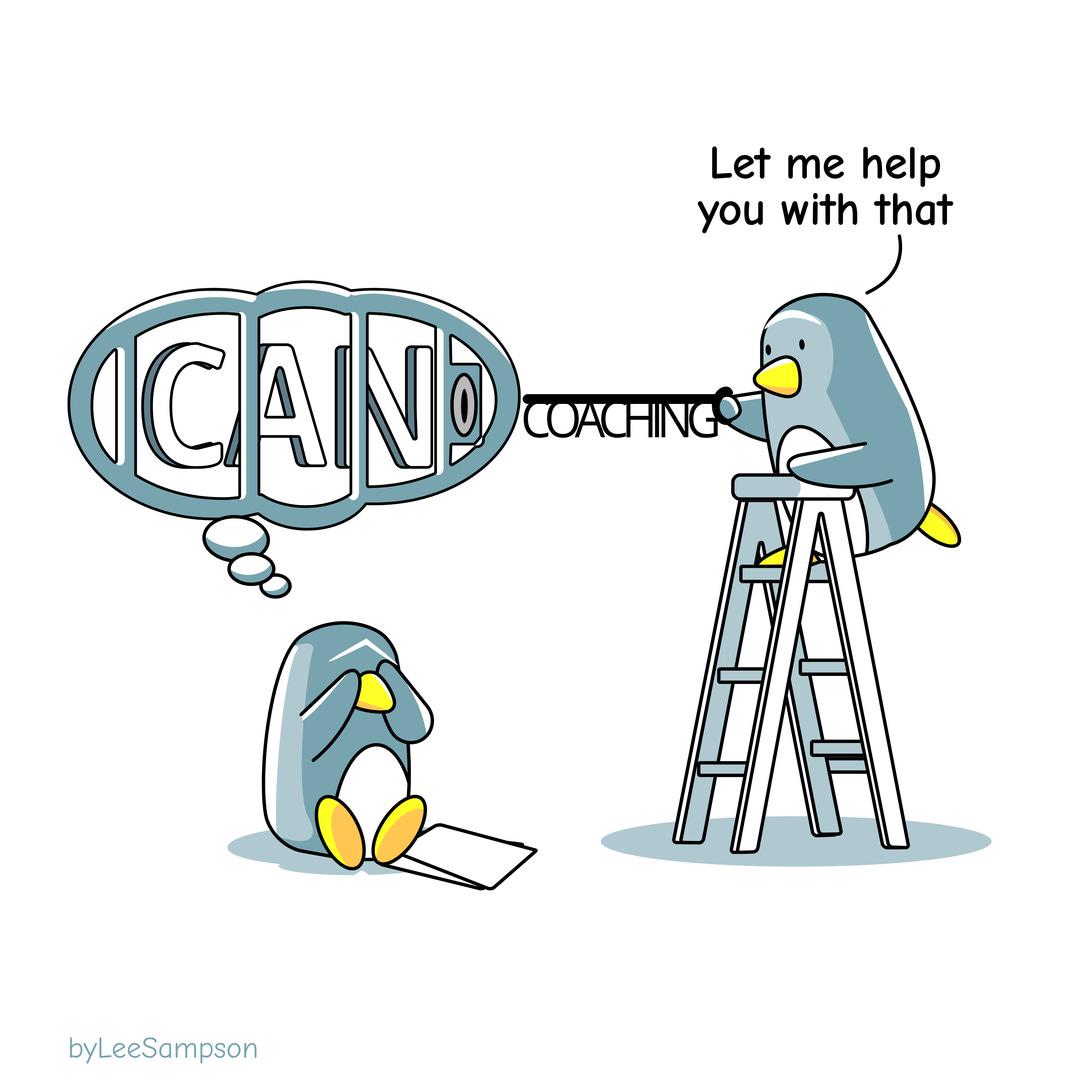
Welcome back to our exploration of essential leadership development and soft skills. In this article, we dive into the power of coaching – a vital tool for unlocking individual potential and driving sustainable team success. As highlighted in my book, "The Illustrated Guide to Leadership Soft Skills," effective coaching goes beyond simply directing; it's about fostering growth and empowering individuals to overcome self-imposed limitations.
A strong coaching methodology is a key ingredient in any high-performing team. Without it, the outcomes of our efforts can become unpredictable and misaligned. By providing consistent, high-quality coaching, we can eliminate much of the guesswork and significantly improve the likelihood of achieving consistently positive results across the team.
What Effective Coaching Is (and Isn't)

It's crucial to understand what effective coaching truly entails. It's not about creating clones or "fixing" people. As my book emphasises, coaching involves curiosity and a genuine desire to help individuals realise their unique potential.
Avoiding the "Clone" Mentality:
People aren't broken versions of ourselves that need to be fixed. Instead, think of each person as a rich tapestry of experiences, many of which are different from our own.
Coaching vs. Criticism:
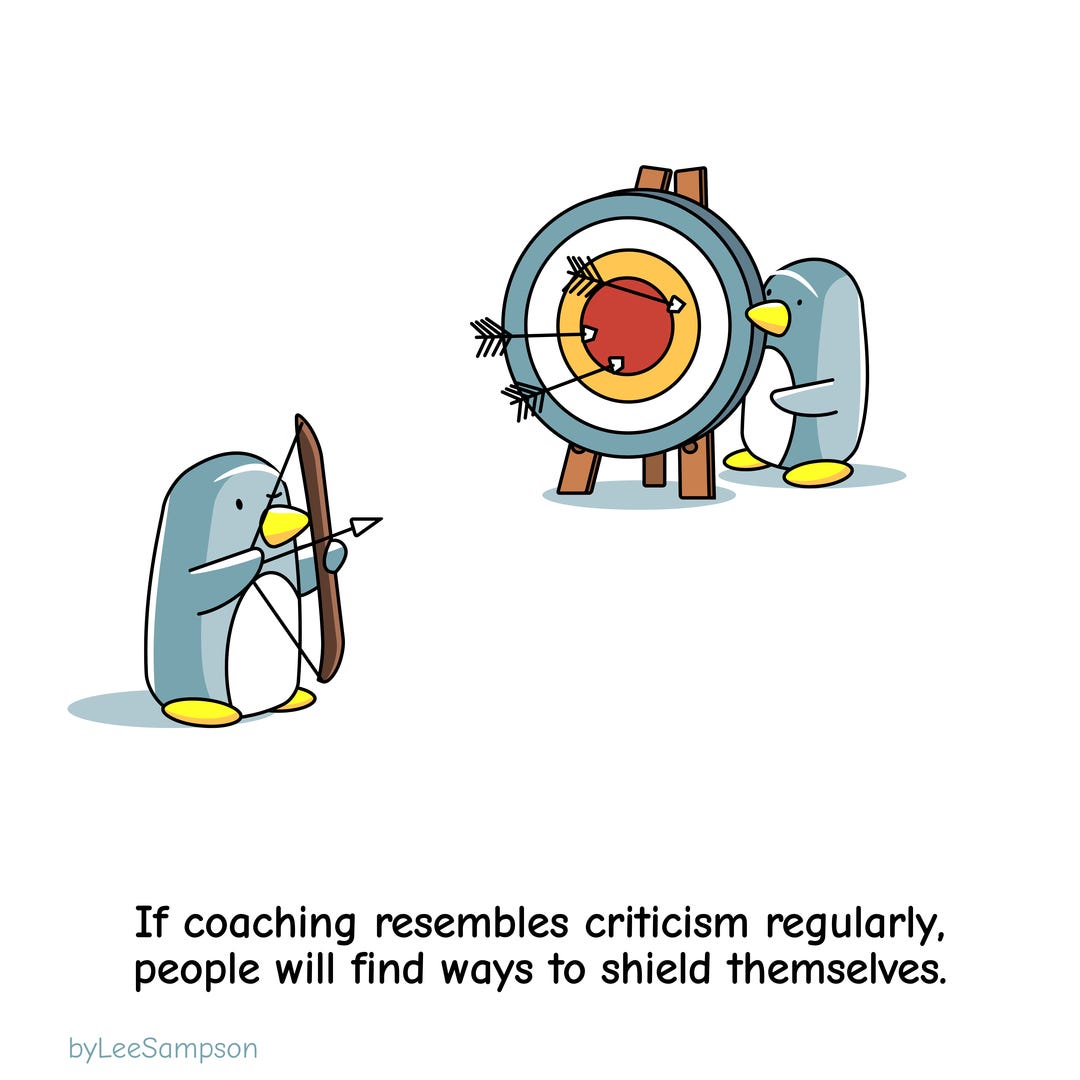
The goal of coaching is not to punish or solely focus on what went wrong. While acknowledging and learning from mistakes is important, dwelling on errors overshadows the opportunity to identify what's needed for future success.
When coaching resembles criticism, it creates a negative environment, and people will develop behaviours to avoid it, hindering the effectiveness of feedback.
Beyond "Catching Out":

It's easy for coaching to default to "catching out" – focusing only on errors.
A sign that you might be falling into this trap is if people start avoiding coaching sessions or if you find yourself doing most of the talking.
The Formula for Effective Coaching
So, what does effective coaching look like? It's about finding the right balance and creating a supportive environment.
Balancing the Ingredients:
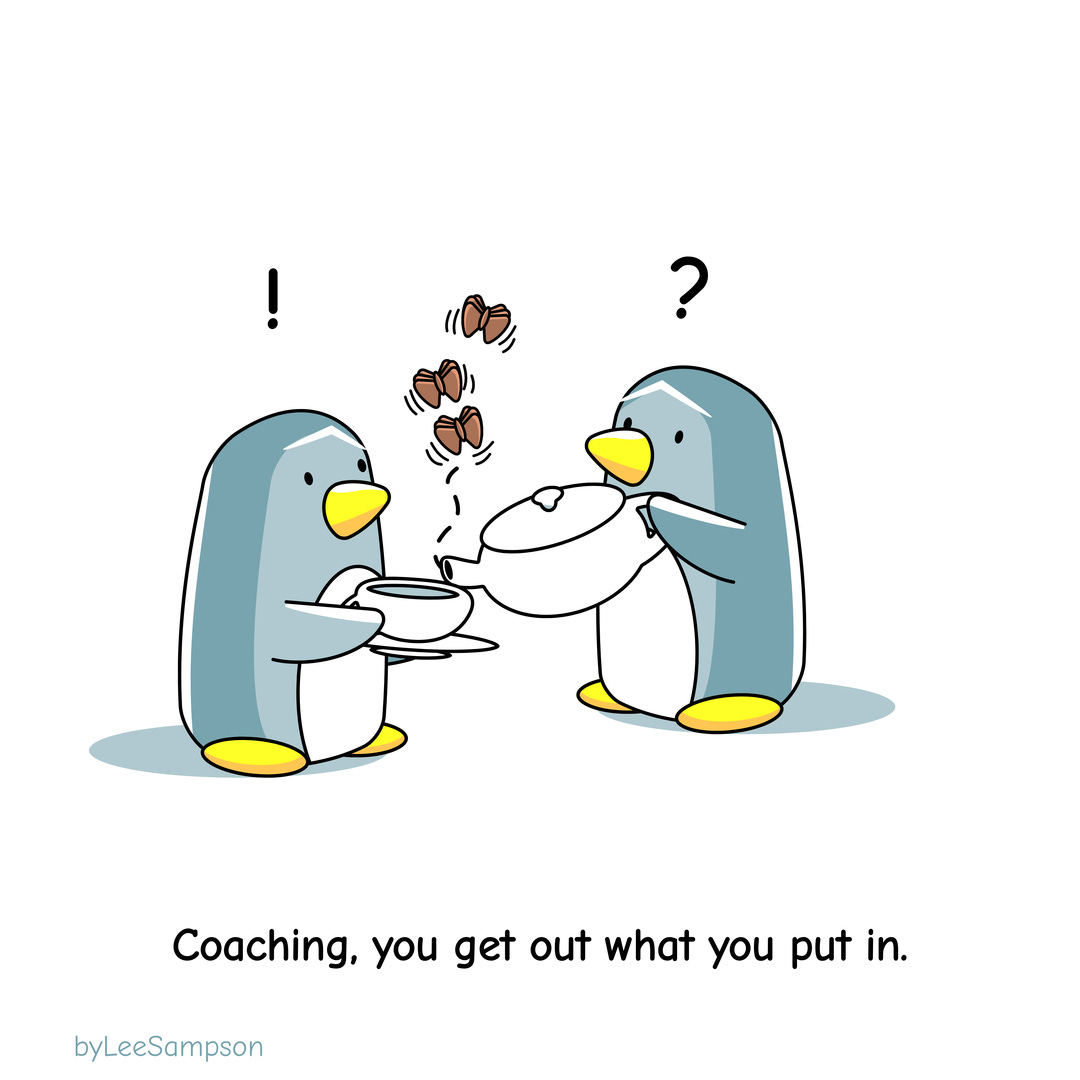
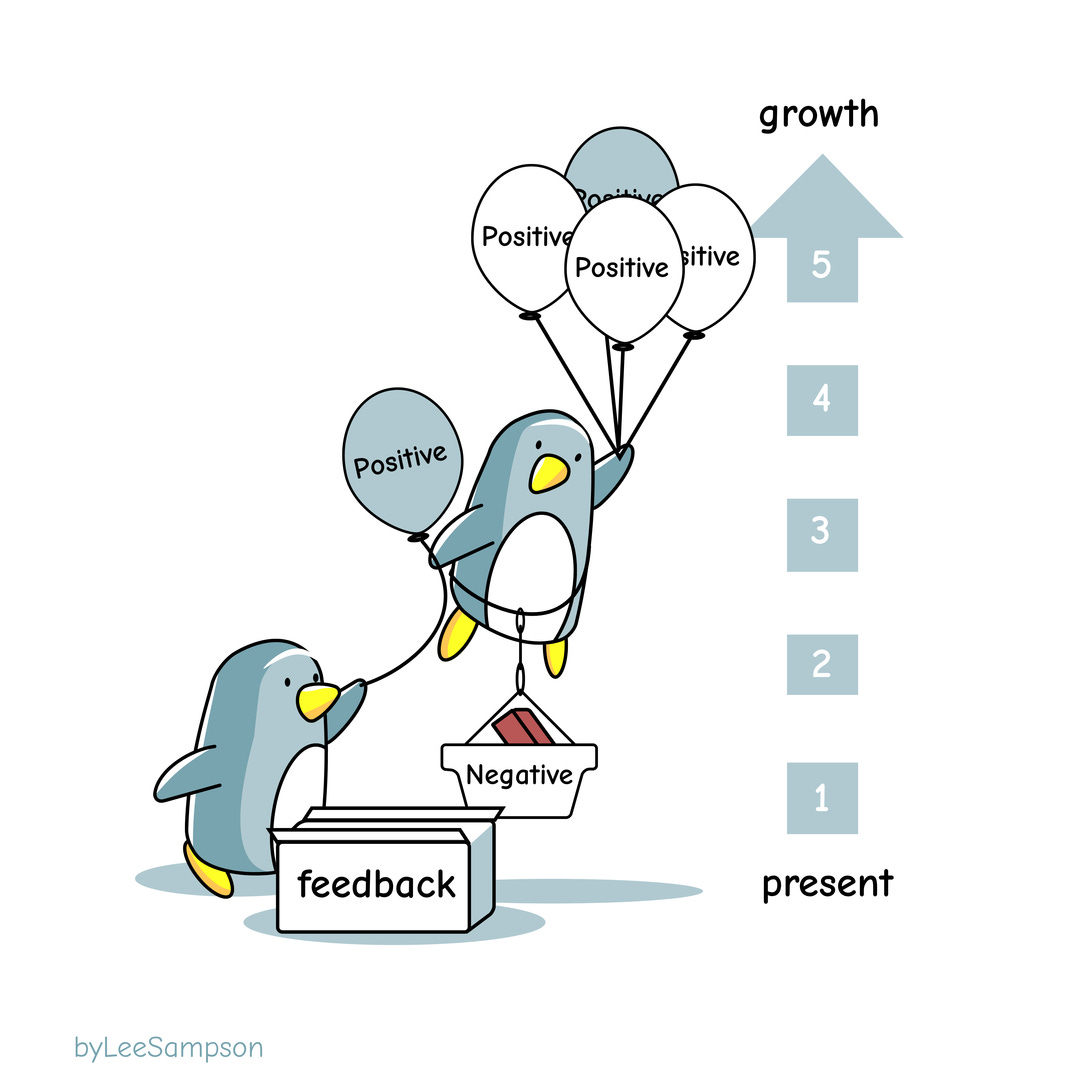
Like brewing a cup of tea or coffee, the proportions of the "ingredients" in a coaching session greatly influence its effectiveness. A key skill for a coaching leader is to dedicate time to acknowledging when the coachee is on the right track and incorporating that into the session.
Nurturing Self-Belief:
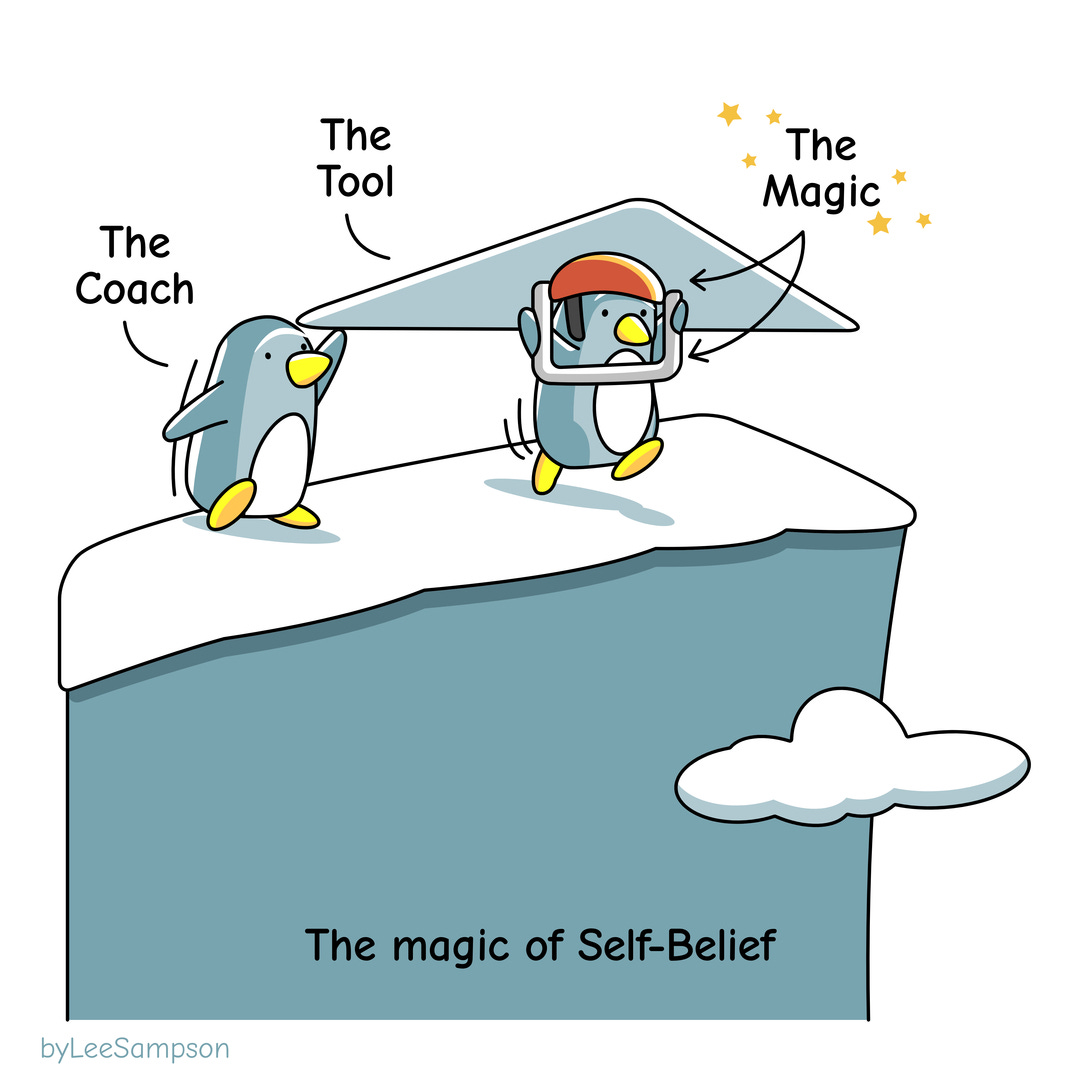
The most rewarding aspect of coaching is helping someone recognise their potential by fostering their self-belief.
While it's tempting to push or nudge, the real victory comes from encouraging individuals to believe in themselves and take that leap of faith.
Cultivating Curiosity:
This requires curiosity, care, and asking questions to understand the "why" behind actions and to help individuals gain a deeper understanding of what might be holding them back.
Creating a Safe Environment:
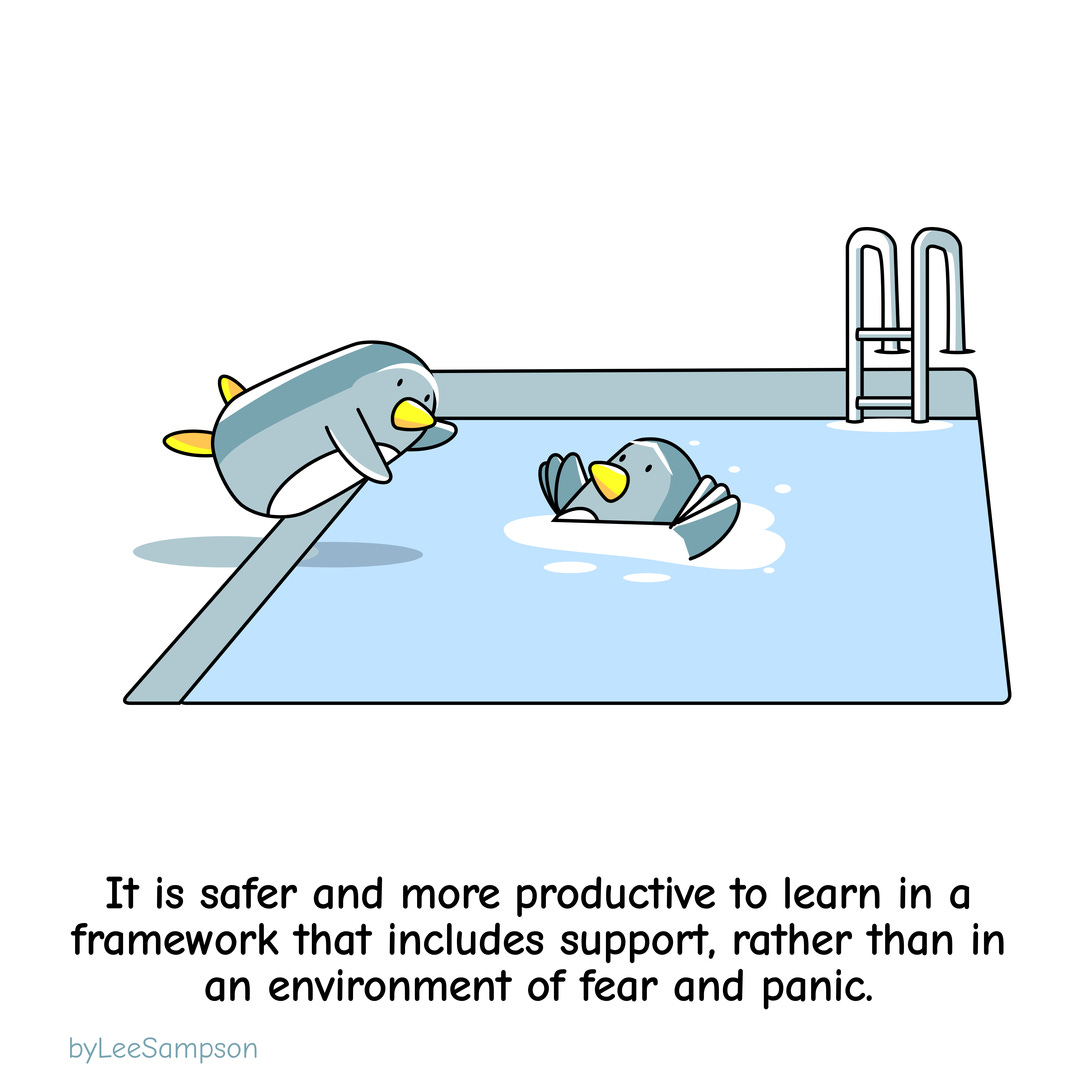
Establishing a safe support system encourages individuals and teams to stretch beyond their comfort zones, opening up new opportunities.
This involves being genuinely curious about their background and journey to gain a deeper understanding of the person being coached.
The Art of Delivery
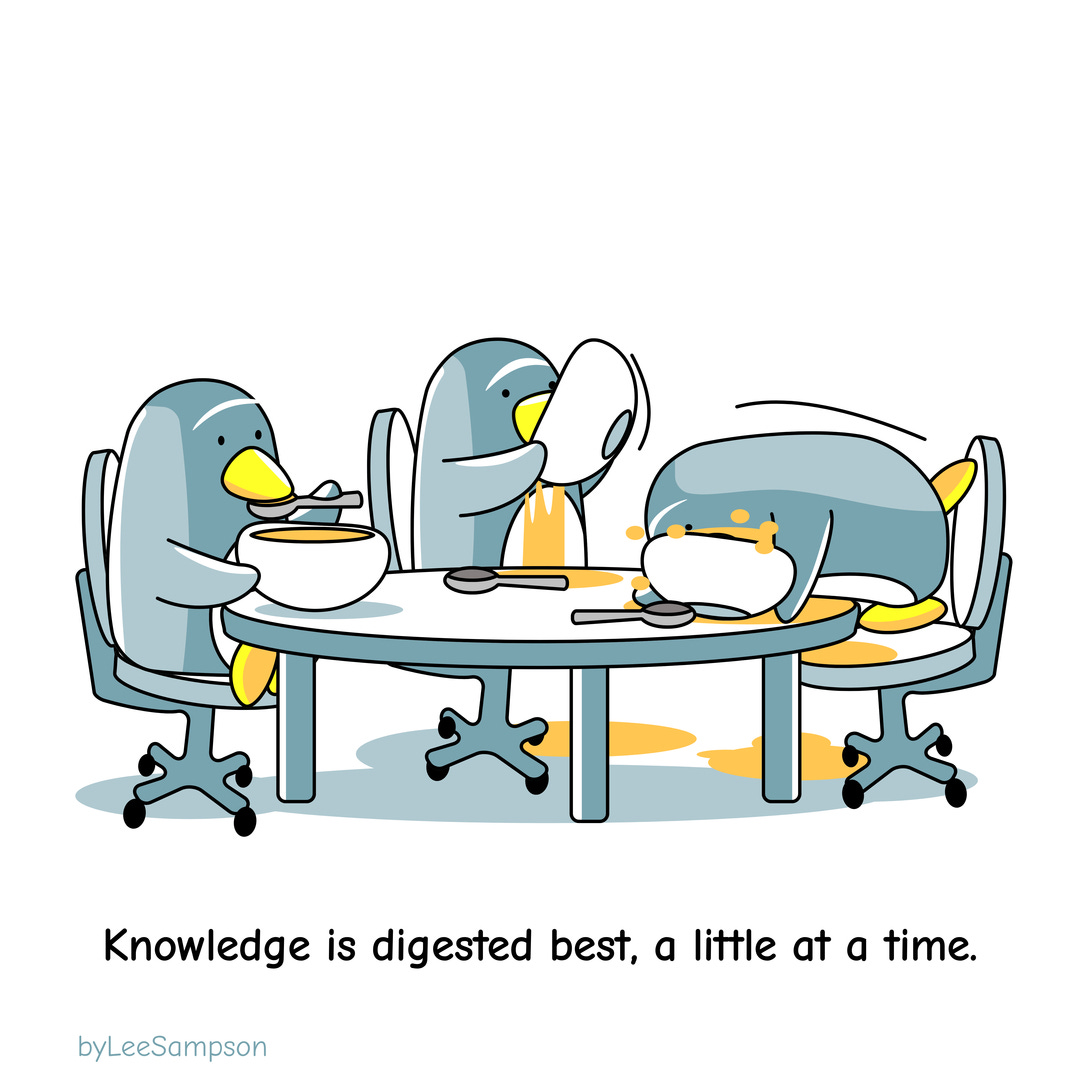
It's not just what you communicate, but how you communicate it.
Understanding Learning Styles:
People absorb and impart knowledge differently. Recognising diverse learning styles, understanding individual teaching preferences, and investing time in understanding their perspectives are crucial. Incorporating this understanding into training, knowledge sharing, and expectations enhances learning retention.
Structuring Coaching Sessions:
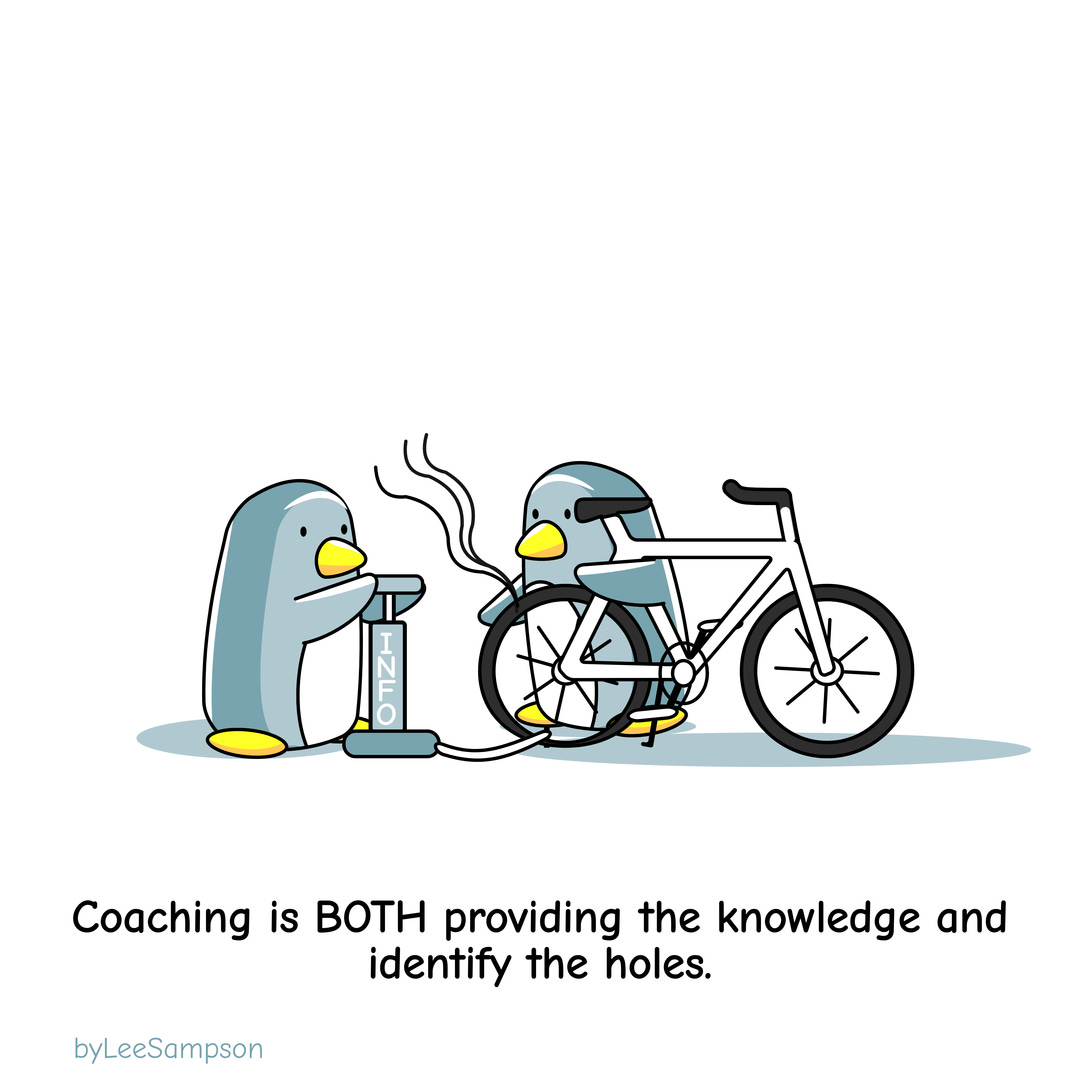
Other important steps include defining a coaching methodology, setting timeframes, documenting progress, providing consistent coaching, and following up regularly.
Prioritizing Open Dialogue:
A powerful technique is to begin every coaching conversation by dedicating the first 15 minutes to the coachee – allowing them to discuss whatever is most important to them. When people feel heard, they are more receptive to listening.
Coaching and the Leadership Wheel:
As part of my Leadership Wheel methodology, coaching is a vital component in the ongoing development of individuals and teams.
It connects to other elements like empathy, communication skills, and creating a positive team culture, all of which contribute to sustainable success.
In Conclusion:
Effective coaching is a powerful catalyst for individual and team growth.
By embracing curiosity, prioritizing empathy, and focusing on unlocking potential rather than "fixing" problems, leaders can cultivate a culture of continuous improvement and achieve sustainable success.
About the Author:
Lee Sampson is an author, illustrator, and leadership development expert.
With a people-centric approach and a creative vision, Lee makes leadership development accessible and enjoyable.
Inspired to illustrate over 1,000 Penguin cartoons on LinkedIn, Lee believes that we all have the potential to change our world for the better, starting from the inside out.
Comments
Nothing yet. Say the first thing.
Sign in to join the conversation.