
Why are breaks so hard to take?
I was recently telling my sister how impossible it felt to leave for a trip. She, as she so often and aptly does, replied, “Getting away is hard. But it’s worth it.”
It got me thinking: Why do we find it so hard to pull away from our lives?
We throw around the dreaded B-word all the time. ‘I’m so busy.’ So much so, the word has lost its meaning.
As I sat there, dreading a much-needed vacation, I started wondering—if everyone is so busy, why isn’t it easier for all of us to see we need a break?
So I asked around.
The overwhelming consensus? It’s not leaving that’s the hardest—it’s coming back. The work that piles up in your absence, the emails, the logistics, the catch-up—it’s all waiting as soon as you get back.
We’re so entrenched in our lives that stepping away feels like removing the keystone from an arch. Everything threatens to collapse in our absence. That doesn’t seem right. Clearly, something about how we’re living needs to change.
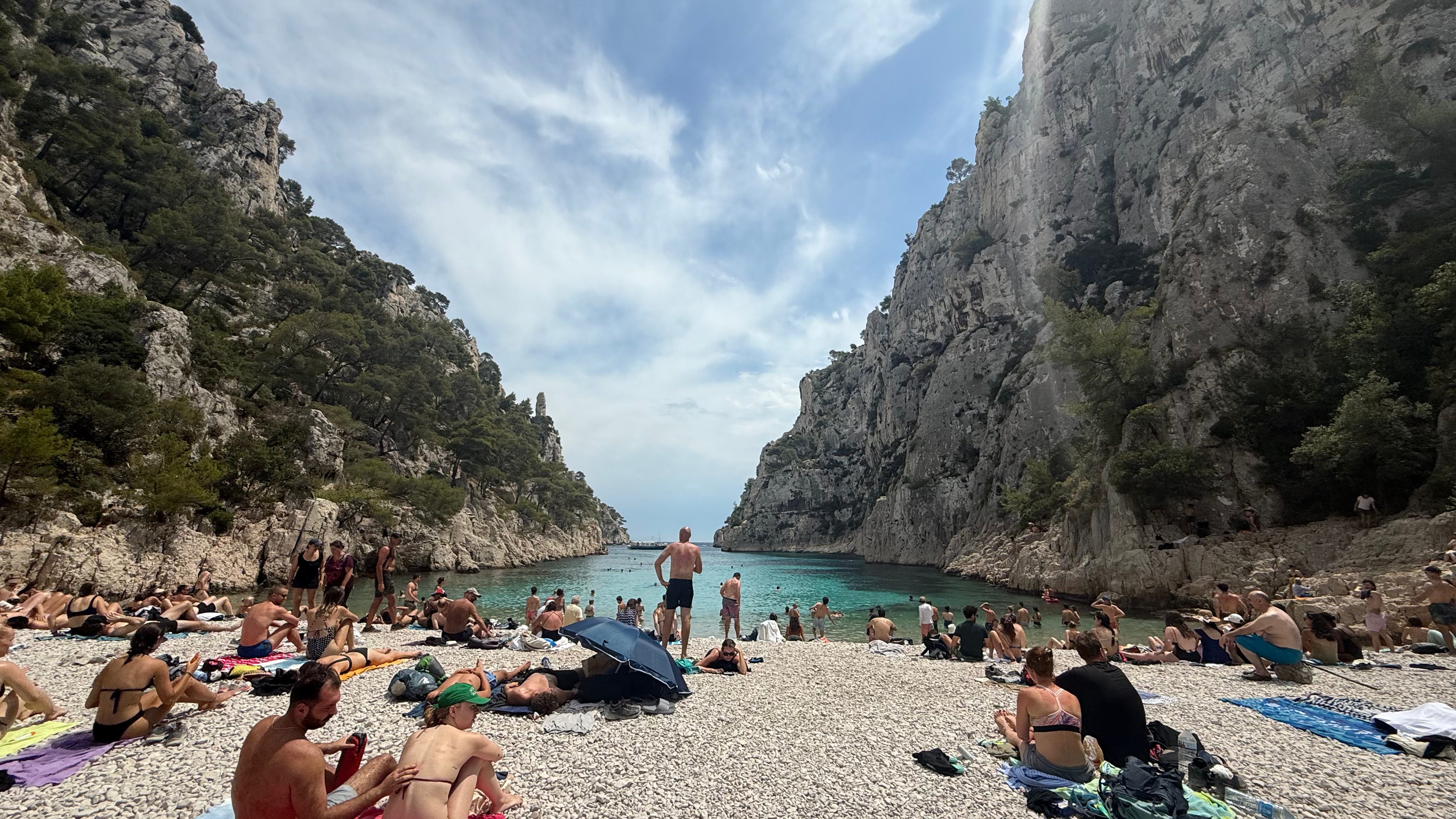
Lately, I’ve been slowly exploring what I’ll call my Francophile era. Since my twenties, I’ve made trips to France to soak in a culture that often feels like a really great makeover—for the soul.
Why does the French lifestyle appeal to so many of us?
It’s this concept: la douceur de vivre—“the sweetness of life.” A balanced approach to work and leisure. A focus on quality over quantity.
Even as I type this, I know it’s something I haven’t mastered.
One of my favorite parenting books, Bringing Up Bébé, introduced me to the French ideology of parenting within a shared framework—le cadre.
And it made me wonder: What if we all had a cadre for living?
I started researching the pillars of French lifestyle, and here’s what I found:
The 35-Hour Work Week: French labor laws cap the standard work week at 35 hours. Long vacations—often five weeks or more—are the norm.
Breaks Are Imperative: Time off isn’t a luxury; it’s expected. Long meals, true weekends, and actual breaks are baked into the culture.
Café Culture: Cafés aren’t for rushing out the door with a gallon-sized Starbucks drink. They’re for sitting, lingering, talking, being.
Leisure Includes the Mind: Art, culture, and intellectual engagement are seen as essential, not extra.
Nature Matters: Time outdoors is part of relaxing and recharging—not a once-in-a-while thing, but a rhythm of life.
Less is More: Understated elegance is a lifestyle—seen in fashion, beauty, and home.
The French know how to savor the moment. They linger. They don’t rush. They express themselves not through excess, but through intention—living simply, with grace.
I will keep returning to France because I’m still learning how to live this way. And I think many of us are. We’re trying to find a way to embrace the richness of life while staying grounded in our responsibilities and our love for the people in our lives.
It’s a riddle.
But it’s one worth solving.
XO,
Jen
Subscribe for resilience-boosting emails.
Comments
Nothing yet. Say the first thing.
Sign in to join the conversation.