
As we watch the horror unfold in Los Angeles—the City of Angels—I’m sharing content from an earlier podcast interview with first responder, .
Witnessing the heroics of first responders, we marvel at their bravery and compassion. They are in fight mode right now, but do you wonder what their world is like when the fire is out?
What do they feel when they return home?
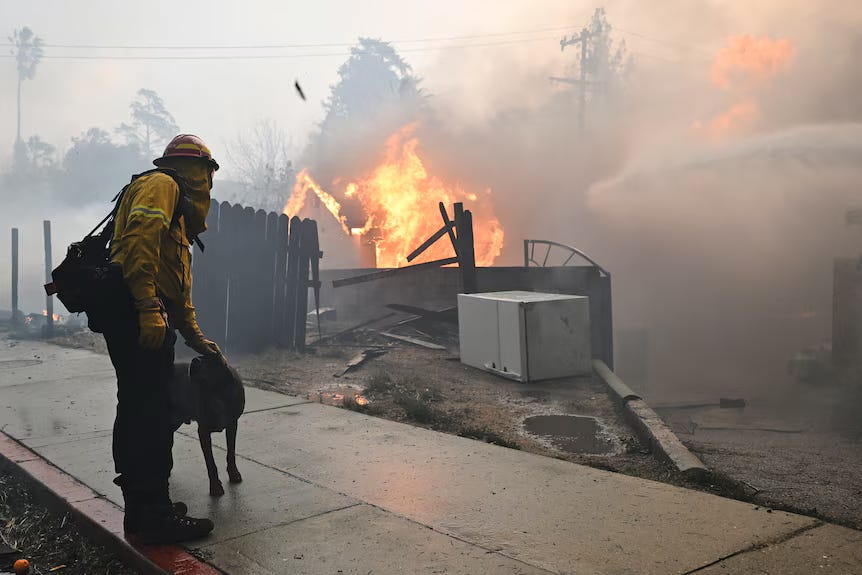
Tens of thousands of residents, animals, and first responders will need our help for years to come.
How do we support those deeply impacted by these horrible fires?
Meet Christy
Christy Warren spent 25 years running toward emergencies as a paramedic and fire captain, but the true battle began when the sirens stopped. The weight of countless tragedies—including a single call that shattered her emotional defenses—pushed her into the depths of PTSD, crippling anxiety, and thoughts of suicide. Yet, through determination and support, Christy found ways to heal, proving that even the deepest wounds can mend. Her story is a powerful testament to resilience and courage to face trauma head-on.
When the Trauma Hits Home: The Emotional Weight of First Responders
First responders are trained to keep their heads cool, bodies agile, and focus laser-sharp. But what happens when the human side gets caught in the crossfire of an emergency? What happens when the situation becomes more than just a call but a collision of instincts, emotions, and sheer overwhelm?
"Your brain and your body and your nervous system are just like, what the hell is that?" Christy explains. “In that moment, nothing makes sense. The cognitive gears freeze, and you're left wondering, ‘What do I do with this?’”
Many first responders can relate to this experience. They’re expected to manage the crisis outside, while internally, everything feels like it’s spiraling. When that flood of emotion hits, it can be paralyzing. The instinct is to shut down, to push everything aside so they can focus on the job. But that's not always possible. There are moments when the only thing they can do is recognize that the situation is bigger than just managing the scene.
Many of her colleagues had the overwhelming need to compartmentalize, to separate themselves from the people they’re helping. For example, one responder described needing to physically remove the family of a victim from the scene. The request wasn’t made out of coldness but necessity. “I can’t do both,” they said. I can’t help them and do my job effectively."
It’s a gut-wrenching decision that shows the psychological toll the work can take. When you’re dealing with trauma daily, the boundary between personal feelings and professional responsibilities blur.
In a perfect world, first responders could be both compassionate and effective without compromise. But the reality is much messier. The emotional weight of the job often sits quietly in the background, affecting everything from how they interact with others to how they process their own emotions long after the call is over.
The truth is that first responders are human, and despite their best efforts, they can’t always shut off the emotional side. Their strain isn’t just physical; it’s mental, too. It’s essential to recognize that what they’re carrying isn’t just a job to be done; it’s an emotional and psychological burden that requires support, care, and sometimes intervention.
Her powerful story is shared in her book Flash Point: A Firefighter's Journey Through PTSD.
What can we learn from Christy about managing trauma?
In my conversation with Christy on About Your Mother, The Fire Within she shares how she went from despair to healing—and how you can, too.
Are You Carrying Unseen Trauma?
Like Christy, many of us are experts at “shoving emotions in a box” and trying to move on. Over time, however, the lid can no longer contain the weight. Unresolved trauma can manifest as:
• Anxiety, irritability, or hypervigilance.
• Trouble sleeping, recurring nightmares, or intrusive memories.
• Feeling disconnected from loved ones or unable to enjoy life.
Trauma, whether from a single event or accumulated stress, is not just “in your head.” It rewires the brain, alters your nervous system, and demands attention.
Christy’s breakthrough came when she realized, “This isn’t a weakness; it’s an injury that requires healing.”
Steps You Can Take to Address Trauma and PTSD
Whether your trauma stems from work, relationships, or unexpected events, healing is possible. Here are practical steps to begin:
1. Acknowledge the Pain
• Denying feelings doesn’t make them disappear. Start by naming what you’re experiencing.
• Journaling can help uncover patterns and triggers, allowing you to identify areas that need care.
2. Seek Therapy that Fits You
• Culturally competent therapists, like Christy recommends for first responders, understand your unique challenges.
• Explore specialized modalities such as Eye Movement Desensitization and Reprocessing (EMDR) or somatic therapy for trauma release.
3. Build a Daily Self-Care Practice
• Christy found healing in swimming, describing it as a “giant hug” from the earth. For you, it might be walking in nature, yoga, or mindful breathing.
• Schedule downtime to reconnect with your body and regulate your nervous system.
4. Find Community
• Isolation intensifies trauma’s grip. Connect with others who’ve faced similar challenges. Support groups can offer understanding and shared strategies for healing.
• Like Christy, you might discover that hearing “You’re not alone” changes everything.
5. Redefine Strength
• Realize that asking for help is a sign of courage, not weakness. Christy reminds us that healing doesn’t make you less capable; it makes you more resilient.
Why This Matters Now
There is an entire city with hundreds of thousands of residents experiencing intense trauma that will be felt for years. Unresolved trauma can infiltrate every part of life, from your relationships to your career.
Christy’s journey highlights the power of action. She sought therapy, attended retreats for first responders, and found peace in meaningful routines. Her story proves that healing is possible, even after years of pain.
Christy’s resilience saved her life and she became a beacon for others. As the host of The Firefighter Deconstructed podcast, she advocates for mental health awareness and recovery.
Remember, healing isn’t a solo journey; it takes community.
We are here LA. We are here.
XO J
Get resilience-boosting emails:
Helpful Donation Links:
Comments
Nothing yet. Say the first thing.
Sign in to join the conversation.