
Hey Friends🖐️,
In this week’s session we’ll be talking about how to get more out of product development.
Typically when PMs set new product vision they do so to address a list of pain points. This leads to good, but not great products.
This is because they end up satisfying a check list rather than actually creating a compelling case to excite users.
How do companies actually surprise and delight their customers?
These are subtle features which provide exceptional convenience. Tiny details matter given that it’s these details which compound to create an overall experience.
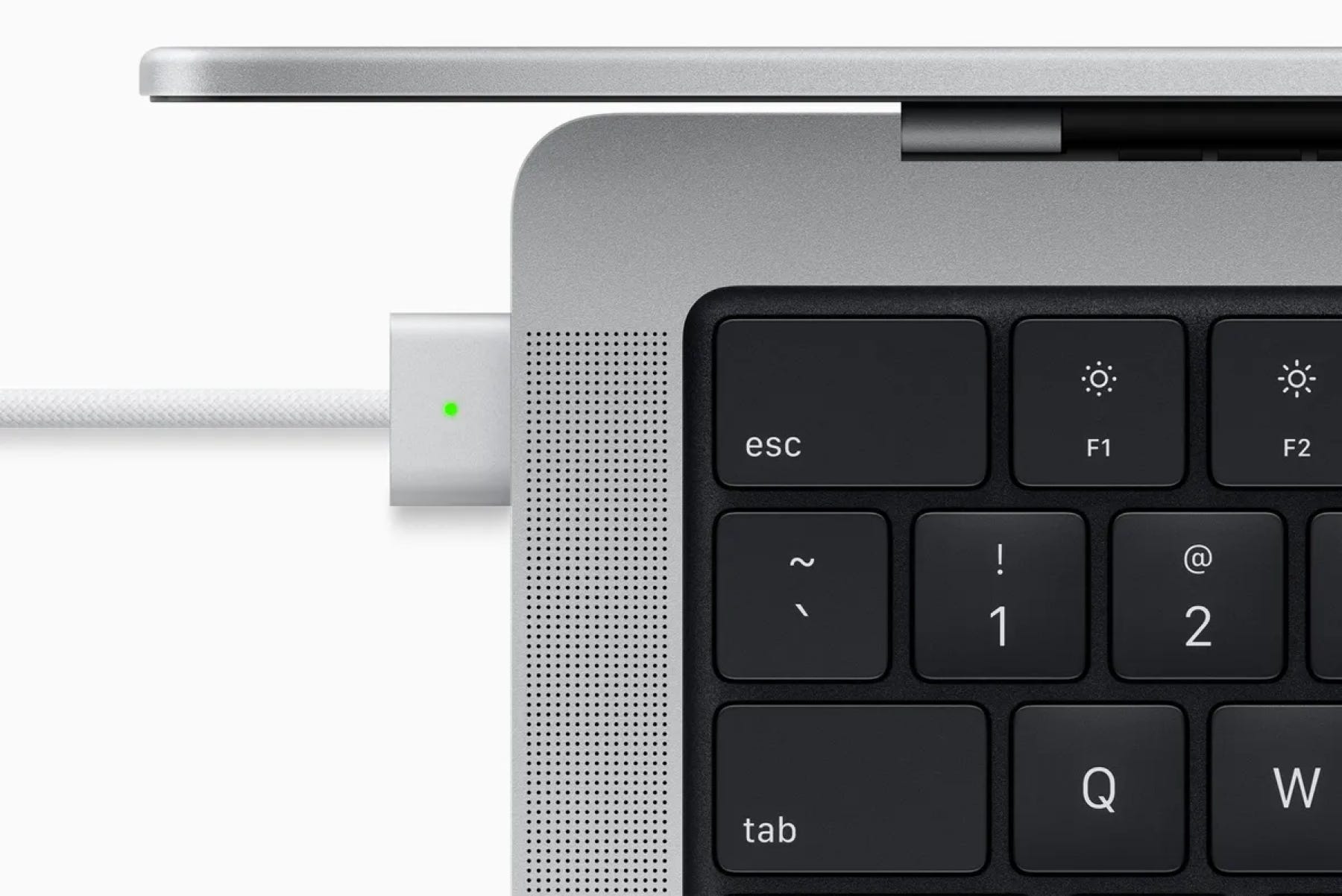
For example, most laptops can crash to the ground if they’re charging on a table and someone walks through the cord. Apple solved this problem with the MagSafe charging cord which automatically detaches if someone accidentally pulls on it. No more broken laptops.
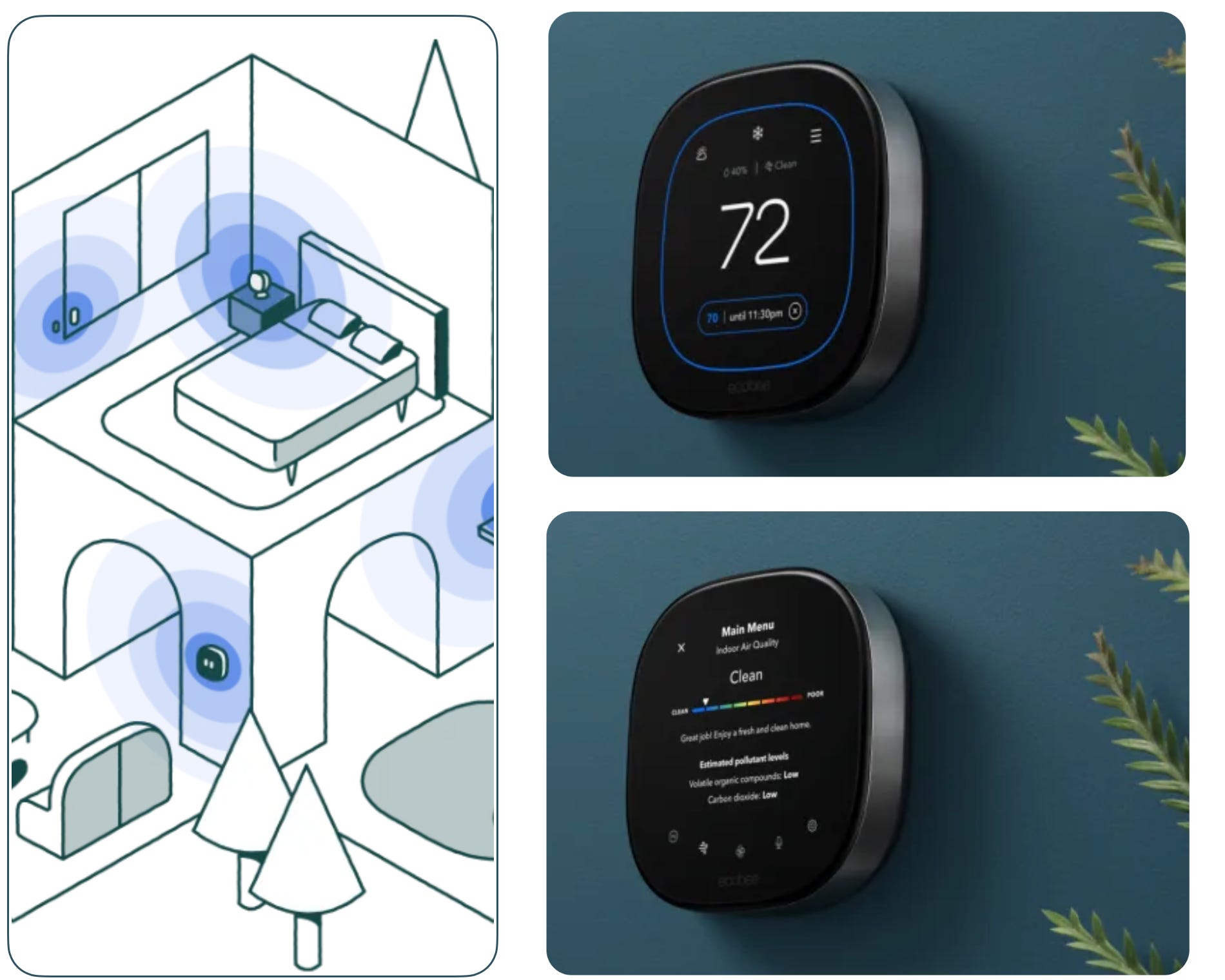
Ecobee’s smart thermostat detects user presence to automatically turn on if someone walks near it. This may seem trivial to some, but it’s convenient and saves the user from having to cycle through menus.
In The Power of Moments, Dan and Chip Heath talk about how we can intentionally create extraordinary user experiences.
When we think about memories, there are two concepts to consider.
Peak
The high point of a user's emotional experience with a product or service.
Pit
The low point of a user's emotional experience. It's the moment of greatest frustration, confusion, or dissatisfaction.
Think about going to the beach. Typically we wouldn’t remember minute by minute events like parking or waiting in line for food. But we do remember the sunset and waves. In other words we remember the peak.
Similarly, in order to delight users and build world class products we need to create peaks for users. These can come from smooth user interfaces, crisp packaging, highly relevant attributes, instant customer support, or personalized features.
The problem however is that PMs, designers, and engineers do the opposite. We usually focus on pits, not peaks.
Naturally we spend time on fixing whats wrong. This is why product managers will spend a lot of resources on chasing one or two start customer reviews.
But, satisfied users are actually the ones who generate more revenue. Happy users are the ones who talk about products with their friends and family over a BBQ.
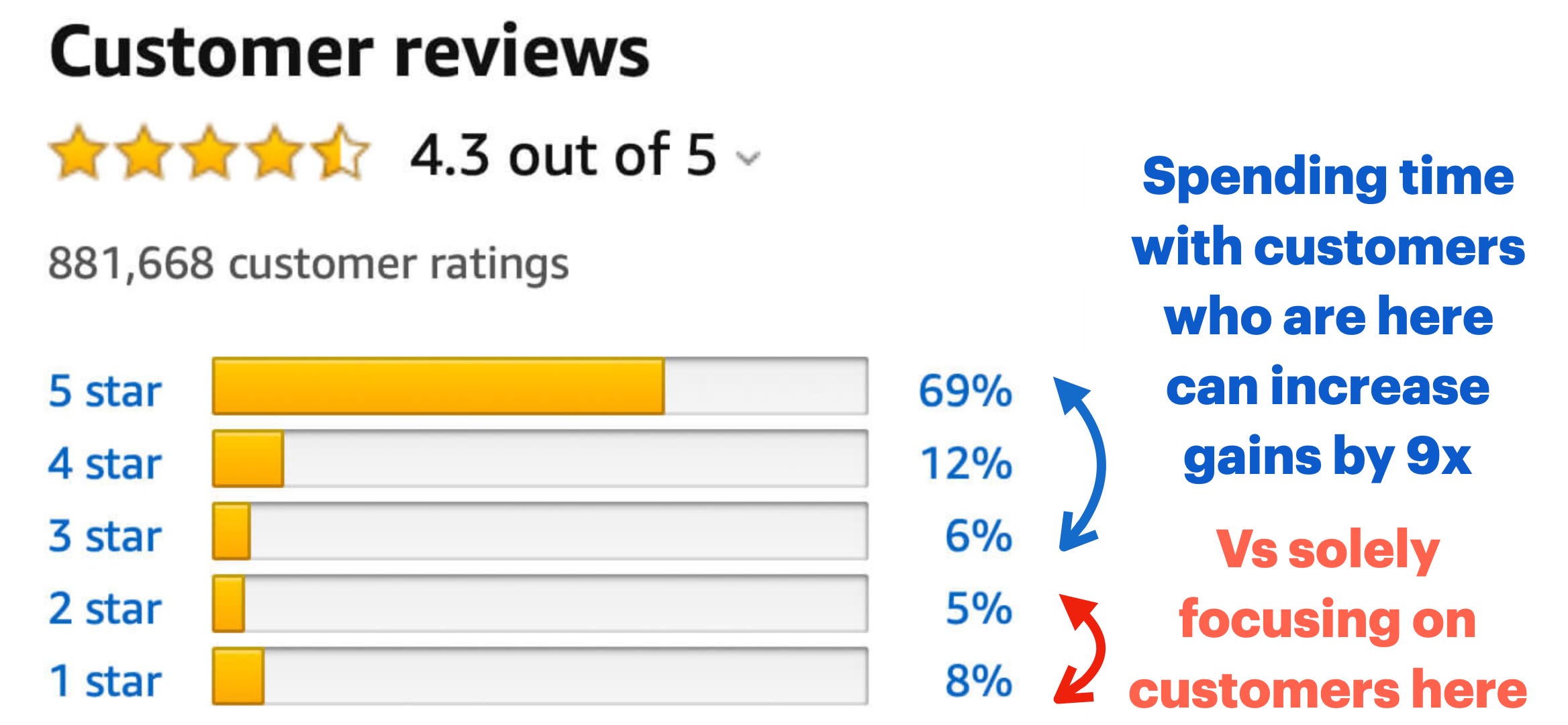
Dan and Chip Heath mention that spending time on tailoring experiences for customers who are in the 3/4/5 star range can increase gains by 9x versus solely combatting negative reviews. Of course this doesn’t mean we ignore low star reviews.
The other element of delivering exceptionally satisfying user experiences is surprise. When I was at Apple we might’ve taken this to another extreme.
Things were so secretive that sometimes I wasn’t aware of what certain team mates were working on. This ultra secrecy was done to enable surprises. The premise was that the more confidential a workplace, the less likelihood of new product leaks, and in turn the more customers can be surprised on announce day.
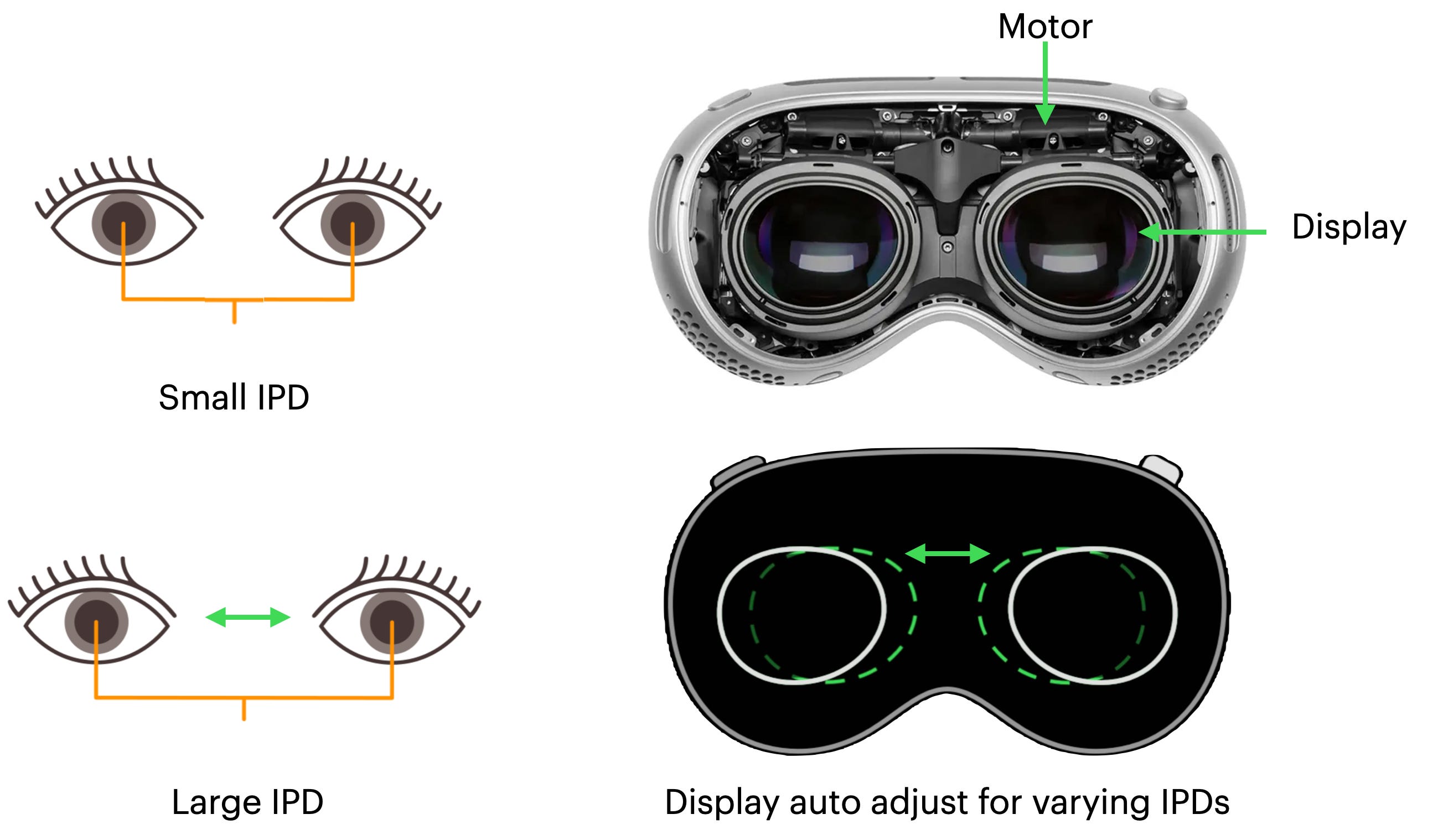
To surprise is to stay away from what’s typical. It’s about elevating the ordinary and breaking the script like automatic IPD adjustments on Apple Vision Pro. IPD, interpupillary distance, is the distance between your eyes. It’s used when we get glasses. It’s also needed when users wear mixed reality headsets.
Basically the position of each display needs to match the position of your eyes. Not doing so will cause distortions and headaches. Given that different people have varying IPDs, competitor AR/VR headsets require the user to manually adjust displays with their fingers.
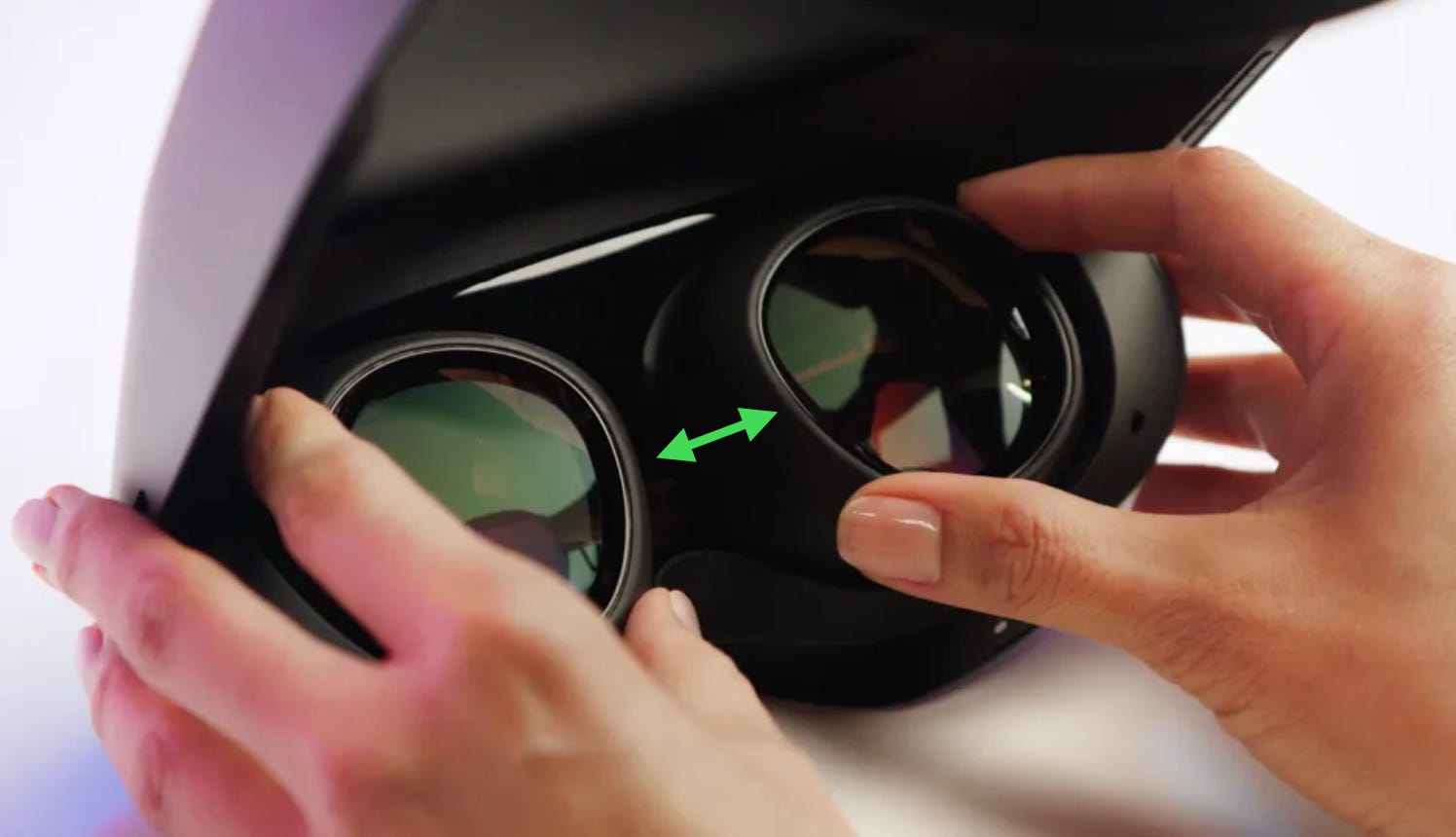
The Vision Pro goes above and beyond. Once a user wears the device, their displays automatically adjust to the user’s IPD with an elegantly engineered (and very sophisticated) motor assembly. This is a solid example of surprise because they didn’t really advertise the feature. It just works, like magic.
But how does all of this tie into customer needs? Do we just create solutions for the sake of them? Do we just fit technologies in spaces and hope they work?
After all, good product development practice requires a sense of empathy with user needs. Typically we focus on primary and secondary needs. However, to really delight customers we need to address latent needs.
Let’s look at some definitions and examples.
Primary Needs
The obvious, straight forward, and fundamental needs that a product must satisfy for it to be considered functional.
Example: A smart thermostat accurately maintains temperature.
Secondary Needs
These are additional needs that enhance user experience but are not essential for the product’s core functionality.
Example: A smart thermostat can be adjusted in comfortable positions.
Latent Needs
These arise from problems that are hidden, ones that customers dont immediately realize they have.
Example: The thermostat is aware of users being at home like the ecobee thermostat automatically detecting occupancy and turning on.
Another Example: like the MagSafe charging cord. The primary need was to deliver reliable power. However a latent need was that users’ cables were getting caught by people and pets, slamming their laptops to the floor.
These are needs that users find difficult to articulate. They usually reveal deeper levels of interaction with the product that users would greatly appreciate, but didn’t think of in the first place.
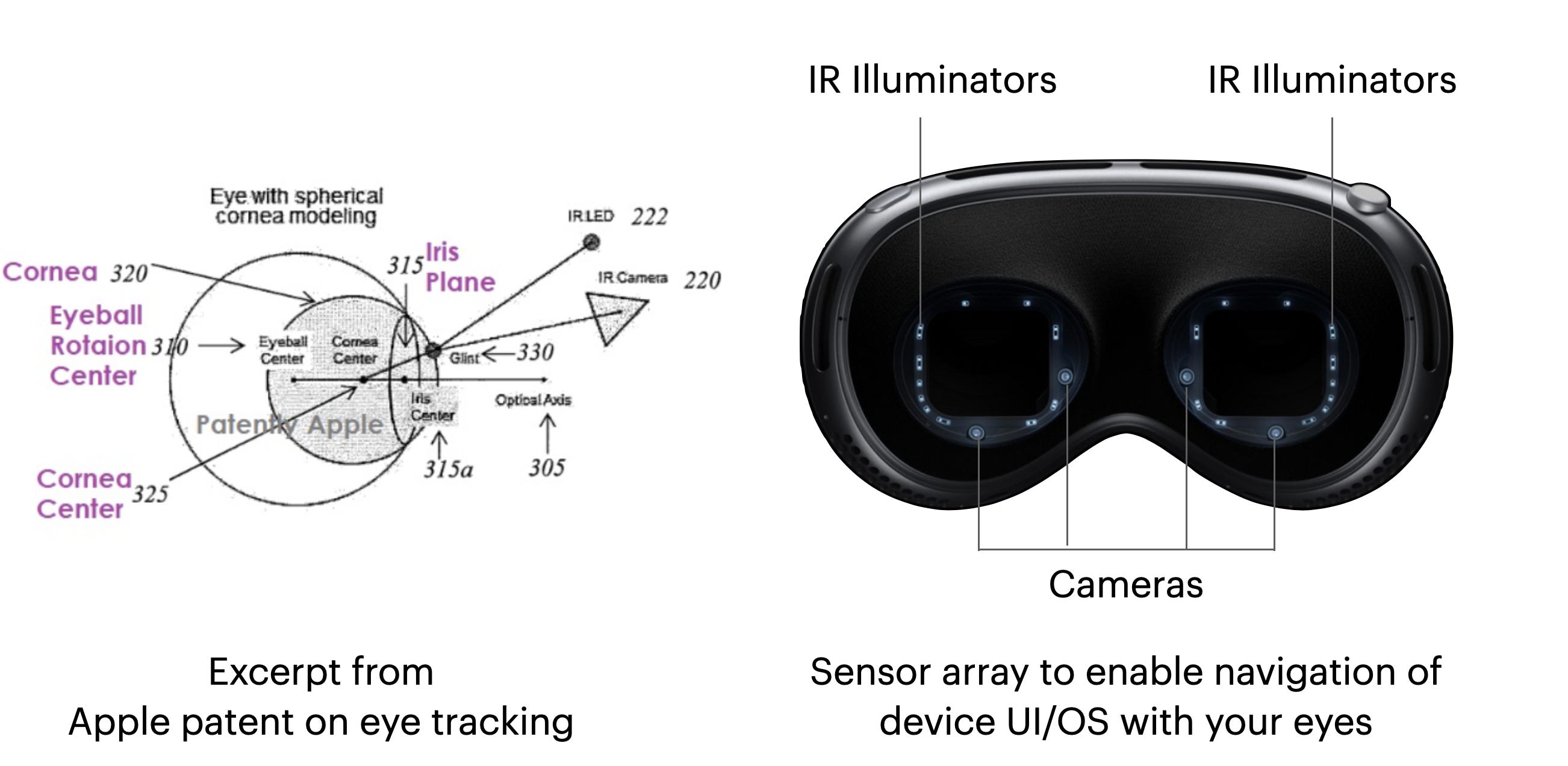
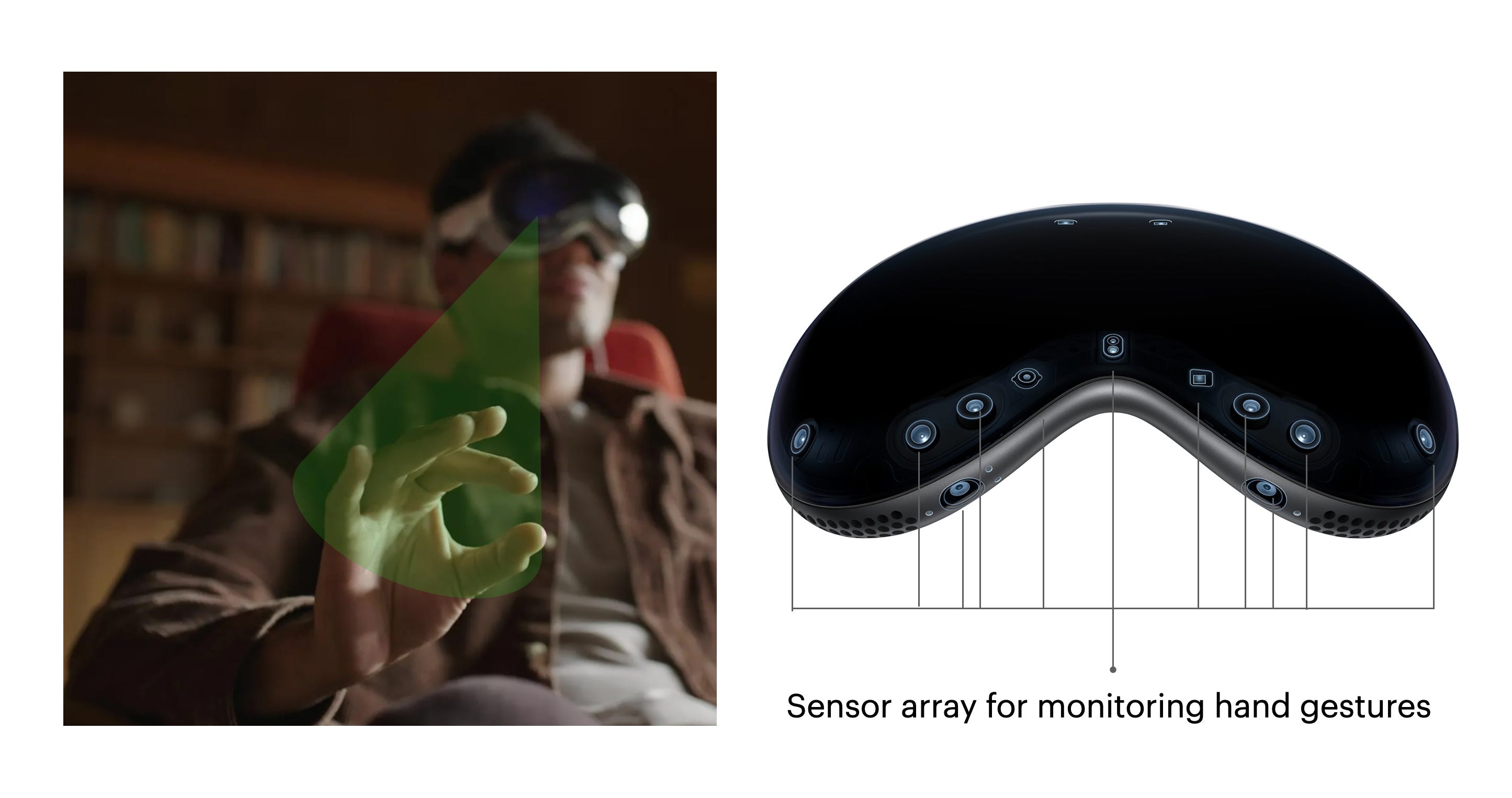
Typically customers will spend time on apparent pain points like a way to control their mixed reality headset. But when companies go above and beyond to discover a hidden problem, then breakthroughs happen. For example we could navigate these headsets with a mouse, keyboard, or hand held controllers like Meta.
But these users have hidden needs for portability and flexibility. Apple addressed these latent needs by having users rely on their eyes and fingers for input. It’s pretty innovative given that you literally use your eyeballs to select menus. It’s much simpler for users, reduces friction, and there’s no baggage from carrying extra accessories.
Years ago when I was a new to product development a co-worker shared this misinterpreted Steve Jobs quote. We concluded that its not really customers but more so the company that decides what features actually matter.
"Some people say give the customers what they want, but that's not my approach. Our job is to figure out what they're going to want before they do.”
- Steve Jobs
Now I realize I was wrong. This quote has layers of meaning. Now I think what was trying to be said was that customers don't always know how to communicate certain needs and it’s the product team’s job to anticipate them. This intimate knowledge is what leads to innovation and meaningful user experiences.
Product managers, designers, engineers should take the time to really study users. We need to observe customers and ask several rounds of why to get to root causes. This can be done by looking for facial expressions, emotions, verbal cues, non verbal cues, responses, and frustrations.
It’s easy to solve obvious problems, but world class products come from the attention to detail needed to study subtle ones.
Once you think you’ve come across a latent need make sure to perform validation studies by getting mock ups in front of users. In the hardware world we say that while a picture speaks a thousand words a prototype speaks a million.
Some rightful criticism to the examples above may be that they’re all premium priced products, so of course they delight users. Here are some everyday examples of features which I think are subtle, clever, and never fail to make my life easier.
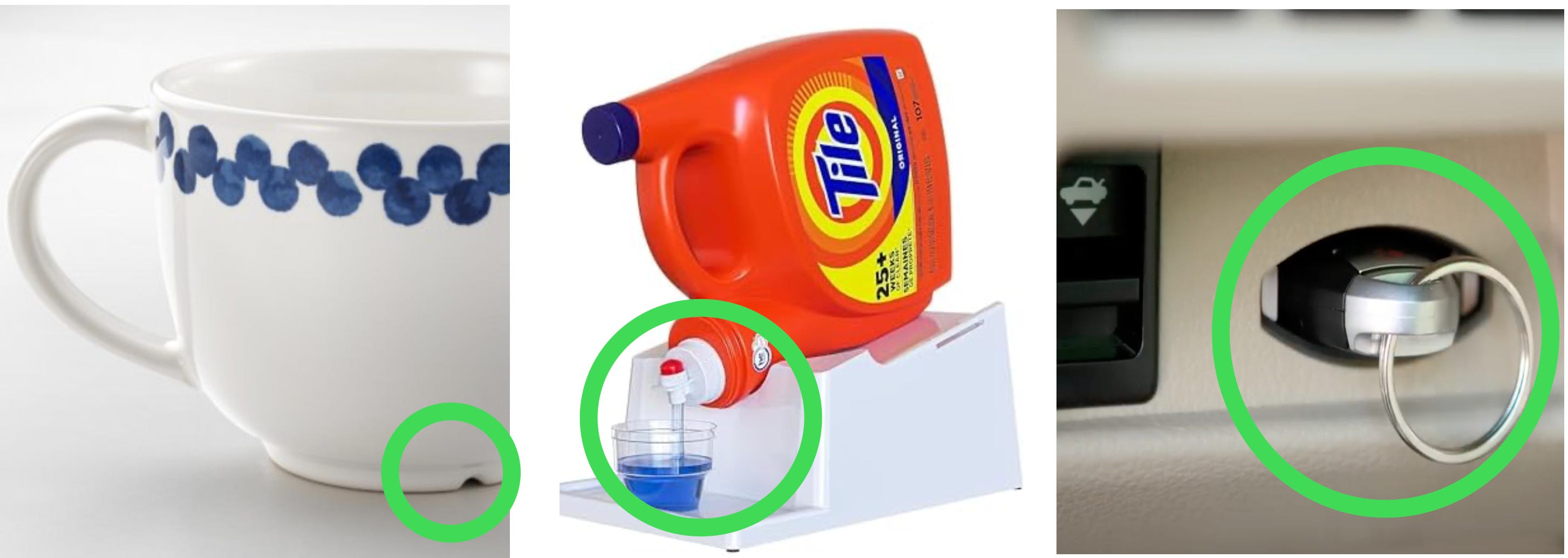
Ikea cups have a tiny notch to prevent water from collecting in dish washers. Laundry detergents have a nozzle, in addition to the regular cap to make it easier dispense liquid. And lastly, some cars have slots in the instrument panel to place key fobs, preventing them from bouncing around in your cup holder or trays.
Make sure you check out some other articles:
If you enjoyed this, please like and spread the word. If you have any questions on hardware PMing, product development, or careers let’s talk.
No posts
Comments
Nothing yet. Say the first thing.
Sign in to join the conversation.