
Hey Friends✋,
This week we dive into four of my favourite books on developing physical products. I usually find myself turning to these for inspiration and reference material.
Also make sure to check out the Hardware FYI substack for solid content on creating hardware! 🚀

You’ll seldom come across people with a resume more impressive than Tony Fadell when it comes to creating world class hardware.
He’s an engineer, designer, and entrepreneur who helped create the iPod, iPhone, and invented Nest labs which was then sold to Google for $3.2 billion. Oh, and he also has 300 + patents.
Build is a fascinating read to learn about his career and life lessons. It’s also interesting how he describes the pressure and eccentric nature of working for Steve Jobs. My favourite excerpts are his takes on product vision philosophies and story telling.
When the Vision Pro came out I remember people being, and still are, flustered by how expensive it is.
However If you understand the V1/2/3 approach to building products then you’ll understand why. Tony Fadell explains how Apple, and then later Tesla started adopting this approach.
V1 Products
This is your first generation product. It needs to be disruptive, innovative, and encapsulating of the grand vision of what you want your product line to be
At this stage companies don’t focus on profitability or mass market affordability due to new technology cost and validating product market fit
These are for lead users and enthusiasts
Look at how expensive the first gen iPhone and Apple Watch were relative to their competitors
V2 Products
This is an evolution of V1 based on market feedback. You ratify which features work and which don’t while maintaining your core product signature
For example the click wheel of the iPod, Nest’s circular shape, and the iPhone’s metal/glass design are timeless elements
Customer price point can stabilize vs V1 and unit economics start trending towards a gross margin
V3 Products
This is where the majority of the market purchases your solution and you don’t need to rely on early adopters to buy a $3500 Vision Pro
It takes time to get here as Fadell mentions how it took 3 generations for the iPod to reach profitability
For practical examples, think iPhone SE’s and watch SE’s price point and mass consumer volumes in contrast to the original iPhone and watch

Early generation iPod form factor prototypes (left) and V1/2/3 Nest Smart Thermostat evolution (right)

I also enjoyed Fadell’s take on storytelling - an element of product development which is severely underrated.
I’ve always thought that exceptional products and companies have a resonating sense of why with their customers. The what and how come later.
Every product should have a story, narrative that explains why it needs to exist and how it will solve your customer’s problems. A good product story has three elements.
It appeals to people’s rational and emotional sides
It takes complicated concepts and makes them simple
It reminds people of the problem that’s being solved - it focuses on the why
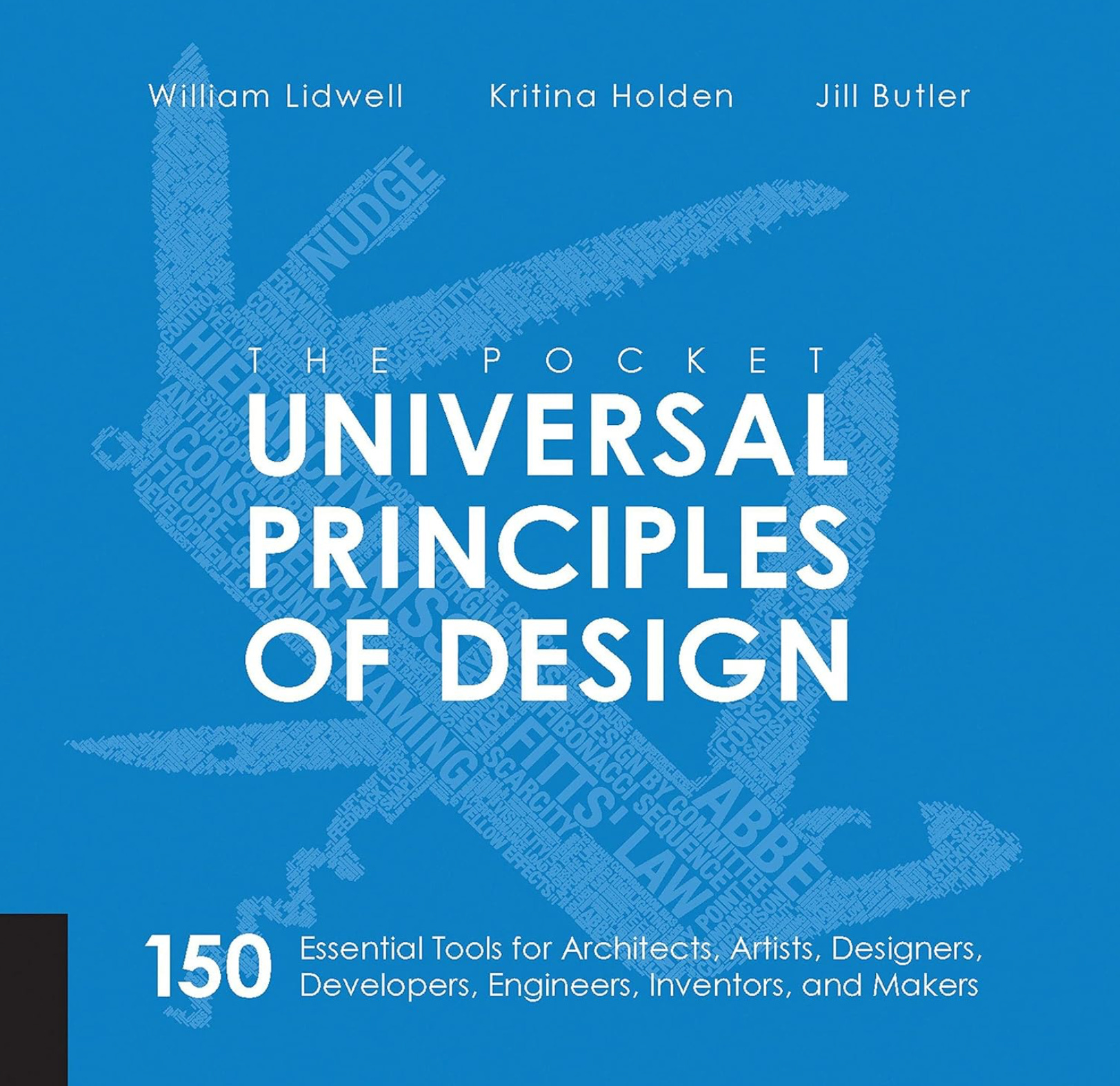
This has refreshing reminders and is a great pocket handbook for when I’ve been stuck with problem solving or have been in a rut.
It’s simple, has practical examples, and has illustrations which are easy to understand. IMO this need’s to be on every creative’s table to stimulate thinking and help with brainstorming.
Expect to see concise and inclusive notes on cross industry disciplines like ergonomics, human factors, form, function, architecture, UI/UX, and more.
Ultimately this handbook does a great job in showing how design is all around us.


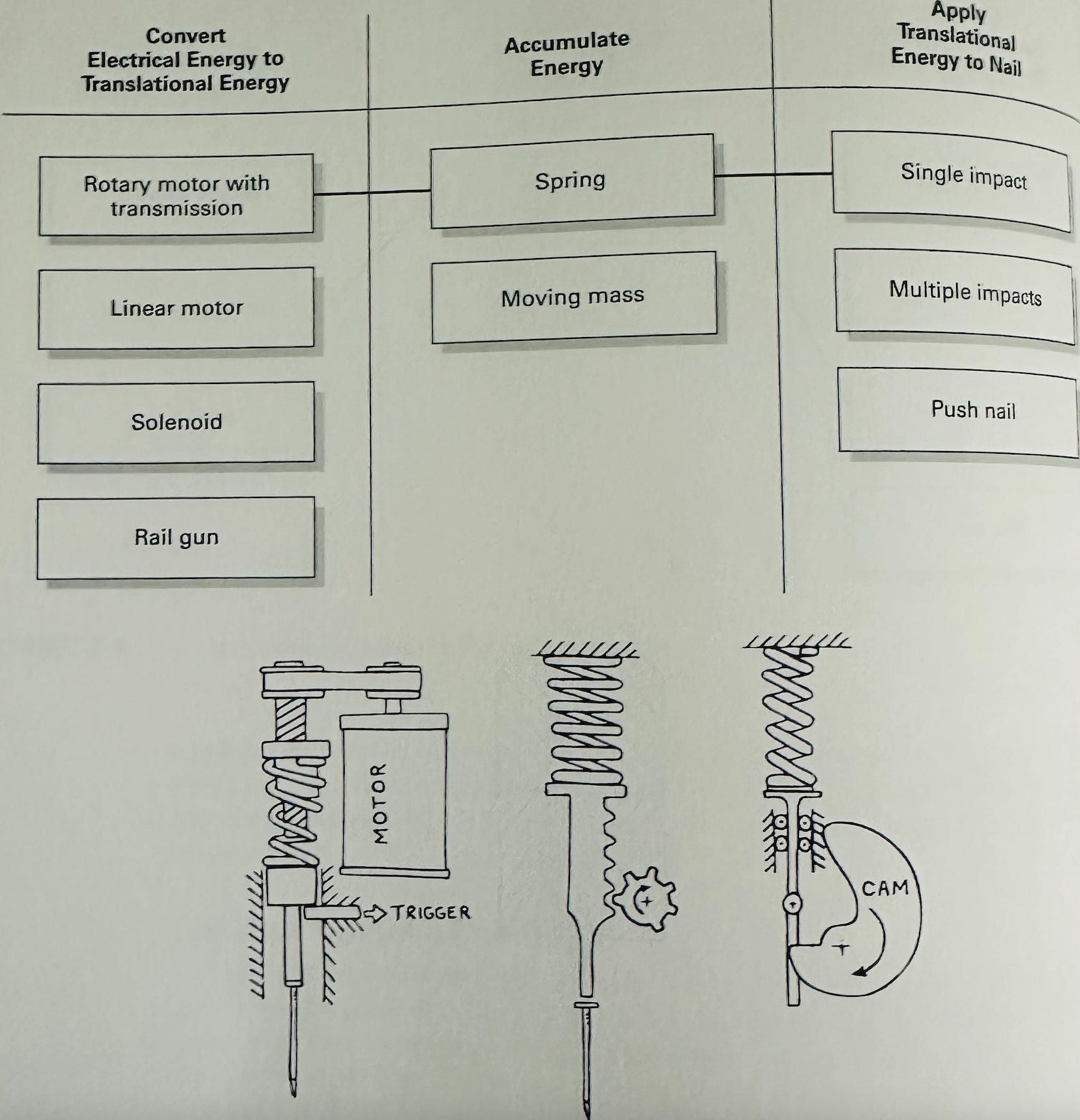
This is actually a textbook and in my humble opinion is the most complete, holistic book on physical product development on the market.
It has fantastic reference material for all stages of creating a physical product from initial business concept all the way through technical execution to really help rigorously and meticulously create robust products which are business viable, technically feasible, and user desirable.
Expect to see nuanced lessons on the following topics:
Business case justification
User needs analysis and customer interview methodologies
Mechanical/electrical engineering specifications
Concept generation techniques
Industrial design
Prototyping & Test
Manufacturing & Production
Unit economics & Pricing
Product life cycle management
Patents & intellectual property
Written by MIT professors, the audience for this textbook are product managers, engineers, industrial designers, MBA students, and entrepreneurs.
In summary If you want a true zero to one book, although this is a heavy read, this is the book for you.

Show your work is actually more for others than yourself.
What does that mean? Well the premise of the book is to showcase the entire process of your projects - concept, sketches, prototypes, to final article - so that others can benefit and learn. It focuses on creating a habit of documentation and sharing.
Think process not product… take people behind the scenes
The more that people do this, the more we create ecosystems of creativity. I think this is a theme which the hardware community actually thrives in.
Think of how many times you’ve had to reference YouTube videos, blogs, GitHub, CAD sharing websites, journals, and lab reports to draw inspiration on how to research, design, test, prototype, teardown, machine, 3D print, jerry rig, benchmark, and breadboard your own projects.
Alot of what we do is based on seeing, observing, and referencing.
Don’t be a hoarder. Show your journey.

How can we talk about product development books without the operating manual for designers?
Don Norman originally published this classic more than 30 years ago, but its principles remain true until today. He was one of the first to pioneer terms like user experience and psychology in design.

One of my favorite quotes:
Good design is actually a lot harder to notice than poor design, in part because good designs fit our needs so well that the design is invisible, serving us without drawing attention to itself. Bad design, on the other hand, screams outs its inadequacies, making itself very noticeable.
For me this book is fun, inspiring, and genius. It reminds me of why I got into engineering and product management in the first place - which was questioning why the things around us are the way they are.
Thanks for reading! Feel free to share this work if you enjoyed 🙋♂️
No posts
Comments
Nothing yet. Say the first thing.
Sign in to join the conversation.