
Hey Friends✌️,
This week’s newsletter will be a bit of a rant. I’ll be attempting to articulate why the hardware community needs an effective PM culture to prevent poor products from being released to market.
There are many definitions of product management but my favorite, especially considering this is a hardware sub, is from the inventor of the iPod, iPhone and Nest.
Tony Fadell states in Build that:
A product manager’s responsibility is to figure out what the product should do and then create the spec…
They work with almost every part of the business (engineering, design, customer support, finance, sales, marketing, etc.) to get it brought to market…
But, most importantly, product managers are the voice of the customer. They keep every team in check to make sure they don’t lose sight of the ultimate goal— happy, satisfied customers.
The main goal of a PM is to advocate for a delightful user experience. They Represent the customer.
In the physical product space “PMs” are sometimes confused with program managers and project managers. Those roles are different from product management as shown below.
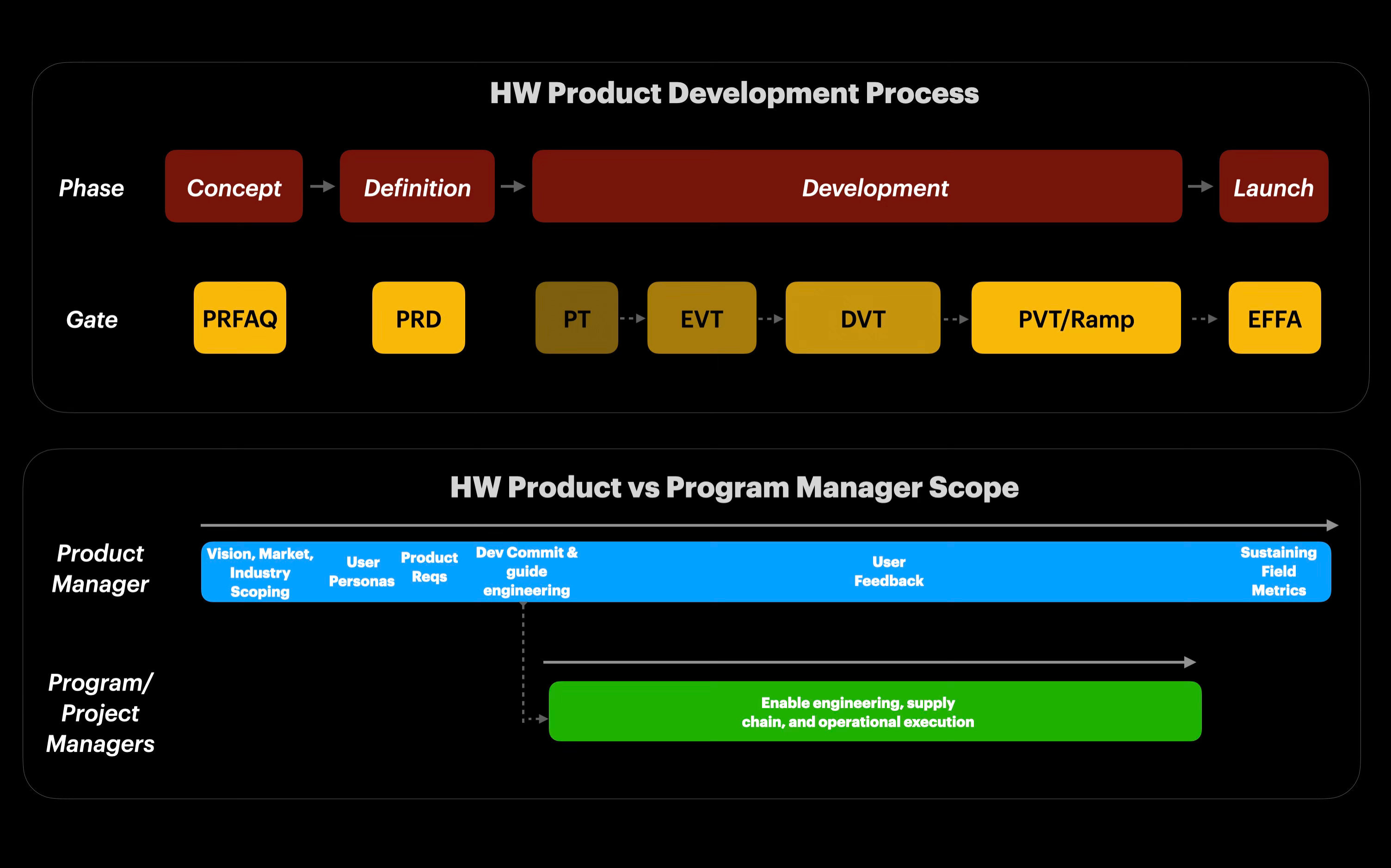
Product managers (PdM) focus on the ideation, why, what, and who of a product
Program/Project (PjM, PgM) managers focus on execution and the how after product requirements and scope have been set by the product manager
Product management is a pretty broad role with varying descriptions based on company, especially in hardware.
However most PMs generally find themselves doing some of the following:
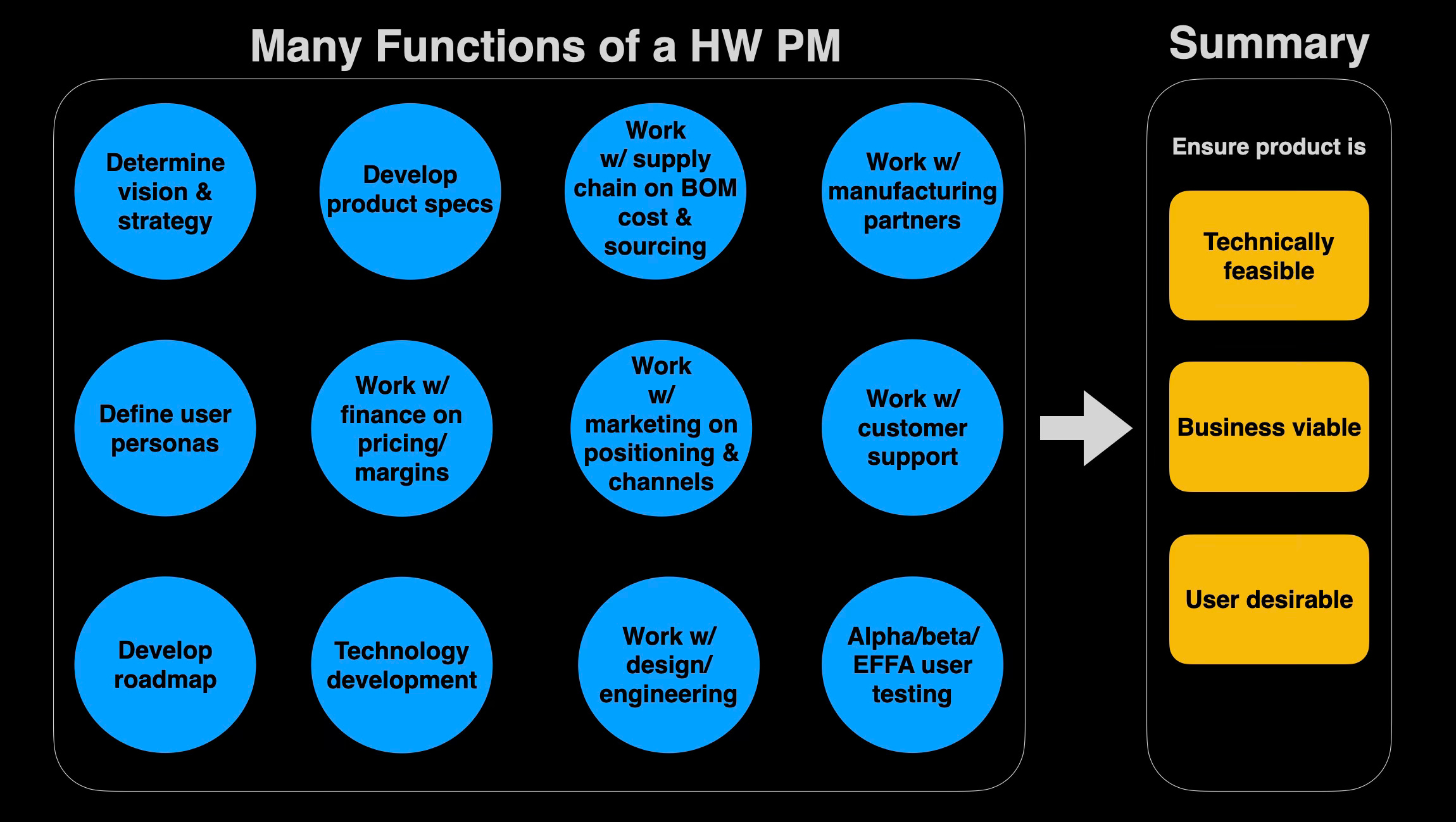
For more context on the hardware product development process check this out.
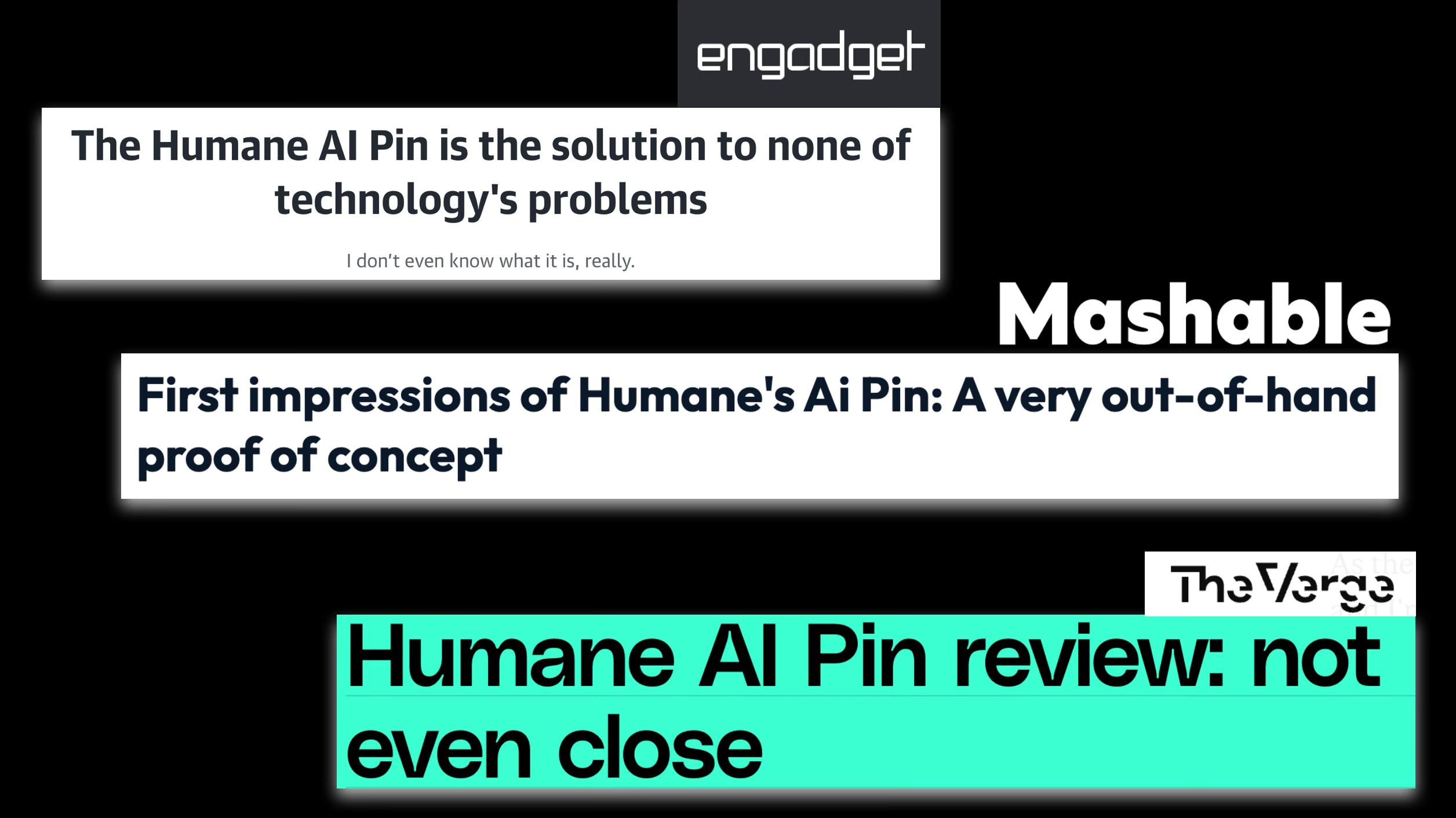
So, why does any of this matter? It’s because ideally the PM role should help prevent bad products from being shipped but what I outlined above was just theory. For a practical example look no further the recent Humane AI pin.
You’ve probably seen several negative reviews about it already.
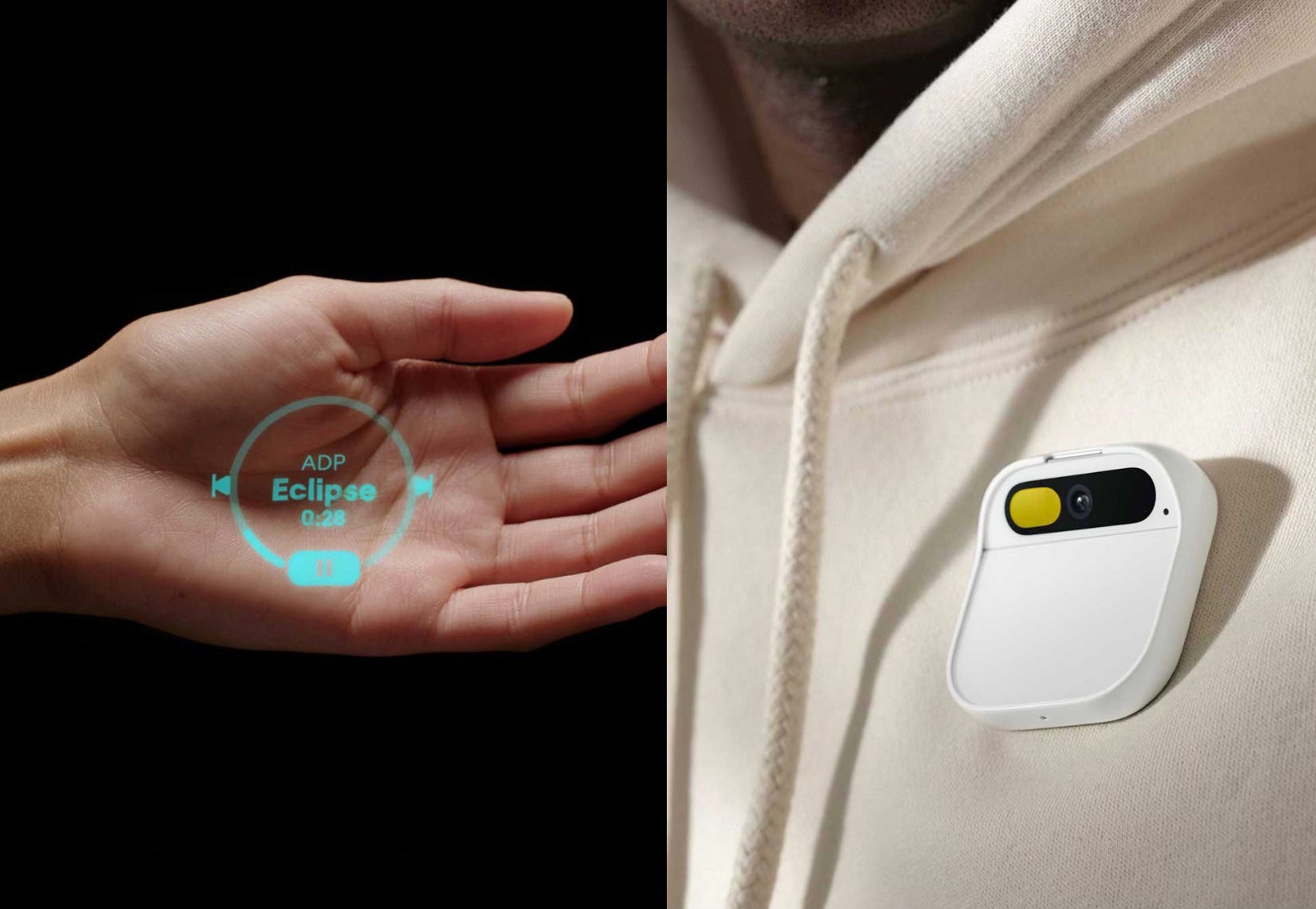
It’s a hardware device which, when mounted onto your shirt, acts as an AI assistant through voice and a projection mechanism. Common use cases involve making phone calls, taking photos, and helping with nutrition related questions.
The pin was developed by ex apple VPs of Industrial design and software.
The premise of the product is based on the fact that smart phone screens are harmful and hence the device aims to replace them.
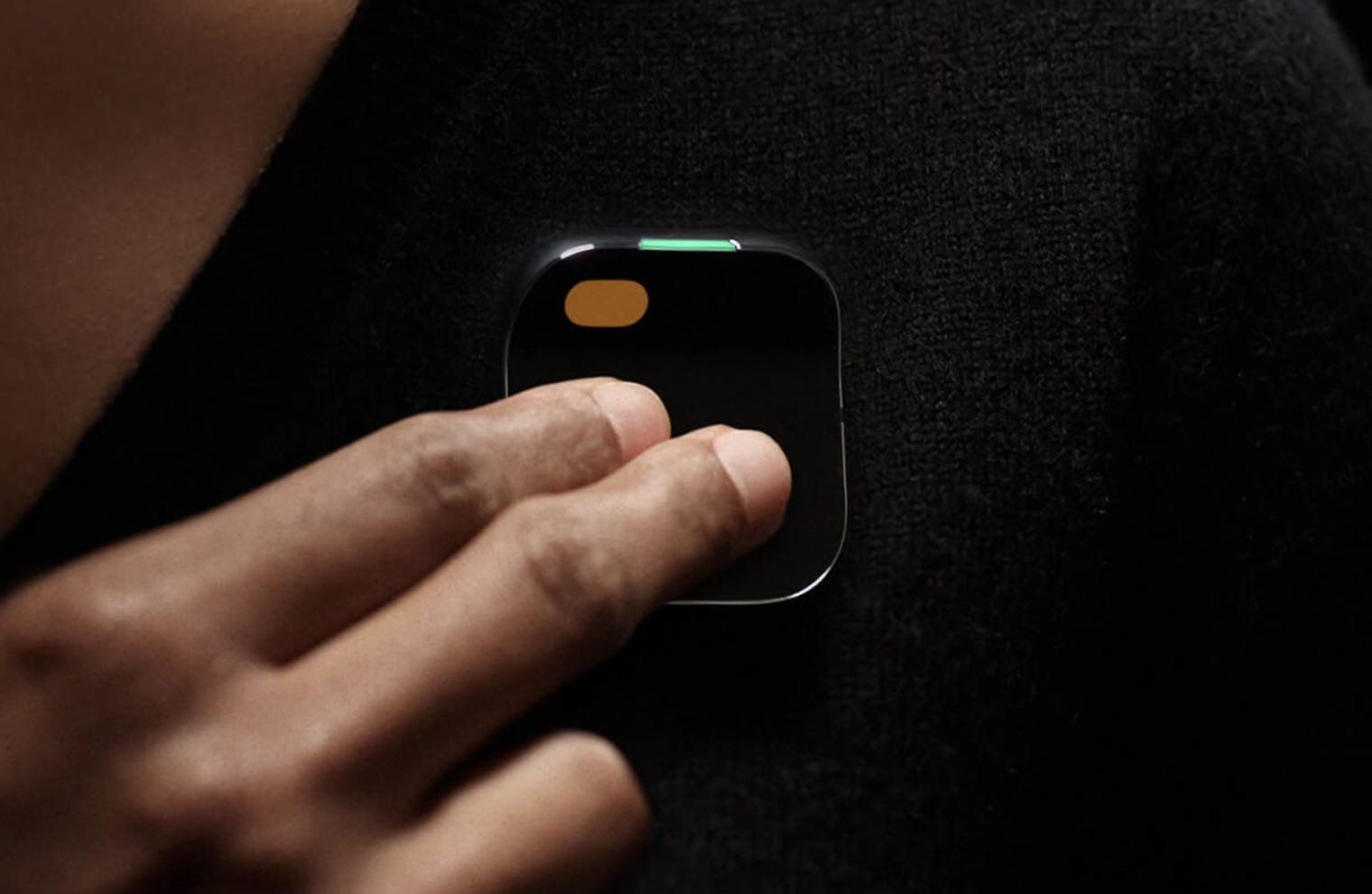
As mentioned above, the main role of a PM is to advocate for desirable user experience.
They’re supposed to see through the noise and block inadequate features or ideas, even if the engineering team pushes them. Even if the technology seems cool.
As a former engineer this is why I made the transition to PM. I found alot of the new technologies that I was working on seemed neat in theory, but were missing the overall context of providing genuine value to users.
This isn’t to say that engineering innovations should be taken for granted but what I am saying is that a good PM culture needs to prioritize user experience over sophisticated engineering and design.
To illustrate this point, below is a list of cool engineering applications which provide poor user experience in the Humane AI Pin.
All of which should have been significantly negotiated or pushed back by the product team as not being ready to ship in this product’s architecture.
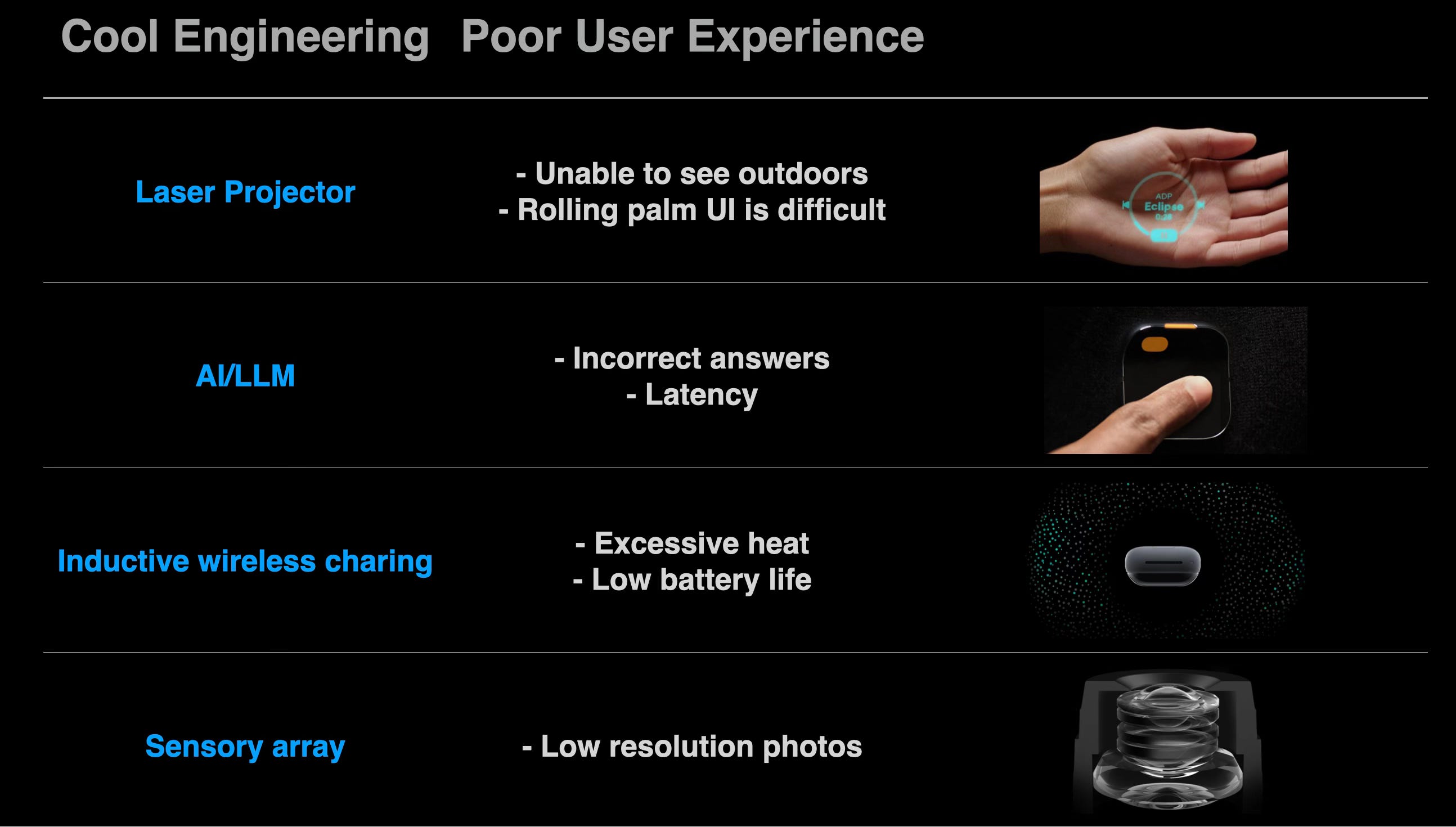
Laser projector
A 720p display on your hand and an entirely new form of display technology for consumer devices seems sweet in theory
But several reviews have pointed out that this projector has resolution issues, isn’t visible outside, and rolling a user’s palm as a form of input is difficult to learn
Using AI to answer questions
Having a digital assistant to read texts, make calls, give nutrition information, and plan my day seems great in theory but I’m not sold on AIs robustness in daily life just yet
This is proven by the fact that the AI pin is slow and frequently gets basic information wrong on history, nutrition, sporting, and events
Wireless charging clip
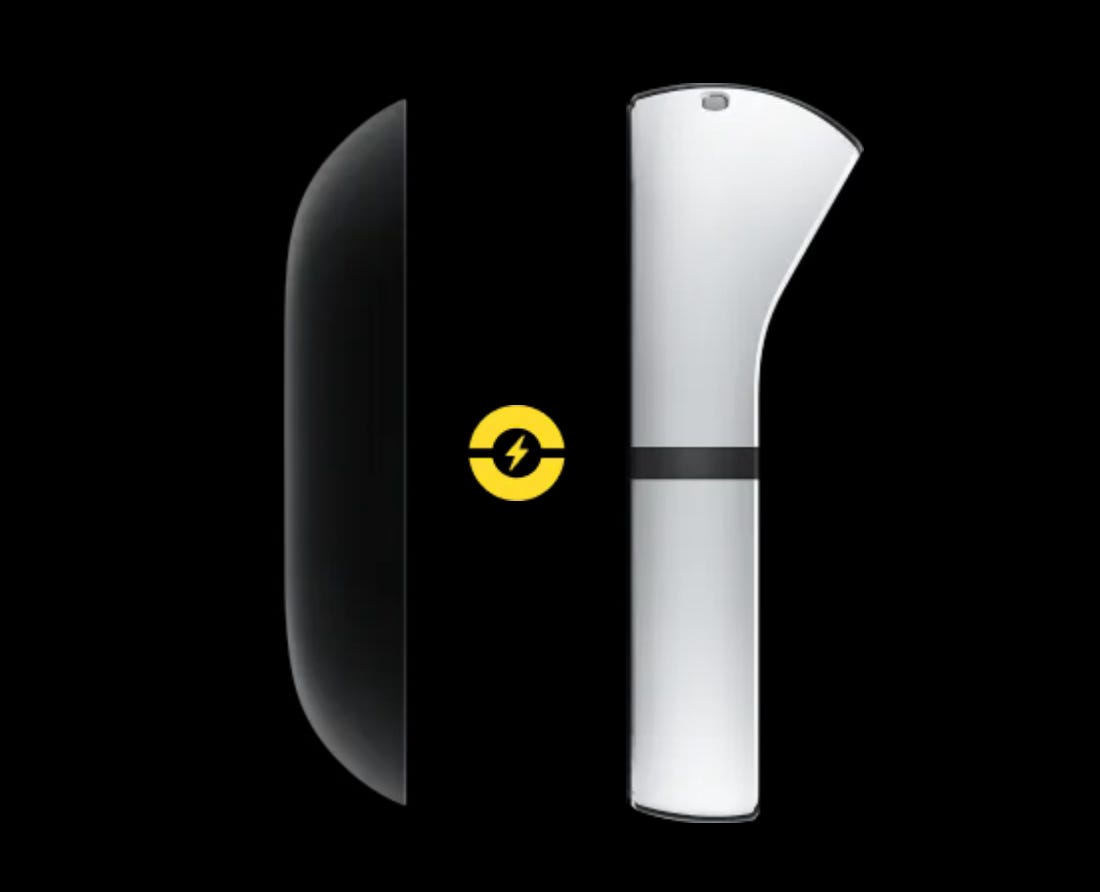
Having a series of electromagnetic inductive coils charging your device on the go without the use of cables seems like a spectacular win from engineering but one of the largest user complaints for this product is the resulting excessive heat generation, making it uncomfortable to wear
Outward facing sensor array
Wide angled optical sensors packaged into a small form factory is a feat of optics, design, engineering, and manufacturing excellence
But the issue is that the resolution is poor and most people have privacy concerns with camera pointing at them at all times
As mentioned earlier the role of a PM above all is to ensure that:
Products solve a genuine problem
They provide a desirable user experience
To enable these two goals there are mechanisms in place in the product development process to de-risk undesirable ideas from entering the market which include phase gates for customer feedback. Lets discuss them below.
See here for a reference to the HW product development process.
The concept and definition phases are supposed to conclude with market research and user surveys to validate whether there is sufficient demand to proceed with investing resources in a dev commit. This should be done:
With both quantifiable data and subjective anecdotes
By studying market feedback and talking to customers one on one to validate their problems and genuine needs
With proof of concepts and early stage prototype samples. It’s vital to get physical mockups infont of your customers
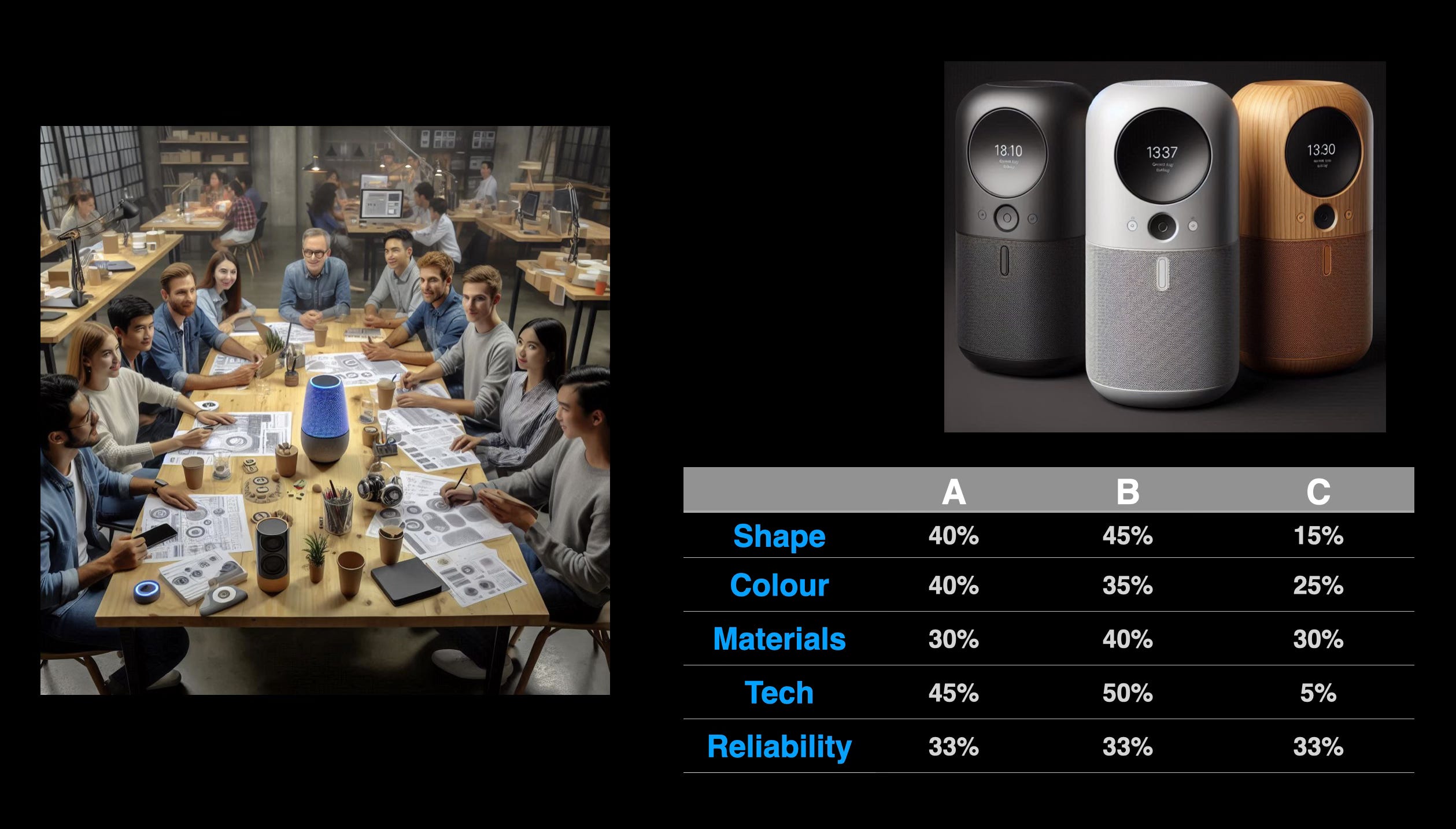
The development phase has several gates to further de-risk bad product ideas, most famous being alpha testing in which employees provide field trial feedback and then beta testing for which customers provide real use case insights.
These are sophisticated trials with detailed test plans, user feedback loops, and outcomes which should be presented to senior leadership
Both phases need to have actual hardware in users’ hands (low maturation is fine at alpha and closer to MP level is required at beta)
This is where Humane’s team should have had alarm bells going off regarding overheating, low resolution photos, slow AI, and other reported issues
Teams are supposed to observe customers, talk to them, see how they interact with the product, view cues (physical/non physical), gauge psychological reactions, understand engagement, and vet out if their assumptions are solid
Teams may be well into DVT and even PVT at this stage so product decisions are extremely costly given tooling locks, however that should not stop one from doing what’s right for the customer if issues arise (see examples below)
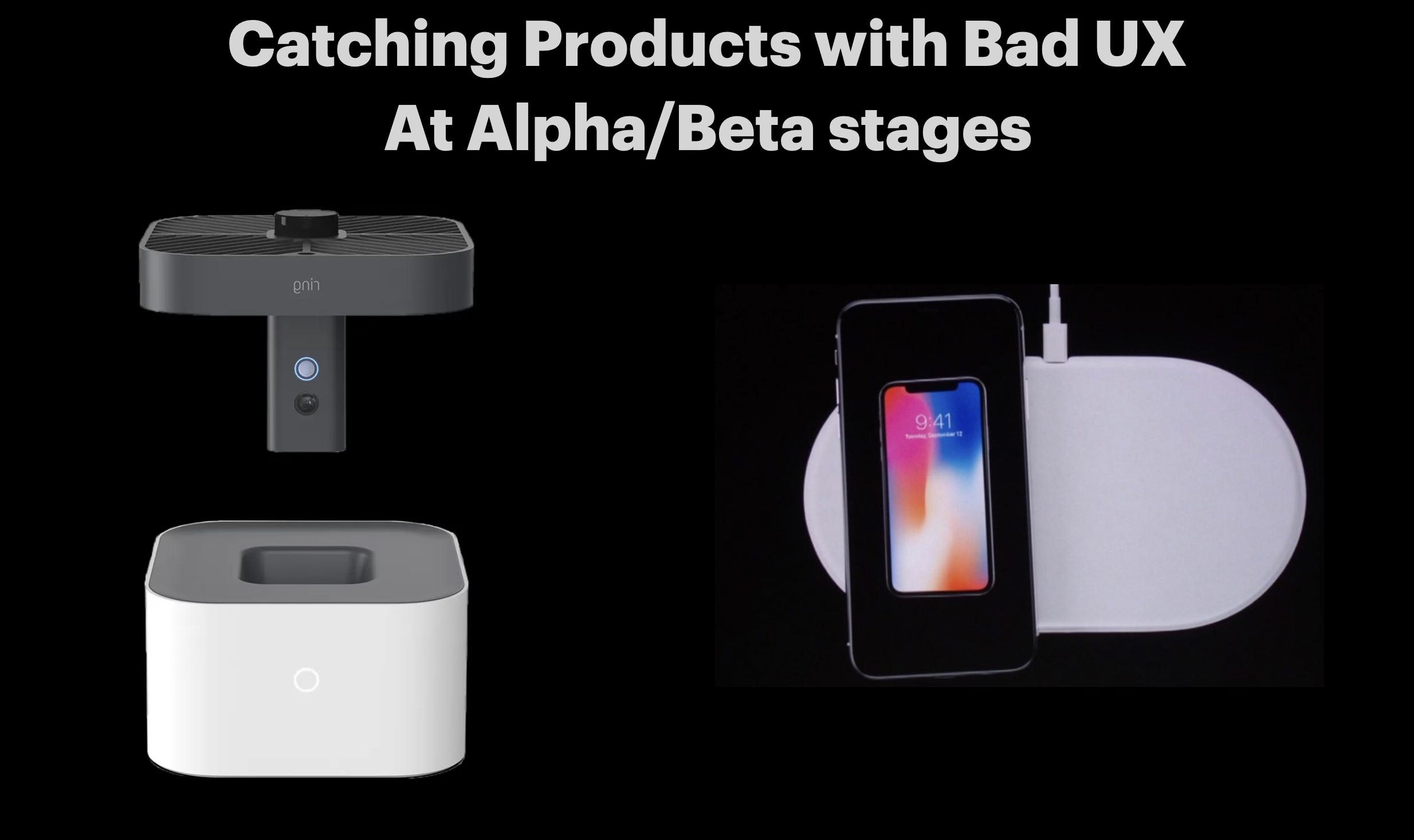
As builders and creatives sometimes it’s hard to step back and be more intentional. However we need to remove our bias and actually listen to what users are saying. Perhaps there’s a more simpler solution but it was ignored because the team was advocating for cutting edge technology.
Of course all of this can only be realized under the assumption that the culture is conducive to genuine user feedback.
If the CEO or senior leadership is stubborn with an idea then your product is destined to fail, such as the humane AI pin.
After all what’s the point of a PM team if leaders will not listen?
There were a few detractors online from my point of view, which is okay but I feel it’s interesting to address them because they were encouraging poor product practices.
This lack of understanding in product design and development undermines the efforts to develop a true V1 product. Companies should not ship half finished ideas and poorly thought out concepts. The customer is not responsible to pay for your mistakes. V1 is not meant to be a free pass.
V1, as Tony Fadell puts it, needs to be innovative, disruptive, and provide utility. It should encapsulate your grand vision through great design and performance.
Products at this stage are not meant to be profitable due to new technology cost and are for lead users (meaning they still have to provide good user experience)
See first gen iPhone, Vision Pro, and Apple Watch
V2 is an evolution of V1 based on genuine market feedback while retaining core product elements
V3 is the mass market solution which focuses on profitability
See lower price point offerings of iPhone SE and Watch SE
It also took 3 generations to make the iPod profitable
My only answer to this after spending some time in the industry through working at Japanese OEMs, Tesla, Apple, and more is that there is a reason why we would spend millions per build (EVT, DVT, PVT) on prototypes, JD power IQS events, customer field trials, user studies, and EFFA feedback.
I don’t have the fondest memories of presenting to senior leaders about the most seemingly trivial of defects highlighted from user feedback such as the examples below:
Stitching being misaligned by a few millimeters on soft good seat panels
Gap/offsets between display to chassis housings being out of spec by just microns on consumer electronic devices
Barely audible and low dB motor noise events
Particles almost the size of human red blood cells on optical systems
Almost physically untraceable contamination on flexes
SUV door panel water leaks requiring hours with flashlights to detect
However looking back, now I’m grateful because those experiences taught me that customer acceptance is above all if you want to build good hardware.
After all that negativity, not all is necessarily lost with the AI pin. There’re a few points which we, especially as the hardware product community, have to give them credit for.
As a fan of elegantly crafted products I’m glad that the pin is made out of premium materials, has robustly assembled mechanical architecture, and posses a sleek form factor.
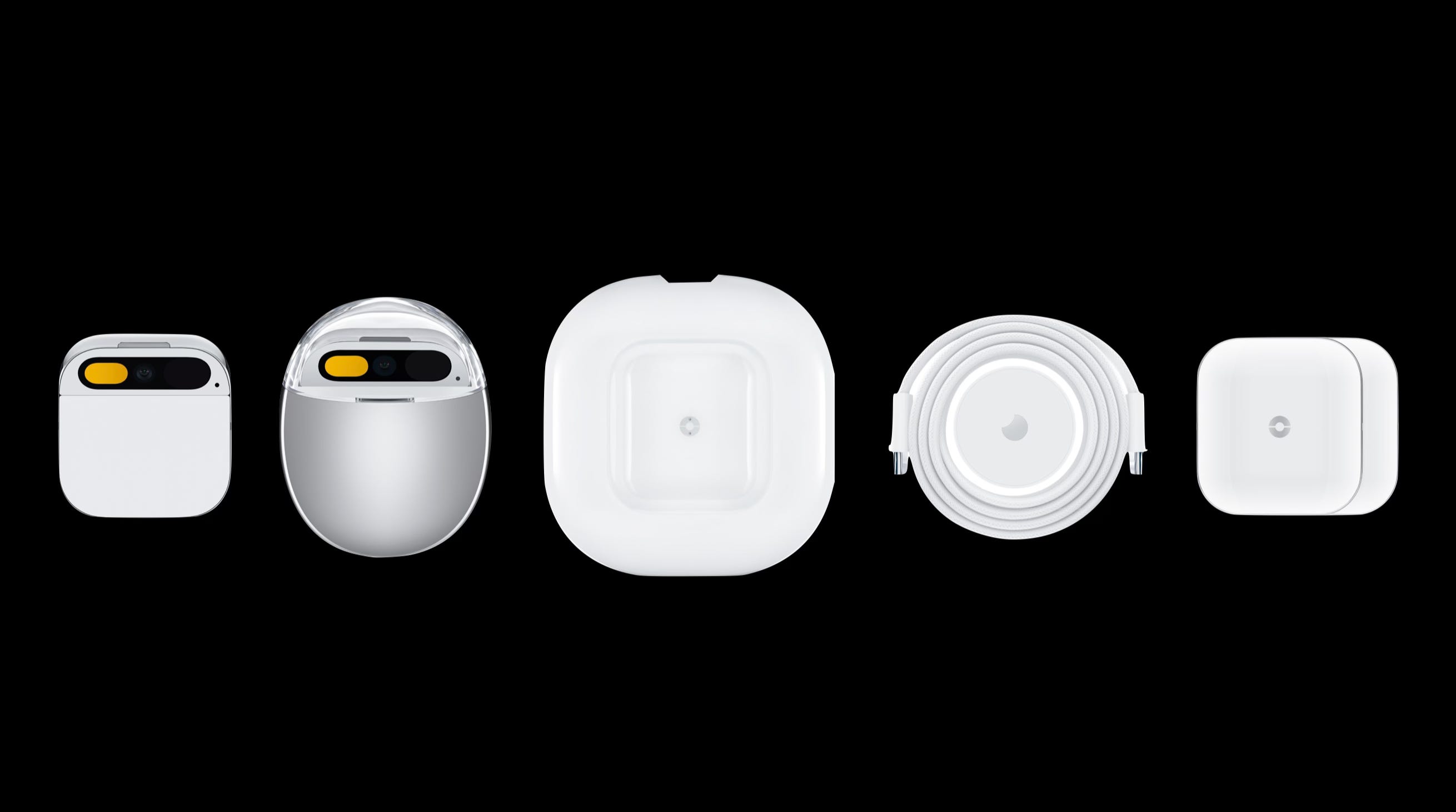
It’s difficult to develop new hardware given physical constraints, supply chain complexities, lead times, tariffs, inability to quickly prototype, regulations, cost, tooling challenges, and so much more.
Credit needs to be given to Humane for at least attempting to try something new in this low profit margin, fiercely competitive, and oversaturated industry.
Maybe a good analogy is to remember how Google glass paved the way for Meta/Apple AR/VR devices.
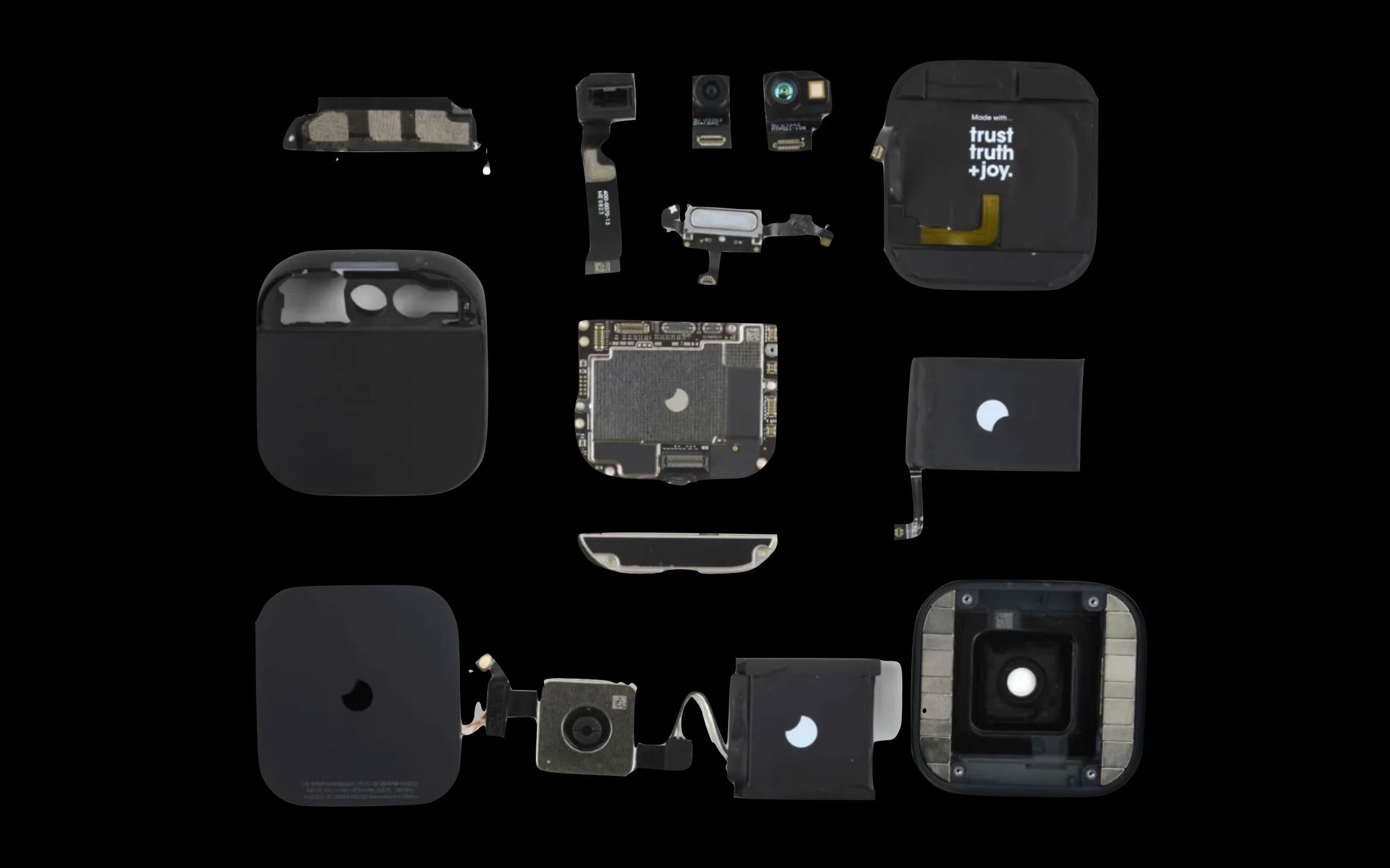
While this iteration of the pin has poor performance for most people, perhaps its sensing, computer vision, and AI/audio technologies can be leveraged to aid people in the following ways:
Help visually impaired improve their spatial awareness
Provide independence to the elderly and enable fall prevention
Make emergency calls on behalf of those with limited mobility
Aid dyslexic users with audio to help navigate when losing concentration
Humane’s founders wanted to create this product to reduce dependencies on screens after years of creating such products at Apple given that our phones aren’t the best for mental health and increase isolation.
Although the AI pin isn’t the best solution for now, it has started an important shift in conversations regarding the genuine value of the technologies we utilize.
Overall it has been an important lesson in using our talents to build more thoughtful, useful products.
Thats all for now.
If you enjoyed this content please like, comment, spread the word, and feel free to suggest topics for future posts!
No posts
Comments
Nothing yet. Say the first thing.
Sign in to join the conversation.