
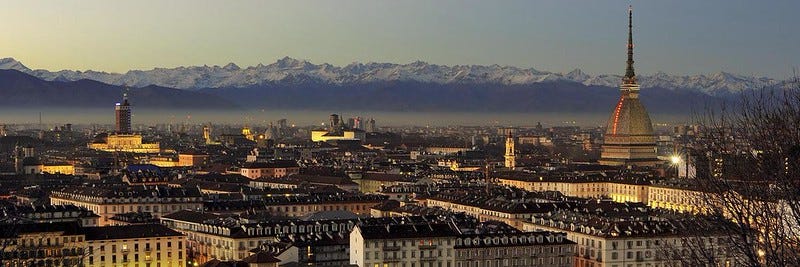
Cities reflect what we believe is possible. Some decisions have created places people love, while others have left behind mistakes that are hard to undo. Lately I’ve been thinking about the role of vision in shaping our places. That is why this fall I’m heading to Utopian Hours, a festival in Torino, Italy, where urban designers, real estate developers, and policymakers come together to share ideas about what a better city could look like.
When I think about the triumphs and failures of urban places, I see how much progress has been driven by the zeitgeist of the moment and our perpetual aspiration towards “Utopia”. Technology, politics, and economics shape our built environment: the spread of the automobile, the rise of cheap steel and glass, the political drive for monumental works, or financial systems that favor certain uses and aesthetics. The question is how we move our collective understanding forward. Festivals like Utopian Hours create the space for place-builders to share examples and craft a united, visionary narrative for the future.
“poor urban design is an act of great irresponsibility”
Normally I can be quite skeptical of conferences, but in an industry that is by its nature constrained by local realities, the idea of creating a temporary local reality to exchange ideas and establish a shared vision really appeals to me. At Build Better Places I am firmly in the camp that “modern” development means rediscovering the wisdom of centuries of know-how in building and applying that wisdom to modern systems of urban planning, finance and architecture. I’m excited to meet people with similar ideas and to see examples of how these ideas are taking form in real life. Some of the past master classes from Utopian Hours are available on YouTube and got me excited about the kinds of people and ideas I might be exposed to:
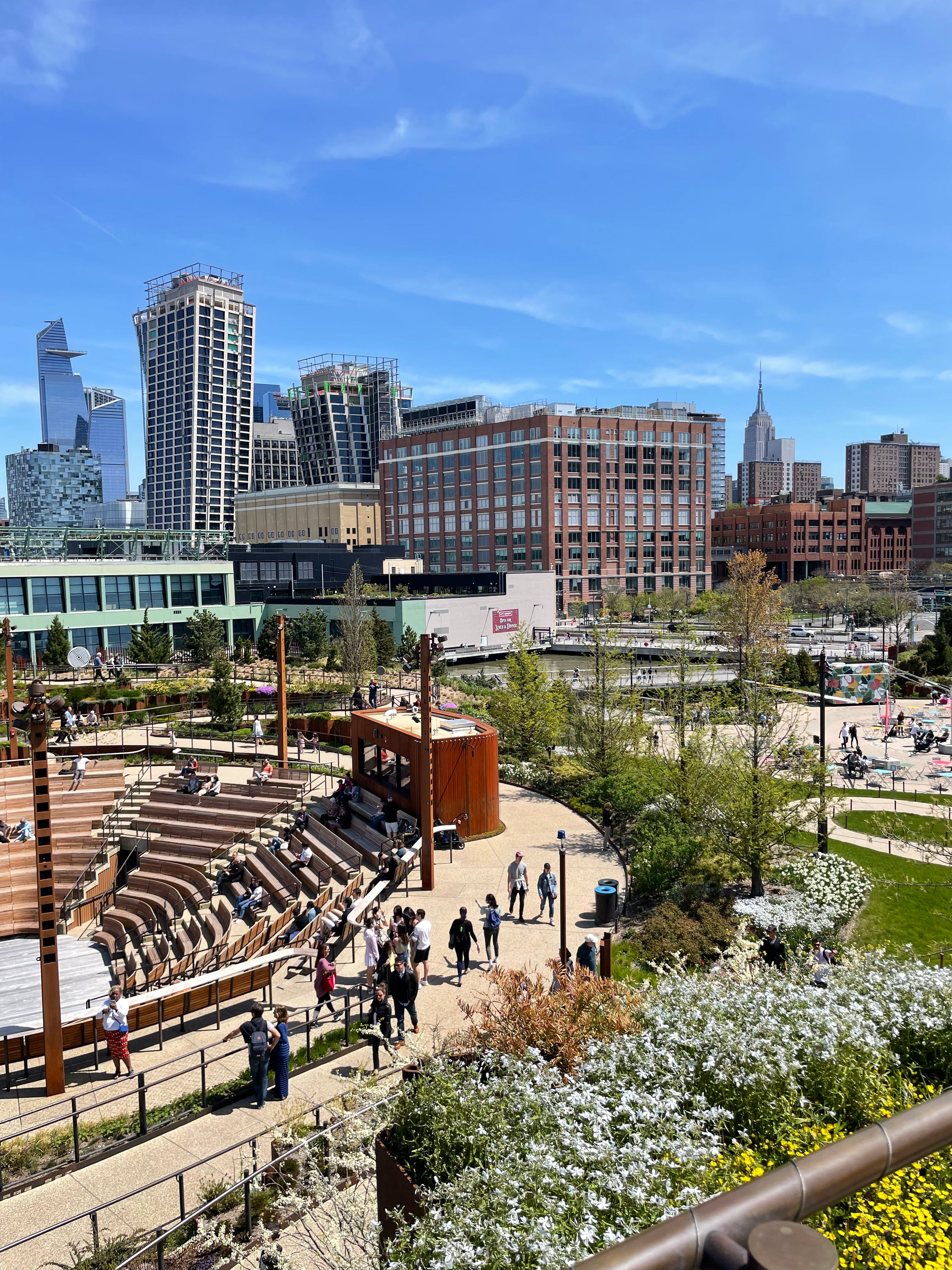
Amanda Burden’s 2022 Utopian Hours master class on New York parks was an excellent reminder that cities evolve, but they only thrive when they put people first. As New York’s Director of Urban Design under Mayor Michael Bloomberg, she began her talk by asking: why aren’t there more beautiful green spaces in New York? In my view, the answer is simple. The prevailing model required private developers to provide public space as part of their projects, but those spaces rarely served the people who used them. The incentives produced “dead” squares and plazas: developers let architects design “plinths to their buildings”, while landlords favored spaces with “nothing to water, nothing to maintain, and no ‘unfortunate people’ to [manage].”
Burden argued instead that public investment in high-quality collective green spaces can improve quality of life and encourage people to stay in the city. As she put it, “Water and nature are the ideal antidotes to the density and intensity of urban life.” Perhaps the role of city government is to create these spaces in ways that transcend the narrow constraints of investor returns. The High Line is the obvious example: a $200 million vertical park that today attracts 6 million visitors a year and has revitalized an entire Manhattan neighborhood. Its excellence draws people in, which in turn draws private development, ultimately raising the tax base and more than repaying the public investment. The financial case matters, but the deeper value is the immeasurable social return.
Richard Upton’s 2023 master class continued this theme, arguing that “built environment professionals are the most important people on the planet” when it comes to solving the complex challenges of urban life. As a real estate developer, he thinks a great deal about “regeneration” in his work, adding value to the places he builds and restoring and preserving that which already exists. In his talk he proclaims “poor urban design is an act of great irresponsibility”, citing the empirical data that “poorly designed buildings, towns, and cities contribute to poor health, wealth inequality, crime, societal decay.”
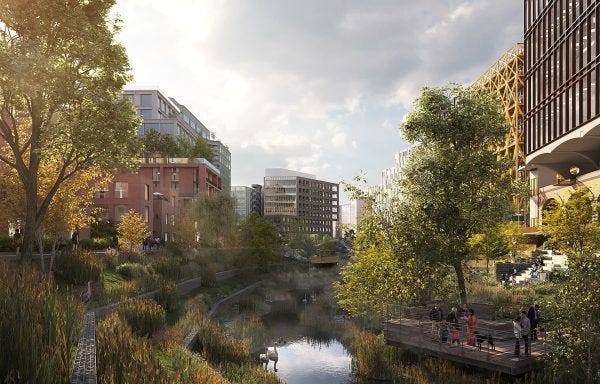
Upton presents a different philosophy of development, showing that the market will pay a premium for projects with regenerative goals. His most striking example is the restoration of Mayfield in Manchester, UK. The city initially wanted the site cleared and rebuilt with residential units. Instead, Upton’s group began with a park, reopening a culverted river that had been buried for fifty years. The total project cost was £1.6 billion, but Upton claims it now generates £800 million of social and economic impact each year. The lesson is that regeneration done well can pay back both economically and socially.
The real value of a gathering like this is not the talks themselves but what people carry back home. As participants leave the inspiring environment of the festival and return to the routines of their own cities, the question is whether the ideas will shape their everyday choices. Citizens, architects, builders, and governments all have a role to play in building the future. My hope is that Utopian Hours will push me to think more deeply about my own role in that ecosystem and how small shifts in how we design and build can bring us closer to a shared vision of better places.
No posts
Comments
Nothing yet. Say the first thing.
Sign in to join the conversation.