
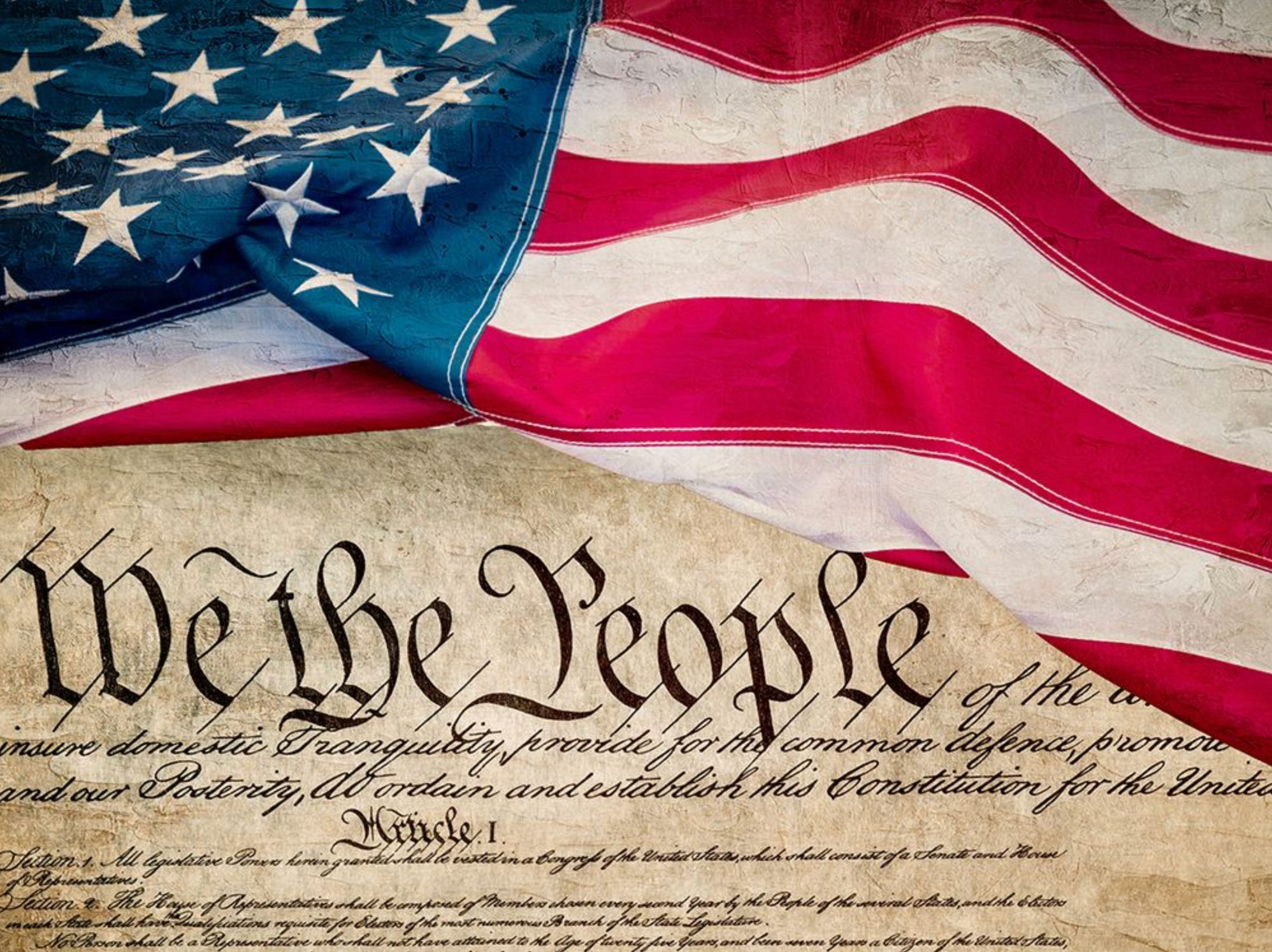
My grandmother and I looked down together at the first line of the Constitution. She had asked me a question that lingered in my thoughts for several days.
“Every word was chosen for a reason. And I wonder… why do you suppose they began with the words ‘We the People’?”
When we sat down together again, the Declaration of Independence still lay open beside the Constitution. She noticed me looking back and forth between the two documents.
“Do you notice something?” she asked. I wasn’t sure what she meant. She pointed first to the Declaration and then to the Constitution.
“Read the beginning of each.” Slowly, I did.
The Declaration speaks repeatedly of the people. Government derives “their just powers from the consent of the governed.” Whenever government becomes destructive of its purposes, “it is the Right of the People to alter or to abolish it.”
Even in its closing paragraph, the Declaration declares independence “in the Name, and by Authority of the good People.”
Then we turned to the Constitution. “We the People...”
She smiled. “Do you see the thread?” I think I was beginning to.
The Constitution was not replacing the Declaration. It was continuing the conversation the Declaration had begun. The same people who had declared that legitimate government derives its authority from the consent of the governed were now asking a different question.
The Declaration had answered one question. Where does legitimate government derive its authority? The Constitution turned to the next question. If authority belongs to the people, how should the people choose to govern themselves?
For a long time, I assumed those opening words were simply an introduction.
My grandmother encouraged me to look more closely. “They could have written, ‘We the Representatives,’” she said. “They could have written, ‘We the States.’” “They could have written, ‘We the Delegates assembled in Philadelphia.’” “They didn’t.”
She let the silence do its work. “They chose ‘We the People.’”
That choice tells us something profound.
The Constitution does not derive its authority from the Convention that drafted it. It does not derive its authority from the states alone. It does not derive its authority from those who would eventually hold public office. It derives its authority from the people themselves.
That was one of the most revolutionary ideas in human history. Kings claimed authority by birth. Empires claimed authority by conquest. Many governments claimed authority through wealth, inherited privilege, or force.
The Constitution begins somewhere entirely different. Its authority derives from the people.
My grandmother became quiet.
Then she asked another question.
“If the Constitution begins with ‘We the People’...who, exactly, are ‘the people’?”
She closed the Constitution. She had no intention of answering that question for me. That wasn’t how she taught. She wanted me to wrestle with it before we read another word.
I have been wrestling with it ever since. And now I leave it with you. Who are “We the People”? Not only the people of 1787. But we, the people, today.
The Constitution remains the framework of our Republic. Every generation inherits it. Every generation lives under it. And every generation, whether it realizes it or not, participates in answering that enduring question.
Who are “We the People”?
Comments
Nothing yet. Say the first thing.
Sign in to join the conversation.