
As the 2026 World Cup came to a dramatic end, millions of international visitors left the United States with a striking, collective impression: the sheer scale of American food culture.

“No wonder the people here are double the size—there’s no such thing as considerate sizes. Everything is just big, ginormous, extra large... From this one meal alone I’m probably chomping on 6,000 calories.” — European visitor reacting to restaurant meals.
“I asked for a child portion, and it’s still as big as an adult portion back home. That is insane.” — British tourist reacting to an American diner breakfast.
These visitors noticed what we have become blind to: America has systematically dismantled the boundaries around moderate eating. We are facing a public health crisis. According to the CDC, 31.7% of Americans are overweight, and a staggering 40.3% are clinically obese. Among our children, those numbers sit at 15% and 21% respectively. Type 2 diabetes cases in youth nearly doubled between 2002 and 2018. Today, one in ten Americans is disqualified from serving in the US Military solely due to weight.

When looking for a culprit, we usually point to a familiar, accurate lineup:
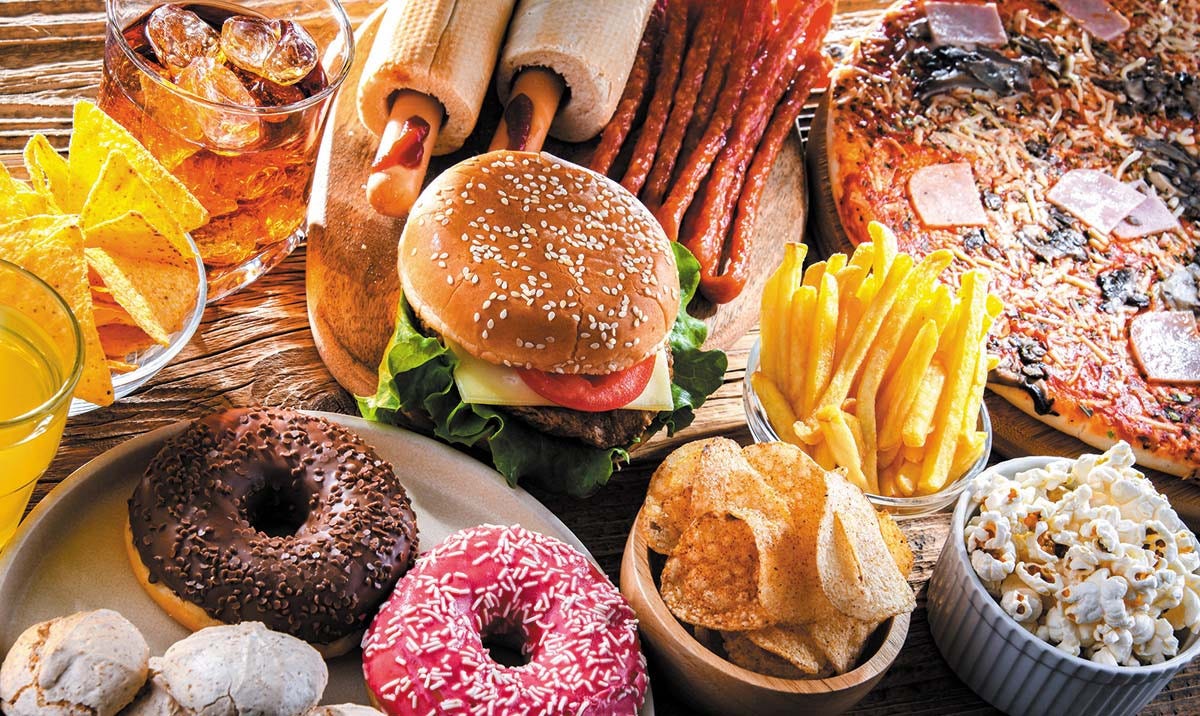
Engineered Foods: Highly manufactured with sugar, salt and processed carbohydrates and fats to bypass our natural fullness signals.
Portion Inflation: Servings designed to equal two or three meals at a time.
Sedentary Lifestyles & Sleep Deprivation: Screen time replacing outdoor time, and stress-induced exhaustion spiking hunger hormones.
Every one of these suspects plays a role. But there is a silent accomplice we rarely talk about: the architecture of our homes and our time.
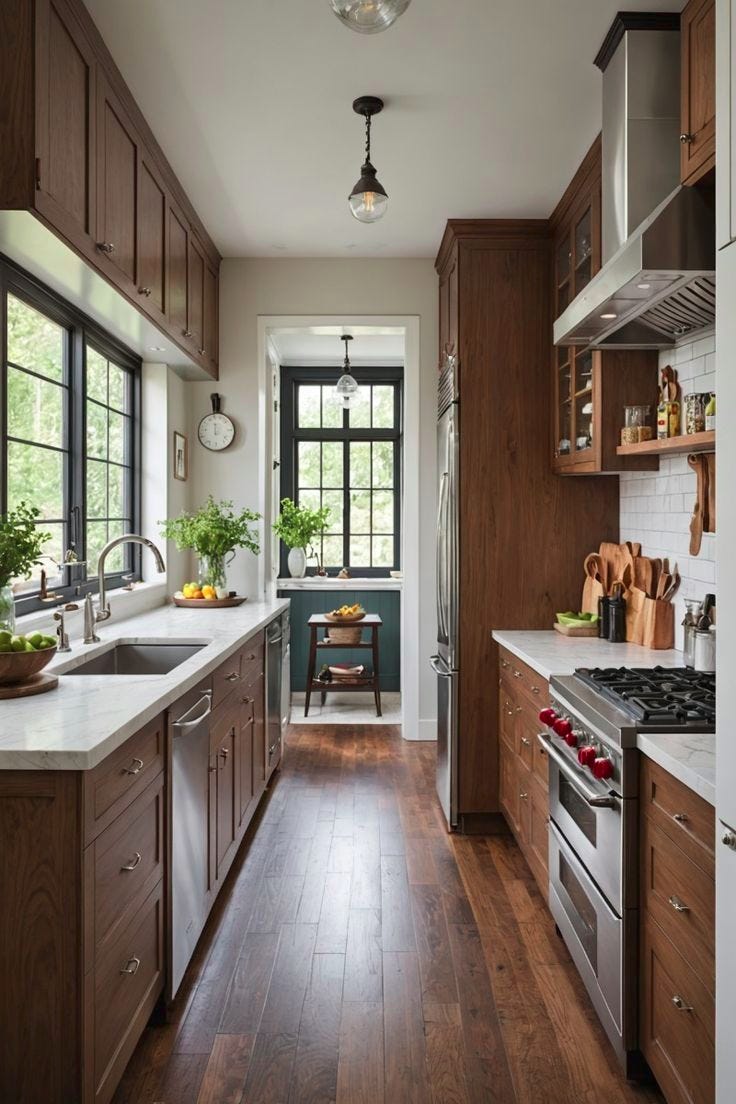
Think about how the geography of the home has changed. In my first house, we had a typical 1920s galley kitchen. It was strictly a workspace—a stove, a sink, a fridge, and a counter. There were no chairs, and there was no table. You prepared food there, and then you left to eat it in the dining room.
My next house had a 1940s kitchen. It was larger, with room for a small breakfast table, but formal meals still happened elsewhere.
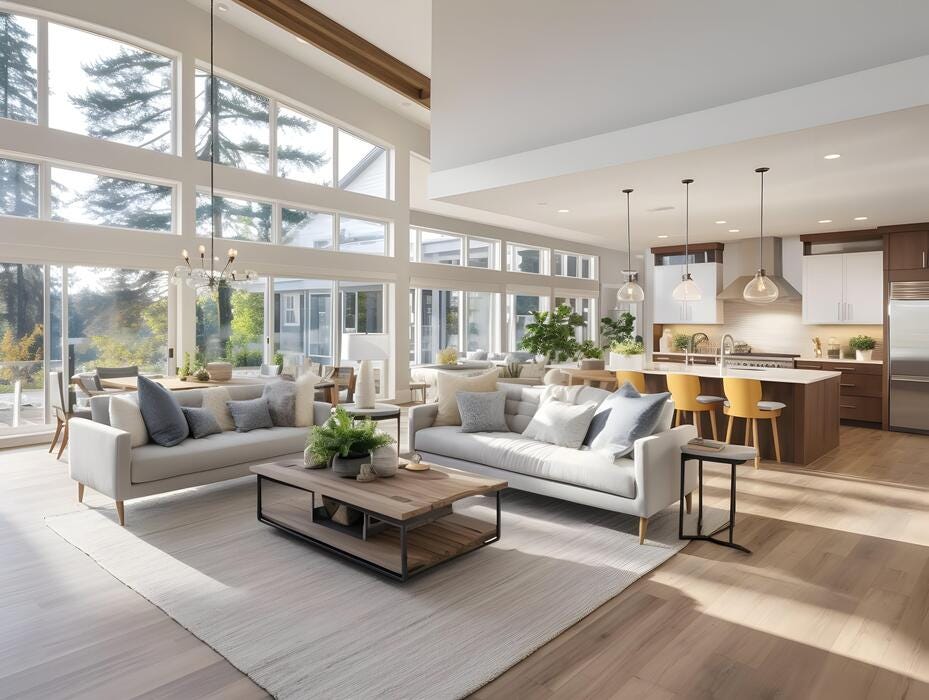
Eventually, we did what most modern homeowners do: we knocked down the walls. We “opened up” the space. Today, many modern homes feature a single, giant room where the kitchen, dining room, and living area are completely merged.
It feels spacious. It looks beautiful. But it means the kitchen is never closed.
The visual cues are constant. Whether you are watching TV, reading, or working, the refrigerator and the snack cupboards are always in your direct line of sight. Your brain is subjected to an endless, passive advertisement for food.
When people used to ask me how to stop worrying about their ongoing legal litigation cases, I gave them a simple piece of advice: Get a box.

Put everything from the case inside it. When it’s time to work on it, take the box out. When you’re done, put it all away, slide the box into the closet, and close the door. No visual cues. You need time to work, and you need time to rest.
Your stomach requires the exact same compartmentalization. But the modern layout of our time and our houses is actively conspiring against our autonomy and our anatomy.
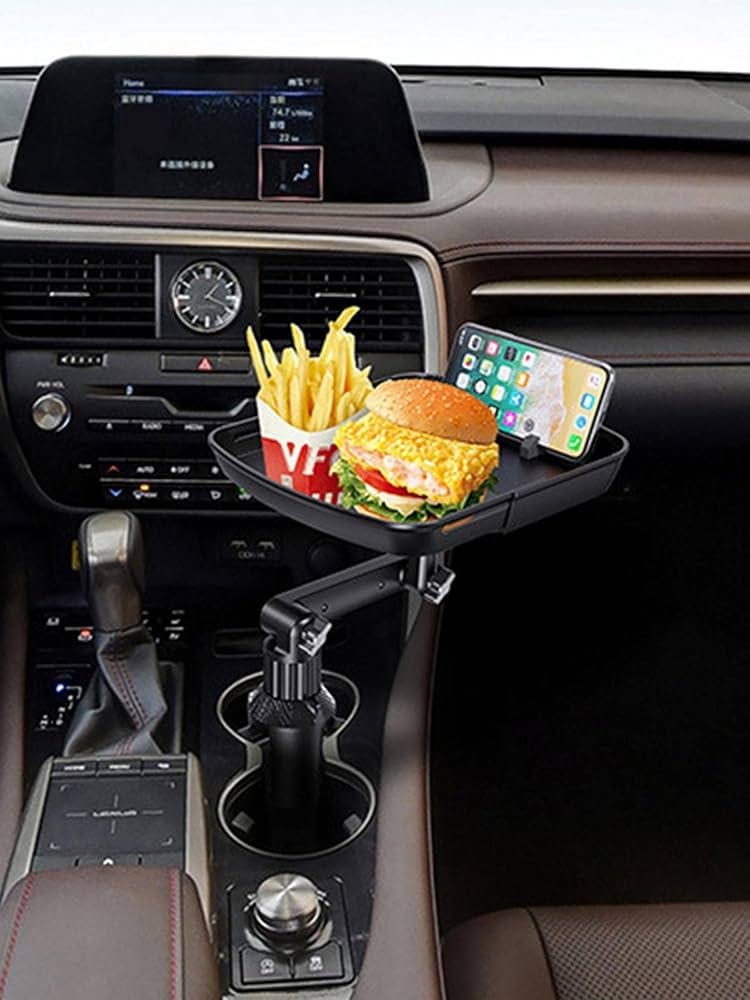
We have developed an environmental eating dysrhythmia. We eat on demand, anywhere, at any hour. Our cars have cup holders built for massive jugs; our clothing and backpacks feature specialized pockets for pre-packaged snacks.
It wasn’t always this way. Historically, human cultures relied on strict structural boundaries to create a rhythm of rest:
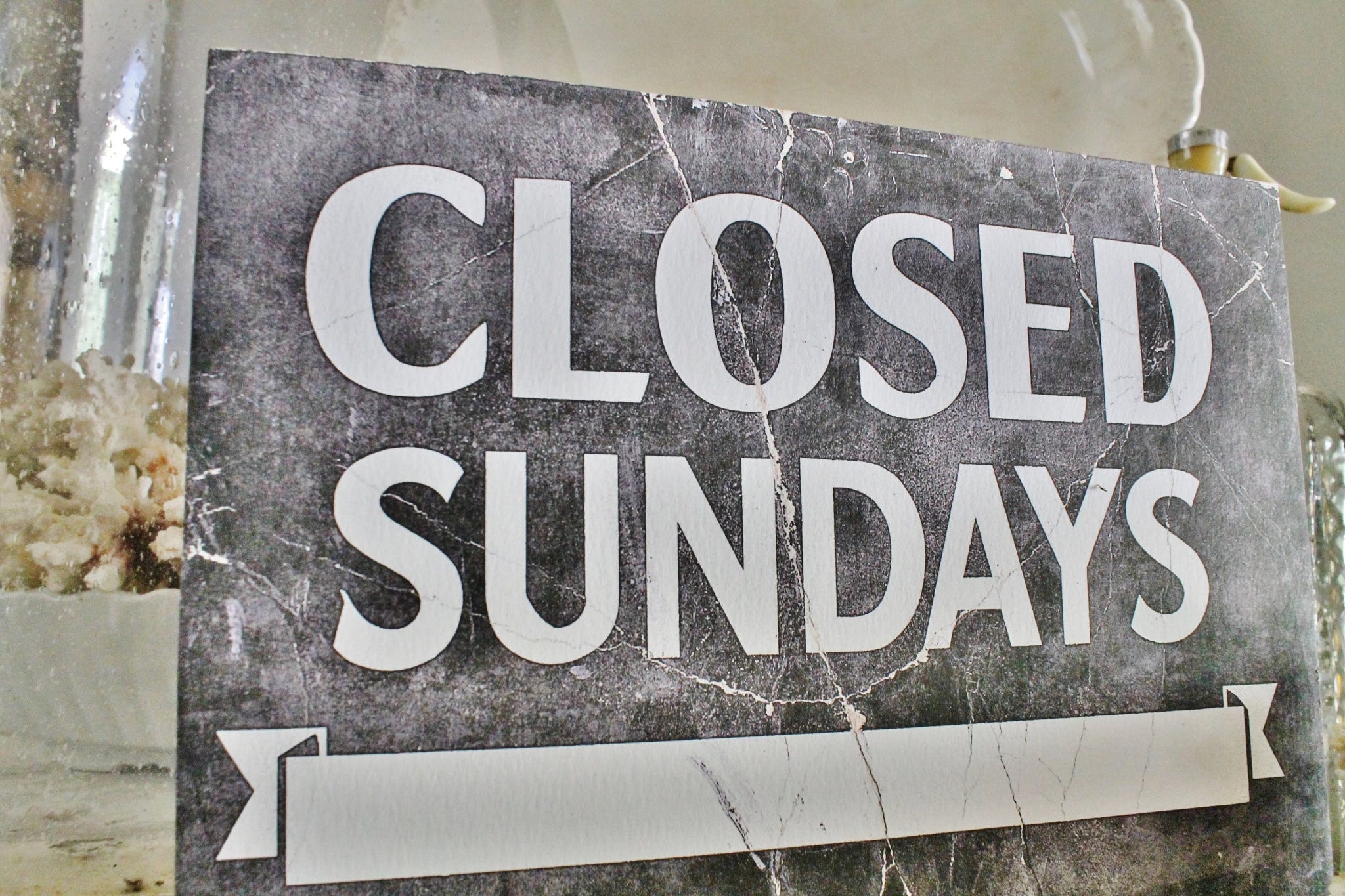
The Blue Laws: Decades ago, cities completely shut down commerce on Sundays. Life was forced to slow down.
Shabbos: From Friday sunset onward, observant Jews step into a different world where cooking and business stop completely, creating a sacred rhythm of pause.
The Mid-Century Diet: Before modern snacking took over, Americans ate three meals a day, together, at specific times. Between those hours, children were given a strict warning: “Don’t eat that now, you’ll ruin your appetite.”
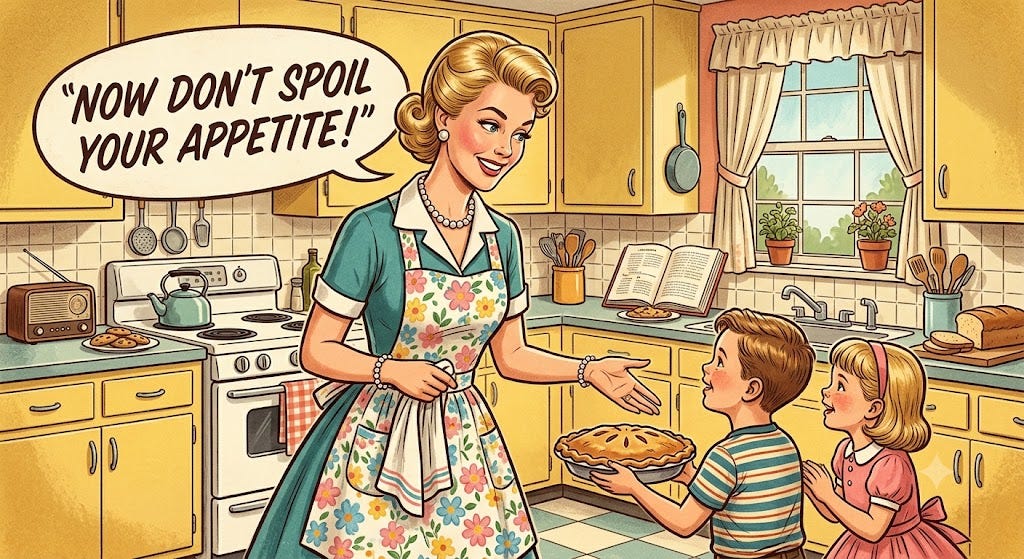
Between meals, the kitchen was understood to be functionally closed.
You might not be able to remodel your house, but you can stage a radical act of personal protest: Set the hours of your establishment.
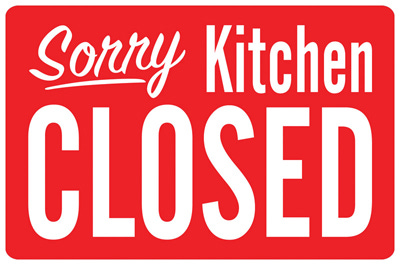
When a meal is over, politely but firmly declare to yourself and your household: The kitchen is closed.
Stake your territory: Spend your downtime in areas of the house that don’t have a direct line of sight to the refrigerator.
Create food-free zones: Declare your car, your bedroom, and your living room dining-free spaces. If you don’t have a formal dining room, create a context cue: use a specific place mat that only comes out during meals and is immediately washed and hidden away when done.
This isn’t about joyless self-denial. In fact, closing the kitchen makes the food taste better. When the kitchen is open, go all in. Turn off the television, put away the phone, set the table with your best vintage silverware, and focus entirely on the ingredients, your friends, and your family.
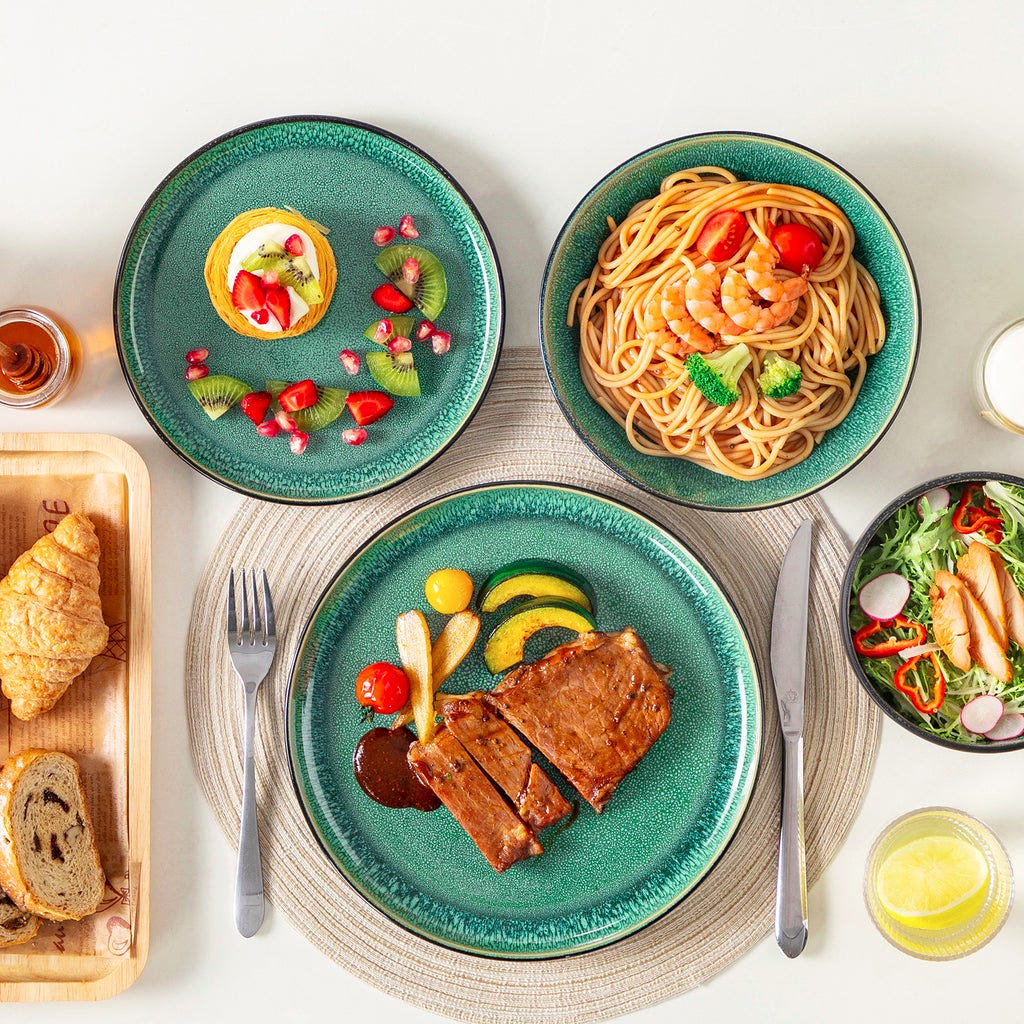
By enforcing the boundary of the close, you protect the magic of the open. As Seneca famously wrote in his Letters from a Stoic:
“Above all, my dear Lucilius, make this your business: learn how to feel joy... I do not wish you ever to be deprived of gladness. I would have it born in your house; and it is born there, if only it be inside of you.”
No posts
Comments
Nothing yet. Say the first thing.
Sign in to join the conversation.